I’ve spent years reviewing auto insurance products, and gap insurance consistently stands out as one of the most misunderstood coverages on the market.
Here’s the reality: when your new car gets totaled, your standard insurer only pays actual cash value, which often leaves you thousands underwater on your loan. Gap coverage bridges that exact shortfall, paying the difference between your remaining balance and your car’s depreciated worth.
You’ll typically find it through dealerships, lenders, or some insurers for vehicles under three years old. The catch? It runs $400 to $700 at dealers versus $20 to $40 annually through your auto insurer. I’ve seen too many buyers overpay at signing without realizing they could add it later.
Whether you actually need it depends on your down payment, loan term, and how fast your vehicle loses value. The math isn’t complicated, but getting it wrong can cost you serious money when you least expect it.
What Is Gap Insurance and How Does It Work?
When you’re financing a new car, the loan balance can outpace depreciation fast. That’s where gap insurance steps in. I’ve seen how it works firsthand, and it’s straightforward once you break it down.
Gap insurance covers the difference between your loan or lease balance and your car’s actual cash value (ACV) after a total loss or theft, minus your deductible. Here’s the sequence: your standard insurer pays the ACV, then gap coverage pays the remaining loan balance up to the coverage limits. The insurance payout never matches your original purchase price; it bridges the gap.
Banks, credit unions, and dealerships provide this add-on, typically for newer vehicles. Watch for exclusions like added loan costs or original-owner requirements. Check your policy terms closely. Coverage limits and eligibility rules vary significantly between providers.
Recommended Products
![ESSENTIAL Car Auto Insurance Registration BLACK Document Wallet Holders 2 Pack - [BUNDLE, 2pcs] - Automobile, Motorcycle, Truck, Trailer Vinyl ID Holder & Visor Storage - Strong Closure On Each -](https://m.media-amazon.com/images/I/41k-QvzFVuL._SL500_.jpg)
ESSENTIAL Car Auto Insurance Registration BLACK Document Wallet Holders 2 Pieces
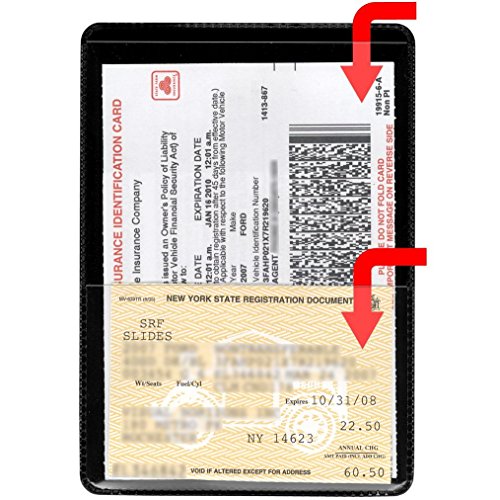
⭐ Archival Protection Each pack includes 1 sleeve made from archival-quality plastic that won’t lift ink—keeps both your insurance cards crisp, clean, and safe, day after day.

💼 CAR ORGANIZER PRACTICALITY: Car registration and insurance holder has multi-function clear compartments which can organize various items very well. The car document holder large pocket for insurance documents and 2 pockets for vehicle registration, 3 small pockets for driver's license, ID cards, AAA cards, business cards, receipt, key contact information cards, etc. It can fully meet your needs
Do You Actually Need Gap Insurance?
How quickly does your new car lose value the moment you drive it off the lot? Car depreciation hits fast, and that gap between your loan balance and Actual Cash Value creates serious depreciation risk. I always check if I’m vulnerable to an upside down loan before skipping gap insurance.
You need coverage when:
- Your down payment is small (under 20%), leaving little equity cushion
- Your loan stretches 60+ months, slowing principal payoff
- You’re leasing, or your lender has strict lease or loan requirements
After a total loss or theft, standard insurance coverage only pays Actual Cash Value. If that falls short of your remaining loan balance, gap insurance bridges the difference. Compare your numbers honestly. I’ve seen drivers save thousands by protecting against this specific, predictable risk.
Recommended Products

PREMIUM: A fashionably slim, all-in-one design, the CoBak leather car document holder offers solid protection along with space for your essential documents. The case holder is handcrafted from premium-quality PU leather and present of luxurious lining.

Clear Compartment - The car insurance and registration card holder is designed with transparent compartments to make it easy to find what you need. The inside of the card holder has 2 large compartments for coins, insurance policies, etc. and 4 smaller compartments ideal for driver's licenses, driver's licenses, and other documents, making it a great glove box organizer.

Premium Quality & Durable Materials:Crafted from high-grade PU leather and reinforced vinyl PVC with intricate 3D embossing,this car document holder combines luxury with long-lasting durability.The scratch-resistant,tear-proof,and waterproof construction ensures reliable protection for your essential documents
How Much Does Gap Insurance Cost?
Where exactly should you look to get the best deal on gap insurance? I’ve found that insurer options beat dealership coverage almost every time. The gap insurance cost through dealers often runs $200 to $300 per year as a standalone product, while bundled policy pricing with your comprehensive and collision coverage drops that average annual premium to just $20 to $40.
Your exact rate depends on factors like your car’s actual cash value (ACV), model year, and loan-to-value ratio. State regulations and underwriting rules also shift the numbers. Some policies cap payouts at a percentage of your vehicle’s ACV, or exclude rolled-over loan costs, which raises your out-of-pocket cost if disaster strikes.
I recommend shopping multiple insurer options before signing anything. Once your loan balance drops below your car’s current ACV, you can cancel and save even more.
Recommended Products

👁️Quick Accessible: Inside the car insurance and registration card holder, the clear inner material makes you easy to find documents when you open it up, you can see exactly what they are and quickly show them when asked, even no need to take the stuff out.

Protect Your Documents: Car registration and insurance holder protects documents from wear and tear, takes up little space in glove compartment or on the visor. It enables your important and essential vehicle and insurance paperwork organized and easily accessible

Premium: The CoBak leather car document holder is handcrafted from premium-quality PU leather and present of luxurious lining
What Gap Coverage Pays: and What It Doesn’t
Why does gap insurance matter? I’ve seen too many drivers stuck with crushing debt after a crash. When your car faces a total loss, your standard insurance payout only covers actual cash value, not what you still owe. That’s where gap insurance saves your finances.
Here’s what this coverage actually does:
- The gap itself: It pays the difference between your insurance payout (minus deductible) and your remaining loan balance or lease obligation
- Negative equity protection: It shields you from owing thousands when your vehicle depreciates faster than you pay down the car loan
- Critical limits: Coverage limits vary by policy, and it won’t cover added loan costs or exceed your policy’s maximum
It works alongside collision and comprehensive, not replacing them. You stay in control, avoiding financial disaster when the unexpected hits.
Recommended Products

Attractive design: The iridescent sheen is vibrant and bright, changing with viewing angle and lighting. This iridescent car accessory is perfect for adding a touch of uniqueness to your car interior.

👁️Quick Accessible: Inside the car insurance and registration card holder, the clear inner material makes you easy to find documents when you open it up, you can see exactly what they are and quickly show them when asked, even no need to take the stuff out.

Protect Your Documents: Car registration and insurance holder protects documents from wear and tear, takes up little space in the glove compartment or on the visor. It enables your essential vehicle and insurance paperwork organized and easily accessible.
When Should You Cancel Gap Insurance?
Once your loan balance drops below what your car is actually worth, gap insurance becomes dead weight on your monthly budget. Cancel gap insurance when your outstanding balance equals or falls below your car’s ACV, the actual cash value insurers pay after a total loss. This sweet spot typically hits within the first two years of your lease or loan.
You can speed up this timeline by paying down principal early or selling the vehicle outright. Once the coverage gap closes, you’re simply overpaying for protection you don’t need. Some lenders require formal notice to cancel, and premiums should adjust downward once risk disappears.
However, if your loan balance still exceeds car value, keep the policy active. An insurance payout alone won’t clear your debt after theft or accident.
Recommended Products

Excellent 3D Embossing: auto car document holder is made of high grade quality PU leather & durable vinyl PVC, which is with the best sewing and crafted. Beautiful cover of 3D embossing, provides a comfortable soft touch feeling and professional look.

Perfect Size: 9.5" x 5.1"(24cm x 13cm) - slim and lightweight, precisely designed to fit all of your needed documents, perfect to keep in any glove box or console.