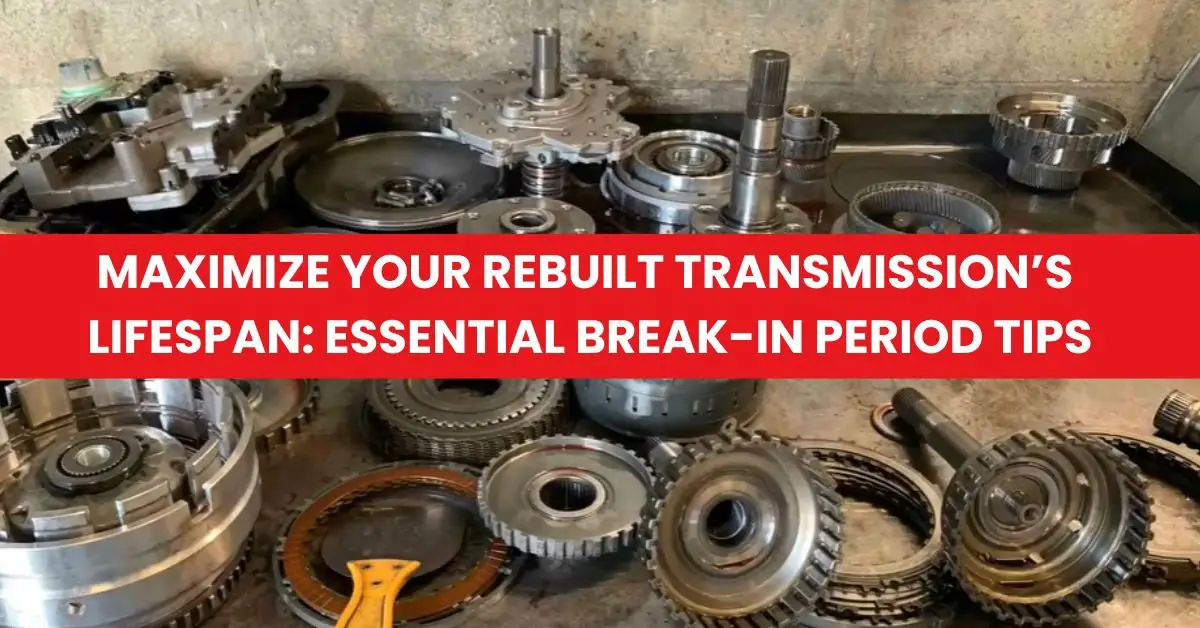
When we think about giving our cars a new lease on life, replacing or rebuilding the transmission is a significant step. It’s like performing major surgery on the vehicle’s heart, ensuring it beats strong for miles to come. But just like any major operation, the recovery period is crucial. This is where the concept of a ‘break-in period’ for rebuilt transmissions comes into play. It’s a phase that’s not often talked about but is vital for the longevity and performance of your vehicle.
We’ve all heard about the break-in period for new engines, but what about rebuilt transmissions? Is there a secret recipe to ensure they run smoothly and efficiently from the get-go? Let’s dive into the world of transmissions, shedding light on the importance of this initial phase. Our journey will explore why taking it easy on your freshly rebuilt transmission isn’t just a suggestion—it’s a necessity. Join us as we unravel the mysteries of the break-in period, ensuring your vehicle continues to thrive on the roads ahead.
Key Takeaways
- The break-in period for a rebuilt transmission is crucial for ensuring the longevity and efficiency of the vehicle’s transmission system, requiring a phase where new components can adequately adjust and mesh together.
- During the break-in period, gentle driving is recommended, including avoiding aggressive acceleration and heavy towing, instead opting for light, varied driving conditions up to 500 miles to evenly distribute lubricants and allow parts to adjust without undue stress.
- Proper preparation for the break-in period involves gathering the necessary tools and materials like the correct transmission fluid, a dipstick or fluid pump, a torque wrench, and a temperature gauge, as well as adhering to safety precautions and consulting the vehicle’s manual for specific guidance.
- A step-by-step guide to the break-in period emphasizes starting with short drives under 45 mph, gradual monitoring and maintenance of transmission fluid levels and quality, and slowly increasing driving distances and speeds.
- Key tips for a successful break-in period include keeping speeds variable, avoiding heavy loads to prevent stress on the transmission, and being mindful of when to shift gears to promote even wear across all transmission components.
- Troubleshooting common issues post-break-in such as slipping gears, unusual noises, and leaks should involve checking fluid levels and types, ensuring all parts are properly seated and adjusted, and addressing any leaks immediately to avoid compromising the rebuilt transmission’s performance.
Recommended Products

Genuine Honda Transmission

For use in 95% of vehicles including most CVTs in operation with US registered light duty applications

For use in 95% of vehicles including most CVTs in operation with US registered light duty applications
Understanding the Rebuilt Transmission Break-In Period
After highlighting the crucial role of a break-in period for a vehicle with a rebuilt transmission, we delve into what this entails and why it’s indispensable for the transmission’s longevity and efficacy.
Recommended Products

(3) 1-Gallon Containers Exceeds Dexron III and Mercon performance specs. After the initial break-in period, replacing this break-in fluid with another Max Shift Transmission Fluid that is compatible with your application is strongly recommended.

TCI Max Shift Break In ATF Transmission Fluid 1 gal P/N 15901

Fitment: Compatible with Ford F-150 2015 2016 2017 2018 2019 2020,Not Fit 2009-2014,2021 F150.
The Importance of a Break-In Period
The rebuilt transmission break-in period serves as a critical juncture in the life of your vehicle’s transmission. It ensures that the newly installed components can adapt and mesh well with each other. Just as athletes need to warm up before a full-blown sprint to prevent injuries, the components of a rebuilt transmission require a phase to adjust, settle in, and function together harmoniously. This period considerably reduces the risk of early wear and tear, safeguarding against premature failure. During this time, the transmission’s clutches, seals, and gears gradually acclimate to operational stresses, promoting a longer service life and smoother performance.
What to Expect During the Break-In Period
During the rebuilt transmission break-in period, vehicle owners should anticipate a necessity for gentle driving. This means avoiding aggressive acceleration, high-speed driving, and towing heavy loads. Instead, opt for light, varied driving conditions to allow the newly rebuilt transmission to adjust efficiently. Specifically, engaging in easy stop-and-go driving for up to 500 miles proves beneficial. This approach helps in evenly distributing lubricants and ensuring that all parts are moving as intended without undue stress.
Moreover, owners might notice slight imperfections in transmission behavior during the initial miles. These include mild hesitations or shifts that are not as smooth as they will be after the break-in period. It’s also crucial to monitor transmission fluid levels, ensuring they are adequate to prevent any damage.
Adhering to these guidelines not only contributes to the longevity of the rebuilt transmission but also enhances overall vehicle performance. By respecting the break-in period, we afford our vehicles the care they need to thrive on the road for years to come.
Preparing for the Break-In Period
Embarking on the break-in period for a rebuilt transmission is a pivotal stage in ensuring the longevity and optimal performance of your vehicle. The right preparation sets the foundation for a smooth transition, allowing all new components to adjust effectively.
- Transmission Fluid: Select the type recommended by the transmission manufacturer or your vehicle’s manual. Quality fluid is essential for lubrication and heat dissipation during the break-in period.
- Dipstick or Fluid Pump: These tools assist in checking the transmission fluid level accurately, which is crucial for maintaining optimal operation conditions.
- Torque Wrench: Ensuring all bolts and components are tightened to the correct specifications can prevent leaks and mechanical failures.
- Temperature Gauge: Monitoring the temperature of the transmission fluid can help avoid overheating, which is critical during the initial use phase.
- Consult the Vehicle’s Manual: Always refer to the manufacturer’s guidelines for specific instructions related to your vehicle’s transmission and safety measures.
- Wear Protective Gear: Gloves and safety glasses are essential to protect against burns from hot components and fluid spills.
- Vehicle Stability: Ensure the vehicle is securely parked on a flat surface with wheel chocks if necessary, especially when checking under the hood or beneath the vehicle.
- Avoid Overheating: During the first few hundred miles, monitor the transmission temperature closely. Overheating can cause significant damage to new components.
By gathering the right materials and adhering to safety precautions, we prepare ourselves and our vehicle for a successful break-in period. This diligent preparation not only aids in the smooth adaptation of the rebuilt transmission but also contributes to our vehicle’s long-term health and performance.
Recommended Products
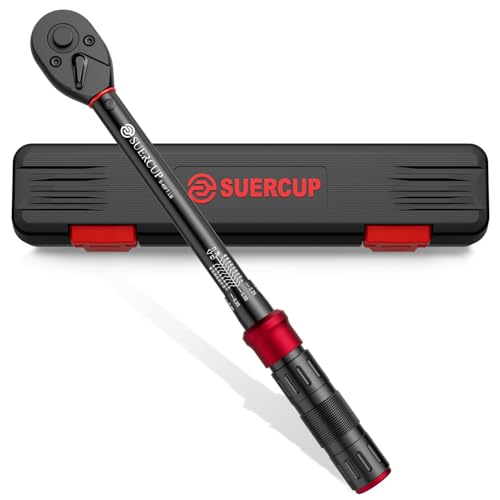
High Precision and Quick Reading: 3/8 torque wrench has high contrast and dual range scale( 5-45 Ft-Lb/6.8-61 Nm),making it clear and easy to read. We have professional torque wrench production technology, and after 20000 tests, the calibration error range of the torque wrench is around 3%, making it an essential helper for you
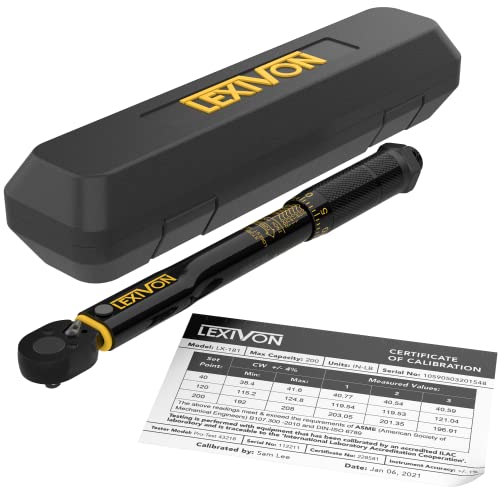
PRECISION & RELIABILITY - Manufactured in Taiwan and pre-calibrated to an accuracy of +/- 4%, ensuring dependable results. Includes a calibration certificate with a traceable serial number, so you can trust in the precision of every use.

【9-in-1 Torque Solution】Complete set includes 1/4", 3/8", and 1/2" drive click torque wrenches plus 6 essential adapters (extension bars, universal joint, drive adapters) securely stored in a sturdy portable case.
Step-by-Step Guide to the Break-In Period
Following the right steps during the break-in period of a rebuilt transmission ensures the vehicle returns to optimal performance without causing undue stress on the new components. This guide walks through each phase, highlighting crucial actions to take.
Recommended Products
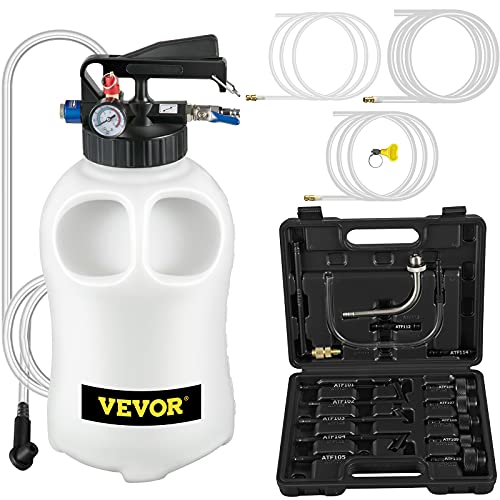
10L Large Capacity: Our pneumatic ATF pump has a 10L large capacity. It provides an easy way to extract and dispense transmission fluid quickly and cleanly. It's an ideal tool for oil replacement.

TRANSFER FLUID SMOOTHLY - Thorstone syringe style fluid evacuator comes with 0.24" OD and 0.32" OD extension tubes, up to 40 cm when connected, long enough to reach hard-to-reach locations for extracting and changing transmission fluid, power steering fluid, gear oil, anti-freeze and brake fluid.

Hands-Free Oil Change at Home: Electric oil extractor pump removes oil through dipstick tube — no hand pumping, no crawling under vehicle, no messy drain pans.
Initial Start-Up
Begin by starting the engine and allowing it to idle for several minutes. During this phase, maintain a keen eye on the dashboard gauges and lights for any signs of immediate problems. It’s vital that the transmission fluid circulates properly and the engine reaches a stable operating temperature. Avoid revving the engine excessively; gentle and steady is our mantra here.
Short Drives: The First 100 Miles
For the initial 100 miles, limit driving sessions to short distances, ideally under 15 miles at a time. Keep speeds below 45 mph to minimize the stress on the transmission. These short drives allow the newly installed components in the rebuilt transmission to settle in under operational conditions without overwhelming them. Apply smooth acceleration and deceleration throughout, avoiding aggressive driving actions such as hard stops or rapid acceleration.
Monitoring Transmission Fluid Levels
Regularly check the transmission fluid level and quality after every few short drives. Proper fluid levels are imperative for the transmission’s performance and longevity, especially during the break-in period. Look for signs of contamination or metal particles in the fluid, which may indicate an issue needing immediate attention. Remember, maintaining the correct fluid level ensures adequate lubrication and cooling of the transmission components.
Increasing Distance Gradually
After surpassing the initial 100 miles without issues, gradually extend the driving distance and introduce higher speeds. This progression should be staged carefully over the next several hundred miles. Incremental increases in distance and operational speeds allow the transmission to adjust under varying stresses. Continue to monitor the fluid levels and vehicle performance attentively throughout this stage.
By adhering to these guidelines during the rebuilt transmission break-in period, we guide the transmission through its critical early stages, setting the foundation for its reliable function in the many miles that follow.
Tips for a Successful Break-In Period
Navigating through the rebuilt transmission break-in period requires careful attention and specific practices to ensure everything runs smoothly. Here, we provide expert tips that guarantee a successful break-in period for your vehicle’s transmission.
Recommended Products

GlowShift Tinted 7 Color Series Transmission Temperature Gauge is Designed to Monitor & Display the Fluid Temperature Running Through Your Truck's Transmission & Help Prevent Overheating

GlowShift 10 Color Digital Series Transmission Temperature Gauge is Designed to Monitor & Display the Fluid Temperature Running Through Your Truck's Transmission & Help Prevent Overheating

GlowShift Transmission Pan & Oil Pan Temperature Sensor Thread Adapter Kit Allows Users to Install a Temperature Sensor to Transmission Pan or Oil Pan - Also Functions as a Drain Plug if Used Without Temp Sensor
Keeping Speeds Variable
Maintaining variable speeds is essential during the initial 500-mile break-in period. Avoid sticking to one speed for prolonged periods, especially on highways. Incorporating a mix of speeds helps the various components of the transmission to adjust and wear in uniformly. Think of it as a comprehensive workout for the transmission, engaging different gears and ensuring all parts mesh well together.
Avoiding Heavy Loads
Putting too much strain on a recently rebuilt transmission can lead to premature wear and potential damage. During the break-in period, avoid towing or carrying heavy loads that can stress the transmission. This practice allows the transmission to adapt without the added pressure of heavy lifting.
When to Shift Gears
Being mindful of when to shift gears plays a pivotal role during the break-in period. For vehicles with manual transmission, shift gently and avoid high RPMs to let the gear synchronizers adjust smoothly. For those with automatic transmissions, it’s beneficial to occasionally manually select lower gears through slower speeds to ensure all gear settings engage properly. This method promotes even wear across all gears, contributing to a longer-lasting rebuilt transmission.
By following these tips, you optimize the adjustment phase of your rebuilt transmission, paving the way for enhanced performance and durability.
Troubleshooting Common Issues
After adhering to the initial guidance on the rebuilt transmission break-in period, drivers may still encounter some issues. Let’s dive into common problems and how to address them.
Recommended Products

Backward compatible with previous Dexron automatic transmission fluids and can be used as a much-improved replacement for older vehicles/transmissions originally using previous Dexron fluids

The exact original equipment manufacturer fluid that your vehicle came with; use where nissan cvt ns-3 fluids are required in nissan, infiniti, and other make vehicles

AGL Advantage: Polaris AGL Full Synthetic Automatic Gearcase Lubricant and Transmission Fluid is specially formulated for use in the severe operating loads and temperatures associated with extreme duty ATVs and UTVs, such as RANGER and RZR.
Slipping Gears
Slipping gears manifest as a hesitation or delay during gear changes. This symptom might occur despite a careful break-in period for a rebuilt transmission. To address slipping gears, check the transmission fluid level first. Incorrect fluid levels can cause slipping. Additionally, if the fluid is at the correct level, consult a technician. They can determine if the issue stems from improper installation or adjustment during the rebuild process.
Unusual Noises
Unusual noises, such as whining, clunking, or humming, can arise after a transmission rebuild. These sounds often indicate that certain components may not be properly seated or there might be an issue with the transmission fluid. Firstly, verify the type and level of fluid used. Using the wrong type of transmission fluid can cause damage and lead to noise. If the fluid type and level are correct, the noises could be due to loose parts or misalignments. In this case, a return visit to the technician is advisable for further inspection.
Leaks and Fluid Level Drops
Leaks and subsequent fluid level drops are critical issues that need immediate attention. These can significantly affect the performance of a rebuilt transmission and negate the efforts of observing a proper break-in period. Spotting red fluid under your vehicle is a clear sign of a transmission fluid leak. Address leaks promptly by checking the tightness of the transmission pan bolts and the condition of the seals and gaskets. If tightening the bolts does not solve the problem, it might be necessary to replace the seals or gaskets. Always ensure to refill the transmission fluid to the recommended level after any leak repair.
Conclusion
We’ve walked through the essentials of navigating the break-in period for a rebuilt transmission. It’s clear that patience and attentiveness go a long way in ensuring the longevity and efficiency of your car’s newly rejuvenated heart. Remember to treat it with care, keep an eye on its performance, and don’t hesitate to reach out for professional advice if something seems off. With these practices in place, we’re confident your vehicle will thank you with miles and miles of smooth driving. Here’s to hitting the road with confidence and a transmission that’s as good as new!
Related Posts:
Recommended Products

Size is 3/4 inch x 7-1/2 inch x 15-7/8 inch

Vehicle Application - Wire Pigtail Transmission Range PRNDL Sensor Switch Kit Compatible with GM 4-speed Automatic 4L60e 4L65e 4L80e 1995 to 2004
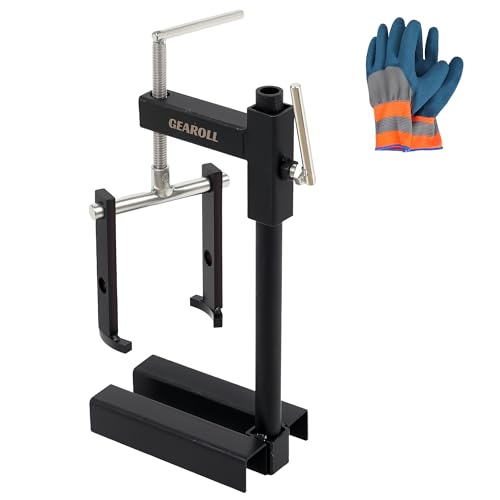
Wide Application – For use on universal transmissions and will fit most common clutch drums up to 6" in size. Compatible with Chrysler, GM, Turbo, also fits for Ford. To check more applicable models, please refer to the description below.