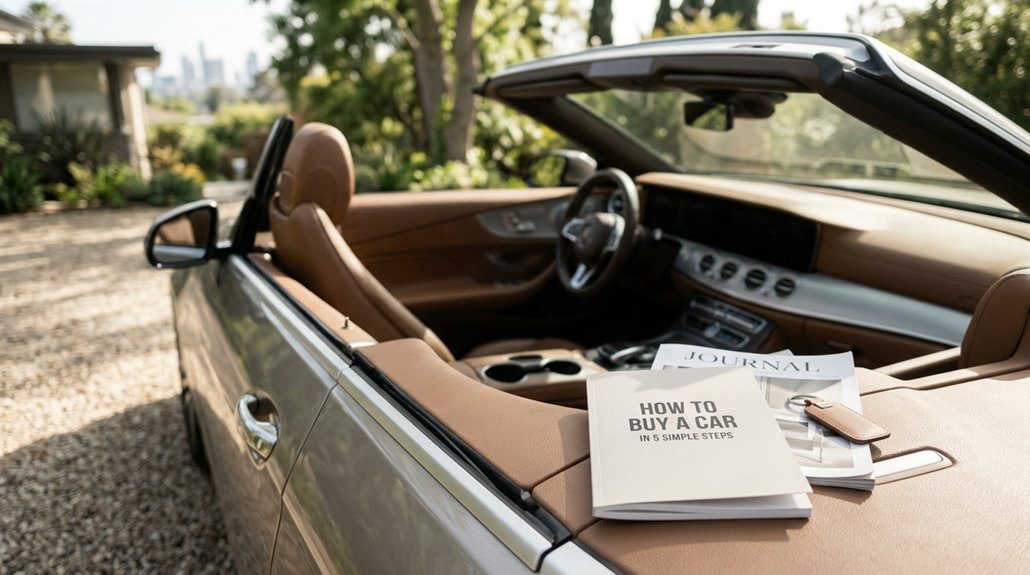
I’ll walk you through buying a car without the usual headaches, even if you’ve never done this before.
First, I get brutally honest about what I actually need: seats, cargo space, fuel type, and a realistic budget that covers taxes, insurance, and maintenance.
Then I secure pre-approval, check my credit, and decide between buying for long-term equity or leasing for lower monthly payments.
I research models, compare specs, pull quotes, and build a short list.
I test drive the exact vehicle, inspect everything, and negotiate based on total cost.
Finally, I complete the purchase and budget for real ownership costs. The trick is knowing which steps save thousands, and which hidden fees to watch for.
Start Your Car Buying Journey: Define Needs and Budget
Where do you even begin when every car lot feels like a maze of shiny distractions? I start with a needs assessment that cuts through the noise. I list my essentials: seating for five, cargo space for weekend gear, or towing capacity for a small trailer. Then I add my wants, like stability control and a solid infotainment system.
Next, I set a realistic budget that covers more than the sticker price. I factor in taxes, fees, insurance, and fuel. I research actual transaction prices against MSRP using Kelley Blue Book. I compare my top picks side-by-side, weighing standard versus optional features.
Most importantly, I calculate total cost of ownership, including depreciation and maintenance, so I’m not caught off guard later.
Recommended Products

RESERVED OPENING HOLES FOR HEADREST COVERS. Easy to install and use. Package Size: 15.74inch*11.81inch *3.93inch Weight:1.3LBS Per Package,2pcs Items Included.

This Graco booster seat helps safely transport your big kid from ages 4 -10, from 40 - 100 pounds and up to 57 inches tall

MOST CAR OWNER'S OPTION WITH THE LUXURY PU LEATHER. Package Size: 15.74inch*11.81inch *3.93inch Weight:4.4LBS Per Package,11PCS Items Included. . One Set Package Including:2 front seats covers,2 backrest covers, 1 rear backrest cover, 1 rear bottom bench cover, 5 separate headrest covers, One bag of clips.
Get Pre-Approved and Choose: Buy or Lease?
How do I lock down financing before stepping onto the lot and getting distracted by paint colors I didn’t even want? I start with pre-approval. I check my credit score first, since higher scores mean lower interest rates and smaller monthly payments. I use online loan calculators to test what I can actually afford.
Now I face the real decision: buy or lease? If I want long-term savings and ownership, buying builds equity despite higher upfront costs. If I prefer driving new cars every few years and stay under 15,000 miles annually, leasing provides lower monthly payments but hits me with mileage limits and wear-and-tear charges. I gather price quotes from certified dealers and compare total cost, not just monthly payments, to choose what truly fits my life.
Recommended Products

STURDY SPACE SAVING STORAGE: unlike other brands, our organizer is constructed with thick corrugated plastic panels instead of cardboard; these are stronger and more rigid; protecting against spills and water damage for long lasting use; third party tested to hold up to 60 pounds

[STURDY & DURABLE]: This car trunk organizer is made of durable oxford polyester fabric, can be used for a long time. It measures 22.8" L x 15.7" W x 11" H when fully unfolded. You can use this car organizer and storage to store enough groceries

Trusted Rubbermaid Quality & Durable Storage – From a brand with over 90 years of expertise, this Rubbermaid trunk storage tote combines reliability and smart design to keep your car neat, tidy, and clutter-free. Perfect for auto trunk storage organizer needs.
Research Cars to Buy: Compare Models, Specs, and Prices
Why wander onto a lot blind when I can arm myself with data first? I research models, price ranges, and safety ratings before I ever contact a dealer. This prep work puts me in control and saves me from buyer’s remorse.
Knowledge is my leverage, and it belongs to anyone willing to put in the effort.
Here’s how I narrow my options:
- I compare fuel efficiency, safety scores, and resale values side by side
- I use online tools to pull upfront price quotes from certified dealers
- I review standard versus optional features to see how packages shift total cost
- I build a short list based on my lifestyle needs: capacity, towing, safety tech
- I verify in-stock vehicles that actually fit my budget before visiting
I won’t test drive or negotiate until I’ve done this homework. Knowledge is my leverage, and it belongs to anyone willing to put in the effort.
Recommended Products

Hitch Wiring for Select Subura: This custom 4-way flat vehicle side forester trailer hitch tow wire is designed for 2009 - 2024 Subaru Forester, 2013 - 2024 Subaru Outback Wagon (Excluding Hybrid), 2019 - 2024 Subaru Ascent, 2016 - 2024 Subaru Crosstrek (Excluding 10-12 Outback Sport), 2013 - 2015 Subaru XV Crosstrek (non-Hybrid models) 4-Pole Flat Trailer Connector for select Subaru vehicels with Factory (OEM) tow package

RELIABLE PROTECTION. This dust cover is the ideal way to protect your 4-way flat vehicle connector when not towing. It protects the wiring terminals against dirt, water, debris and rust to maintain a strong, long-lasting connection
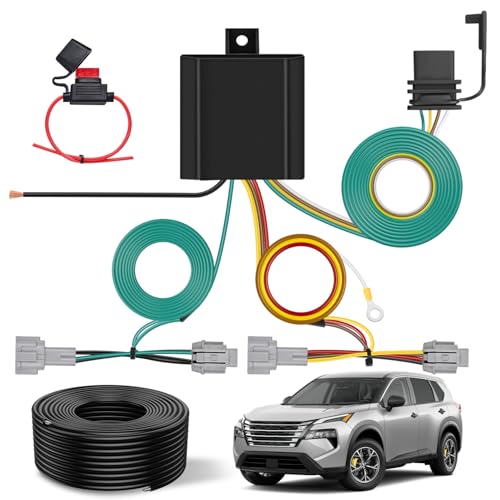
VEHICLE-SPECIFIC: This vehicle-trailer wiring harness is designed for 2021-2025 Nissan Rogue. OEM-compatible connectors to plug into your vehicle's wiring harness, located behind the driver and passenger side taillight housing.
Test Drive, Inspect, Then Negotiate the Price
When I’m ready to buy, nothing beats putting my hands on the wheel and my foot on the pedal. I always test drive the exact vehicle I’m considering, not a similar model. I check acceleration, braking, steering response, visibility, and comfort for everyone riding along. I listen for odd noises, test the AC, radio, windows, mirrors, and watch for warning lights.
For used cars, I dig into maintenance and accident history. I pull a CARFAX report to verify records and spot red flags. I compare standard versus optional safety features side by side, since these affect value and long-term costs.
Once I’m satisfied, I begin price negotiation only after confirming I’m ready to walk away. I never sign until I’ve validated the total cost, including taxes, fees, and add-ons.
Recommended Products

CEL Doctor: The ANCEL AD310 is one of the best-selling OBD II scanners on the market and is recommended by Scotty Kilmer, a YouTuber and auto mechanic. It can easily determine the cause of the check engine light coming on. After repairing the vehicle's problems, it can quickly read and clear diagnostic trouble codes of emission system, read live data & hard memory data, view freeze frame, I/M monitor readiness and collect vehicle information

【Diagnose Check Engine Light in Seconds – No Mechanic Needed】The FOXWELL NT301 OBD2 scanner instantly reads & clears engine fault codes (DTCs) with one click. Simply plug into the 16-pin DLC port, turn ignition on, and get accurate results within seconds—No prior car knowledge required. Save hundreds on dealership fees by knowing exactly what’s wrong before you visit a shop. The #1 choice car scanner for DIYers and car owners who want to take control of their vehicle’s health

UNDERSTAND YOUR CHECK ENGINE LIGHT – The ANCEL AD410 OBD2 scanner helps everyday drivers quickly read and clear engine-related fault codes, view code definitions, and understand why the check engine light is on before visiting a repair shop. With 42,000+ built-in DTC lookups, this car code reader helps reduce guesswork and makes basic vehicle diagnostics easier for beginners and DIY users
Complete the Purchase and Budget for Ownership Costs
Once I’ve shaken hands on the price, the real work begins: making sure this purchase doesn’t wreck my budget six months down the road.
I dig into budget planning by calculating total ownership costs before I sign anything. That means adding up insurance quotes, fuel estimates, maintenance schedules, registration fees, and depreciation hits, not just the sticker price.
I maximize my trade-in value by cross-checking Kelley Blue Book private-party numbers against dealer offers, sometimes selling separately to boost my down payment.
When reviewing financing options, I compare loan terms carefully; shorter periods mean higher monthly payments but way less interest paid overall. I also watch for hidden fees, mandatory add-ons, and sketchy extended warranties that inflate the deal.
- Calculate total ownership costs including payments, insurance, fuel, maintenance, and depreciation
- Maximize trade-in value using Kelley Blue Book private-party estimates
- Compare financing options and avoid extended loan terms
- Reject hidden fees, mandatory add-ons, and unnecessary warranties
- Revisit budget planning as new quotes and incentives arrive
Recommended Products
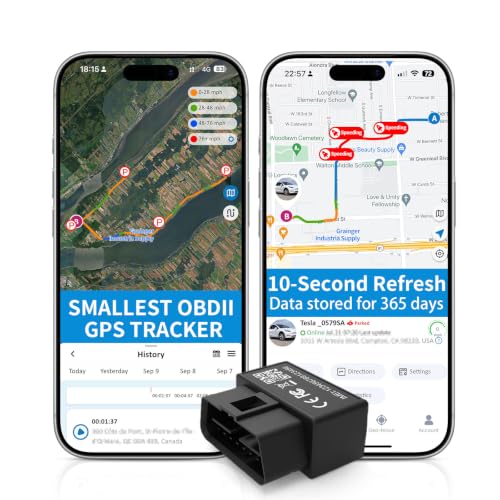
【5-day Free Trial】After the trial, continue subscription for $6.49/month with a 1-year plan ($77.88 total) or $8.99 month-to-month. SIM & data included.

Easy installation OBD port GPS Tracker for Cars and Trucks - Extension Cable Included - Location on Map, Address, Speed, Driving History.

Accurate, Discreet, Real-Time GPS Tracker with POWERFUL Twin Magnet Case.