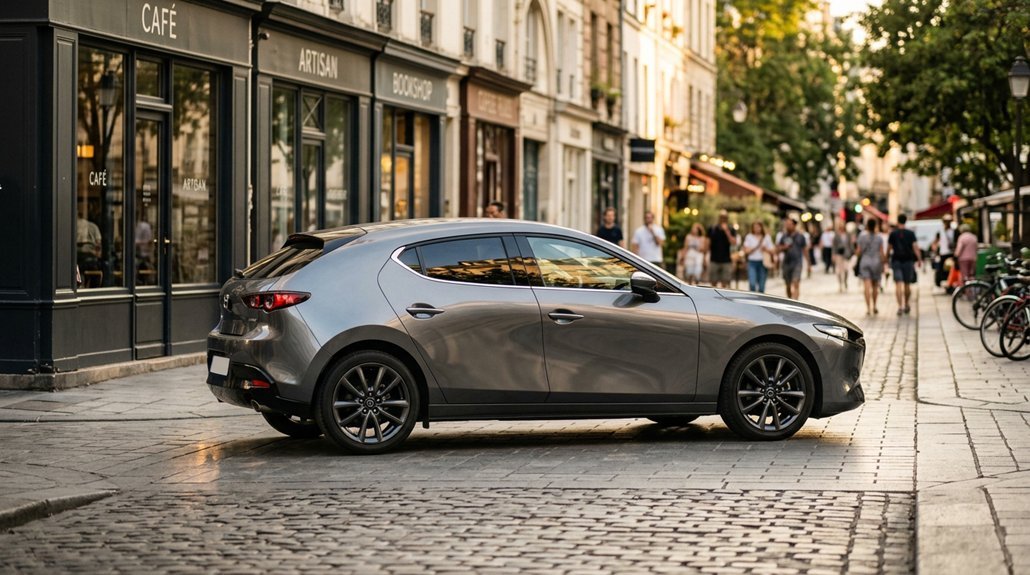
I’ve spent years test-driving sedans, SUVs, and coupes back-to-back, and I can tell you the differences hit you immediately. A sedan’s lower center of gravity gives you sharper cornering and 3-5 mpg better efficiency than most SUVs, while coupes sacrifice rear headroom and trunk access for that sharp roofline. SUVs? You sit higher, haul more, and tackle snow without flinching, but you pay at the pump and in parking tight spots.
The real question isn’t which body style looks best on paper; it’s which one you’ll still enjoy after the 200th commute. I’ll break down exactly how to match your actual daily grind to the right choice.
Sedan vs. SUV vs. Coupe: How Body Styles Change Space, Handling, and Fuel Economy
How do you actually choose between a sedan, SUV, and coupe when they all claim to do everything well? I’ve driven enough of each to know the differences matter more than marketing suggests.
A sedan gives you lower seating position, better fuel economy, and balanced handling. You’re sitting closer to the road, which feels connected. The Honda Accord proves mid-size sedans can provide rear-seat space without sacrificing driving enjoyment. Full-size sedans trade maneuverability for flagship comfort.
An SUV raises you, literally. That higher seating position improves visibility, and the cargo capacity beats most sedans hands-down. But you’re pushing more weight and air, so fuel economy suffers.
The coupe? It’s the body style for drivers who prioritize style and performance over practicality. Two doors limit versatility, but the handling rewards enthusiasts.
Pick based on what you’ll actually use daily.
Recommended Products

Anti-Slip Design-Heavy Nibbed Backing To Keep The Mats Securely In Place. Offer Protection for Your Car's Interior and Safety Features for You.

Anti-Slip Design-Heavy Nibbed Backing To Keep The Car Mats Securely In Place. Offer Protection for Your Car's Interior and Safety Features for You.
Crossovers and Coupe SUVs: When Marketing Blurs the Categories
Those clear distinctions I just laid out? They get messy fast. I’ve watched coupe SUVs and crossovers reshape what we call things, and honestly, it’s mostly branding.
Take a four-door coupe SUV. Same unibody platform as regular crossovers, same SUV practicality, same interior space, really. But that sloping roofline, that sportier styling, that’s what sells it. I’ve sat in back seats where headroom drops maybe an inch, cargo shrinks slightly, yet automakers charge more for the “coupe” label.
The marketing blur works because we want style without sacrifice. These vehicles drive like cars, provide car-like handling, but look aggressive. Body-style definitions loosen when buyers respond.
My advice? Ignore the badge. Check measurements, test rear headroom, verify cargo fits your gear. The coupe SUV trend prioritizes aesthetics, but smart shoppers verify performance matches the promise.
Recommended Products


[ORGANIZE YOUR CAR TRUNK]: When you open the trunk after grocery shopping, you definitely don't want to have a mess of groceries splattered around the trunk. Our trunk organizer is secured with Velcro. It does a great job of helping you organize groceries

Trusted Rubbermaid Quality & Durable Storage – From a brand with over 90 years of expertise, this Rubbermaid trunk storage tote combines reliability and smart design to keep your car neat, tidy, and clutter-free. Perfect for auto trunk storage organizer needs.
Match Your Lifestyle to the Right Body Style (Family, Commute, or Weekend Drive)
Where exactly does your daily routine take you? I match body style names to real needs, not showroom fantasies.
For family duty, I recommend mid-size sedans like the Honda Accord or Toyota Crown. They provide generous rear seating, expanded cargo space, and the flexibility to handle school runs without punishing fuel bills. The ride stays balanced, never floaty.
My commute choice? Compact sedans, specifically the Honda Civic. They’re space-efficient, sip fuel, and maintain engaging dynamics at a reasonable price point. I appreciate not fighting for parking.
Weekend drive enthusiasts should consider sport sedans like Cadillac’s CT4 or CT5 V-series. These pack genuine power and sharp handling without becoming garage queens.
Need maximum practicality? SUVs dominate for good reason: higher seating positions, flexible cargo arrangements, and all-weather confidence. Your lifestyle dictates the winner.
Recommended Products

Designed for use on sports cars and performance oriented coupes and sedans in warmer weather conditions

Designed for use on sedans in dry, wet, and light winter weather conditions

Fuel saving tread compound: The LS388's advanced tread compound reduces rolling resistance, which helps boost your vehicle’s fuel efficiency and reduce exhaust emissions