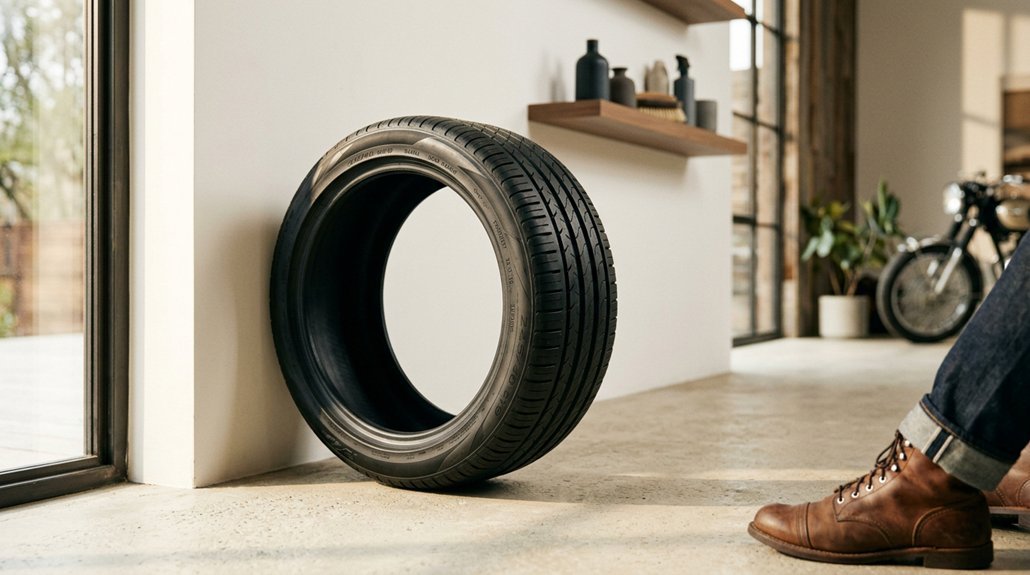
I recently learned that a single tire can cost anywhere from $50 to over $1,000, which explains why so many drivers feel sticker shock at the shop. Most of us end up spending $115 to $320 per tire, or $460 to $1,280 for a full set before installation even enters the picture.
Size drives a lot of this. 12 to 15 inch tires run $50 to $150 each, while 18 to 26 inch models jump to $140 to $500 or more. Season matters too. All-season tires sit at the budget end; winter and performance versions demand pricier compounds and construction.
Installation tacks on $50 to $300 more, plus $2 to $10 per tire for disposal. Here’s the catch: most people replace tires reactively rather than strategically.
What You’ll Pay: Tire Costs Per Tire, Per Set, and Installed
How much will you actually shell out when it’s time to replace your tires? I’ve tracked tire price ranges across dozens of shops, and here’s what you’re really looking at.
Individual tires typically run $50 to $1,000+, but most drivers land between $115 and $320 per tire. For a complete set, expect roughly $460 to $1,280 before installation.
Installation labor adds another $50 to $300 depending on your region and shop. I always budget for disposal fees too, usually $2 to $10 per tire. All-season options keep costs down, while winter or performance compounds demand higher-priced rubber. Watch for promotions and bundled warranties; they cut real costs. Smart shoppers plan for two seasonal sets if winters hit hard where we live.
Recommended Products

Product Overview: The Fullway HP108 are 205/55R16 91V SL-Standard Load, 4 Ply Rated Performance Tires Manufactured For Passengers

How Tire Size Changes What You Pay
Why does a 16-inch tire feel like a bargain compared to its bigger brothers? I noticed this firsthand when shopping for my compact sedan versus my buddy’s lifted truck.
Tire size directly drives what you’ll shell out. Small wheels, 12 to 15 inches, typically run $50 to $150 per tire. Step up to mid-range sizes, 16 to 20 inches, and you’re looking at $100 to $400 each. Go big with 18 to 26-inch setups, prices jump to $140 to $500 or more.
Here’s what I’ve learned: larger tires demand more rubber, stronger construction, and complex engineering. Manufacturers pass those costs along.
If you’re running factory wheels, you probably enjoy reasonable replacement costs. But upsizing your wheels for style, brace your wallet. That tire size upgrade looks sharp, yet you’ll pay substantially more at every replacement cycle.
Recommended Products

Item Package Dimension: 30.0L x 30.0W x 10.0H inches
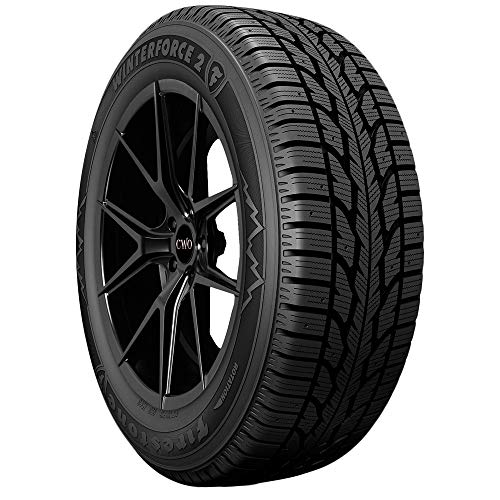
Built to Keep You Working Through the Winter

Three Peak Mountain Snowflake certified
Price Breakdown by Tire Type and Season
I want to break down exactly what you’ll pay for each tire type, since I’ve watched too many buyers get surprised at the register. All-season tires usually run $50 to $200 each, making them your budget-friendly baseline for year-round driving. Winter and summer tires jump to $100 to $400 per tire because they use specialized rubber compounds that grip better in extreme temperatures.
Performance tires and all-terrain models can hit $300 to $1,000+ each, but you’re paying for reinforced sidewalls, aggressive tread patterns, and compounds that won’t turn mushy when you’re pushing hard through corners or crawling over rocks.
Recommended Products

Versatile Compatibility: Designed for 20-inch x 4.0 fat tires, our AV Schrader valve inner tube is perfect for mountain bikes, gravel, city and electric bikes, offering seamless fit and functionality.

Product Overview: The Fullway HP108 is a 255/50R20 109V XL-Extra Load, 4 Ply Rated Performance Tire Manufactured For Trucks & SUVs

Bike Tires Size: 20 inch bike tire,suitable for wheel diameter: 20 inches,ETRTO:57-406,PSI:40.Suitable for tire: 20 x2.1/2.125 inch..Please verify your current tire size before purchasing to ensure optimal performance and safety for your specific model.
All Season Price Points
When you’re staring down a full set of replacement tires, all-seasons usually provide the most wallet-friendly starting point across every major category. I’ve watched how tire prices vary dramatically based on wheel size, and all-seasons follow this pattern closely. For compact cars with 12–15 inch wheels, expect to pay roughly $50–$150 per tire. That’s your entry point into dependable year-round performance.
Step up to larger vehicles with 18–26 inch wheels, and prices climb to $140–$500 each. The range stretches wide, from budget brands to nicer options with longer tread life and better wet grip.
All-season tires typically run $50–$870 per tire before installation. Add $50–$300 for mounting, balancing, and disposal. For most drivers seeking practicality without seasonal swaps, this remains the smart money choice.
Winter and Summer Costs
How do winter and summer tires stack up against those all-season prices I’ve run through? Winter tires hit harder on your wallet, and I’ll tell you why that makes sense. Those specialized rubber compounds stay flexible when temperatures drop below 45°F, giving you grip that all-seasons simply can’t match in snow and ice. I’ve watched drivers learn this lesson the hard way.
Budget winter tires start around $60 per tire, but good models easily push past $200, especially for larger sizes. My 18-inch setup ran me about $180 each, and that was mid-range.
Summer tires? They actually rival all-season pricing, sometimes landing cheaper since you’re not paying for cold-weather engineering.
Don’t forget installation labor, typically $50 to $300 extra depending on your shop and whether you’re mounting a full set. Factor that in from day one.
Performance and Terrain Pricing
Where exactly does your money go when you step up to performance or all-terrain rubber? I’ve watched tire costs climb dramatically when you prioritize grip over grocery-getting duty.
Performance rubber commands higher pricing because engineers pack in stiffer sidewalls, stickier compounds, and speed ratings that laugh at highway limits. You’re paying for cornering confidence and wet-weather precision that standard all-seasons simply cannot provide.
All-terrain tires hit your wallet harder too, but for different reasons. Their aggressive tread patterns and reinforced casings withstand rocks, mud, and punishment that would shred passenger tires. The trade-off comes in road noise and fuel economy.
Size amplifies everything. I’ve priced 18-inch performance sets at $800–$1,200, while basic 15-inch all-seasons run half that. Your driving community, whether track days or trail runs, determines where your money works hardest.
Where to Find the Best Tire Deals
Why pay full price when I’ve tracked down tires for half what dealers charge? I’ve spent years watching tire price fluctuations, and I know exactly where savvy shoppers look.
Here’s my proven strategy:
- Online retailers like Tire Rack and Discount Tire Direct run seasonal promotions that slash 15-30% off, plus free shipping to local installers.
- Warehouse clubs such as Costco and Sam’s Club bundle installation, rotation, and road hazard protection, reducing your total outlay by $50-$100.
- Manufacturer rebates from Michelin, Goodyear, and Bridgestone stack with retailer discounts; I’ve seen $200+ savings on high-quality sets.
I always compare three quotes before buying. Factor installation costs upfront: some “cheap” tires become expensive when labor hits $80 per wheel.
Timing matters too; March and October bring aggressive clearance pricing as seasons shift.
Recommended Products

Sailun Terramax R/T 285/45R22XL 114Q BSW

Product Overview: The Venom Power Terra Hunter X/T is a 285/45R22 114T XL-Extra Load, 4 Ply Rated Extreme Terrain Tire Manufactured For Trucks & SUVs
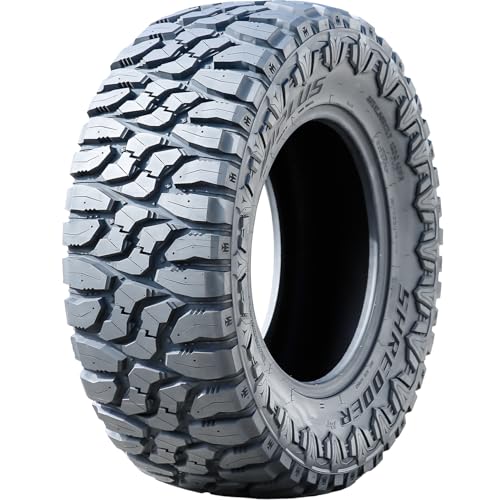
Aplus Shredder M/T Mud Terrain LT33/12.50R22 109Q E Light Truck Tire
How Many Tires to Replace: 1, 2, or All 4?
I’ve spent enough time in tire shops to know the “how many” question trips up a lot of drivers, and the answer really depends on your vehicle’s drivetrain, your current tread depth, and how much you’re willing to spend for balanced handling. Most mechanics will push for four new tires on all-wheel-drive systems, since even a 2/32-inch difference in circumference can strain the differentials.
I’ve seen two-tire swaps work fine on front-wheel-drive commuters when the old rubber still has decent life. I’ll break down the specific scenarios where one, two, or four replacements make sense, and flag the stability risks you need to watch for.
Recommended Products

Product Overview: The Atturo AZ610 is a 265/75R16 116T SL-Standard Load, 4 Ply Rated Touring Tire Manufactured For Trucks & SUVs

Country of Origin : United States
Product Overview: The Fullway HP108 is a 225/60R16 98H SL-Standard Load, 4 Ply Rated Performance Tire Manufactured For Passengers
When to Replace One
How many tires should you actually replace when one goes bad? I’ve found it’s trickier than you’d expect, and getting it wrong costs more later.
You can replace just one tire if your others are nearly new, specifically under 30% wear. Here’s when single replacement works:
- Your damaged tire has 5,000 miles or less, matching tread depth within 2/32 of siblings
- You drive a front-wheel-drive car, and the flat was on the rear axle
- The penny test shows full tread on your remaining rubber, heads buried deep
But here’s what I’ve learned checking tires cost: shops often push pairs because mismatched rolling resistance strains your drivetrain, especially on all-wheel-drive vehicles where uneven diameters create binding, heat, and premature differential failure.
Always verify tread depth across all four before deciding solo versus double replacement.
When to Replace Two
Where exactly does replacing two tires make sense instead of all four? I’ve found it works on front-wheel or rear-wheel drive vehicles when my other two tires still have decent tread depth and similar wear patterns. If my tires last roughly the same duration, I can swap just the pair on the drive axle and maintain balanced handling without breaking the bank.
I always check the remaining tread, typically 4/32 inch or more on the older pair, before choosing this route. For AWD or 4WD vehicles, I’d avoid two-tire replacement unless they’re nearly new, since uneven rollout stresses the drivetrain.
Matching brands and models matters here; mixing compounds creates grip inconsistencies I’ve felt during hard braking in wet conditions. Most drivers play it safe with four, but when my tread depths align and budget’s tight, two keeps me rolling confidently.
When to Replace Four
While swapping two tires works in some situations, there are clear cases where replacing all four is the smarter move. I’ve seen too many drivers compromise their safety by mixing worn and fresh rubber. When your tread depth drops below 2/32 inch, you’re gambling with longer stopping distances and sketchy traction.
Here’s when I go all-in on four tires that fit:
- You drive AWD or 4WD, where uneven diameters strain your drivetrain and trigger warning lights.
- All your tires show cracks, bulges, or uneven wear patterns, signaling they’ve aged out together.
- Your penny test reveals shallow tread across the board, meaning balanced handling demands a full set.
I won’t install mismatched tires on my own vehicle. For confident cornering and predictable braking, four matched tires provide the performance and peace of mind I’m after.
Installation Fees: What’s Included and What’s Extra
Why does one shop quote $50 for installation while another demands $300? I’ve learned installation fees depend on what’s bundled in. Basic mounting and balancing might run $15-25 per tire at a discount chain, while full-service shops include alignment, TPMS reprogramming, and road hazard protection in that higher price.
I always ask for an itemized quote before committing. Some retailers separate mounting, balancing, and old tire disposal, each adding $10-20. Others roll everything together.
Watch for promotions: buying a full set often waives installation fees entirely, saving you $100+. Alignment adds $75-150 but prevents uneven wear. TPMS service runs $5-15 per sensor. Skip road hazard protection if your credit card already covers it. Prices vary by location, so I phone two shops minimum.
When Your Current Tires Need Replacement
How do I know when it’s time to pull the trigger on new rubber? I watch for three clear signals that my tires cost me more if I ignore them:
- Tread depth drops below 2/32 inch, the legal minimum in most states
- Sidewalls show cracks, bulges, or I’ve hit potholes hard enough to damage internal structure
- My ride feels rougher, louder, or I notice longer stopping distances in wet conditions
I check my odometer too. All-season tires typically carry me 55,000–85,000 miles, while performance rubber might only last 3–4 years regardless of mileage.
When I spot these warning signs, I start budgeting immediately. Smaller tires (12″–15″) run me $80–$150 each, but my larger 18″+ wheels demand $140–$500 per tire. Planning ahead keeps me from sticker shock at the shop.
Recommended Products
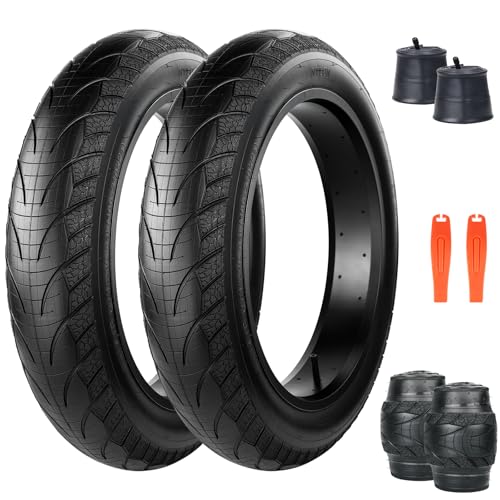
✅EXTREME DURABILITY:This 20 x 4 fat tire is designed for rolling speed and minimal drag on hard-pack or paved terrain.Navigate every riding surface with ease and confidence, ensuring a robust and reliable ride across all terrains.

Product Overview: The Fullway HP108 is a 275/40R20 106V XL-Extra Load, 4 Ply Rated Performance Tire Manufactured For Trucks & SUVs
Product Overview: The Fullway HP108 is a 245/50R20 102V SL-Standard Load, 4 Ply Rated Performance Tire Manufactured For Trucks & SUVs
How Long New Tires Last (So You Can Calculate Value)
Once I’ve budgeted for new tires, I want to know exactly what I’m getting for my money. Understanding tire lifespan helps me calculate true value, not just sticker price.
Most new tires last about six years. All-season options typically provide 55,000 to 85,000 miles, roughly four to six years of regular driving. Performance tires wear faster, usually needing replacement every three to four years due to softer compounds and aggressive tread patterns.
Here’s something many drivers miss: all tires expire ten years from manufacture date regardless of remaining tread depth.
My driving habits directly impact longevity. High mileage, rough roads, and extreme temperatures shorten life. Simple maintenance, rotations every 5,000 to 8,000 miles, and proper inflation add approximately 4,700 miles. That extra distance transforms a decent purchase into genuine value.
Recommended Products

AGGRESSIVE HYBRID TRACTION – Large interlocking tread blocks and deep void design deliver enhanced grip on dirt, gravel, sand, and loose terrain while maintaining stability under load.

Product Overview: The Venom Power Terra Hunter X/T is a 33X12.50R22 109R E 10 Ply Rated Extreme Terrain Tire Manufactured For Light Trucks

Product Overview: The Venom Power Terra Hunter R/T+ is a 33X12.50R22 114Q F 12 Ply Rated Rugged Terrain Tire Manufactured For Light Trucks
How to Save on Tire Costs: Rebates, Price Matching, and Timing
Where exactly should I spend my tire budget when a single tire costs anywhere from $50 to over $1,000? I’ve learned that smart timing and research stretch my dollar without sacrificing safety or performance.
Here’s how I consistently cut costs:
Here’s how I consistently cut costs on tires without compromising safety or performance.
- Stack rebates: I watch for manufacturer rebates, especially during spring and fall, when brands compete hardest. I’ve saved $80–$150 per set combining mail-in rebates with store promotions.
- Price match aggressively: I bring competitor quotes to local shops. Most retailers match or beat prices, and I get professional installation without shipping hassles.
- Buy off-season: I purchase winter tires in March, all-season in October. Demand drops, prices follow.
Size matters too. I stick to 16–17 inch wheels when possible, avoiding the 20+ inch markup. My last set, four mid-range all-seasons, ran $580 installed. Solid value, zero regrets.
Recommended Products
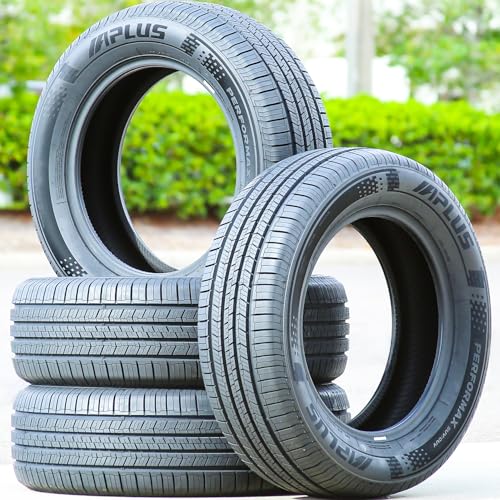
Product Overview: The Aplus Performax SUV/CUV are 235/70R16 106H SL-Standard Load, 4 Ply Rated Highway Tires Manufactured For Trucks & SUVs

Product Overview: The Evoluxx Capricorn 4X4 HP is a 235/70R16 106H SL-Standard Load, 4 Ply Rated Performance Tire Manufactured For Trucks & SUVs
