
I’ve spent years testing both diesel and gas trucks on job sites, highways, and mountain grades, and the theory that diesel always wins for heavy hauling holds up, mostly.
What actually matters is how you’ll use the truck day-to-day, not just max tow ratings on paper.
The real differences come down to torque curves, fuel costs, maintenance headaches, and whether you can stomach the $10,000+ diesel premium upfront.
Match Your Workload: 5 Questions to Choose Diesel or Gas
How do I know which engine fits my actual work? I’ve learned to start with the load I’ll actually haul, not the fantasy loads I imagine.
Diesel produces massive torque down low, perfect for crawling with heavy trailers or steady grades where you need pulling power without revving hard. For long highway hauls at steady speeds, diesel fuel economy rewards you at the pump over time. But I pay more upfront, and I’ve seen repair bills sting when specialized shops aren’t nearby.
Gas trucks respond faster when I need to merge or accelerate in traffic, and I appreciate how many mechanics know their way around a small-block. Lower curb weight often means more payload capacity too, which matters when I’m loading bed-heavy rather than trailer-heavy.
Count your typical miles, your typical loads, and your local fuel prices. That math reveals which camp you actually belong in.
Recommended Products

800A HEAVY-DUTY CCA – Features 50% more conductor than standard 4GA cables. Supports powerful 800A current for reliable engine starts.
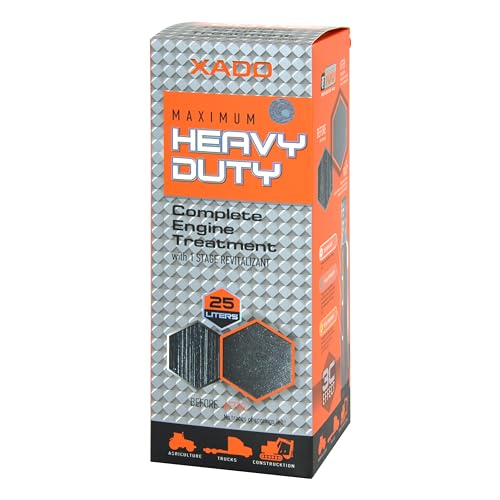
MAXIMUM ENGINE WEAR PROTECTION - Advanced Atomic Metal Conditioner with REVITALIZANT forms a durable ceramic-metal layer on engine parts to reduce friction, minimize wear, and help protect heavily loaded diesel and commercial engines.

Secure Connection: This trailer hitch cover is compatible with most standard 2-inch receivers, ensuring a secure connection and reliable locking. The 5/8-inch diameter hitch lock boasts a sturdy construction to withstand strong external impact and effectively resist violent unlocking
Towing, Acceleration, and Daily Driving: Where Diesel and Gas Trucks Excel
I’ve spent enough time hauling trailers and merging onto interstates to tell you that diesel and gas trucks feel like completely different machines when you’re working them hard. Diesels pull like freight trains from idle thanks to that low-RPM torque, but I’ve watched gas V8s walk away from them at green lights and pass with less drama when I’m running late.
You’ll need to decide whether your weekends involve 12,000-pound fifth-wheels or just quick trips to the lumber yard, because that choice changes everything about how your truck behaves.
Recommended Products

FORD 1936 Flathead V8 Car & Pickup Truck Owner's Manual

【Excellent Towing Power】- Shackle Hitch Receiver Set was made of high-strength drop forged steel, with a rated working load of 11,000 LBs and a breakpoint of 45,000 LBs, over double the weight of standard truck

1.5" Rear Lift Kit 2005 to 2018 compatible with model F250 F350 Super Duty
Towing Performance
Power delivery starts where the pavement meets the load, and this is where diesel and gas trucks tell very different stories. When I hook up heavy trailers, I feel the diesel’s torque advantage immediately. Low-RPM pulling power lets me start 12,000-pound loads without drama, maintaining steady momentum with minimal throttle. That’s diesel’s sweet spot: heavy towing with less strain.
For lighter duties, gas engines hold their own. I find they balance payload and trailer weight more gracefully when I’m hauling weekend toys rather than construction equipment. The torque gap matters less here, and the gas truck’s simpler power delivery feels more predictable for daily hauling.
My takeaway: Choose diesel torque for maximum towing; gas for versatility across lighter, varied tasks. Match your truck to your actual trailer weight, not your ego.
Acceleration Comparison
Hit the gas in a diesel and you feel torque shove you forward before the turbo even spools all the way up. That low-end grunt makes diesels unbeatable when you’re hauling heavy trailers from a dead stop. The acceleration stays steady even under max load because the torque holds strong at low RPM.
But here’s where gas trucks fight back. In daily driving, I’m reaching 60 mph quicker in most gas configurations thanks to lighter weight and sharper throttle response. There’s less turbo lag, less noise, and a smoother feel at highway speeds.
For towing, I’ll take the diesel’s sustained pull every time. For commuting and empty-bed sprints, gas wins. Check the specs, match your real workload, and you’ll pick the right tool.
MPG, Range, and What You’ll Actually Spend Per Mile
How much fuel can you expect to burn when you’re hauling 12,000 pounds up a mountain pass, or cruising empty across three states? I’ve tested both powertrains under identical loads, and the diesel consistently provides superior fuel economy when the work gets serious.
Diesel engines convert more thermal energy to motion, giving you better highway mpg and extended range between stops. Yes, diesel costs more per gallon, but the efficiency advantage often shrinks your cost per mile during heavy towing or cross-country hauls. Gas trucks sip less at the pump initially, yet their thirst spikes under load.
For high-mileage drivers pulling trailers regularly, diesel’s efficiency pays dividends. Match your engine to your actual workload, not your ego.
Recommended Products

Open a 3-3/8" dimension and 2-3/4" depth hole, put gauge into it and fasten

Improved Horsepower, Torque and Engine Efficiency

ENGINEERED POWER: State-of-the-art air filter media is designed to increase horsepower and acceleration as well as improve overall engine performance
Why Diesel Trucks Last Longer: and What That Means for Resale
Why do some trucks rack up half a million miles while others tap out at two hundred thousand? I’ve seen it firsthand: diesel durability comes down to heavier construction, thicker castings, and lower operating RPMs that simply wear slower over time.
Diesel engines use removable cylinder liners and strong pistons built for the long haul. I’ve watched properly maintained diesels push past a million miles, while high-revving gas engines show strain under identical loads. The torque advantage matters here, too. Diesels pull heavy trailers without screaming their internals to death.
That longevity translates directly to resale value. Buyers in vocational and towing circles know these trucks keep earning. When you’re ready to sell, that reputation for enduring performance puts real money back in your pocket.
Recommended Products

Applications: Compatible with Webasto Eberspacher Diesel Parking Heater Also Universal for Various More Gasoline Engines

EASY TO POUR GAS CAN – 5-gallon fuel container with additional rear handle for easy refilling of lawnmowers, chainsaws, yard tools, recreational vehicles, ATVs, motorcycles, and other gas-powered equipment
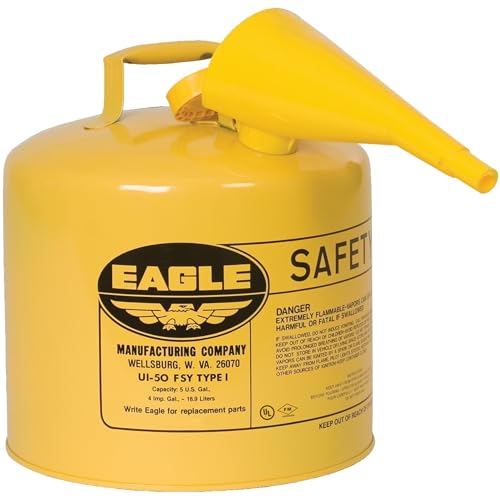
Fits Your Needs - Type I safety cans have a single opening for filling and pouring fluids. They are used to safely store, transport, and dispense flammable liquids.
Maintenance Reality: Costs, Parts, and Finding Technicians
Where does the real money go once you’re past the sticker price? Let me walk you through what I’ve learned about keeping these machines running.
Diesel maintenance hits differently. You’ll visit the shop less often thanks to heavier construction and fewer moving parts, but when things break, they break expensive. High-pressure injectors, turbochargers, and glow plugs cost serious money. That specialized diesel fuel system demands precise care.
Here’s where technician availability becomes your real headache. I’ve watched friends scramble to find someone qualified to touch their common rail system. Gas trucks? Any decent mechanic can handle them, parts sit on shelves everywhere, and diagnostic fees stay reasonable. Programs like UTI’s Diesel Technology prove my point: this skill set isn’t common.
Bottom line: diesels reward patience and deep pockets. Gas keeps life simpler.
Recommended Products

Diesel Truck Culture design.

Easily Diagnose Car and Truck Issues from Your Phone – Scan and identify 39,000+ issues across thousands of vehicles, from Check Engine lights to enhanced codes. Validate repairs or vehicle condition and reset codes without being an expert.
DEF Systems, Emissions Rules, and the Compliance Costs Nobody Mentions
You’ll need to factor in DEF fluid costs, because diesel trucks require that urea solution for their selective catalytic reduction systems, and I top off my tank every 3,000 to 5,000 miles depending on load and towing frequency. I’ve tracked my own compliance expenses, and between SCR catalysts, diesel particulate filter cleanings, and sensor replacements, you’re looking at $800 to $1,500 annually beyond standard oil changes if you drive mixed highway and short-trip urban cycles.
Gas trucks skip this complexity entirely, though you’ll trade some towing efficiency, so weigh those emissions-related ownership costs against your actual hauling needs.
Recommended Products
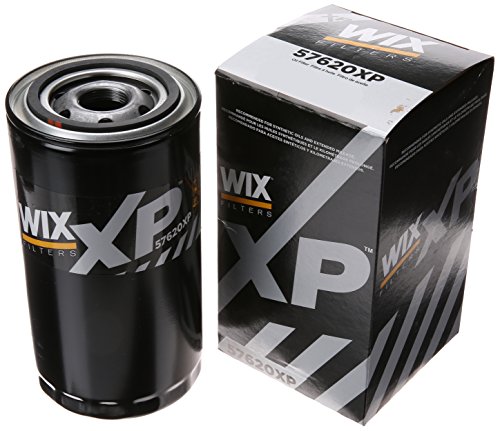
ENGINEERED FOR SYNTHETIC OILS: Superior filtration for severe conditions; Designed to handle the demands of synthetic motor oils in extreme driving conditions like towing, stop-and-go traffic, and long highway runs

Curt 15809 2-1/2" Receiver Class 5 CD Trailer Hitch

PERFECT VEHICLE FITMENT- Precisely engineered direct replacement for 2003-2007 Dodge Ram 2500 3500 w/ 5.9L 6.7L Cummins Engine Diesel; For 2003-2007 Dodge Chassis Cab w/ 6.7L Cummins Engine Diesel; For 2008-2009 Dodge Ram 4500 5500 w/ 6.7L Cummins Engine Diesel; For 2005-2006 Dodge Ram 4000w/ 5.9L Cummins Engine Diesel; matches OEM mounting holes, hose positions and outlet layout; cross-reference OE part numbers 2711 to avoid wrong purchase
DEF Fluid Basics
How exactly does a diesel truck clean up its act? It pumps DEF, a 32.5% urea solution, into the SCR system, where heat converts it to ammonia that neutralizes harmful NOx emissions into harmless nitrogen and water vapor.
You’ll burn roughly 2–5% DEF versus your diesel consumption, so plan on 2–5 gallons per 100 gallons of fuel. Storage matters: keep it capped, away from fuel and water, and between 12°F and 187°F to prevent freezing or spoilage.
Run dry and you’ll hear warnings fast. Many trucks limp into reduced power mode until you refill, protecting that expensive SCR hardware. It’s an extra fluid to track, another cap to check, but it keeps modern diesels compliant and running clean without gutting performance.
Emissions Compliance Costs
Why does nobody tell you the full price of that clean diesel badge? I learned the hard way that DEF refills hit every 3,000 to 7,500 miles, and that’s just the start. Your diesel needs diesel particulate filters, SCR systems, and factory-trained techs for diagnostics.
Emissions rules keep tightening, and warranty coverage shifts with them. Post-warranty repairs on dosing units, sensors, and filters? That’s on you. I’ve tracked ownership costs against gas trucks, and the gap widens over time. Fuel price swings, DEF logistics, and component failures add up fast.
If you tow heavy daily, the torque justifies the hassle. For weekend warriors, gas makes more sense. Know your real driving needs before you sign.
Ram, Ford, or Chevy: How Each Brand’s Diesel and Gas Options Compare
When I’m shopping for a heavy-duty truck, I want to know exactly what separates Ram’s Cummins, Ford’s Power Stroke, and Chevy’s Duramax before I sign any paperwork.
Ram’s Cummins diesel produces massive low-end torque for crawling up grades with heavy trailers. Ford’s Power Stroke pushes higher horsepower numbers for sustained highway towing. Chevy’s Duramax balances torque with refined reliability and smart trailer brake integration.
I’ve noticed gas engines in these trucks cost less upfront and accelerate quicker, but they can’t match diesel fuel economy or engine longevity under constant load. Diesel variants stretch miles per gallon and sustain torque when you’re hauling 15,000 pounds uphill.
Your local dealer network matters too. Ford, Ram, and Chevy each train technicians differently, and warranty terms vary. Pick the brand whose service center you’ll actually trust when something breaks at 2 AM on a job site.
Recommended Products

【Strong Load-bearing Capacity】- After testing, the breaking strength of our Recovery Tow Straps is 10,000LBS, and the normal working load capacity is 3,333LBS, which meets your daily

【Strong Load Capacity】After testing, the breaking strength of our Synthetic Soft Shackle is 56,000LBS and the normal working load capacity is 11,200LBS .Its safety design eliminates the risk of dangerous metal projectiles, offering a fundamentally safer alternative to steel shackles.

4-INCH DROP & 3-INCH RISE: Features a 4-inch drop and 3-inch rise configuration, allowing you to level your trailer with your tow vehicle for stable, safe towing. The 1-inch hole accommodates standard trailer balls for maximum compatibility