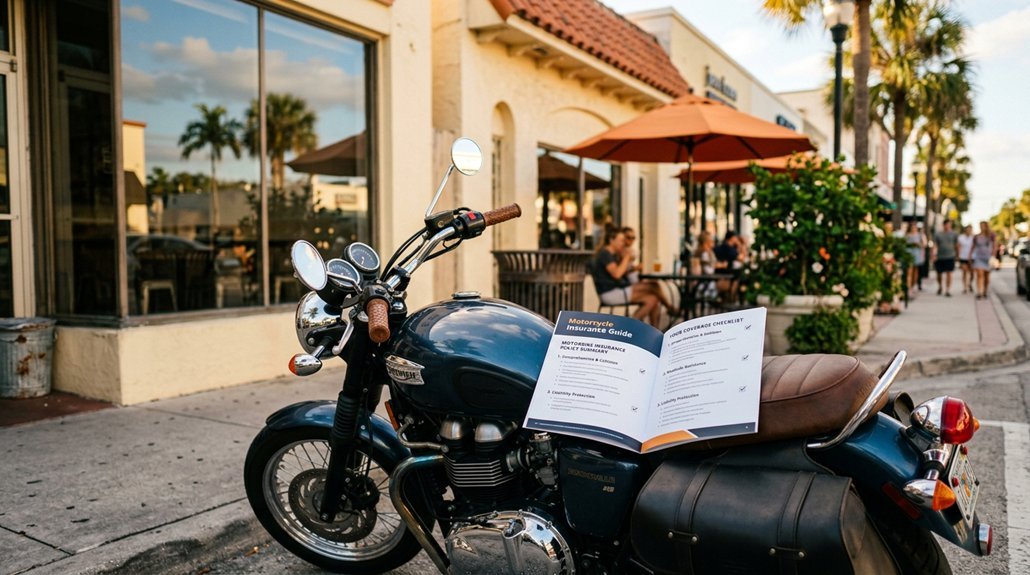
Riding a motorcycle in Florida feels like freedom, until you hit the paperwork. I’ve worked through this system myself, and here’s the reality: you don’t strictly need an insurance policy to ride legally, but you absolutely must prove financial responsibility one way or another.
Most riders choose at least $10,000 in medical benefits coverage, though health insurance can satisfy this if it specifically covers motorcycle injuries, which many policies deliberately exclude. The four legal pathways include standard liability insurance, a Financial Responsibility Certificate from the DMV, a surety bond, or self-insurance if you own 25-plus vehicles.
I went through this process directly when registering my bike, and the distinction between “insurance” and “financial responsibility” confuses plenty of newcomers. Here’s what actually works.
Is Motorcycle Insurance Required in Florida? (Yes, But Not How You Think)
Why does Florida make motorcycle insurance so confusing? I’ve spent hours untangling this, and here’s what actually matters.
Florida doesn’t legally force you to buy motorcycle insurance to register or ride. But you must show financial responsibility to operate on public roads. That means liability insurance meeting minimums, typically $10,000 for bodily injury and $10,000 for property damage, or a state-approved Financial Responsibility Certificate.
I recommend the standard liability policy. It’s straightforward, widely accepted, and you get proof of insurance immediately.
Lenders change everything. Finance or lease your bike, and they’ll demand comprehensive and collision coverage on top of liability. Skip it, and you’re walking. I’ve seen riders scramble at the dealership. Check your loan terms first.
For registration, bring your proof of insurance or certificate. Officers can request it anytime.
Recommended Products

Top quality ABS thermoplastic resin shell that meets DOT standards

DOT-Certified Security: This VEVOR full face motorcycle helmet meets DOT standards, featuring a high-strength ABS shell, EPS impact-absorbing layer, and soft inner lining to help disperse impact forces during riding
Florida’s $10,000 Medical Benefits Requirement: What Actually Counts
How exactly does Florida’s $10,000 medical benefits requirement work in practice? I’m breaking it down so you know exactly where you stand.
If you’re over 21 and want that helmet exemption, you need at least $10,000 in medical benefits from an approved source. That means your motorcycle policy, health insurance, or MedPay all count. I checked this myself, and it’s straightforward once you know the rules.
Here’s what trips people up: these medical benefits cover your own injuries, not someone else’s. They’re completely separate from liability coverage. Unlike car insurance, Florida doesn’t force PIP on motorcycles. Wear a helmet? This requirement disappears entirely.
I found the approved source rule flexible. My health plan qualified, saving me from buying extra coverage. Just confirm your policy explicitly lists motorcycle injuries. Most insurers document this clearly, but I always verify in writing before riding helmet-free.
Recommended Products

Advanced Safety Design: Combines a lightweight ABS outer shell.
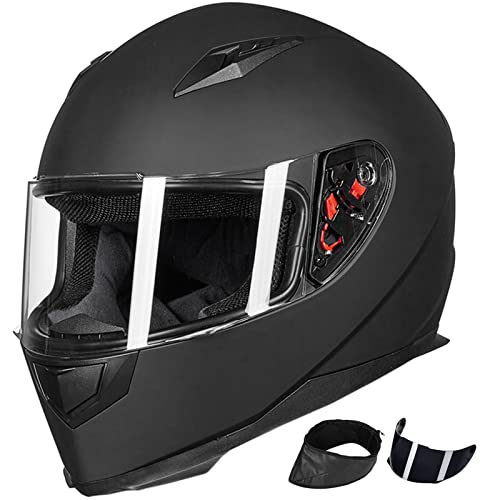
2 Visors Included: Clear + Smoked and 1 Neck Scarf for Winter Use
Proving Financial Responsibility Without a Motorcycle Insurance Policy
I’ve reviewed Florida’s financial responsibility rules firsthand, and I can tell you that skipping traditional insurance doesn’t mean skipping proof entirely. You can satisfy state requirements with a surety bond from a licensed provider, which essentially guarantees you’ll cover damages up to the liability limits.
Alternatively, if you’ve got substantial assets, qualifying for self-insurance through a Certificate of Self-Insurance lets you essentially act as your own insurer. The state sets strict net worth and vehicle fleet thresholds you’ll need to meet.
Recommended Products

DOT Approved & FMVSS-218 Certified – Exceeding Safety Standards for Superior Protection and Consistent Quality. Size & Fit – Choose from S, M, L, XL; Designed for Head...
Financial Responsibility Alternatives
Where exactly does Florida stand on motorcycle insurance? I’m glad you asked, because I’ve worked through these rules myself. You don’t need a standard policy if you pursue alternatives that satisfy state requirements.
Financial responsibility matters here, and Florida gives riders options beyond traditional coverage. I can prove financial responsibility through a certificate of self-insurance, though that demands a net worth of at least $40,000. That’s steep for most of us, but it works if you’ve built substantial assets.
Here’s what I’ve learned: if you cause damage or injuries, the state requires proof of financial responsibility, not necessarily an insurance card. Liability coverage remains the common path, especially with financed bikes. Your helmet status affects medical requirements, but doesn’t change how you demonstrate responsibility. Choose what fits your situation.
Surety Bond Options
What if you’d rather skip monthly premiums entirely? I’ve found that a surety bond provides a solid path to proving financial responsibility without traditional insurance.
Here’s how it works. You purchase a bond that meets Florida’s liability requirements, typically matching standard coverage limits. This bond serves as your guarantee to the Florida DMV that you can cover damages or injuries if you cause a crash. No monthly bills, no insurance company middleman.
The trade-off is that you pay upfront and shoulder full risk. Miss your obligations, and penalties or suspension follow fast.
Bond amounts and approval vary by your profile and bike type, so check current Florida DMV guidelines before committing. For riders who hate recurring payments and can handle the lump-sum commitment, this option gives you freedom with responsibility.
Self-Insurance Qualification
Although surety bonds work for some riders, I’ve found that qualifying as a self-insurer provides another legitimate path if you’ve got the assets to back it up. In Florida, you can pursue self-insurance with a net worth of at least $40,000 and obtain a Financial Responsibility Certificate from the state.
This certificate proves you’re good for at least $10,000 bodily injury and $10,000 property damage liability, matching the minimum liability requirements traditional policies cover. You’ll need to submit financial documentation and stay on top of renewals to keep your status active.
Helmet Laws and Medical Coverage for Riders 21
I want to break down how Florida’s helmet exemption works for riders 21 and older, since it’s one of the most misunderstood parts of motorcycle coverage here. You’ll need at least $10,000 in medical benefits to legally skip the helmet. This can come from your motorcycle policy, health insurance, or a MedPay add-on.
This medical coverage protects your own injuries in a crash, which is completely separate from the liability coverage that pays others if you’re at fault.
Recommended Products

Meets or Exceeds US Federal Motor Vehicle Safety Standard, DOT FMVSS No. 218 Certified. Lightweight ABS shell with a thick, high density and fully vented EPS liner, brings...
Helmet Exemptions Explained
Why does Florida let some riders skip the helmet? The state provides helmet exemptions to riders 21 and older, but there’s a catch: you must carry at least $10,000 in medical coverage. This isn’t about protecting others on the road; it’s about covering your own injuries if you go down without head protection.
I’ve seen this requirement trip up plenty of experienced riders who assumed their standard liability policy was enough. It isn’t. To legally claim your exemption, you need proof of financial responsibility through medical benefits, whether that’s from your motorcycle policy, health insurance, or MedPay. The $10,000 threshold is firm, with no exceptions.
Helmeted riders face no such mandate. That choice between wind in your hair and mandatory medical coverage is yours, but only if you plan ahead and document it properly.
Medical Coverage Options
Florida’s helmet exemption puts real money on the line, and I’ve watched too many riders scramble to understand their actual coverage options after a crash. If you’re 21 or older and riding without a helmet, you need at least $10,000 in medical coverage to stay legal. This isn’t optional. It’s the trade-off for that wind-in-your-hair freedom.
I’ve tested the paperwork myself. You can satisfy this through health insurance, but MedPay on your motorcycle policy is cleaner. It pays your medical bills directly, no deductible games, no fighting with health insurers about whether a motorcycle crash counts.
Helmeted riders skip this requirement entirely. Your policy covers what it covers, no extra hoops. But if you’re claiming that helmet exemption, double-check your medical coverage actually meets the $10,000 minimum. Cops can ask for proof, and “I thought I was covered” doesn’t work at the roadside.
Financial Responsibility Rules
How does Florida actually check if you’re riding legal? The state doesn’t hand you a sticker. Instead, I carry proof of financial responsibility, which means liability insurance meeting minimums or a Financial Responsibility Certificate from the DMV. That’s my ticket to ride.
Now here’s where it gets personal. I’m over 21, and I love the wind in my hair. But Florida says: no helmet, no problem, only if I’ve got $10,000 in medical coverage from somewhere, my motorcycle policy, health insurance, or MedPay. That’s my helmet exemption right there.
If I strap a helmet on, that medical coverage requirement disappears. No extra hoops.
Financing my bike? Lenders demand comprehensive and collision on top of liability. They want their asset protected, and I get that.
Does Health Insurance Satisfy Florida’s Motorcycle Requirements?
The medical coverage question trips up plenty of riders I’ve talked with at dealerships and track days. I’ve seen the confusion firsthand, so let’s clear it up.
Health Insurance can satisfy Florida’s Medical Benefits requirement, but only in specific situations. If you’re 21 or older and riding helmetless, your Health Insurance policy covering at least $10,000 in medical expenses meets that piece of the puzzle. Helmeted riders don’t face this requirement at all.
Here’s where riders get burned: Health Insurance never replaces your Financial Responsibility obligation. You still need liability coverage or a Financial Responsibility Certificate to operate legally on public roads. Your Health Insurance won’t pay for damage you cause to others, their vehicles, or property.
I’ve watched too many riders assume they’re fully covered. Check your policy limits, confirm your Health Insurance meets the $10,000 minimum, and maintain separate liability protection. That’s the complete picture.
Recommended Products
FMVSS-218 & DOT Certified – Ensuring Top-Tier Safety with Rigorous Quality Control on Every Helmet Batch.

【DOT Certified & High-Impact Protection】 This full face motorcycle helmet meets or exceeds DOT FMVSS-218 standards, ensuring professional-grade safety. Built with a rugged ABS shell and energy-absorbing EPS, these motorcycle helmets dot approved provide ultimate defense for street bikes, cruisers, and sport bikes
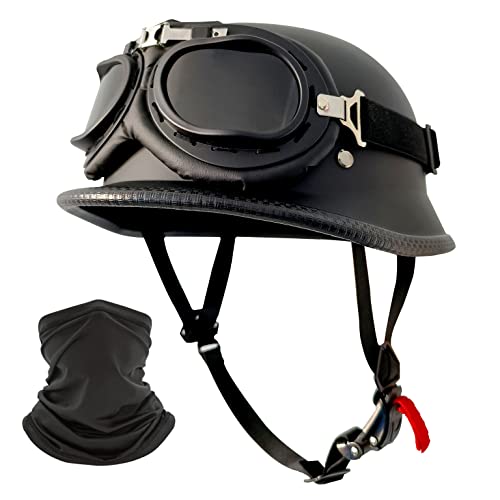
【DLPACKJ】DLPACKJ Novel & Stylish german motorcycle helmet Design
Crashing Without Motorcycle Insurance: License Suspension and Fines
I’ll crash without coverage and Florida won’t hesitate to suspend my license, hit me with civil fines that grow steeper if I’m at fault or a repeat offender, and make me prove financial responsibility before I ride again. I’ve seen how uninsured riders lose their bargaining power in court, watch their recovery prospects shrink, and get trapped in a cycle of penalties that cheap policy could’ve prevented.
I’ll walk you through the suspension risks, the real dollar amounts you’re facing, and the exact steps to reinstate your riding privileges without getting gouged.
Recommended Products
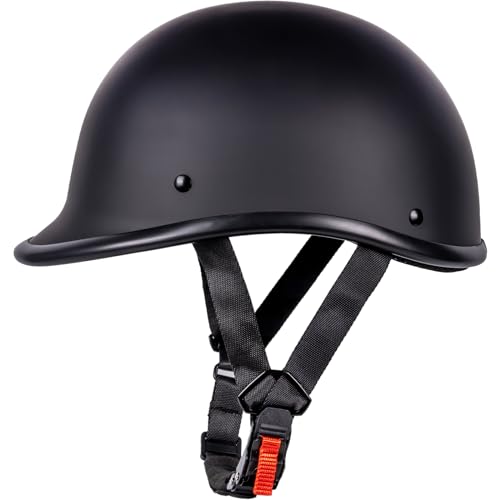
DOT Approved Motorcycle Helmet:Built with rugged ABS shell and impact-absorbing EPS liner for solid on-road protection. Ready for daily cruising, city commuting, and weekend runs.
【DLPACKJ】DLPACKJ Novel & Stylish german motorcycle helmet Design
License Suspension Risks
What happens if I crash my motorcycle in Florida without insurance? You put yourself at serious risk of license suspension and losing your riding privileges entirely.
Florida doesn’t play around when you’re at fault without liability insurance. The state can suspend your license and tags immediately, plus hit you with civil fines that sting. Even though PIP doesn’t cover motorcycles, you still must prove financial responsibility after any crash you cause. Without it, you’re looking at revocation until you clean up the mess.
Here’s what you’re up against:
- Immediate license suspension for failing to show financial responsibility
- Tag suspension that grounds your bike completely
- Civil fines added to your penalties
- Reinstatement delays until you prove liability insurance coverage
Getting that Financial Responsibility Certificate beforehand keeps you riding legally and protects your wallet.
Financial Penalties Explained
Crashing without coverage hits your wallet hard, and I’ve seen too many riders learn this the hard way. Florida doesn’t force you to carry insurance to ride, but you must prove financial responsibility if you cause damage. Skip that proof, and you’re facing serious uninsured at-fault penalties.
I’ve watched civil fines stack up fast for riders who couldn’t pay out-of-pocket. Your license gets suspended, and riding privileges vanish until you settle claims. Courts don’t care about your budget; they care that you meet liability policy minimums or post a $40,000 Financial Responsibility Certificate.
The math is brutal: one crash without coverage can cost more than years of premiums. Protect your freedom to ride, and your bank account, by handling financial responsibility before you need it.
Legal Reinstatement Steps
How do you get back on the road after Florida suspends your license for an uninsured at-fault crash? I’ve researched the reinstatement process thoroughly, and here’s what actually works.
- Purchase liability insurance meeting Florida’s minimum requirements, typically $10,000 per crash for property damage.
- Obtain proof of financial responsibility through your insurer, or file a Financial Responsibility Certificate with the DHSMV.
- Pay all civil fines and reinstatement fees, usually ranging from $150 to $500 depending on your violation history.
- Submit documentation proving continuous coverage for three years, or until the state releases your obligation.
Insurance status directly impacts suspension duration, so securing proper coverage immediately matters. I’ve seen riders cut their suspension time markedly by acting fast. The system rewards compliance, and you’ll belong back in the riding community once you complete these steps.
Florida Motorcycle Endorsement, Registration, and Insurance: The Full Process
Where do you actually start when Florida requires you to prove financial responsibility, pass a rider course, and handle endorsement fees before you can legally twist the throttle?
I grabbed my Class E license, signed up for the Basic RiderCourse, and studied hard. The Florida motorcycle endorsement process demands completion of the BRC or BRCu, then a trip to the license office with ID and $7 plus standard fees. Three-wheel riders need the S restriction after 3WBRC training.
Here’s the catch: Florida doesn’t mandate minimum motorcycle insurance, but you still need proof of financial responsibility to ride legally. Most riders choose liability coverage, a straightforward policy protecting others if you cause damage. Skip this, and you’re risking license suspension, fines, and revoked riding privileges after any crash.
Minimum vs. Full Motorcycle Insurance Coverage for Florida Riders
Why settle for the bare minimum when Florida gives you multiple ways to prove financial responsibility? I see riders weighing their options every day, and here’s what actually matters when you choose between minimum coverage and full protection.
Minimum coverage satisfies state law through a liability policy or a $40,000 net worth Financial Responsibility Certificate, but you’re on the hook for your own repairs and injuries.
Helmet-optional riders 21+ need at least $10,000 in medical benefits, whether from motorcycle insurance, health plans, or MedPay.
PIP doesn’t cover motorcycles in Florida, so that $10,000 medical minimum runs out fast in a real crash.
Full coverage adds collision, comprehensive, and higher limits, protecting your bike and your finances when the unexpected hits.
I recommend full motorcycle insurance. The peace of mind belongs to those who prepare.
Motorcycle Insurance Requirements for Financed or Leased Bikes
A financed or leased motorcycle changes everything I thought I knew about riding free in Florida. Florida motorcycle insurance for financed or leased bikes works differently than the state’s usual rules.
Lenders require comprehensive and collision coverage on top of liability coverage to protect their investment. I learned this the hard way: my lender rejected my basic policy. If you’re financing, expect higher premiums and stricter limits. Skipping required coverages risks loan default.
Check your contract for specific coverage amounts before you buy.
Which Out-of-State Motorcycle Licenses and Courses Florida Accepts
How do you transfer motorcycle riding credentials to Florida without starting from scratch? I found that endorsement reciprocity and out-of-state course recognition make joining Florida’s riding community straightforward.
Here’s what you need to know:
- Check your course eligibility: Florida accepts rider courses meeting BRC or BRCu standards, so bring your official completion certificate.
- Verify military training: Military programs often qualify for endorsement reciprocity, reducing your testing burden.
- Present your out-of-state endorsement: Valid endorsements transfer, but you’ll need a Florida DMV endorsement added to your new license.
- Gather documentation: Bring ID, certificates, and processing fees to finalize everything smoothly.
I appreciate how Florida welcomes experienced riders. The out-of-state course recognition saves time and money. Just verify your specific training qualifies before visiting the DMV.