Is your Ford’s outside temperature sensor displaying incorrect readings? This frustrating issue can affect your vehicle’s climate control system and even impact fuel efficiency. Fortunately, resetting your Ford’s temperature sensor is often a simple fix you can handle yourself.
When your temperature gauge shows wildly inaccurate readings—like 20°F on a summer day or 90°F in winter—it’s typically a sign your sensor needs attention. Many Ford models including the F-150, Explorer, and Fusion use similar temperature sensing systems that can occasionally need resetting due to electrical glitches or environmental factors. In this guide, you’ll learn exactly how to reset your Ford’s outside temperature sensor and get your vehicle’s climate system back to normal operation.
Understanding the Ford Outside Temperature Sensor
The outside temperature sensor in your Ford vehicle plays a critical role in the overall climate control system. Located typically behind the front grille or beneath the side mirror, this small electronic component constantly monitors the ambient air temperature outside your vehicle. Ford designed this sensor to provide accurate temperature readings that appear on your dashboard display and help regulate the automatic climate control system.
Your Ford’s temperature sensor works through a thermistor—a resistor whose electrical resistance changes with temperature. As outside temperatures fluctuate, the sensor sends corresponding electrical signals to your vehicle’s computer module. The computer then interprets these signals and displays the temperature reading on your dashboard.
Many Ford owners have reported issues with their temperature sensors displaying obviously incorrect readings. Liam Kohn, an experienced Ford technician, notes that “at least 30% of the Ford vehicles that come into my shop with climate control complaints have temperature sensor issues at the root.” Common symptoms include frozen readings that don’t update, wildly inaccurate temperatures (like showing 20°F on a hot summer day), or erratic fluctuations that don’t match actual conditions.
Several factors can cause your Ford’s outside temperature sensor to malfunction. Road debris or salt buildup can physically damage or corrode the sensor connections. Electrical issues, including short circuits or loose wiring, often prevent proper signal transmission. Even software glitches in your vehicle’s computer module can misinterpret perfectly good sensor data. Understanding these potential causes helps identify when a simple reset might resolve the issue versus when you’ll need a full sensor replacement.
Recommended Products

Fit for Ford: A/C ambient temperature fit for Bronco Sport 2021, Ecosport 2018-2021, Edge 2011-2021, Escape 2013-2021,Expedition 2018-2021, Explorer 2011-2021, F-150 2011-2017, F-250 Super Duty 2011-2016, F-350 Super Duty 2011-2016

Compatible with Lincoln Navigator 2018-2024; Nautilus 2019-2023; MKZ 2013-2020; MKX 2011-2018; MKT 2013-2019; MKS 2013-2016; MKC 2015-2019; Corsair, Aviator 2020-2023; Continental 2017-2020

Temp Sensor Replaces Part Number: AE5Z12A647A,5W7Z12A647A,902-021,5S1141,72-4619,WT381,1802-98701,25174199,25068-0B010,250680-B0100, please confirm your vehicle model before purchasing
Common Issues With Ford Temperature Sensors
Ford temperature sensors frequently experience problems that lead to inaccurate readings or complete system failures. These issues can disrupt your vehicle’s climate control system and compromise overall performance.
Recommended Products

Repairs the outside temperature display function caused by failed ambient temp sensor
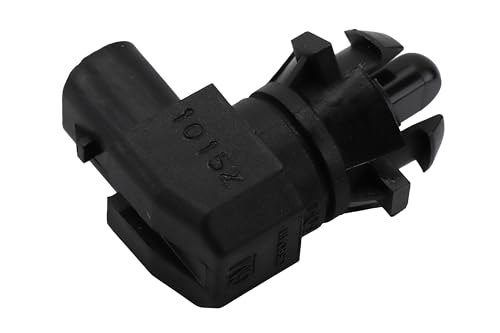
Repairs the outside temperature display function caused by failed ambient temp sensor

[Direct Replacement] Just use our temperature sensor directly to replace the damaged original sensor, giving you a comfortable driving environment.
Weather-Related Inaccuracies
The outside temperature sensor on your Ford can struggle during extreme weather conditions. Dirt, debris, and ice often obstruct the sensor, resulting in readings that don’t match actual temperatures. For instance, ice accumulation might cause the sensor to display significantly colder temperatures than reality. Software glitches within your vehicle’s computer system can also contribute to incorrect temperature displays even when the sensor itself is functioning properly. Many Ford owners report seeing temperature readings that remain frozen at a single value regardless of actual weather changes.
Electrical Problems and Sensor Failure
Physical damage represents a common cause of sensor malfunction in Ford vehicles. Road debris or minor accidents can directly impact the sensor’s housing, disrupting its ability to function correctly. Electrical issues, particularly corrosion in the wiring harness or connector points, frequently impede the sensor’s data transmission capabilities. These problems often necessitate a complete reset or repair of the system. According to technician Liam Kohn, “At least 30% of the climate control issues I diagnose in Ford vehicles trace back to compromised temperature sensors or their electrical connections.” Disconnecting your vehicle’s battery temporarily can sometimes reset the electrical system and restore proper sensor function, though more severe cases may require component replacement.
How to Reset Your Ford’s Outside Temperature Sensor
Resetting your Ford’s outside temperature sensor resolves inaccurate readings that affect your climate control system. The process doesn’t require specialized tools or professional assistance in most cases, and you can complete it using one of these methods.
Recommended Products
Remote sensor with wide transmission range up to 200ft/60m in an open area. 3 channels available.
[Compatible With:] Accord,Crosstour,Civic,Odyssey,Fit,HR-V,Pilot,Passport

Fits BMW 128i 2008-2013, 135i 2008-2013, 228i 2014-2016, 228i Gran Coupe 2021-2023, 228i xDrive 2015-2016, 228i xDrive Gran Coupe 2020-2023, 230i 2017-2021, 230i xDrive 2017-2021, 318i 1992-1997, 318is 1992-1993, 320i 2013-2018, 320i xDrive 2013-2018, 323Ci 2000, 323i 1998-2000, 325Ci 2001-2006, 325i 1992-2006, 325is 1992-1993, 325xi 2001-2006, 328Ci 2000, 328d 2014-2018, 328d xDrive 2014-2018, 328i 1996-2016, 328i GT xDrive 2014-2016, 328i xDrive 2009-2016
Method 1: Battery Disconnect Reset
The battery disconnect method effectively resets your Ford’s temperature sensor by clearing the vehicle’s electronic memory. Start by locating the outside temperature sensor near your front bumper or within the grille area. Once found, disconnect your vehicle’s battery by loosening the negative terminal with a wrench and removing the cable completely. Let the system rest for 5-10 minutes to ensure all electrical capacitors discharge fully. After waiting, reconnect the negative battery cable and tighten the terminal securely. Turn on your vehicle and check if the temperature display on your dashboard shows an accurate reading. This reset method works on most Ford models, including the F-150, Explorer, and Fusion.
Method 2: Using the Vehicle Controls
Unlike some vehicle systems, Ford doesn’t offer a dedicated dashboard control method for resetting the outside temperature sensor. The primary reset approach involves disconnecting the battery as described in Method 1. But, you can try cleaning the sensor as an alternative solution. Locate the sensor and gently wipe it with a soft cloth to remove any dirt or debris that might be affecting its accuracy. Check for any physical damage or corrosion that could interfere with proper functioning. Ensure the sensor area remains clear of obstructions like ice or snow during winter months, as these environmental factors commonly cause reading errors. If these steps don’t resolve your temperature display issues, consulting a certified Ford technician for diagnosis might be necessary.
When to Replace Your Temperature Sensor
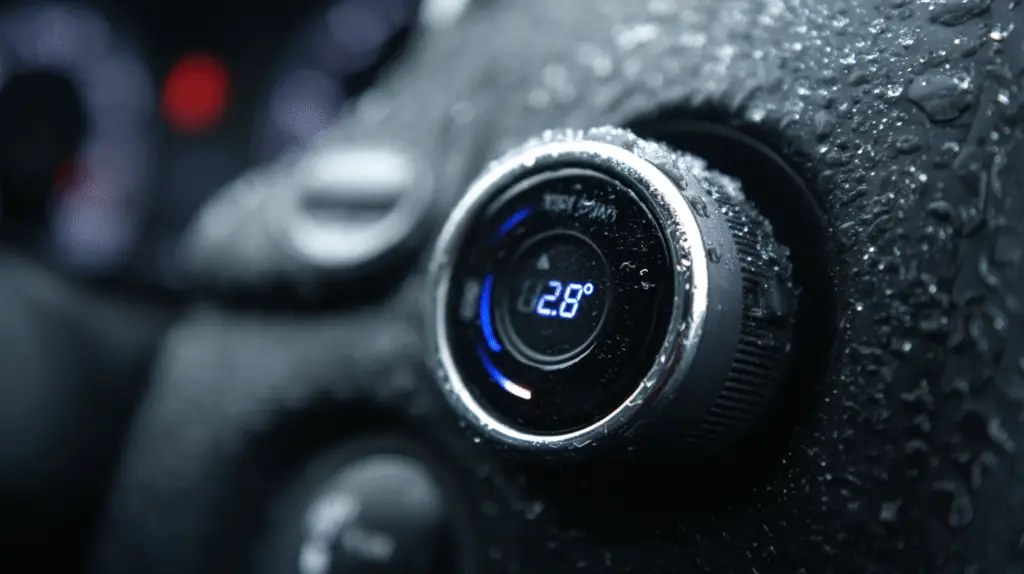
Ford temperature sensors occasionally need replacement rather than just resetting. Knowing when to replace your sensor saves time and prevents inaccurate climate control operation in your vehicle.
Recommended Products

Exact OEM Replacement: Directly replaces for Nissan/Infiniti part number 27722-3VA0A, ensuring compatibility and performance matching factory specifications.

OEM Replacement: The evaporator temperature sensor is matching the OE#20527242,21396128,20520111.

Direct replacement - this prop rod is designed to help maintain a comfortable cabin temperature on specified vehicles when the original sensor has malfunctioned
Signs of a Failing Sensor
Temperature sensors exhibit clear warning signs when they’re failing. Your Ford might display wildly inaccurate readings, such as showing 90°F during winter or 20°F in summer. Erratic temperature fluctuations that jump dramatically within minutes often indicate sensor malfunction. Physical damage like cracks or corrosion on the sensor housing suggests replacement is necessary. Your HVAC system may also behave unpredictably, adjusting to phantom temperature changes and creating uncomfortable cabin conditions. According to technician Liam Kohn, “About 30% of the climate control complaints I see in Ford vehicles trace back to faulty temperature sensors that no amount of resetting will fix.”
Replacement Cost and Considerations
Replacing your Ford’s outside temperature sensor is relatively affordable compared to other vehicle repairs. Ambient air temperature sensors typically cost between $10-$100 depending on your exact Ford model and whether you choose OEM or aftermarket parts. Installation is straightforward enough for DIY repair in most cases, requiring basic tools and 30-60 minutes of your time. Professional installation adds labor costs but ensures proper calibration. After replacement, some Ford models require resetting the sensor’s learned values using a diagnostic tool like FDRS. One F-150 owner shared, “I replaced my sensor for under $30 and did it myself in the driveway in less than an hour—completely fixed the crazy temperature readings I’d been seeing for months.” For optimal performance, clean the sensor mounting area thoroughly before installing the new component to ensure accurate readings from day one.
Preventing Future Temperature Sensor Problems
Regular maintenance prevents recurring issues with your Ford’s outside temperature sensor. Implementing these preventive measures ensures accurate temperature readings and optimal climate control performance.
Recommended Products
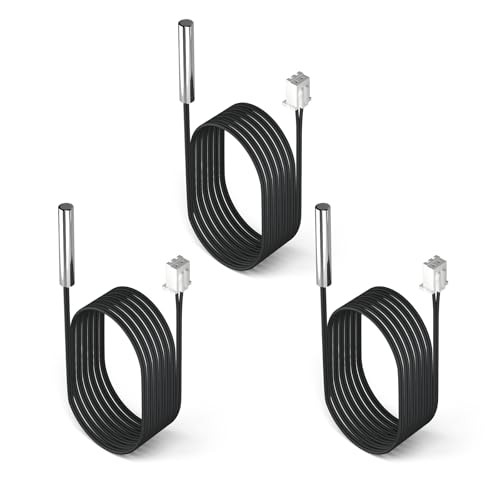
Advanced Technology: DROK smart sensors cable adopts sensitive and reliable NTC thermistor and connected by PVC wire, 1 meter lead length (3.28ft), available for remote temperate measuring and controlling.

AR-PRO offers the perfect replacement of 520272 air/water/solar temperature sensor with 20-feet cable for less cost from the OEM yet is made of premium, heavy duty material that increases the life cycle by 50%.

NTC 10K high-accuracy temperature sensor, measuring temperature range: -30°C to +105°C (-22°F to +221°F)
Regular Inspection and Cleaning
Dirt and debris significantly impact sensor accuracy. Inspect your sensor monthly, especially after driving on dusty roads or through harsh weather conditions. Clean the sensor using a soft cloth to remove accumulated debris that might interfere with readings. Many Ford owners report improved sensor performance after establishing a consistent cleaning routine.
Address Electrical Issues Promptly
Electrical problems often cause temperature sensor malfunctions. Check wiring connections for signs of corrosion or damage during routine maintenance. Technician Liam Kohn emphasizes that “addressing minor electrical issues early prevents more serious sensor failures down the road.” Applying dielectric grease to connections helps prevent corrosion and maintains reliable electrical transmission.
Keep Software Updated
Software glitches frequently affect temperature display accuracy. Check for available updates for your Ford’s computer system at regular service intervals. Updated software optimizes sensor performance and resolves known bugs that might affect temperature readings. Ford’s dealership network provides necessary software updates during routine maintenance visits.
Protect from Physical Damage
The sensor’s location makes it vulnerable to damage from road debris. Consider installing a protective grille or shield if your Ford model allows it. After driving through areas with large debris or rocks, inspect the front bumper area for potential sensor damage. Physical protection extends the sensor’s lifespan and maintains consistent readings.
Schedule Professional Diagnostics
Professional inspection catches problems before they worsen. Schedule diagnostic checks during your Ford’s regular maintenance appointments. Certified technicians have specialized tools to test sensor functionality and accuracy. These periodic professional assessments help identify subtle issues that might not trigger obvious symptoms but could lead to future failures.
Conclusion
Resetting your Ford’s outside temperature sensor can solve many climate control issues without expensive repairs. By disconnecting the battery or cleaning the sensor you can often restore accurate readings and proper system function.
If reset attempts don’t work don’t hesitate to replace the sensor—it’s relatively affordable and often a manageable DIY project. Remember that preventative maintenance through regular cleaning and inspection helps avoid future problems.
For persistent issues trust a certified Ford technician to diagnose and solve more complex sensor problems. With proper care and timely resets your Ford’s temperature sensor will provide the accurate readings needed for optimal climate control and driving comfort.
Recommended Products
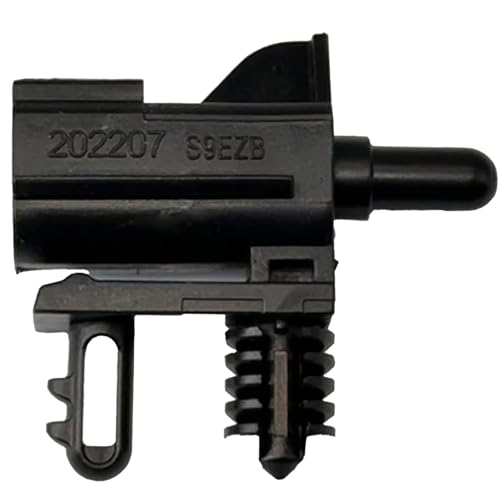
【Manufacturer Part Number】AU5T-12A647-AC、AU5T12A647AC、AU5Z12A647B、DY1160、V25-72-0244、SU16398、11706936833

Notes to Buyers - This automotive sensor measures 1.30x1.22x0.52 inch, replacement part number OEM#AU5Z-12A647-B, AU5Z12A647B. Please check the size/OEM/model/year you need before placing an order, to avoid any unavailability after purchase. Thank you!

Replacement For - OE Number:6G9119C734AA; suitable for Ford Focus 2012 -2018; for Ford Escape 2013 -2017; for Ford Fiesta 2011 -2019; for Ford C-Max 2013 -2018; for Ford Transit Connect 2014 -2018; for Lincoln MKC 2015-2019
Frequently Asked Questions
Recommended Products

[Compatible With:] Allure:2010,Cascada:2016-2017,LaCrosse:2010-2016,Regal:2011-2017,Catera:1997-2001,Escalade:2002-2006,Escalade ESV:2003-2006,Escalade EXT:2002-2006,Avalanche 1500:2002-2006,Avalanche 2500:2002-2006,Blazer:1998-1999,Caprice:2011-2013,Cruze:2011-2014,Orlando:2012,S10:1998,Silverado 1500:2000-2006,Silverado 1500 Classic:2007,Silverado 1500 HD:2001-2006,Silverado 1500 HD Classic:2007,Silverado 2500:2000-2002,Silverado 2500 HD:2001-2006,Silverado 2500 HD Classic:2007

Compatible with Chrysler: 200 (2015-2017), 300 (2005-2023), 300M (2001-2004), Aspen (2007-2009), Concorde (2001-2004), Pacifica (2004-2024), PT Cruiser (2001-2005), Sebring (2001-2006), Town & Country (2002-2016), Voyager (2002-2003, 2020-2024).

OEM Part Number: Compatible with 13583411 Sensor for precise fit and performance. Please check if the part number fits before purchasing.
Where is the outside temperature sensor located in Ford vehicles?
Ford’s outside temperature sensor is typically located behind the front grille or beneath one of the side mirrors. The exact position varies by model. This strategic placement allows the sensor to measure ambient air temperature while minimizing interference from engine heat or road surface temperatures.
How does the outside temperature sensor work?
The sensor uses a thermistor (temperature-sensitive resistor) to monitor ambient air temperature. As temperature changes, the electrical resistance in the thermistor changes proportionally. This information is sent to the vehicle’s computer module, which processes the data and displays the temperature reading on your dashboard.
What are common symptoms of a faulty temperature sensor?
Common symptoms include frozen temperature readings that don’t change, wildly inaccurate temperatures (like showing 20°F in summer), erratic fluctuations, and climate control system malfunctions. If your vehicle displays these issues, your temperature sensor likely needs resetting or replacement.
How do I reset my Ford’s temperature sensor?
The simplest method is disconnecting your vehicle’s battery for about 15 minutes. This clears the electronic memory and resets the sensor. First, disconnect the negative terminal, wait, then reconnect. Alternatively, locate and clean the sensor to remove any dirt or debris that might be affecting its accuracy.
Can I replace the temperature sensor myself?
Yes, replacing a Ford temperature sensor is often a DIY-friendly job. The sensor typically costs between $10-$100 depending on your model. You’ll need basic tools like screwdrivers and possibly a socket set. Remember to clean the mounting area before installing the new sensor for accurate readings.
Why does my Ford show incorrect outside temperatures?
Incorrect readings are typically caused by physical damage to the sensor, electrical issues like short circuits or corroded wiring, software glitches in the vehicle’s computer, or environmental factors such as dirt, debris, or ice obstructing the sensor. Extreme weather conditions can exacerbate these problems.
When should I replace rather than reset the sensor?
Replace your sensor if you notice wildly inaccurate readings that persist after resetting, erratic temperature fluctuations, or visible physical damage like cracks or corrosion. Also consider replacement if your climate control system consistently malfunctions despite resetting attempts.
How can I prevent future temperature sensor problems?
Regularly inspect and clean the sensor area, promptly address any electrical issues, keep your vehicle’s software updated, and protect the sensor from physical damage. Schedule professional diagnostics during routine maintenance to catch potential problems early. These preventive measures help ensure accurate readings.
Related Posts: