I’ve spent years tracking every dollar that goes into keeping cars running, and I can tell you that maintenance costs catch most owners off guard. You’re looking at roughly $66 monthly before anything breaks, with oil changes running $28–$70 and synthetic fluids adding another $20–$40.
Tires, brakes, and alignments pile on fast. I’ve watched a simple rotation balloon into a $600 brake job when pads wear thin. Older vehicles demand bigger reserves, and luxury brands like BMW will drain your wallet faster than a Toyota ever could. I’m breaking down exactly where your money goes, and why skipping the small stuff costs you later.
What Car Maintenance Costs Per Year (AAA Data)
How much should you actually budget for keeping your car running? I’m looking at about $792 annually, or roughly $66 monthly, based on AAA’s latest figures. That breaks down to service every 5,000 miles or six months, whichever hits first.
Your maintenance costs shift dramatically based on what you drive. I’ve watched newer vehicles stretch intervals further, while aging cars demand more frequent attention. Brand choice matters too, luxury badges like BMW extract steeper ongoing investment compared to reliable workhorses like Toyota.
Tire rotations run $15–$60, coolant flushes $50–$155, transmission services $163–$242, and brake jobs $200–$625. These aren’t theoretical numbers, they’re what you’ll face. Factor your vehicle’s age and your driving habits into planning. Smart owners build this reality into their budgets before problems arrive.
Recommended Products

Helps extend engine life, even in severe conditions

Advanced protection against the four main causes of engine breakdown: wear friction heat and deposits

Phosphorus Replacement Technology to help extend the life of the emission system
Oil Changes and Fluid Changes: Real Price Ranges
I want to break down what you’ll actually pay for oil changes and fluid services, because sticker shock hits different when you’re standing at the service desk. A basic oil change runs $28 to $70 depending on your ride and whether you’re running conventional or synthetic.
A coolant flush sets you back $50 to $155 and transmission work jumps to $163 to $242. These aren’t optional expenses, they’re the price of keeping your engine and drivetrain alive, and skipping them turns a $50 service into a $3,000 lesson.
Recommended Products

Genuine OEM Generac parts

OEM Part Numbers: LG266

No.4 Bond Maintenance Shampoo + No.5 Bond Maintenance Conditioner strengthen and protect hair health
Oil Change Pricing
Where does your money actually go when you roll into a shop for an oil change? I’ve paid anywhere from $28 to $70 depending on what my car needs and where I go. Conventional oil keeps costs down, but synthetic runs $20–$40 more upfront. I’ve learned it’s worth every penny though.
Modern oil life monitors stretch synthetic changes to 5,000–7,500 miles, so you’re not paying as often as you think. I stick to my vehicle’s maintenance schedule because skipping oil changes invites expensive repairs down the road.
Here’s what I’ve found matters most when budgeting for oil changes:
- Conventional oil: lighter on the wallet, shorter intervals
- Synthetic oil: higher cost, longer protection, fewer visits
- Local labor rates: shop around, prices vary by location
- Oil life monitors: trust them, they prevent over-maintenance
- Maintenance schedules: follow yours precisely, not just convenience
I view regular oil changes as cheap insurance against engine damage.
Fluid Service Costs
When you really look at what shops charge for routine fluid work, the numbers can surprise you. I’ve seen basic oil change costs swing from $28 to $70, depending on whether you’re running conventional or synthetic in a modern vehicle. Most newer cars now stretch oil change intervals to 5,000 to 7,500 miles, which helps soften the annual blow.
But don’t stop there. Coolant flushes typically hit $50 to $155, while transmission service runs steeper at $163 to $242, recommended every 2 to 3 years. I’d budget for tire rotations too, usually $15 to $60, since uneven wear costs more long-term.
These services aren’t glamorous, but skipping them invites bigger bills. Plan ahead, compare shop rates, and treat fluid maintenance as non-negotiable protection for your investment.
Tire Rotation, Replacement, and Alignment Costs
How much should you really expect to shell out for keeping your tires in top shape?
I’ve found tire rotation runs me $15 to $60 per visit, depending on the shop and my vehicle. When I skip this routine, I pay later.
Here’s what I’ve learned about protecting my investment:
- Rotate tires every 5,000 to 7,500 miles to even out wear patterns
- Check tread depth monthly; I use a quarter to gauge remaining life
- Monitor inflation weekly; correct pressure saves fuel and prevents blowouts
- Align wheels when steering feels off, typically $100 to $150
- Replace sets together; mixing old and new tires hurts handling
Replacement sets cost several hundred dollars, with performance or larger sizes running higher. Catching alignment issues early prevents uneven wear, extends tread life, and keeps my ride predictable.
Recommended Products

[Reference Part Number]: TF210, B331, 58136, V700236, 0440345, 3533060050

If any item is missing from the kit, please contact us directly and we will ship it ASAP!

[Feature] Use 42RE 44RE 46RE 47RE 48RE Transmission Filter Kit to filter oil and remove sundries from the transmission fluids.Keep the transmission fluids clean and prevent the valve body and other parts be clogged.Effectively to extend the service life of the transmissions kit.Please check and change filter if the gear change difficulty,rattling,leaks,and smoke when clogged.
Brake Pad and Rotor Replacement: What You’ll Pay
Why exactly does my wallet feel lighter every time I address brake maintenance? Brake pad replacement typically runs me between $200 and $625, and that range covers labor, pad material, and sometimes rotor work. The final bill depends on whether I’ve got organic, ceramic, or semi-metal pads, and if my rotors need resurfacing or full replacement.
I’ve learned to listen for the telltale signs: squealing, grinding, reduced stopping power, or a pulsating pedal. These warnings mean I’m due. My SUV costs more than my old compact did, since heavier vehicles need larger rotors with more material.
To stretch my dollar, I avoid excessive braking, stay mindful on the road, and keep my wheels aligned per the manual. It’s practical prevention that pays off.
Recommended Products

Brake Service Made Easy: This comprehensive brake tool set from Orion Motor Tech includes 24 adapters, 4 retaining plates, 2 thrust bolt assemblies, 2 hex wrenches, 2 hex rods, and an oil can, ensuring quicker and easier brake service.

Effortless Brake Maintenance: This brake caliper wind back tool kit is designed for easy operation, making brake pad and shoe replacement and piston rotation back into the caliper a breeze. It's a must-have for your car, truck, or 4-wheel drive disc brake vehicle. The kit even includes both right-handed and left-handed thrust bolt assemblies for added convenience.

PLEASE CONFIRM YOUR FITMENT: Using the Amazon Confirmed Fit bar at the top of the page or check the Product Description to confirm your vehicle fitment. This may be delivered in multiple boxes
How Driving Habits and Car Age Change Your Costs
Although I’ve babied some vehicles and beaten on others, I’ve learned that my driving habits and a car’s age hit my maintenance budget harder than almost anything else.
Older cars need more frequent shop visits as wear piles up. My aggressive driving in stop-and-go traffic chews through brake pads and tires faster than highway cruising. Higher mileage accelerates fluid flushes and component swaps, pushing the average cost upward every 5,000 miles or so.
Here’s what I’ve noticed affects my wallet most:
- Stop-and-go driving wears brakes and transmission quicker
- Older vehicles develop more ongoing issues
- High mileage demands fluid flushes sooner
- Gentle driving extends tire and pad life
- Aggressive acceleration strains every system
The same model can cost wildly different amounts depending on how you treat it.
Recommended Products

Main Characteristics: Our wheel alignment tool is capable of assisting you in resetting the strut to its initial camber position after the suspension has been removed and reinstalled. It can also check the extent of camber variation prior to re-installation. This camber alignment tool is ideal for precisely inspecting the castor and camber angles
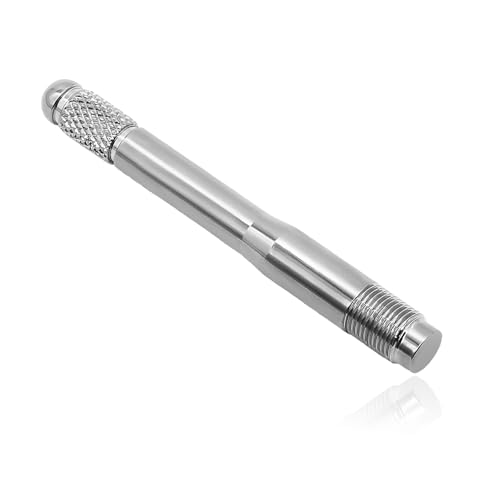
【Effective Wheel Alignment】: The tire stud pin ensures flawless alignment by holding the wheel steady, making it much easier to line up wheels with hub bolt holes. This precise positioning minimizes installation time and reduces strain, especially when working with heavier wheels.

【Effective Wheel Alignment】: This car wheel alignment tool can assist the wheels in precisely aligning with the wheel hub bolt holes, which can stabilize the wheel during the process of replacing the car wheel, effectively preventing wheel slippage or detachment, from causing damage to the car. The design of its handheld part is ergonomic, reducing the friction against the hand. It is less likely to slip during use, ensuring the safety of operation.
Toyota vs. BMW: Maintenance Costs by Brand
When I’m weighing a daily driver against something with more prestige, maintenance costs often tip the scales faster than horsepower ratings ever could. I’ve looked at the numbers, and they tell a clear story. BMW maintenance costs run higher than Toyota’s over a ten-year stretch. You’re paying high prices for parts, plus steeper labor rates at most shops.
Toyota sits among the cheapest brands to maintain. Lower parts costs, simpler routine service, fewer surprise repairs, it all adds up. Oil changes, brake work, tire rotations, they cost less and happen less frequently.
I’ve tracked reliability data across both brands. Toyota consistently demands fewer visits to the mechanic. BMW provides driving thrills, but those come with ownership costs that keep climbing. For my wallet, the math favors Toyota.
Recommended Products
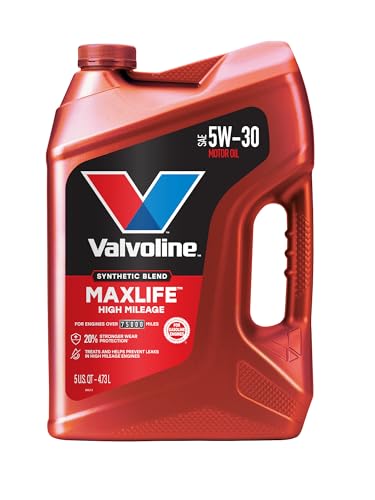
Formulated for engines with 75,000 miles or more, Valvoline MaxLife High Mileage synthetic blend is formulated with seal conditioners to help prevent oil leaks and reduce oil consumption

High Mileage for engines 75,000+ miles

Advanced protection against the four main causes of engine breakdown: wear friction heat and deposits
Build a Car Maintenance Budget That Works
I set aside about $66 monthly for routine upkeep like oil changes and tire rotations, but I also stash extra cash for surprise repairs that always seem to pop up at the worst times. If you’re driving an older car or racking up serious miles, I’d push that budget higher since wear speeds up faster than most people expect.
Thinking ahead to year three, five, or ten of ownership keeps you from getting blindsided by big-ticket items like transmission work, which can run $163 to $242 for a flush alone.
Recommended Products

EM FIT FOR 12–18 KW GENERAC AIR-COOLED STANDBY GENERATORS: Engineered specifically for 760cc–990cc Generac engines (2013 and later), including models 6240–6249, 6254–6257, 6281, and 6459–6721 series

Full Synthetic Formula: PS-4 Full Synthetic 5W-50 4-Cycle Engine Oil uses an excellent powersports-grade full synthetic base oil to deliver the highest level of performance and engine protection.

See Description For Vehicle Fitment.
Monthly Maintenance Essentials
How do you keep a car running smoothly without draining your wallet? I set aside about $66 monthly, the AAA average for routine maintenance costs, and it keeps me ahead of most problems.
Here’s what I actually spend on:
- Oil changes every 5,000 to 7,500 miles ($28–$70), using synthetic for longer intervals
- Tire rotations ($15–$60) to prevent uneven wear and extend tire life
- Coolant flushes ($50–$155) every few years to protect the engine
- Transmission services ($163–$242) on manufacturer schedules
- Brake pads ($200–$625) when wear indicators show, sooner in hilly terrain
I check my owner manual for exact intervals. Spreading these costs monthly prevents sticker shock. It works.
Unexpected Repair Reserves
Where does the money come from when your check engine light surprises you at a stoplight? I’ve learned the hard way that unexpected repair reserves aren’t optional, they’re essential.
Your brake pads alone can run $200 to $625 when they finally wear thin, and a transmission flush hits $163 to $242. These costs hit every 5,000 miles or six months, whether you’re ready or not.
I keep a dedicated fund for the irregular stuff: coolant flushes at $50 to $155, replacement tires, and those “small” repairs that stack up fast. AAA’s data confirms what I’ve experienced, fixed costs plus variable expenses create unpredictable bills that demand proactive reserves.
Skip the reserve, and you’re scrambling. Build it steadily, and you’re covered. That’s the difference between stress and confidence behind the wheel.
Long-Term Ownership Planning
Building a car maintenance budget that actually works means moving beyond emergency reserves and looking at the full picture of what your vehicle costs you year after year. I set aside $66 monthly because that’s what routine maintenance costs average nationwide, though your make, model, and age will shift that number up or down.
Here’s what I factor in:
- Oil changes running $28–$70
- Tire rotations at $15–$60
- Fluid flushes and transmission services
- Brake pad replacements
- More frequent visits for older vehicles
Every 5,000 miles or six months, something needs attention. I pair these maintenance costs with fuel, insurance, and depreciation so nothing surprises me.
Newer cars demand less, but regular upkeep prevents expensive repairs later. This approach keeps me prepared, not panicked.