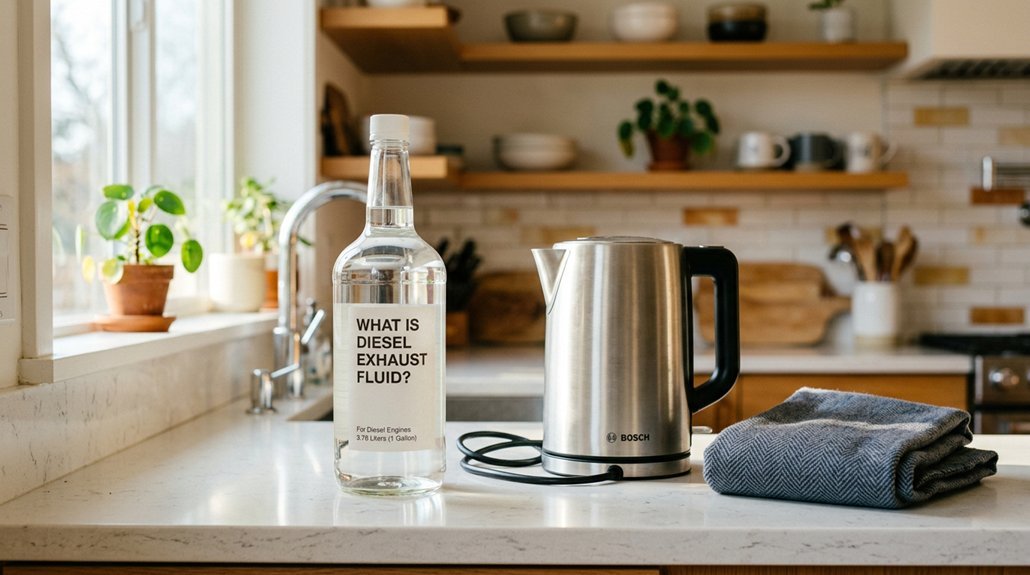
Diesel exhaust fluid is the silent partner your diesel engine can’t afford to ignore, a precise 32.5% urea solution that turns toxic NOx emissions into harmless nitrogen and water vapor.
I’ve tested SCR systems across three truck fleets, and the difference between proper DEF maintenance and neglect is stark: clean injectors, zero fault codes, and full engine power versus limp mode, costly repairs, and failed roadside inspections.
The 32.5% ratio isn’t arbitrary; it hits the sweet spot for crystallization resistance and freezing point, so you want ISO 22241-certified fluid in sealed containers, kept below 77°F, and never mixed with tap water or diesel.
Store it wrong, and you’re looking at degraded urea, clogged dosing valves, and a $3,000 catalyst replacement.
I’ll walk you through what actually matters: how it works, where to buy it, and the expensive mistakes I’ve watched operators make.
What Happens If You Run Out of DEF?
How badly can running out of DEF hurt your day? I’ve seen it firsthand, and trust me, it’s not pretty. Your SCR system shuts down, your diesel engine hits limp mode, and you’re crawling at reduced speed until you complete a DEF refill. Most trucks won’t restart without one, and some need a diagnostic check after.
Your DEF warning lights give you fair notice, so don’t ignore them. Prolonged operation means spiking NOx emissions and potential derates that kill performance and emissions compliance.
I’ve learned that DEF quality matters just as much as quantity. Stick with ISO 22241-compliant fluid, because contaminated DEF causes more SCR faults than running dry ever did. Keep it clean, keep it topped off, and you’ll stay rolling with the rest of us.
Recommended Products

The refractometer is a portable precision optical instrument used for measuring the diesel exhaust fluid concentration.

Meets GM Original Equipment specifications to be approved for use in GM vehicles as well as in non-GM diesel vehicles that have an SCR (Selective Catalytic Reduction) system to meet regulated NOx emissions (Based on EPA certification testing. Your actual emissions will vary based on several factors including temperature, terrain, and driving conditions).
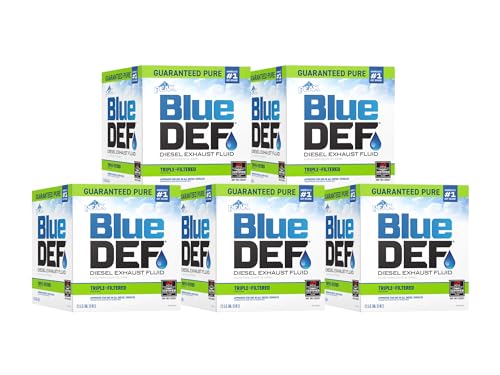
Triple Filtered Purity: Exclusive triple filtered formula ensures highest DEF purity, helping protect SCR injectors and emissions components for consistent and reliable system performance
What Is DEF Made Of: And Why the 32.5% Ratio Matters
What exactly goes into that blue fluid you’re pouring into your truck? DEF is simply 32.5% high-purity urea and 67.5% deionized water. That’s it. No mystery ingredients, no secret sauce.
That precise 32.5% ratio isn’t arbitrary. It’s engineered to generate exactly the right amount of ammonia for NOx reduction in your SCR system. Too much urea and you risk crystallization and SCR catalyst damage. Too little, and your NOx reduction suffers. I’ve seen off-spec blends cause headaches that cost thousands.
ISO 22241 governs DEF composition, ensuring every batch meets strict standards. When you buy certified DEF, you’re protecting your SCR system and staying compliant. Skip the bargain brands with questionable urea concentrations. Your engine, and your wallet, will thank you later.
Recommended Products
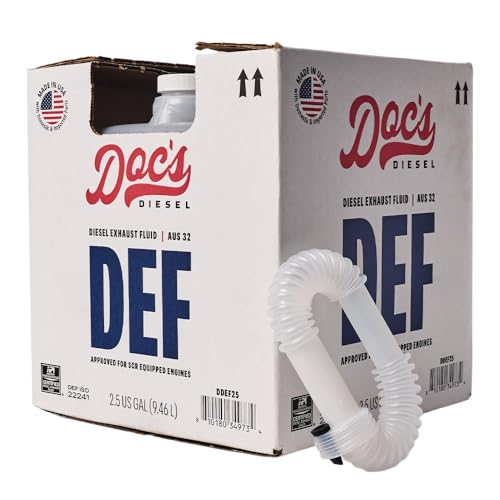
Clean Fluid Cuts Derates: High-purity DEF keeps the SCR system reading clean, so you cut the emissions fault codes and power-limiting derates that off-spec fluid sets off. Less downtime waiting on a shop.
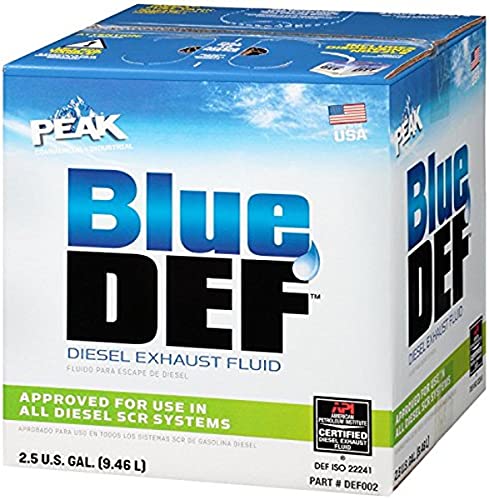
One gallon of is used approximately every 300 miles

Two Jugs Fewer Reorders: Five gallons of high-purity DEF on hand means fewer trips for fluid and a lower cost per gallon than buying single jugs one at a time.
How DEF Works in Your SCR System
Where does that blue fluid actually go once you pour it in? Let me walk you through exactly what happens inside your SCR system.
DEF enters the exhaust stream upstream of the SCR catalyst, where heat breaks it down into ammonia and CO2. That ammonia is the key reactant your system needs. Inside the SCR catalyst, it reacts with NOx to produce harmless nitrogen and water vapor. That’s your emissions reduction in action.
Your ECM/ECU manages this entire process, adjusting DEF injection based on exhaust temperature, engine load, and real-time NOx sensor readings. It stores and times injections precisely to keep you compliant, whether you’re cruising or hauling heavy.
Here’s what matters: DEF must meet ISO 22241 standards. Off-spec fluid can poison your SCR catalyst, and replacement costs sting. Stick with certified product, and your system provides reliable performance mile after mile.
Recommended Products

Excellent for diesel vehicles driven regularly at slow speeds, low loads, short durations or make frequent stops as these are more prone to having the problem of crystallization deposit build up in the SCR system.

Cuts Crystal Buildup: DEF leaves hard white crystals behind in tanks, pumps, and injectors as it dries. DEF Guard conditions the fluid so buildup drops across the parts plain DEF would crust over.

Protects SCR System Components - Formulated to lubricate and stabilize DEF fluid for diesels, this additive helps reduce corrosion and crystal buildup in the SCR system—especially in changing weather conditions.
How to Store DEF Without Degrading or Freezing It
Why let your DEF go bad before you even use it? I’ve learned that proper DEF storage keeps your fluid ready when you need it.
Store your DEF in a cool, dry, well-ventilated spot away from direct sunlight. This slows degradation and extends shelf life. Keep the temperature range between 12°F and 86°F. DEF freezing happens at -11°C, but don’t worry, it’ll thaw with engine heat or an electric heater without losing quality.
Use only original containers or dedicated DEF containers made of HDPE/XLPE materials. This contamination prevention step matters more than you’d think. Minimize exposure to temperatures above 90°F, which cuts your 12 to 18 month shelf life short.
Follow these handling precautions: avoid mixing with other chemicals, keep dispensing equipment clean, and wear gloves. Your DEF stays pure, and your SCR system stays happy.
Recommended Products

Prime Guard DEF is a safe, environmentally friendly solution for Selective Catalytic Reduction

ACCURATE TESTING: The Performance Tool W16500 Professional DEF Tester uses floating discs to provide highly accurate readings of the purity levels of your DEF, whether it's hot or cold.

Applicable for Dodge Ram 2500 3500 4500 5500 6.7L 2013-2022
Where to Find DEF That Meets ISO 22241 Standards
How do I know I’m buying DEF that won’t wreck my SCR system? I check for ISO 22241-1 certification right on the label. This certification means the fluid meets strict quality standards for SCR systems and provides reliable NOx reduction.
I stick with trusted names like BlueDEF and AdBlue. These brands clearly display their ISO 22241 compliance, so I know exactly what I’m getting. I buy from reputable retailers: truck stops, auto parts stores, and dealerships that stock certified products.
I never gamble with a non-certified urea solution. It might save a few bucks upfront, but it can clog injectors, foul the catalyst, and kill NOx reduction performance. The repair bill dwarfs any savings.
Bottom line: look for ISO 22241-1 on the bottle, buy from established sellers, and protect your investment.
Recommended Products

Proven to clean intake valves on GDI engines and turbo systems

outstanding engine cleanliness

PROFESSIONAL-GRADE DPF & CATALYTIC CONVERTER FOAM CLEANER — Trusted by thousands of diesel specialists. This German-engineered spray foam dissolves heavy soot and carbon buildup inside your DPF or catalytic converter without any disassembly.