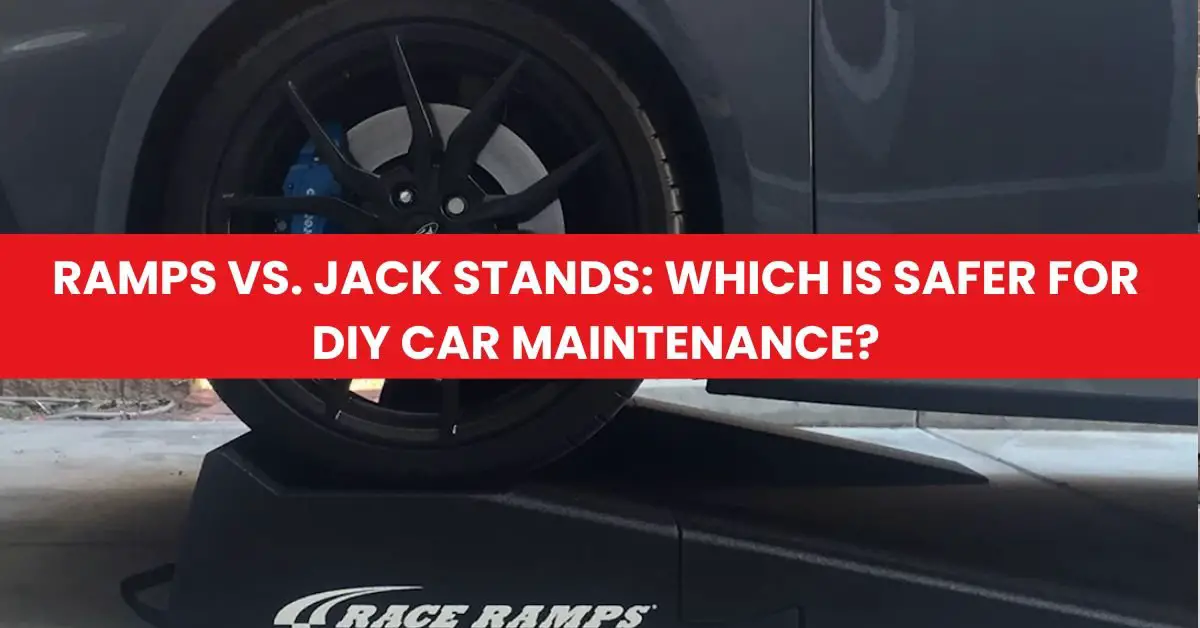
When it comes to working under our cars, we all want to ensure we’re doing it safely. The debate between using ramps or jack stands is as old as DIY car maintenance itself. It’s not just about preference; it’s about understanding which option offers the best blend of safety and convenience for our needs.
We’ve all heard stories that sway us one way or the other, but it’s time to dive deeper. Why is this discussion so relevant to us, the weekend warriors and DIY enthusiasts? Because at the end of the day, the choices we make in our garages can have real consequences. Let’s explore together the ins and outs of ramps versus jack stands, ensuring we’re all making the safest choice for our next under-car project.
Key Takeaways
- Safety and Stability Concerns: Ramps offer a simple, stable platform with a lower risk of slipping or collapsing under proper use, making them particularly suitable for quick maintenance tasks not requiring undercarriage access. Jack stands, requiring careful placement and adjustment, provide a secure foundation for tasks needing elevated access, with their stability largely depending on correct setup.
- Ease of Use and Access: Vehicle ramps are favored for their quick setup and ease of use, ideal for simple tasks such as oil changes. However, they limit access to some areas of the vehicle’s undercarriage. Jack stands, while taking more time to set up, offer adjustable height and better access for more involved maintenance tasks.
- Compatibility and Preparation: Not all vehicles are suited for ramps, especially those with low clearance. Ensure compatibility by checking vehicle and ramp specifications. Both ramps and jack stands require a level surface and the right supporting materials (like wheel chocks and rubber mats) for safe use.
- Proper Selection and Maintenance: Choosing the right ramps or jack stands involves confirming their weight capacity exceeds the vehicle’s weight and they’re made of durable materials with safety features. Regular inspection for damage and adherence to safety guidelines is crucial, regardless of choice.
- Troubleshooting Common Issues: Addressing problems like ramps sliding or jack stands wobbling before starting work ensures a safer maintenance process. Solutions include using non-slip surfaces under ramps and ensuring jack stands are placed on solid, level ground.
- Situational Preference: The decision between ramps and jack stands depends on the specific maintenance task, vehicle type, and personal safety preferences, highlighting the importance of understanding each tool’s proper use and limitations.
Recommended Products

Heavy-Duty Construction: Crafted from rugged polypropylene material, our stackable car ramps are built to withstand the toughest tasks, ensuring reliable performance for years to come.

Has a maximum weight capacity of 3,250 Lbs per ramp or 6,500 lbs. pair allowing you to safely perform vehicle repairs or maintenance on the underside of your vehicle

12,000 LB GVW CAPACITY HANDLES CARS, TRUCKS, SUVS AND VANS -- Rated at 6,000 lbs. per ramp and 12,000 lbs. per pair, these heavy duty car ramps are built to support everything from compact cars and sedans to full-size pickup trucks, SUVs, and vans including 3/4 ton and 1 ton trucks. Get safe, reliable lift for oil changes, tire rotations, brake jobs, and undercarriage inspections without wrestling with a floor jack.
Understanding Vehicle Ramps
Transitioning from the general conversation about whether ramps or jack stands are safer, turns our focus to vehicle ramps. Let’s delve into what makes ramps a choice worth considering for DIY car maintenance, highlighting their benefits and potential drawbacks. We also guide on selecting the right ramps to ensure safety and efficiency.
Recommended Products

Pair of 3 Ton (2.7 metric Ton) jack stands with 6,000-pound capacity

【3 Ton Capacity & Vehicle Fit】 Each jack stand has 3-ton (6,600 lbs) capacity, lifting range 11.22"-16.77",2.6-3.6mm steel thickness. Fits sedans/compact SUVs for garage jobs (tire changes, oil changes, brake maintenance, undercarriage work).

3 Ton Heavy Load Bearing Single stand max 3 tons, 2-pack stable support for sedans, compact SUVs and small trucks for routine maintenance.
Benefits of Using Vehicle Ramps
- Ease of Use: Unlike jack stands, ramps provide a straightforward approach to lifting a vehicle. Drive the car onto the ramps, and the job is done.
- Stability: Ramps offer a broad base of support, reducing the risk of slipping or collapsing under a vehicle’s weight, assuming they are used on a firm, level surface.
- Safety: When properly used, ramps can be safer than jack stands. They eliminate the need for jacking up each corner of the vehicle and setting it on stands.
- Time-Saving: Because of their simple setup, ramps save time, making them ideal for quick maintenance tasks.
Potential Drawbacks
- Limited Access: Ramps might restrict access to certain areas of the vehicle’s underside, making some repair jobs difficult or impossible.
- Compatibility Issues: Not all vehicles can use ramps. Low-clearance cars might not fit onto them without scraping the bumper.
- Stability on Uneven Ground: While ramps are generally stable, their safety diminishes on uneven or sloped surfaces.
- Weight Capacity: Ensure the ramps can support your vehicle’s weight. Check the gross vehicle weight rating (GVWR) in the manual against the ramp’s rating.
- Width and Height Compatibility: Make sure the ramp width aligns with your vehicle’s tire width. Also, consider the ramp’s height to ensure your car clears it without damage.
- Material and Construction: Look for ramps made of durable materials like high-grade steel or heavy-duty polymer for longevity and reliability.
- Safety Features: Opt for ramps with safety features like non-skid surfaces and wheel chocks to enhance stability and prevent accidental slips.
Understanding these elements about vehicle ramps shines a light on their advantages and limitations. While ramps offer quick and stable solutions for many maintenance tasks, selecting the right product is crucial for ensuring they meet your specific needs safely.
Understanding Jack Stands
Moving from vehicle ramps, we now focus on jack stands, a crucial tool for DIY car maintenance that offers a different set of benefits and limitations. By comparing these with ramps, we aim to provide a clearer understanding of which option might be safer and more suitable for specific maintenance tasks.
Recommended Products

Constructed with heavy-duty plastic to provide a sturdy and reliable product.

Material: High Strength Plastic Composite; Color: Black; Surface Finish: Natural

Set of 2 low profile car service ramps for easy vehicle repair and maintenance.
Benefits of Using Jack Stands
- Stability: Jack stands provide a solid foundation for your vehicle, making them exceptionally stable when placed on a flat surface.
- Adjustable Height: Unlike ramps, jack stands offer adjustable height settings, making it easier to work on various parts of your vehicle with precision.
- Durability: Constructed from high-grade steel, jack stands are built to last, ensuring your vehicle remains securely elevated during maintenance tasks.
- Versatility: They are compatible with a wide range of vehicles, from small cars to larger SUVs, as long as the weight capacity is appropriate.
Potential Drawbacks
- Setup Time: Setting up jack stands takes more time compared to driving up on ramps, as you first need to lift the vehicle with a jack before placing the stands.
- Skill Requirement: Properly positioning jack stands requires a bit more knowledge and experience to ensure safety, which might not be ideal for beginners.
- Limited Access: While they offer great stability, the presence of a jack stand under your vehicle can sometimes limit access to particular areas you need to work on.
Choosing the Right Jack Stands
Selecting the appropriate jack stands is critical for safety and compatibility:
- Weight Capacity: Always choose jack stands that can support more than your vehicle’s weight. For example, if your car weighs 3,000 lbs, opt for stands with at least a 4,000 lbs capacity to ensure a safety margin.
- Height Range: Consider the tasks you plan to undertake and ensure the jack stands have a sufficient height range to accommodate these activities comfortably.
- Material Quality: Look for jack stands made from heavy-duty steel for durability and strength.
- Safety Features: Models with a positive locking mechanism and a wide base offer increased safety and stability.
Through understanding both the benefits and potential drawbacks of using jack stands, alongside knowing how to choose the right ones, you can make an informed decision about whether ramps or jack stands are safer and more appropriate for your DIY car maintenance needs.
Are Ramps Safer Than Jack Stands?
In our ongoing discussion about DIY car maintenance, it’s crucial to tackle the topic, Are Ramps Safer Than Jack Stands? Evaluating the safety features of both tools will help us understand their proper usage in different maintenance situations.
Recommended Products

Easy Tire Change: The tire ramp with chocks simplify the tire changing process without the need for a jack or unloading the trailer. Even one person can quickly replace a tire easily, saving your time and effort. Ideal for emergencies or outdoor trips

Our MaxxHaul Trailer Jack Wheel Chock is designed to accept the front trailer jack wheel to prevent accidental or unintentional trailer movement.

Easy to use: 6" lift height to change tires on a tandem axle trailer without a jack
Comparing Safety Features
Ramps offer a stable platform that reduces the risk of slipping under load, provided they are used on a flat surface and the vehicle is driven on carefully. Their solid construction and lack of moving parts contribute to a lower risk of failure. Jack stands, while also sturdy when correctly positioned, depend on the user’s ability to set them up accurately. They feature a locking mechanism designed to hold a vehicle at an adjustable height. However, this setup presents a slight risk if not properly engaged or if the stand is positioned on unstable ground.
Situations Favoring Ramps
Ramps are particularly beneficial for tasks requiring stability and not needing access to the vehicle’s undercarriage, such as oil changes or quick inspections. Their ease of setup makes them a go-to for many enthusiasts who prioritize safety and simplicity. When a job demands minimal setup time and no height adjustments, ramps clearly shine as the safer option. Moreover, ramps safeguard against common issues associated with improper jack stand placement, including stand slippage.
Situations Favoring Jack Stands
Jack stands, on the other hand, are indispensable for maintenance tasks that necessitate access to the lower parts of a vehicle, like brake work or exhaust repairs. Their adjustable height allows for more versatile working conditions and better access to various vehicle components. For jobs requiring precision and flexibility in terms of vehicle elevation, jack stands become the preferred safety tool. With proper use—ensuring the locking mechanism is fully engaged and the base is on solid and level ground—jack stands provide a reliable and secure means to perform intricate repairs or modifications.
How to Safely Use Vehicle Ramps
Understanding how to use vehicle ramps properly is crucial for maintaining safety during DIY car maintenance. In this section, we’ll guide you through the correct setup and usage, helping ensure that ramps offer a safe alternative to jack stands when used correctly.
Recommended Products

This rubber runner has excellent durability, easy to move and install; It is affordable for any budget

Heavy Duty Outdoor Rubber Floor Mat - Designed to be tough and durable with drainage holes for water, snow, salt, and slush, this well-built rubber mat can be used as a restaurant mat, kitchen mat, safety mat, gym mat and even a bar mat.

"Diamond-Plate" rubber protector mats will protect floors or industrial equipment
Materials Needed
- Vehicle ramps: Select a pair that supports the weight of your vehicle.
- Wheel chocks: Use these to secure the wheels remaining on the ground.
- Rubber matting or plywood: Provide additional grip on slippery surfaces.
- Gloves: Protect your hands during the process.
Preparing the Vehicle and Work Area
- Select a Flat Surface: Ensure that the ground is level to prevent the vehicle from rolling.
- Check the Ramps: Inspect for any cracks, warping, or damage.
- Position the Ramps: Place them directly in front of the tires that will ascend them.
- Secure the Area: Use wheel chocks behind the wheels that will remain on the ground to prevent the vehicle from moving.
Step-by-Step Guide to Using Ramps
- Align the Vehicle: Slowly drive forward until the front tires are positioned at the base of the ramps.
- Ascend the Ramps: Continue driving very slowly and steadily up the ramp until you reach the top. The ramps should have a stopper indicating when to stop.
- Engage the Parking Brake: Once at the top, engage the parking brake to further ensure the vehicle doesn’t move.
- Check Stability: Before beginning any work, gently shake the vehicle to test stability.
- Use on a Dry Surface: Make sure both the ramps and the ground are dry to prevent slipping.
- Follow Weight Limits: Never exceed the recommended weight limit of the ramps.
- Double-check Positioning: The wheels should be centered on the ramps.
- Avoid Overreaching: If you need to apply significant force or reach extensively, reassess the vehicle’s stability.
By carefully following these steps, ramps prove to be a safe option for many maintenance tasks, combining ease of use with stable support for your vehicle.
How to Safely Use Jack Stands
Transitioning from the discussion on vehicle ramps, it’s equally crucial to understand how to safely use jack stands for DIY car maintenance. These tools, when used properly, ensure a secure and stable environment for performing under-vehicle tasks.
Recommended Products

IMPROVED LENGTH & WIDER WIDTH: Unlike other previous ramps that ignored length. This car ramps are shortened to the proper length, make the jack's working area no longer limited, can freely and efficiently use the jack and other tools that need to be placed in the chassis for use. Width upgraded to 10 in, avoided the overhang by modified cars's wider tires. NOTE: The lifting height of the tire placement position is 2.6 inches

Super Load-Bearing: VEVOR car ramp has exceptional versatility with a maximum load force of 9 tons/20,000 lbs. It is suitable for a wide range of tandem wheel vehicles, including trucks, trucks, and RVs. The car service ramp is designed with a handle for easy portability, making it ideal for tire replacements, car maintenance, and other tasks.

Shorter and Wider: Reduced length provides unrestricted working space for jacks and other tools; Upgraded wider car ramps for more safety and stability when in use
Materials Needed
To use jack stands safely, several essential materials are required:
- Jack stands matching the weight capacity needed for your vehicle
- A quality floor jack that can safely lift your vehicle
- Wheel chocks to prevent the vehicle from rolling
- Gloves and safety glasses for personal protection
Preparing the Vehicle and Work Area
Before lifting the vehicle, preparing both the vehicle and the work area ensures safety throughout the maintenance process.
- Park the vehicle on a flat, stable surface to prevent any shifting or rolling.
- Engage the vehicle’s parking brake to secure it in place.
- Place wheel chocks around the wheels that will remain on the ground to further ensure the vehicle does not move.
- Clear the area of any objects that could obstruct the maintenance work or pose a tripping hazard.
Step-by-Step Guide to Using Jack Stands
Following a step-by-step guide helps in safely lifting and supporting the vehicle using jack stands.
- Lift the vehicle using the floor jack, positioning it under the vehicle’s designated lift points found in the owner’s manual.
- Raise the vehicle high enough to position the jack stands under the manufacturer-recommended support spots.
- Lower the vehicle slowly onto the jack stands, ensuring they’re securely in place and evenly distributing the vehicle’s weight.
- Wiggle the vehicle gently to check for stability before fully getting underneath.
- Once maintenance is complete, raise the vehicle slightly with the floor jack to remove the jack stands, then carefully lower it back to the ground.
Tips for Ensuring Stability
Guaranteeing stability when using jack stands is paramount for safety.
- Always use jack stands in pairs and ensure they are of equal height to prevent uneven weight distribution.
- Double-check that the jack stands are correctly positioned under the vehicle’s support spots before lowering the vehicle onto them.
- Regularly inspect your jack stands for any signs of wear and tear or damage. Replace any stands that appear compromised.
- Avoid working on a vehicle that is only supported by a hydraulic jack as it can fail unexpectedly.
Understanding how to safely use jack stands, coupled with acknowledging the stability and safety considerations of vehicle ramps, allows us to make well-informed decisions for our DIY car maintenance tasks. In acknowledging the pros and cons of both ramps and jack stands, we ensure our work is performed safely and efficiently.
Troubleshooting Common Issues
In our journey of exploring whether ramps or jack stands are safer for DIY car maintenance, we encounter a few common issues that might compromise safety and efficiency. Let’s address these problems directly to ensure our work is as safe and effective as possible.
Recommended Products

Handle A Big Load: Are you dealing with tough lifting jobs? VEVOR's jack stands have a 3-ton/6600 lbs loading capacity and can raise SUVs, pickups, cars, UTVs, and ATVs. They conform to CE standards, ensuring your safety during use. Feel confident during vehicle repairs!

Excellent Performance: Our jack stands 3 Ton has a flexible range of 10-levels of adjustable height, a lifting range of 11.4" to 16.9" (29-43cm). The jack stand features a wide pyramid base, providing extra strength and stable support. And the saddle has a large surface area for better contact with the load being supported

【Excellent Performance】:Our foldable jack stands has a flexible range of 4-levels of adjustable height, a lifting range of 11.42" to 16.06" (290-408mm), and a load capacity of 3 tons (6,600 lbs). Solid stamped steel construction and fine workmanship ensure jack stands is strong and corrosion-resistant.
Ramps Sliding or Shifting
When using vehicle ramps, one of the primary concerns is the ramps sliding or shifting as the vehicle ascends. This situation can be alarming and dangerous.
- Surface Check: Always position ramps on a flat, hard surface to prevent movement. Avoid using ramps on gravel or surfaces with poor traction.
- Rubber Mats: Placing rubber mats or non-slip pads under the ramps can significantly increase friction and prevent sliding.
- Drive Slowly: Ascend the ramp slowly and steadily. Quick acceleration can cause the ramps to shift.
- Check Weight Limits: Ensure the weight of the vehicle does not exceed the weight capacity of the ramps. Overburdened ramps are more likely to shift.
Jack Stands Wobbling or Collapsing
The use of jack stands is not without its troubles, with wobbling or collapsing being a concern that can jeopardize the safety of your DIY project.
- Level Ground: Position jack stands on level and solid ground. Uneven surfaces contribute to instability.
- Correct Sizing: Use jack stands that are appropriately rated for your vehicle’s weight. Under-rated stands may collapse under excess weight.
- Proper Positioning: Ensure jack stands are correctly placed under the vehicle’s designated lifting points. Improper placement can lead to wobbling or collapse.
- Stability Check: Before working, give the vehicle a gentle shake to check for stability on the jack stands. Adjust if any movement is detected.
By addressing these common issues, we aim to make your decision on whether ramps are safer than jack stands not just about safety but also about ensuring a smooth and trouble-free maintenance experience.
Conclusion
We’ve explored the ins and outs of using ramps and jack stands for DIY car maintenance. It’s clear that both have their place in a car enthusiast’s garage, each with unique benefits for specific situations. Remember, the key to safety and efficiency lies in choosing the right tool for the job and following proper setup and usage guidelines. Whether you’re leaning towards the simplicity of ramps or the versatility of jack stands, ensure you’re always prioritizing your safety. With the right approach, you can tackle maintenance tasks confidently and safely. Happy wrenching!
Related Posts:
Recommended Products

9.05° LOADING ANGLE: Gentle approach angle accommodates most vehicles; always confirm vehicle clearance height beforehand

[IDEAL FOR LOW CHASSIS VEHICLES]: This low profile car ramps is designed for low chassis cars, it has a slope of 17 degrees, which allows you to work well under the car, such as placing a jack for repairs, inspections, replacements or maintenance. It is ideal for low height vehicles, sports cars and tuners. Suitablefor home repair and professional automotive service centers. The vehicle is lifted 2.6 in off the ground. GVW is 20000 LBS.

8.6° Loading Angle: Make these car service ramps easier and safer to load low-profile cars without touching the front bumper; Measures 27-1/2" L x 7-3/4" W x 3" H (each). 2PCS/Set