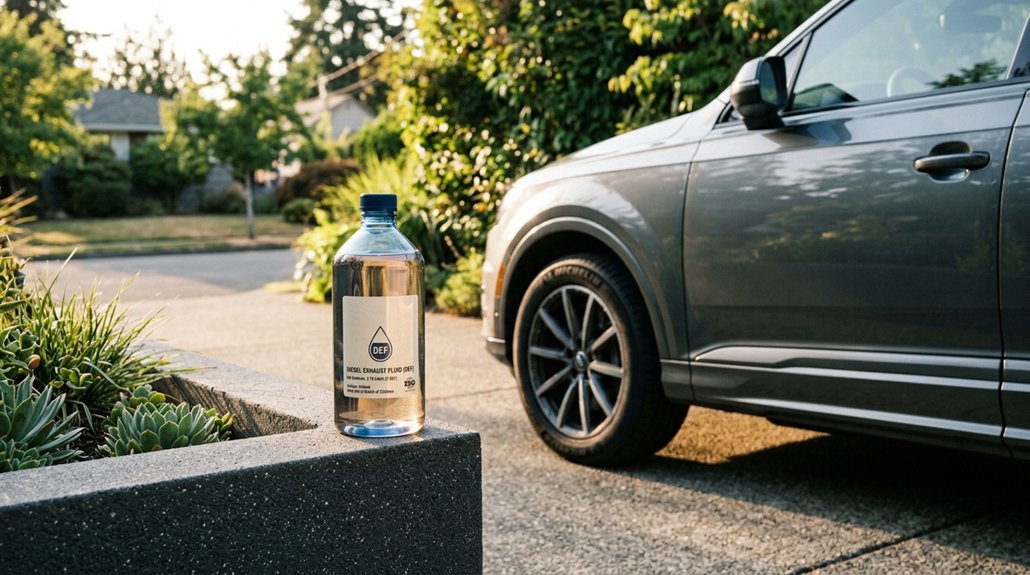
I’ve spent years testing diesel trucks across job sites and highway hauls, and I can tell you that running out of Diesel Exhaust Fluid isn’t just an inconvenience. It’s a performance killer that’ll leave your rig crawling in limp mode. DEF is a precise 32.5% urea solution in deionized water, nothing fancy, but your SCR system absolutely depends on it to convert toxic NOx emissions into plain nitrogen and water vapor.
Most heavy-duty trucks burn through 2-3 gallons every 1,000 miles, depending on load and terrain, so I always keep a 2.5-gallon jug in the toolbox. Store it between 12°F and 86°F, though, because freezing or heat degradation ruins the chemistry and triggers fault codes you’ll pay to clear.
The real question isn’t whether you need DEF. It’s whether you’re buying the right grade and handling it properly to avoid costly downtime.
What DEF Is and What Goes Into It
What exactly goes into that blue-capped tank I’ve been filling on my diesel truck? That liquid is DEF, or diesel exhaust fluid, and I’ve learned it’s more precise than I assumed. It’s 32.5% high-purity urea and 67.5% deionized water, nothing else. No additives, no shortcuts. This ratio matters because my SCR system depends on it.
I always check for ISO 22241 certification on the label. That standard ensures the urea meets automotive-grade purity and the deionized water won’t contaminate my system. Skimping on quality risks injector clogging and costly repairs.
When heated in my exhaust, DEF decomposes into ammonia and CO2. That ammonia drives NOx reduction, keeping my truck compliant and running clean. I treat it like any critical fluid: verified source, proper storage, no substitutes.
Recommended Products

The refractometer is a portable precision optical instrument used for measuring the diesel exhaust fluid concentration.

Meets GM Original Equipment specifications to be approved for use in GM vehicles as well as in non-GM diesel vehicles that have an SCR (Selective Catalytic Reduction) system to meet regulated NOx emissions (Based on EPA certification testing. Your actual emissions will vary based on several factors including temperature, terrain, and driving conditions).
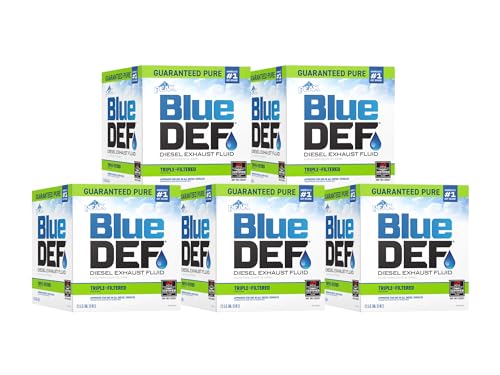
Triple Filtered Purity: Exclusive triple filtered formula ensures highest DEF purity, helping protect SCR injectors and emissions components for consistent and reliable system performance
How DEF Cuts NOx Emissions in SCR Systems
How does a clear liquid turn my diesel’s exhaust from dirty to clean? It’s simpler than you’d think, and I’ve watched this chemistry work firsthand in modern diesel engines.
Here’s what actually happens inside your SCR system:
- DEF sprays into hot exhaust before the SCR catalyst, breaking down into ammonia.
- That ammonia meets NOx in the SCR catalyst, converting both into harmless nitrogen gas and water vapor.
- Smart DEF dosing adjusts in real time based on temperature and NOx levels, maximizing emissions reduction.
This process lets diesel engines run lean and efficient while hitting strict EPA and Euro VI standards. Get your DEF quality right (ISO 22241), and you’ll avoid derates or catalyst poisoning. Skip it, and you’re looking at costly repairs.
Recommended Products

Prime Guard DEF is a safe, environmentally friendly solution for Selective Catalytic Reduction
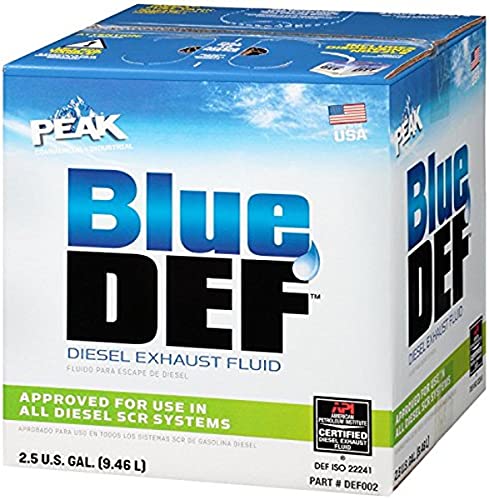
One gallon of is used approximately every 300 miles
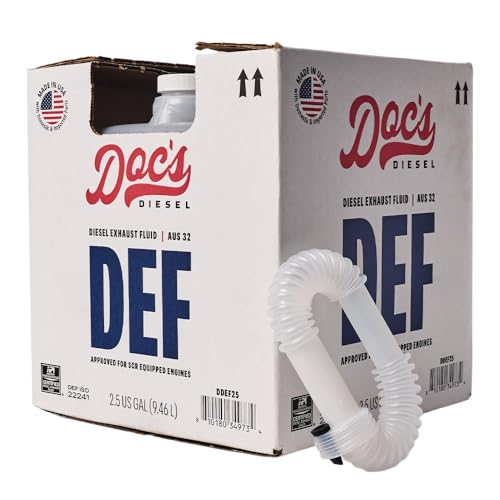
Clean Fluid Cuts Derates: High-purity DEF keeps the SCR system reading clean, so you cut the emissions fault codes and power-limiting derates that off-spec fluid sets off. Less downtime waiting on a shop.
Where to Find DEF and How Often to Refill
Understanding the chemistry is one thing, but keeping your tank full is what keeps you rolling. I find DEF at truck stops, gas stations, auto parts stores, and dealerships. Look for the blue cap near your diesel tank; that’s your DEF tank. I burn about 2, 4 gallons of exhaust fluid for every 100 gallons of diesel, so I check levels weekly.
Never ignore a DEF level alert. Run dry, and your diesel vehicles hit limp mode, cutting power until you refill. I always buy automotive-grade DEF meeting ISO 22241 standards in original, sealed containers. Contamination kills SCR performance. Keep it clean, keep it topped off, and your system runs smooth.
Recommended Products

Prime Guard DEF is a safe, environmentally friendly solution for Selective Catalytic Reduction

Multi-Use for Home, Garage, and Outdoors: This 2.5 gallon HDPE carboy handles water storage, camping, oil changes, aquarium use, and more. Ideal for automotive fluids, industrial liquids, and everyday use. A durable F-style jug built for DIY, garage, and heavy-duty applications.

DEF Fluid Pallet - Premium BlueDEF Fluid 40 Cases - BlueDEF Diesel Exhaust Fluid 2.5 Gallon Case - Pack of 40 BlueDEF Jugs
Storing DEF: Temperature, Containers, and Shelf Life
I’ve learned that storing DEF properly keeps it effective for your diesel’s SCR system. You’ll want to keep it between 12°F and 77°F, though freezing to -11°C won’t ruin it; just let it thaw naturally. Stick with HDPE or XLPE containers, and expect 12 to 18 months of shelf life if you avoid heat and sunlight.
Recommended Products

Cuts Crystal Buildup: DEF leaves hard white crystals behind in tanks, pumps, and injectors as it dries. DEF Guard conditions the fluid so buildup drops across the parts plain DEF would crust over.
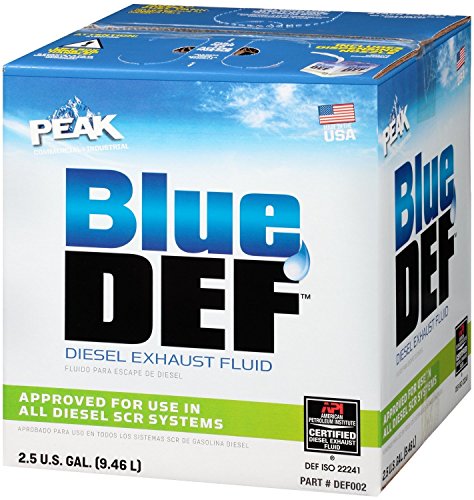
One gallon of is used approximately every 300 miles
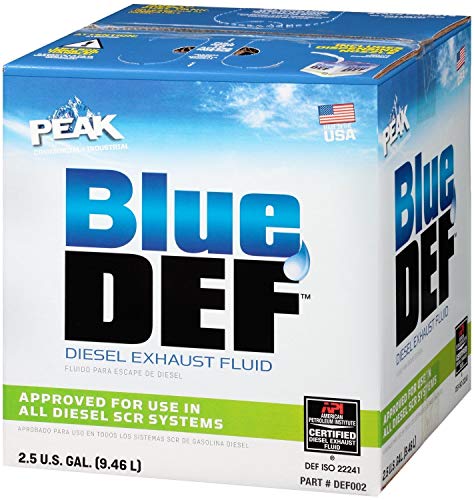
Blue Def DEF002-2PK Diesel Exhaust Fluid, 2.5 Gallon, 2 Pack
Optimal Storage Temperatures
Where exactly should you stash that jug of DEF so it doesn’t turn into a chemistry experiment gone wrong? I’ve learned that DEF storage isn’t complicated, but it requires respecting the DEF temperature range. Keep it between 12°F and 86°F, and you’re golden.
Here’s what works in practice:
- Avoid DEF freezing when possible, though your DEF heater handles thawing if it happens
- Block heat above 90°F, since that causes DEF degradation and shortens your 12–18 month shelf life
- Prioritize contamination prevention with tight caps, cool dry spots, and zero sunlight exposure
I’ve seen properly maintained storage conditions save injectors and preserve purity. The sweet spot exists, and hitting it keeps your diesel running clean without drama.
Container Material Selection
Temperature control matters, but your container choice can make or break your DEF quality just as fast. I always stick with container materials that won’t react with the fluid, specifically HDPE, XLPE, or FRP. These plastics provide proven compatibility and won’t contaminate your supply.
I’ve seen too many operators grab whatever jug is handy, and that’s a costly mistake. Avoid corrodible metals like certain aluminum alloys; they’ll degrade fast and ruin your DEF. Keep those containers tightly sealed for contamination prevention. Even small impurities can damage your SCR system.
Your DEF shelf life depends heavily on proper DEF storage practices. Store away from fuels, oils, and anything that could cross-contaminate. The right container protects your investment and keeps your diesel running clean.
Shelf Life Factors
How long can you actually count on that jug of DEF sitting in your shop? Typically, you’ve got 12 to 18 months from the manufacturing date, but your storage conditions determine whether you hit that mark or watch your investment degrade prematurely.
I store mine between 12°F and 86°F, knowing freezing risk isn’t fatal; your engine heat thaws it, though dedicated heaters work too. Push past 90°F and exposure to heat cuts DEF shelf life roughly in half. I’ve seen it happen in unventilated sheds.
Here’s what separates savvy owners from those learning hard lessons:
- Monitor storage temperature religiously, keeping jugs cool, dry, away from direct sunlight
- Choose proper container types; HDPE, XLPE, or stainless steel, sealed tight against contamination
- Inspect for degradation signs; crystallization, or cloudiness before pouring
Your diesel depends on your vigilance.
Why Your Diesel Enters Limp Mode (and How to Fix It)
Why does your diesel suddenly feel like it’s fighting you, refusing to accelerate past a crawl? You’ve hit limp mode, and it’s your SCR system protecting itself. Your ECM/ECU constantly watches DEF level, purity, and injection rate. When exhaust fluid drops low or DEF quality looks suspect, the system triggers this slowdown to prevent NOx emissions violations.
I see this happen when drivers ignore the warning lights. The computer cuts throttle response, capping speed around 5–20 mph depending on your rig. It’s frustrating, but it’s designed to save your expensive emissions hardware.
Fixing it is straightforward: refill with ISO 22241-compliant DEF, run the system check, and you’re back to full power. Skip the cheap stuff; your engine knows the difference.
Recommended Products

Constructed from high- quality, heat-resistant materials for long-life durability

Excellent for diesel vehicles driven regularly at slow speeds, low loads, short durations or make frequent stops as these are more prone to having the problem of crystallization deposit build up in the SCR system.

Direct replacement - this diesel exhaust fluid (DEF) filler cap is designed to match the fit and function of the original cap on specified vehicles
Driving Without DEF: Risks, Myths, and EPA Guidance
I’ve seen too many drivers panic when their truck suddenly loses power on the highway, and that’s exactly what happens when you ignore DEF warnings on an SCR-equipped diesel.
The EPA’s latest guidance pushes manufacturers to roll out software updates that cut down on these harsh derates while still keeping your emissions in check, which means fewer unexpected shutdowns during critical hauls. If you’re running a fleet or just depend on your diesel daily, you’ll want to stay current on these updates and treat DEF levels like fuel, because running dry isn’t just inconvenient, it can leave you stranded with a repair bill that hits harder than a simple fluid top-off.
Recommended Products

RISLONE DIESEL DEF TREATMENT is an anti- crystallization solution that is used every time filling the DEF / AdBlue tank.

[FITS] - Compatible with Land Rover Discovery 5, Range Rover Sport, Range Rover Full Size L405, Range Rover Velar, and Range Rover Evoque, diesel vehicles only (see exact model years below). Also is OE spec for other makes as noted.

[FITS] - Compatible with a range of BMW diesel model vehicles that use OE specification part # 83190441139 fluid. Compatible with select BMW 1, BMW 2, BMW 3, BMW 4, and BMW 5 models (see exact model code list below.)
Limp Mode Risks
When I see that DEF warning light flicker on the dash, I know I’m on borrowed time. I’ve watched too many diesel owners learn this lesson the hard way. Let me break down what actually happens when you ignore your DEF level.
Your SCR system detects critically low DEF and triggers limp mode, cutting speed to 5 mph. Continued driving forces a derate that protects your emissions hardware from NOx damage. Bypassing the system with myths or substitutes destroys SCR function and voids warranties.
I’ve tested these limits in real-world conditions. The emissions compliance isn’t just bureaucracy, it’s engineering that keeps your diesel running clean. Operating without DEF doesn’t just risk shutdowns, it escalates repair costs exponentially. Trust the warning lights, they’re cheaper than a new SCR catalyst.
EPA Guidance Updates
Limp mode hits hard, but the EPA finally stepped in with practical relief.
Their EPA guidance lets manufacturers push in-use updates to fix SCR-related derates when DEF runs low or sensors misread. No extra paperwork, no delays. I see this as a win for anyone running diesel vehicles hard. These updates keep your SCR system reducing NOx properly, meeting emissions standards without the punishing speed drops that strand you roadside.
The agency wants manufacturers working directly with fleets, targeting engines hit hardest by DEF headaches. You get compliance plus uptime. It balances clean air rules with keeping trucks moving, commerce flowing. For operators tired of limping to the shoulder over a sensor glitch, this guidance provides real-world relief.