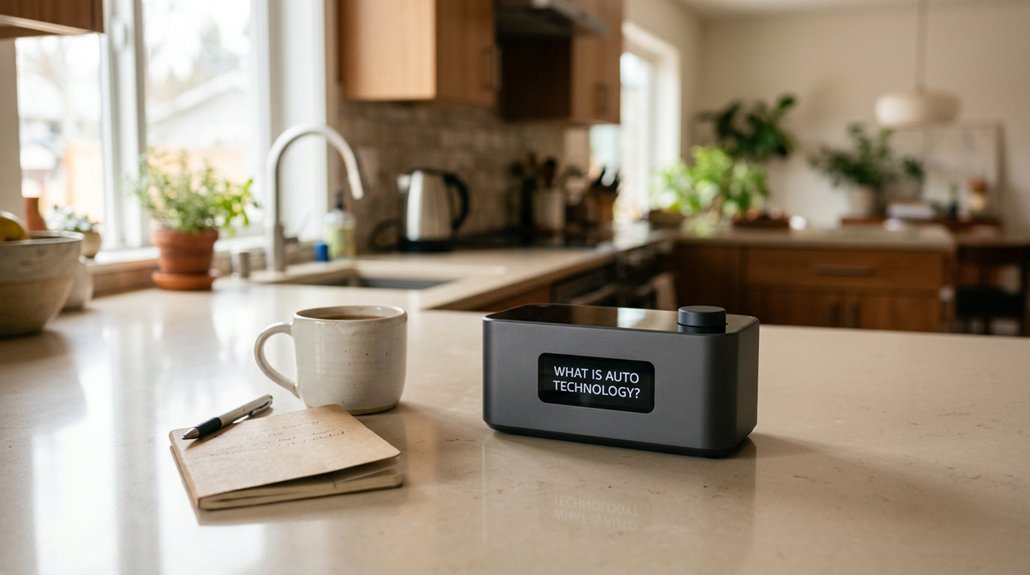
I’ve spent years in auto bays, and I’ll tell you straight: auto technology isn’t just turning wrenches anymore. You’re running diagnostic scanners that pull codes from a car’s brain, testing hybrid battery packs at 300+ volts, and tracing CAN bus networks that control everything from throttle response to climate control.
A solid program gives you 60% hands-on time minimum, real engine teardowns, and exposure to manufacturer-specific tools like GM’s Tech 2 or Ford’s IDS. Skip places that park you in lecture halls with decades-old training aids.
The field pays median $47,000 starting, but ASE Master Techs with diesel or EV specialization clear $75K+ in fleet roles. What separates the pros from the parts-changers isn’t just skill; it’s knowing which credentials actually open doors.
What Auto Technicians Do Day to Day
What does an automotive technician actually do when the shop doors open? I step onto the shop floor ready for anything from routine oil changes to complete engine replacements. Every day brings different challenges, different vehicles, different problems to solve.
My work centers on engines, complex electronics, and the diagnostics that pinpoint what’s actually wrong. I’m not just turning wrenches; I’m interpreting what the vehicle tells me through codes, sounds, and test results. Modern cars pack more computing power than spacecraft from decades ago, so I rely on hands-on training that taught me to adapt as systems evolve.
I perform service, maintenance, and repairs across passenger vehicles, sometimes fleet operations too. The job demands staying current with new diagnostic tools and advancing technology. Without continuous learning, I’d fall behind fast.
Recommended Products

Multi-Functions - Practical Multi-Functions OBD2 code reader features built-in OBD2 DTC lookup library, which help you to determine the cause of the engine light, read code, erase code, view freeze frame, I/M ready, vehicle information, data flow, real-time curve, get vehicle speed information, calculate load value, engine coolant temperature, get engine speed.

【Diagnose Check Engine Light in Seconds – No Mechanic Needed】The FOXWELL NT301 OBD2 scanner instantly reads & clears engine fault codes (DTCs) with one click. Simply plug into the 16-pin DLC port, turn ignition on, and get accurate results within seconds—No prior car knowledge required. Save hundreds on dealership fees by knowing exactly what’s wrong before you visit a shop. The #1 choice car scanner for DIYers and car owners who want to take control of their vehicle’s health

The only official protective EVA bag for ANCEL AD310, AD410, AD530, VD500, VD700, HD601, JP700, BD310 FX2000 FX3000 OBD2 scanner and BST200, BA101, BM200 PRO battery tester. (Scanner and accessories in the photos are not included).
How Long Is Auto Tech School? Certificate vs. Degree Timelines
How quickly can you get trained and start earning? I’ve looked into Automotive Technology programs, and timelines vary sharply based on your goals.
Certificate programs run six months to two years. These fast-track options get you into shops fast, with hands-on training in brakes, engines, and diagnostics. I recommend these if you need income quickly and learn well by doing.
Certificates fast-track you into shops with hands-on training—ideal if you need income quickly and learn by doing.
An Associate Degree takes two years and about 60 credits. It builds broader skills and opens doors to management later. Bachelor’s programs stretch four years with 120 credits, suited for engineering or corporate tracks.
Some schools embed manufacturer training, like Nissan/Infiniti certifications, directly into coursework. These credits transfer and strengthen your resume immediately.
Bottom line: certificates give you speed, degrees give you flexibility. Choose based on your timeline and where you want to land.
Recommended Products

The OBD-II breakout box with male and female header connectors, so that this breakout box can be placed between the vehicle and the diagnosis tool. Very handy if you want to measure CAN bus signals.

CEL Doctor: The ANCEL AD310 is one of the best-selling OBD II scanners on the market and is recommended by Scotty Kilmer, a YouTuber and auto mechanic. It can easily determine the cause of the check engine light coming on. After repairing the vehicle's problems, it can quickly read and clear diagnostic trouble codes of emission system, read live data & hard memory data, view freeze frame, I/M monitor readiness and collect vehicle information

Core Skills You’ll Learn in Auto Technology Training
Where do you actually start when you’re training to fix cars? In Automotive Technology programs, I dove straight into hands-on training with real engines, fuel systems, and brakes. You’ll master powertrains from transmission to drive belts, plus the electronic diagnostic equipment that modern shops demand daily.
I spent hours troubleshooting ignition problems and testing alternative fuel systems, building skills that translate across manufacturers. Many programs partner with brands like Nissan, letting you earn manufacturer-specific credits that count toward general automotive degrees.
The mix of mechanical fundamentals and computer diagnostics prepares you for ASE certification assessments, validating you’re ready for entry-level technician work. This isn’t just classroom theory; it’s practical, repeatable expertise you’ll use from day one on the job.
Recommended Products

【Reliable Car Battery Tester】: The alternator tester can accurately determine whether the car battery needs to be replaced or if there is a power outage, and at the same time evaluate the output status of the alternator, clearly presents real-time voltage data, battery health and charging status. It can effectively prevent the battery from being damaged due to overcharging or undercharging, and extend the battery's service life.
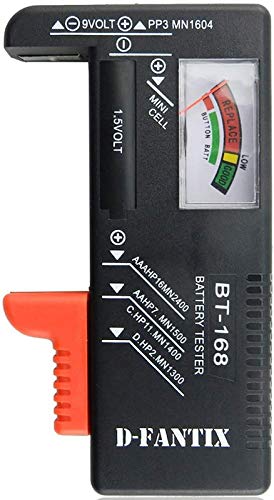
SMALL & PRACTICAL - Simple but effective battery tester checker for home (BT-168) , compact size and lightweight,easy to carry

Catch Battery Problems Early: Featured in two videos by Project Farm, a popular YouTube channel with millions of subscribers, the ANCEL BA101 helps you quickly spot battery issues before they leave you stranded. It provides easy-to-understand readings for State of Health (SOH), State of Charge (SOC), voltage, current, CCA, plus cranking and charging system tests, so you can better understand your battery and help avoid unexpected breakdowns
Training Paths: Certificates, Diplomas, and Degrees Compared
I’ve spent years testing automotive training programs, and I can tell you that choosing between certificates, diplomas, and degrees comes down to your timeline, budget, and career ceiling. Certificate programs pack essential diagnostic and repair skills into 6 to 24 months, getting you job-ready fast with ASE credentials that employers actually recognize.
Diplomas bridge that gap with more hands-on shop time. Two-year Associate and four-year Bachelor’s degrees open up management tracks and higher starting pay, roughly $45K versus $65K+ in my observed outcomes.
Recommended Products

Convenient mobility: The rolling engine cradle stand is equipped with sturdy wheels, allowing for easy transportation of small block and big block engines. No need to struggle with heavy lifting or multiple transfers when you can effortlessly roll the engine to your desired location.

Universal Fit: Designed to accommodate a wide range of engines, making it perfect for testing various automotive motors.

Two-Piece Engine Storage Stand for Small Block and Big Block Chevrolet Engine.
Certificate Program Essentials
Why settle for guessing when you’re picking an automotive training path? I’ve spent time comparing options, and Certificate programs in Automotive Technology are a strong choice for getting you started fast. These programs run 6 months to 2 years, costing roughly $2,000 to $4,000 yearly. That’s a manageable investment for entry-level credentials.
You’ll gain hands-on skills without the lengthy commitment of degrees. The National Automotive Service Excellence (ASE) backs this path with 40+ certification categories, letting you specialize where demand runs highest. I appreciate how certificates focus purely on practical competencies, not extra coursework.
For anyone wanting to join the automotive community quickly, this path works well. You start earning sooner, build experience, and can always stack credentials later. It’s a smart, flexible foundation.
Diploma Training Benefits
Certificate programs get you in the door fast, but diploma programs provide a middle ground worth considering. I’ve found that Automotive Technology diplomas hit a sweet spot: more depth than certificates, without the two-year commitment of a degree.
You’ll spend roughly 12-18 months building serious hands-on experience with engines, brakes, and electrical systems. That’s enough time to develop real muscle memory and troubleshooting instincts. The curriculum skips general education fluff and focuses on what shops actually need.
From my perspective, diploma graduates walk into entry-level technician roles with confidence. Employers recognize the balanced training. You won’t manage the shop yet, but you’ll diagnose problems and complete repairs independently.
The trade-off? Less flexibility than a degree if you later want to specialize or advance. For immediate employment, though, diplomas provide solid return on investment.
Degree Career Advantages
Step up to a degree when you’re playing the long game in automotive technology. I’m seeing how an Associate Degree opens doors that certificates simply can’t touch, and it’s worth your time if you want to belong in this field.
An Associate Degree in Automotive Technology takes about two years and 60 credits. That investment pays off with broader career options: service, maintenance, repair, or manufacturing technician roles. You’ll command higher starting pay and faster promotion tracks than diploma holders.
Employers respect the depth. While ASE certification matters, pairing it with a degree makes you indispensable. I’ve watched colleagues with degrees move into shop management and technical training positions.
The math works: two years of study versus decades of stronger earnings and job security. If you’re serious about this community, the degree proves you’re committed to mastering it.
ASE Certifications That Matter in Auto Technology
How do you prove you actually know what you’re doing under the hood? ASE certifications give you that credibility. I’ve watched technicians transform their careers through these credentials, and they matter more than you’d think.
The ASE Education Foundation evaluates programs against real industry standards. You’re looking at 40+ certification categories covering engine performance, electrical systems, brakes, drivability. Programs run 6 months to 2 years, typically 21-52 credit hours. These credentials substitute for or supplement an associate degree, directly boosting salary potential.
Employers want validated skills, not just classroom theory. ASE-certified technicians command better positions because shops trust the testing rigor. Whether you’re entering fresh or advancing, these certifications signal you belong in professional bays, not just backyard tinkering. The investment pays measurable returns in job security and pay scale.
Recommended Products

OBD2 SCANNER & BATTERY TESTER IN ONE – The INNOVA 5210 OBD2 scanner not only reads and clears check engine light and ABS codes (coverage may vary) but also functions as a car battery tester to check alternator health and prevent unexpected breakdowns.

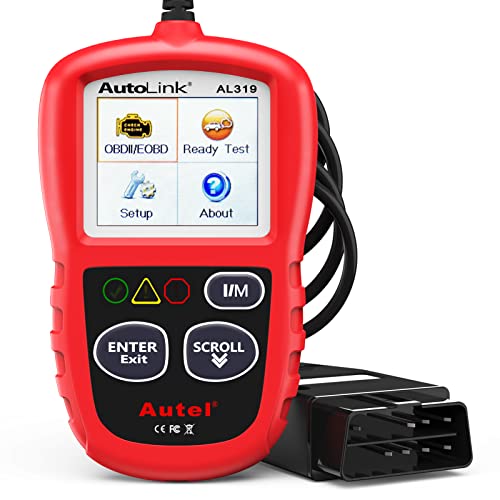
【TURN OFF CEL】 This AL319 car scanner diagnostic tool supports Reading and Clearing DTCs, DTC Look Up, displaying Live Data, Freeze Frame & I/M Readiness, view vehicle information, etc., to figure out the root cause of the Check Engine Light (CEL) and turn it off, helping you catch any potential issues early and avoid excessive costs from unnecessary repairs.
Where Auto Tech Graduates Work: Dealerships, Fleets, and Specialty Shops
I’ve spent years watching auto tech graduates land in two distinct worlds that demand different skill sets. Dealership service centers pull you into manufacturer-specific training, where you’ll master proprietary diagnostic tools and warranty protocols on late-model vehicles with tight tolerances. Fleet maintenance operations, whether municipal trucks or corporate delivery vans, reward speed and preventive care across high-mileage workhorses that can’t afford downtime.
Both paths pay well, but your daily rhythm, tool investment, and stress levels shift dramatically between them.
Recommended Products
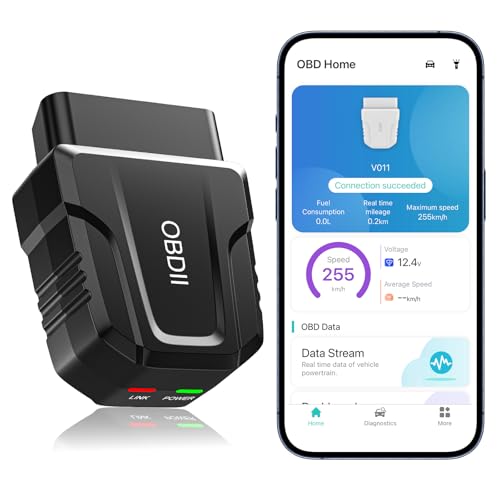
【Comprehensive Performance Testing】V011 OBD2 Scanner provides a complete diagnostic solution, giving you a thorough understanding of your vehicle's condition. It supports a variety of performance tests, support 9 protocols,👍automotive fault clearing,including fast reading of DTCs, access to electronic emission readiness, turning off CEL or MIL, resetting monitors, reading live data and retrieving the vehicle's VIN, freeze frame, sensor data, data streaming, diagnostic reports, onboard monitoring, live data streaming, and more. With these features, you can monitor your car's performance in real time and discover potential problems before they become major issues.

Understand Your Check Engine Light – The ANCEL AD410 OBD2 scanner helps everyday drivers quickly read and clear engine-related fault codes, view code definitions, and understand why the check engine light is on before visiting a repair shop. With 42,000+ built-in DTC lookups, this car code reader helps reduce guesswork and makes basic vehicle diagnostics easier for beginners and DIY users

Your Car's Personal Doctor: Say Goodbye to Check Engine Light Troubles! The YM319 OBD2 scanner swiftly reads and clears engine fault codes, pinpointing the root cause of issues. Monitor your engine's every "breath" like a pro—view freeze frame data, check I/M readiness status, run oxygen sensor tests, and more. With a built-in database of over 63,000 fault codes, it delivers precise and reliable diagnostics, making it your trusted partner for vehicle maintenance and repair.
Dealership Service Centers
Where do auto tech graduates actually start their careers? I see most of them heading straight into Automotive Technology roles at dealership service centers, and it makes sense. These places provide structured entry points, manufacturer backing, and clear advancement paths.
Dealership service centers typically slot new hires into specific tracks: service technician, brake specialist, engine performance, or transmission work. They want post-secondary training or ASE certification, plus clean background checks. In return, you get on-the-job training, brand-specific credentials, and room to grow into lead or diagnostic roles.
The work centers on warranty repairs and routine maintenance for customers who bought their vehicles there. Pay starts modest, roughly $35,000-$45,000 annually, but climbs steadily with specialization. You’ll master proprietary diagnostic tools and factory service procedures that independent shops rarely access.
Fleet Maintenance Operations
Fleet maintenance operations often catch auto tech graduates who want something different from the dealership grind. I see fleet maintenance as a smart path for techs who value consistency and want to master diverse vehicles under one roof.
Preventive maintenance drives everything here. I handle oil changes, brake inspections, tire rotations, and fluid checks across multiple makes, keeping trucks, vans, and municipal vehicles road-ready. The scheduling is tight, downtime costs money, so I standardize every procedure.
My day mixes routine service with basic electrical diagnostics. I use fleet management software alongside traditional tools, tracking repairs digitally. ASE certification matters here; employers want proof I can give rapid, consistent results.
Career growth feels tangible. I can specialize in brakes, engines, or transmissions, then move into supervision. The work is practical, the team is tight-knit, and I belong to something bigger than a single brand.
Auto Tech Salaries and Job Growth: Current Data and Trends
How much can you actually earn fixing cars in today’s market, and is the field still worth entering? I’ve looked at the numbers, and they tell a solid story for anyone considering Automotive Technology.
The U.S. technicians and mechanics workforce is projected to hit about 46,000 by 2026, with median pay around $40,000 annually. Top earners push past $100,000, especially with certifications and manufacturer-specific training under their belt.
Demand stays strong because vehicles need maintenance, technology keeps evolving, and experienced techs are retiring in waves. You’ll find openings at dealerships, independent shops, and fleet operations nationwide. Automation hasn’t eliminated hands-on diagnostic work, it’s made skilled problem-solving more valuable.
Entry-level roles build toward specialized positions with better pay. For practical people who like fixing things, this path provides real stability and growth.
Recommended Products

Comprehensive System Diagnostics – LUTIFIX enhanced OBD2 breakout box reads fault codes, pinpoints issues, monitors real-time voltage, and measures key parameters. It delivers full-system inspection from power supply to network communication for complete vehicle insight.

【Find OBD2 Connection Problems Faster】 When a scan tool won’t connect or communication becomes unstable, this OBD2 breakout box helps you quickly check the vehicle’s communication, power and ground circuits. Easily narrow down whether the issue may come from the OBD port, vehicle wiring, ECU communication or connected diagnostic equipment—less guesswork, more efficient troubleshooting.

【Detect Communication Protocol, Power Supply and Grounding Circuit】This is a professional automotive tool for the OBDII diagnostic link connector which offers easy access to the OBDIl connector for monitoring signals of protocol, power and grounds conveniently and safely. When unconfirmed signals are detected, the breakout box can also be connected to a multimeter or oscilloscope for further testing.
Program Red Flags: What to Avoid When Applying
Why would anyone drop thousands on training that doesn’t pay off? I wouldn’t, and you shouldn’t either.
When I shop for an auto tech program, I check accreditation first. Without it, your diploma might not mean much to employers. I also dig into financial aid options, scholarships, and grants like HOPE, because hidden fees can wreck your budget fast.
I avoid schools with vague course descriptions, no ASE certification pathway, or zero hands-on lab time with real diagnostic equipment. Missing monthly info sessions? That’s a red flag, they don’t want you asking hard questions. Watch out for excessive background check requirements that could block your job hunt later.
Bottom line: demand transparency, verify accreditation, and get every financial aid detail in writing before you commit.
Recommended Products
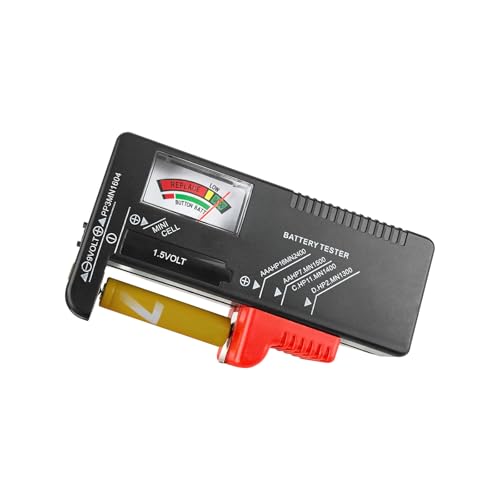
Easy to Read: Battery checker tester activated by the battery being checked, the pointer clearly show the current battery health status accurately. Replace/ Recharge-red,Low-yellow,Good-green.
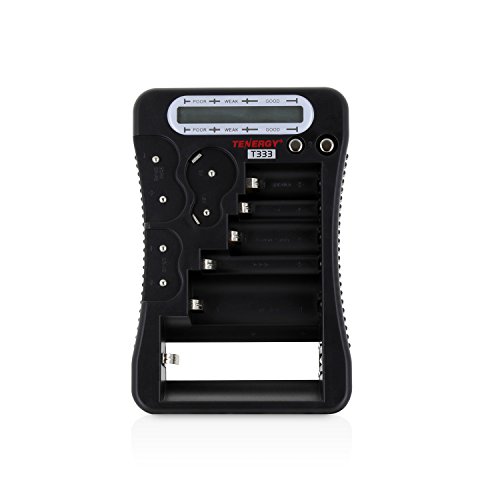
Test various sized batteries - A versatile digital battery tester that works for a variety of sizes from AA, AAA, C, D, 9V, CR123A, CR2, CRV3, 2CR5, CR-P2, and even button cell batteries as well.

Individually Tested for Safety: Safety is our top priority. Each pair of GD20KV gloves undergoes a rigorous 20KV withstand voltage test before leaving the factory to ensure dielectric integrity. Designed to meet strict industrial safety standards, providing reliable protection for high-voltage environments up to 10,000V AC