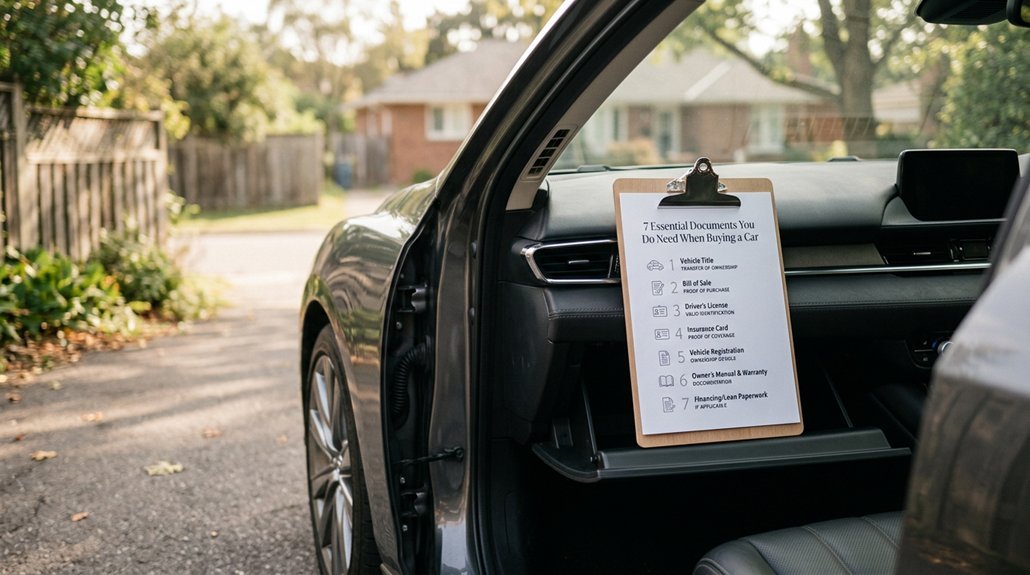
I’ve bought enough cars to know the paperwork can make or break your day at the dealership. You walk in unprepared, and suddenly you’re scrambling for pay stubs or hunting down your insurance card while the salesperson watches the clock.
That’s why I keep a folder ready: driver’s license, current insurance proof, and either bank statements for cash deals or pre-approval letters from my lender. I learned the hard way that “proof of residence” means a utility bill with my name on it, not just my license.
Trade-ins need the title, registration, and payoff info if you still owe. Bring your pay stubs too; lenders want to see stable income, usually two years’ worth.
Don’t forget discount documents either. Military ID or student status can knock real money off the price. Get these seven items organized beforehand, and you’ll control the pace instead of the finance manager.
Driver’s License: The First Document You Need
Why start with anything else? Your driver’s license sits at the heart of every car purchase, and I never head to a dealership without mine current and in hand. This single card proves your legal right to drive, satisfies identity verification requirements, and keeps purchase steps moving without awkward pauses.
I check expiration dates twice. Dealerships face strict state compliance rules, and an expired license kills momentum fast. Some lenders even demand that your name and address match financing paperwork exactly, so I bring supporting documents for any recent changes.
From test drive to final signatures, your license validates each step. It typically measures 3.375 by 2.125 inches with a magnetic stripe or barcode for scanning. Keep it accessible, keep it current, and you’ll move through the process like someone who’s done this before.
Recommended Products

Protect Your Documents: Car registration and insurance holder protects documents from wear and tear, takes up little space in the glove compartment or on the visor. It enables your essential vehicle and insurance paperwork organized and easily accessible.
![ESSENTIAL Car Auto Insurance Registration BLACK Document Wallet Holders 2 Pack - [BUNDLE, 2pcs] - Automobile, Motorcycle, Truck, Trailer Vinyl ID Holder & Visor Storage - Strong Closure On Each -](https://m.media-amazon.com/images/I/41k-QvzFVuL._SL500_.jpg)
ESSENTIAL Car Auto Insurance Registration BLACK Document Wallet Holders 2 Pieces
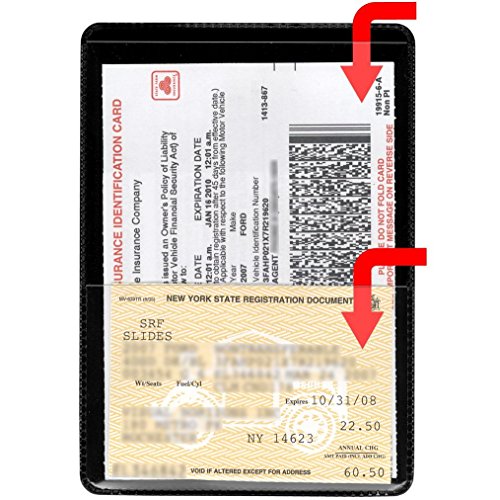
⭐ Archival Protection Each pack includes 1 sleeve made from archival-quality plastic that won’t lift ink—keeps both your insurance cards crisp, clean, and safe, day after day.
Insurance Documents Required Before You Leave
How do you plan to drive your new car home without proof you’re covered? You can’t. Dealers require active auto insurance before handing over the keys. I always bring my policy details: policy number, coverage limits, and effective dates. Lenders often request these too.
You’ll need proof of insurance, either your physical card or digital version where permitted, for both test drives and final pickup. If you’re currently insured, contact your provider before visiting the dealership to add the new vehicle. Coverage must start the moment you drive off.
No policy yet? Secure one beforehand. Dealerships won’t finalize handover without verification. I keep everything accessible on my phone and printed as backup. This step feels bureaucratic, but it’s non-negotiable. Proper documentation keeps you legal and protects your investment from mile one.
Recommended Products

【Document well organized】 Perfect designed auto car document holder, keeps all important document such as registration and insurance card, business cards, emergency information, paperwork, gas card well organized and looks much better than just scattered in the glove box.

New Set of 2 Auto Car Registration & Insurance Card Holder

👁️Quick Accessible: Inside the car insurance and registration card holder, the clear inner material makes you easy to find documents when you open it up, you can see exactly what they are and quickly show them when asked, even no need to take the stuff out.
Cash vs. Financing: Two Different Document Paths
I’ve organized my documents differently depending on whether I’m paying cash or financing, and the paths diverge quickly.
When I’m paying cash, I bring a cashier’s check or certified funds plus proof of funds, and I always verify the dealership’s cash policy beforehand. It’s faster, with no underwriting delays.
When I explore financing options, I need more paperwork. Lenders require proof of income, such as pay stubs, tax returns, or bank statements, and proof of residence, such as a utility bill or lease. Self-employed buyers sometimes need extra documentation.
I always call ahead to confirm which payment forms or financing documents the dealership accepts. This small step saves me time and keeps me in control of the process, no matter which path I choose.
Recommended Products
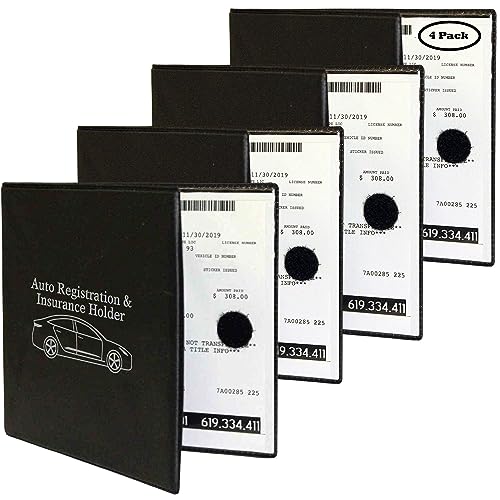
4 pack Car Registration and Insurance Card Holder for any Car, Truck, Motorcycle, or Automotive Vehicle. Easy to store In any visor or glovebox.

Crafted of archival quality polypropylene plastic that won't lift ink from your documents.

AMPLE ROOM with 6 CLEAR COMPARTMENTS: 2 full size pockets, 1 middle size pocket, 3 card size pockets. Sufficient capacity to store your vehicle registration paper, driver license, insurance documents, cards, AAA cards, papers,files, etc. So this vehicle car registration and insurance holder is ample room and can hold common documents and cards of various sizes. A good option to keep your vehicle documents and cards organized, easy organization.
Loan Approval Documents: What Lenders Actually Check
What exactly do lenders scrutinize when they’re deciding whether to approve my car loan? They want to see I can actually pay them back, plain and simple. That means gathering my proof of income, whether that’s pay stubs, tax returns, or bank statements showing steady cash flow.
Here’s what I make sure to have ready:
- Recent pay stubs or tax returns proving my income stream
- Utility bills or lease statements for address verification
- My pre-approval letter showing exactly what I can spend
Lenders also check my job stability, employer details, and how long I’ve worked there. If I’m self-employed, I bring extra documentation since W-2s don’t apply to me. Having that pre-approval letter in hand speeds everything up and shows dealers I’m serious, not just browsing.
Recommended Products
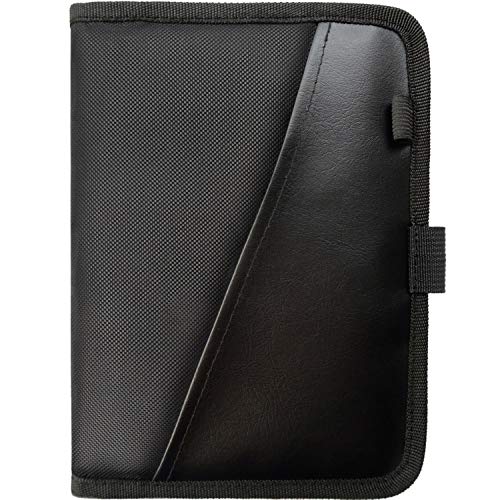
PERFECT SIZE - The size of this car document case was designed to fit most glove box compartments, larger car or truck consoles, and door pockets. Fits all your important documents and paperwork perfectly and hassle-free. Fits automotive owner manuals up to 8.3” x 6” x 1” (21cm x 15cm x 2.5cm), also fits tablets and e-readers up to 8”.

💼 CAR ORGANIZER PRACTICALITY: Car registration and insurance holder has multi-function clear compartments which can organize various items very well. The car document holder large pocket for insurance documents and 2 pockets for vehicle registration, 3 small pockets for driver's license, ID cards, AAA cards, business cards, receipt, key contact information cards, etc. It can fully meet your needs

6" x 10.5" Holder for business card! Industry Standard
Residency Documents Beyond Your License
While lenders care about your income, they also need to know where you actually live.
I keep a recent utility bill, electric or water works best, dated within 30 to 90 days, because it satisfies most residency verification requirements when my license address isn’t current. If you rent, grab your lease agreement with your name on it. Homeowners can use a mortgage statement or property tax bill. These documents prove your stability, which matters for approval.
Dealer financing documents often need separate proof of residency even when your license looks fine. I learned this the hard way during my last purchase. Bring a printed bank statement or official government mail with your name and address clearly visible. It saves time, prevents delays, and keeps you moving toward driving home.
Recommended Products


【HIGH QUALITY】: made of premium PU leather and durable vinyl PVC, strong and firm enough for your long-term use.

⭐ Twice the Clarity, Twice the Value Includes two fully transparent sleeves—perfect for multi-car households, small business fleets, or keeping a spare on hand.
Trade-In Documents: Title, Registration, and Payoff Info
Why leave money on the table? I’ve watched too many buyers fumble their trade-in, losing hundreds in the process. When I bring my trade-in title, I’m proving ownership upfront so the dealer can’t delay or lowball me. Without it, you’re stuck in paperwork limbo.
Here’s what seals the deal: your trade-in title, signed and lien-free if possible, for instant credibility; current payoff information from your lender, including exact balance and account details; and vehicle registration, matching your ID, so appraisers trust the paperwork.
I always grab every key and remote too, missing fobs cost me $200 last time. Service records? Bonus points. They show I cared, and that bumps my offer. Smart sellers come prepared, period.
Recommended Products

Customize this AYKRM safety vest with a company logo, department name, school name, event title, STAFF, VISITOR, VOLUNTEER, SECURITY, SUPERVISOR, CREW or other role text. A practical choice for businesses, contractors, schools, warehouses, event teams, volunteer groups, visitor programs and organizations that need clear team identification.

【Luxury Leather Design | Elevate Your Car's Style】Crafted with premium PU leather, this document holder features refined stitching and a smooth magnetic closure for sophisticated organization. The scratch-resistant textured surface maintains elegance while protecting your insurance cards and registration from daily wear.
Discount Documents That Save You Money
How much cash have I left on the table by not asking about discounts? I’ve learned that discount documents can open up serious dealer rebates, but only if I meet the eligibility requirements and bring the right paperwork.
Military members, veterans, first responders, students, and recent graduates often qualify for special programs. I keep my DD-214, military ID, or college transcript ready, though requirements vary by manufacturer and region. Some rebates stack, others don’t, and many need pre-approval or enrollment confirmation before I buy.
I always research active promotions before stepping onto the lot. Calling the dealership and manufacturer directly prevents nasty surprises at closing. One missing form, and I’ve lost hundreds or thousands.
Smart buyers verify everything twice. I’ve started my discount document checklist today.
Recommended Products

【Large Capacity】: The car document holder is designed for large vehicles, containing 2 big generous compartments and 4 small ones. So it can store varisized significant documents such as the registration and insurance cards, driving licenses, ID cards, business cards, receipt, and others.

Modern design and layout to match car dealership needs
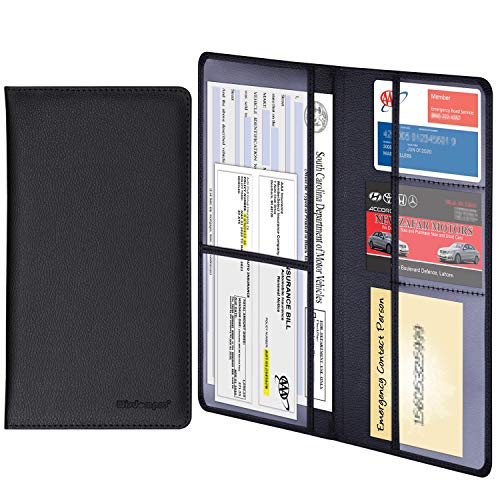
Perfect auto car document holder, keeps your registration and insurance paperwork, business cards, emergency information all well organized and looks better than papers just scattered in the glove box.