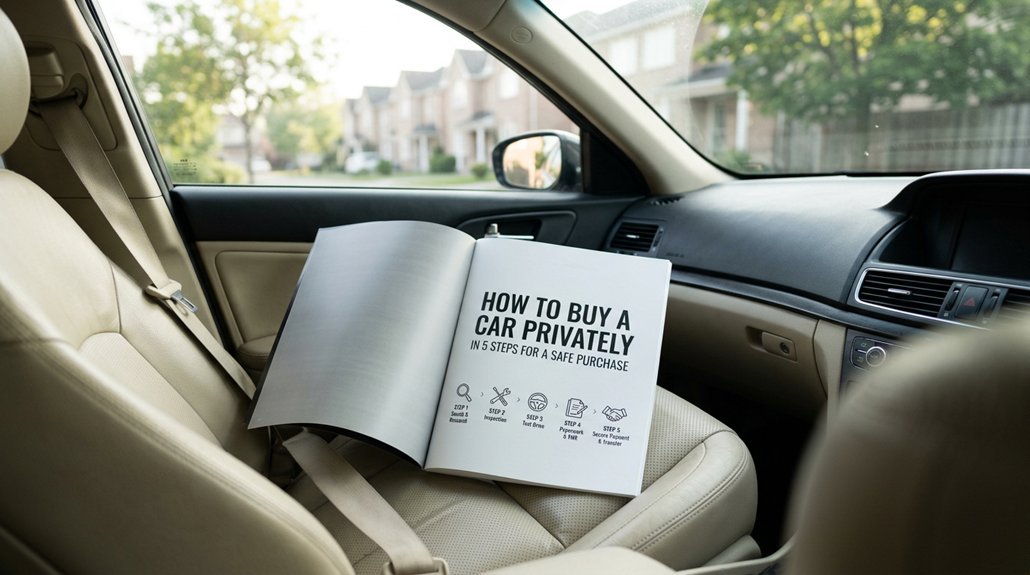
Buying a car privately might feel like walking through a field blindfolded, but I’ve walked this path enough times to know the difference between a steal and a scam. I always start with pre-approval from my bank so I know my ceiling, then cross-check the asking price against Kelley Blue Book’s fair market value.
The real detective work comes next: running that VIN through Carfax or AutoCheck, verifying the title’s clean, and demanding a bill of sale before I even pop the hood. I never skip the pre-purchase inspection at a shop I trust, because my eyes catch cosmetics while theirs catch impending transmission failure.
Once I’ve negotiated from facts, not feelings, I pay with a cashier’s check, transfer title at the DMV, and insure before the key turns. The process takes discipline, but the thousands saved make every spreadsheet worth it.
Decide Between Private Sale and Licensed Dealer
Where do you actually save the most money when buying a car? I’ve found it usually comes down to choosing between a private sale and a licensed dealer. Private sales often give you lower upfront costs and more room to negotiate, which feels great when you’re hunting for deals. But here’s the catch: you’re flying without a safety net. No return policy, limited recourse if the transmission dies a week later, and you’re handling all the paperwork yourself; bill of sale, title transfer, vehicle history checks.
Licensed dealers cost more upfront, but dealer protections matter. You get standardized documentation, recorded transactions, and official guidance from state authorities like the Florida DMV.
I weigh price against peace of mind. Sometimes saving hundreds upfront isn’t worth the risk of thousands in hidden problems.
Recommended Products

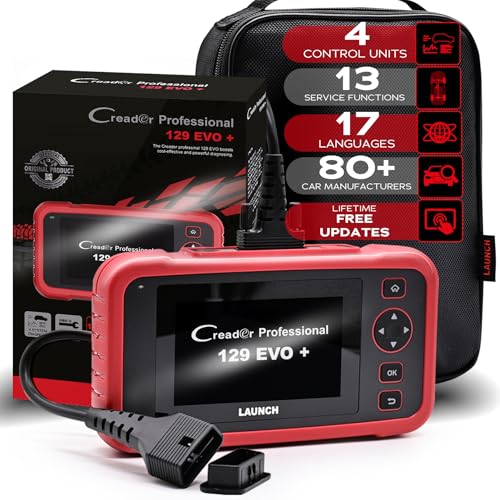
【4 System Vehicle Diagnostics】Android-based OBD2 diagnostic device for cars. Tests engine, automatic transmission, ABS and SRS. Supports reading/clearing trouble codes, live data and automatic creation of diagnostic reports.

Get Pre-Approved and Set Your Private Sale Budget
How much car can I actually afford when the seller expects cash in hand, not vague promises? I start with pre-qualification from a lender who handles private-party sales. I submit pay stubs and an application, then I know my real ceiling before I shop.
I check Kelley Blue Book and Edmunds to find the fair market value for any car I’m considering. This number becomes my anchor in negotiations, and lenders use it too; they won’t approve loans wildly above FMV.
I factor in taxes, insurance, and interest rates to see my true monthly hit. With pre-qualification in my pocket, I show sellers I’m serious, not just browsing. I set my max offer before emotions kick in.
Recommended Products

These driver's vehicle inspection report (DVIR) books comply with DOT regulations 49 CFR 396.11 and 396.13.
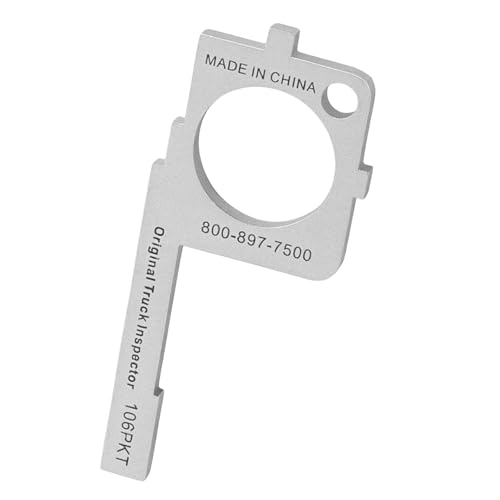
【Enhance Safety】:The truck front inspection tool is capable of performing inspections on tire tread depth, brake lining thickness, brake stroke, and windshield damage to ensure operational safety
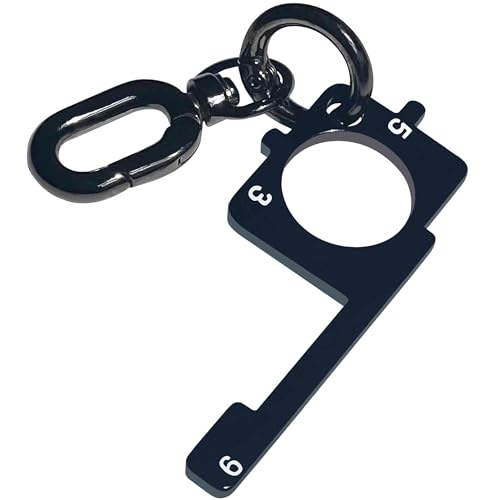
【Comprehensive 4-in-1 Check】Quickly verify four critical safety points before every trip; combines brake, tire tread, and windshield inspection functions into one essential device
Research the Car’s Value, History, and Seller Claims
Why trust a stranger’s word when thousands of dollars are on the line? I don’t, and you shouldn’t either. I always check Kelley Blue Book and Edmunds first to nail down fair market value before I even message a seller. That number becomes my anchor in negotiations.
Next, I pull a vehicle history report through Carfax or AutoCheck using the VIN. Past accidents, salvage titles, and ownership gaps surface fast. I verify every claim directly: original owner? Collision damage? Money still owed? I get specific answers.
I also confirm title status upfront and secure a bill of sale template before meeting. If there’s a lender involved, I demand a payoff letter to ensure clean transfer. This groundwork protects my wallet and keeps me in control.
Recommended Products
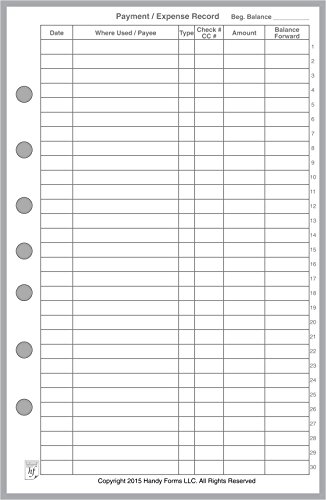
Verify Paper Size & Punch: Paper size and punch configuration can be confusing. Please refer to the image for page size comparison to be sure it will fit your notebook.

1️⃣ Take Control of Your Finances - Easily set monthly financial goals and track your income, savings, debts, and expenses. Say goodbye to budget chaos with this comprehensive financial organizer.

BASIC PAID STAMPER: This rubber stamp features the word "PAID" in a bold, red font. This stamp also has check boxes to mark which method of payment was used and a line for a memo. The transparent window lets you easily lineup your stamp every time.
Inspect Thoroughly and Negotiate Your Price
When exactly should you stop inspecting and start talking numbers? I stop only after I’ve checked everything myself, then brought in a pro.
I arrange a coordinated test drive and crawl through the interior and exterior, noting wear, leaks, and weird noises. I pop the hood, sniff for burning smells, and listen for knocks on cold startup.
I crawl through every inch—inside, outside, under the hood—hunting for wear, leaks, and the telltale knock of trouble.
I’m not a mechanic. That’s why I pay for a pre-purchase inspection at a shop I trust. They lift it, scan it, and catch the hidden stuff I’d miss, like frame damage or a slipping transmission.
I pull my vehicle history from Carfax or AutoCheck and stack those reported issues against what I found. With repair estimates in hand, I research fair market value on Kelley Blue Book, then make an offer grounded in facts, not feelings.
Recommended Products

Pay Safely, Transfer the Title, and Drive Insured
Three things can wreck a private car deal: sending money to a scammer, buying a car with a shady title, or driving off uninsured.
I always schedule my test drive and inspection before any cash changes hands. Once the car checks out, I use a cashier’s check or bank transfer, never wire transfers or cash apps that scammers love.
I verify the seller’s name matches the title exactly, confirm no liens exist, and get a payoff letter if money’s still owed. The title transfer happens at my local DMV or tag office, never in a parking lot. I complete a bill of sale on the spot, keeping copies for both of us.
Before turning the key, I call my insurance company, activate coverage, and carry proof. Smart buyers protect every step.
Recommended Products


Product Function:4-in-1 Pre-Trip Inspection Tool — designed to check tire tread depth, brake stroke, brake pad thickness, and windshield cracks

【Comprehensive 4-in-1 Check】Quickly verify four critical safety points before every trip; combines brake, tire tread, and windshield inspection functions into one essential device