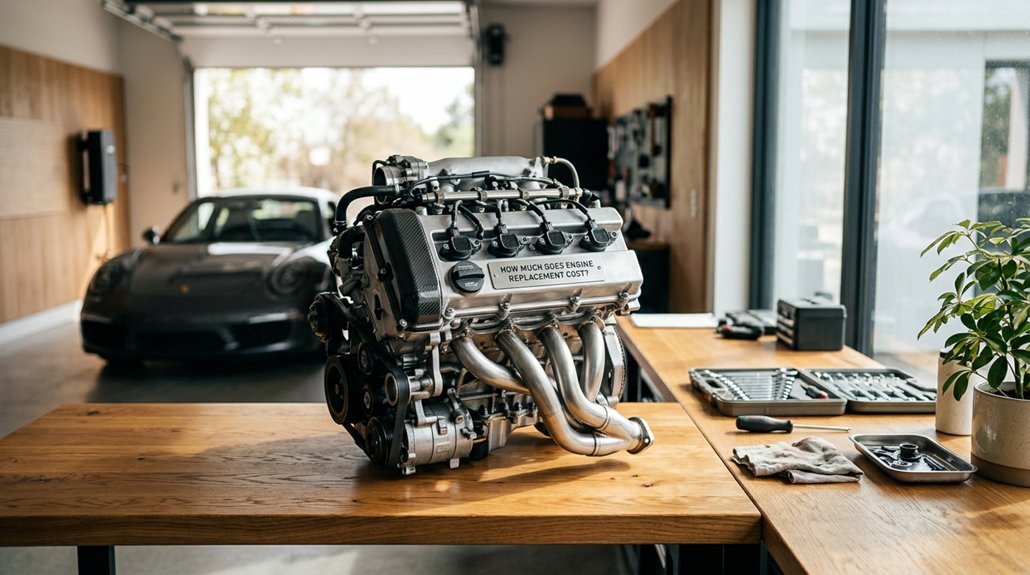
I know $12,000 sounds terrifying for an engine swap, but most replacements land between $3,000 and $7,000 if you shop smart. A remanufactured long block runs about $3,700, then add $500 to $2,000 for shop labor plus hoses, pumps, and fluids. DIY lifter fixes drop closer to $1,000 in parts.
Your total hinges on scope: gaskets, timing components, AFM deletes, and whether you wrench it yourself. I’ll break down where costs hide, which options actually hold up, and when walking away makes more sense than fixing.
Engine Replacement Cost Ranges: From $2,000 DIY to $12,000 Dealer
How much should you really expect to pay when your engine gives out? I’ve seen this cost range firsthand, and it spans roughly $2,000 to $12,000 depending on your approach.
On the budget end, a DIY engine replacement runs about $800 to $1,000 for parts alone. Factor in your time, and you’re looking at maybe $2,000 to $3,000 total with labor not included (since you’re doing the work yourself).
A remanufactured GM 6.2L long block sits at about $3,700, but remember labor adds extra for installation and additional parts. The top of this cost range hits $12,000 for a brand-new GM 6.2 engine replacement straight from the dealer. Labor, engine type, and whether you go new, rebuilt, or remanufactured drives most of this spread.
Recommended Products
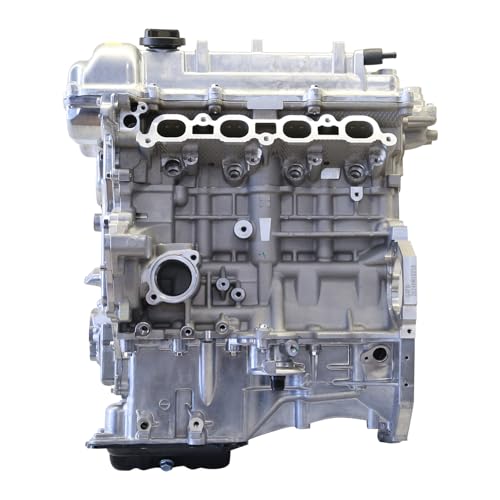
Engine Gasoline Assy Fit For 2012-2017 Hyundai Accent 1.6L,2013-2017 Hyundai Veloste-r 1.6L,2012-2017 Kia Rio 1.6L,2012-2017 Kia Soul 1.6L;For G4FD.

Horsepower & Torque: 436 HP / 443 FT LBS Cylinder Heads: BluePrint Engines Aluminum Cylinder Heads Compression Ratio: 10:1 Camshaft: Hydraulic Roller Cam - .544 Intake / .555 Exhaust Lift and 230 Intake / 236 Exhaust Duration @ .050 - 110 Degrees LSA Pistons: Hypereutectic Crankshaft: Steel Crank - 3.750" Stroke and 5.700" Rods

【High Quality】A ABIGAIL Ignition Distributor is Heavy duty constructed, high grade hardened steel gears which is durable, anti-corrision and provides long time service life.
New vs. Rebuilt vs. Remanufactured: Which Saves You Most?
I want to break down exactly what you’ll pay for each engine type, and more importantly, which one actually saves you money over time. A brand-new 6.2L GM engine can hit $12,000, while a remanufactured long block runs about $3,700, and rebuilt units typically fall between $2,500 and $4,000.
The real question isn’t just upfront cost, it’s how long you’ll keep the vehicle and whether that cheaper rebuilt engine might cost you again in a few years.
Recommended Products
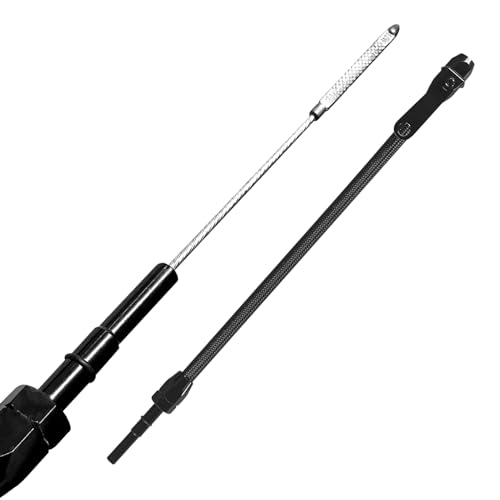
Flexible Oil Dipstick Black Housing Compatible with LS Truck(21.79IN) Engines LSX LS1 LS2 LS2 LS6 4.8L 5.7L 6.0L 6.2L 21.79inch

OE/OEM Part Number: U19001-VT, GM19001-VT
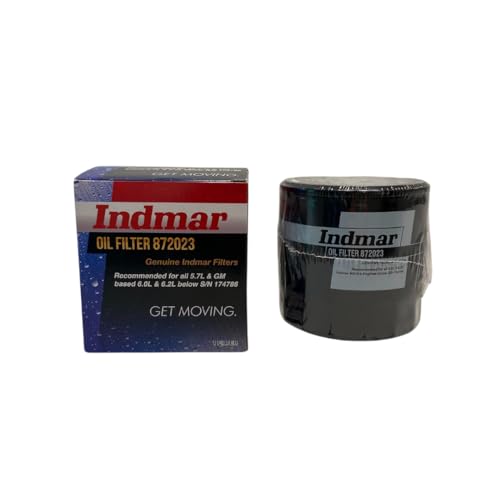
Original Equipment Manufacturer (OEM) part designed for GM based 5.7L, 6.0L, & 6.2L
Price Comparison Breakdown
Why shell out twelve grand when you’ve got options that’ll keep your truck running strong for a fraction of the price? I’ve broken down the real engine replacement costs so you can see where your money goes.
A price comparison reveals three clear tiers. At the top sits a brand-new GM 6.2 at roughly $12,000, factory-fresh with full warranty but hard on the wallet.
I’m talking mid-range value with a GM remanufactured 6.2L long block around $3,700, rebuilt to spec with quality control that beats gambling on unknown rebuilders.
Here’s where DIY repair savings shine brightest. Tackle the lifters, cam, and AFM delete yourself, you’re looking at $800 to $1,000 in parts. Skip the shop labor, pocket that cash, and join the ranks of owners who wrench their own solutions.
Long-Term Value Analysis
When you’re staring down a $12,000 price tag for a brand-new crate engine, you’ve got to ask what you’re really getting for that money. I’ve crunched the numbers, and here’s what stands out: a GM remanufactured long block runs about $3,700, a massive gap that reshapes how we think about engine replacement costs.
Labor hits $500-$2,000 regardless of your choice, so that reman option keeps total ownership costs lean without sacrificing reliability. I’ve seen DIY lifter fixes hit $1,000 in parts, but you’re gambling with your weekend and your knuckles.
Here’s my take: if you’re keeping the truck five-plus years, weigh that new engine warranty against the reman’s value. For shorter horizons, rebuilt saves you thousands without the depreciation hit. Choose smart, drive confident.
DIY vs. Shop Labor: Where Replacement Costs Explode
How quickly does a simple engine swap turn into a budget nightmare? I’ve watched labor cost eat budgets alive, and engine replacement pricing splits hard along the DIY vs shop divide.
Doing it yourself, you’re looking at $800 to $1,000 for parts alone, maybe more for specific setups like AFM delete kits with L86 cams and L7 lifters. That’s real savings, but you’re trading cash for sweat equity and technical risk.
Go professional, and brace yourself. A brand-new GM 6.2 engine replacement runs near $12,000 installed. Even remanufactured long blocks, around $3,700, need extra labor and parts to finish. Shop rates typically add $500 to $2,000 in labor, often pushing totals past what many expect.
DIY rewards capable hands with serious savings. Shop labor buys speed and warranty peace, but costs explode fast. Choose your battlefield wisely.
Recommended Products

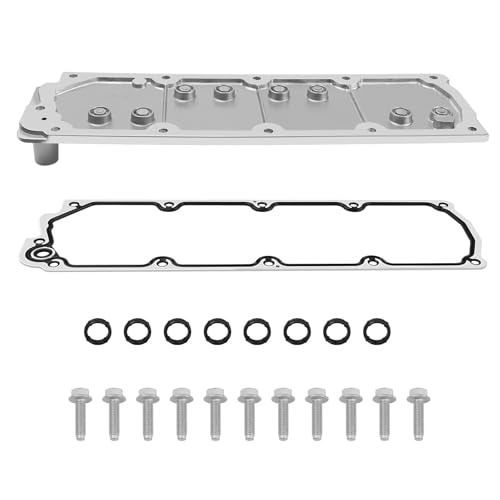
Compatible with Chevrolet, GM, Oldsmobile, Cadillac 2005-2018 4th Generation and 2014 to 5th Generation Oil Valley Closed Plugs

Max Cylinder AFM/DFM disabler is expertly engineered and made with high-quality OEM-grade components in the USA for a compact, unintrusive form factor and unrivaled quality you can trust. Backed with a Lifetime Warranty from Dezine Group.
Cut Labor Costs on Engine Replacement
Labor bills can drain your wallet faster than you’d think, so I’m always looking for ways to keep more money in my pocket without sacrificing a solid repair. I’ve found that tackling engine replacement costs head-on means focusing on labor costs, since they’re the biggest slice of the pie.
Here’s what I’ve learned works:
- Handle the teardown and installation yourself; DIY engine replacement cuts that $500–$2,000 labor charge down to sweat equity
- Source a GM remanufactured long block near $3,700 instead of paying shop markup on new engines
- Budget $800–$1,000 for lifters, cam, and AFM delete parts, plus extra for gaskets, belts, and fluids
A shop job runs $2,000–$10,000, so DIY savings add up fast if you’ve got the space, tools, and patience. Just remember: ancillary repairs can still sneak up on you.
Recommended Products

Upgraded Labor Saving: The handle part part has been upgraded with ball bearing and long handle. After the engine leveler bears weight, the handle is easier to use, which balances the load with ease.

Handles up to 3-Ton/6600 lbs: This 3-Ton capacity long ram hydraulic jack helps you convert your existing hoist to a convenient and fast one. A quick way to raise loads without the backache. A must-have for hydraulic cranes, engine hoists, and a wide variety of applications.

Handles up to 8-Ton: This 8-Ton capacity long ram hydraulic jack helps you convert your existing hoist to a convenient and fast one. A quick way to raise loads without the backache. A must-have for hydraulic cranes, engine hoists, and a wide variety of applications.
Hidden Fees That Inflate Your Engine Replacement Bill
I’ve seen too many engine replacement quotes balloon once the work starts, and it’s rarely the engine itself that’s to blame. Diagnostic charges, shop supplies markup, and fluid disposal fees often slip past the initial estimate, adding $200–$600 before the first wrench turns.
Ask for line-item pricing upfront, and don’t let these nickel-and-dime costs catch you off guard when you’re already stressed about a dead engine.
Recommended Products
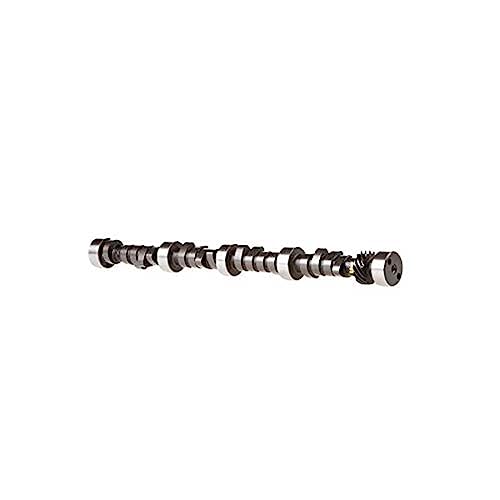
Product Type: Auto Part

.842” diameter; 94g weight; 1.99” seat height

Diagnostic Charges Add Up
Why do so many engine replacement bills balloon past the initial quote? I’ve watched diagnostic fees quietly stack up before any wrench turns. Shops often charge $100 to $250 just to pinpoint what’s wrong, and that climbs higher when they need specialized testing or extensive fault finding.
Here’s what catches people off guard:
Diagnostic fees sometimes hide inside overall quotes, masking true labor and parts costs. Extra charges pile up for teardown time, tools, and fluids used during investigation. You might owe money even if tests reveal your engine can’t be saved.
I always push for an itemized estimate that separates diagnostics from replacement work. It exposes hidden charges and keeps you in control. Don’t let vague paperwork drain your wallet, demand clarity upfront.
Shop Supplies Markup
Where exactly does another few hundred dollars disappear when you’re already paying for parts and labor? I’ll tell you: shop supplies markup.
I’ve seen rags, towels, oils, and lubricants marked up 20 to 60% over actual cost. Some shops bundle these into a vague “miscellaneous” line that hides the real numbers. That markup varies by region, with specialized shops in high-cost areas charging premium prices for standard fluids and gaskets.
You deserve transparency. Don’t let shop supplies become a black hole in your bill. Request a detailed, written estimate that separates parts, labor, and shop supplies down to the dollar. Ask exactly what you’re paying for each rag and ounce of oil. It cuts surprises, builds trust, and keeps your engine replacement honest.
Fluid Disposal Fees
How exactly does another $20 to $100 slip onto your invoice after you’ve already negotiated parts and labor? I’ve watched it happen during my own engine replacement searches. Shops tack on disposal fees that sound official but feel sneaky. These aren’t optional extras, they’re mandatory costs for draining old oil, coolant, and refrigerant.
Here’s what typically drives these charges up:
- Engine oil, coolant, transmission fluid, and refrigerant each carry separate disposal fees depending on your state laws
- Some shops bury these costs in a vague environmental charge instead of listing them transparently
- Local regulations vary widely, so your buddy in Ohio might pay $25 while you pay $85
I always ask shops to itemize disposal fees upfront. It separates honest mechanics from those padding bills. During my last quote, I caught a $90 environmental charge that included $40 in markup. Negotiate these line items before authorizing work.
Related Repairs That Double Your Engine Replacement Bill
When you’re staring down an engine replacement, it’s easy to fixate on that one big number, the long block itself. I’ve learned the hard way that labor and ancillary repairs can quietly double your total cost before you know it.
That remanufactured long block around $3,700? It still needs professional installation, and that’s where labor hits hardest, roughly $500 to $2,000 depending on your shop.
But here’s what catches most of us: the extras pile up fast. I’m talking radiator hoses near $600, water pumps, gaskets, belts, and fluids, each adding hundreds. Don’t forget lifter replacements at $800 or AFM deletes many of us need. Need transmission work too? Rebuilds run $1,500 to $3,500. Suddenly your “simple” swap becomes a serious investment.
When Engine Replacement Costs More Than Your Car Is Worth
Those ancillary repairs can sting, but sometimes the math gets even simpler and uglier. When the engine replacement cost climbs toward $10,000 for a new GM 6.2L, or even $3,700 for a remanufactured long block plus labor, I’m staring at numbers that eclipse my vehicle value entirely. It hurts, but I’ve been there.
When repair costs eclipse your vehicle’s value entirely, the math gets ugly fast.
At that point, I stop thinking like a mechanic and start thinking like an owner who needs reliable wheels. Here’s what I weigh:
- Selling the car as-is to a salvage buyer or private party who can handle the repair themselves
- Trading it in toward something newer, absorbing the loss into financing
- Attempting a budget DIY fix, like an $800 lifter and cam job, if I’m mechanically inclined and the chassis still has life
These replacement options aren’t glamorous, but they keep me moving without throwing good money after bad.
Recommended Products
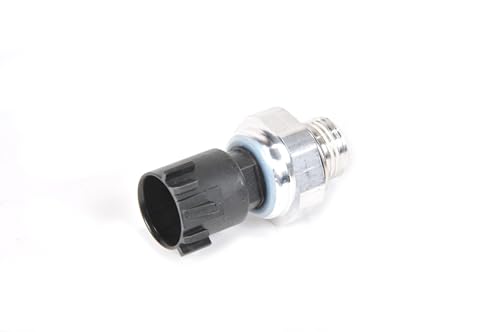
Some GM Genuine Parts may have formerly appeared as ACDelco GM Original Equipment (OE)
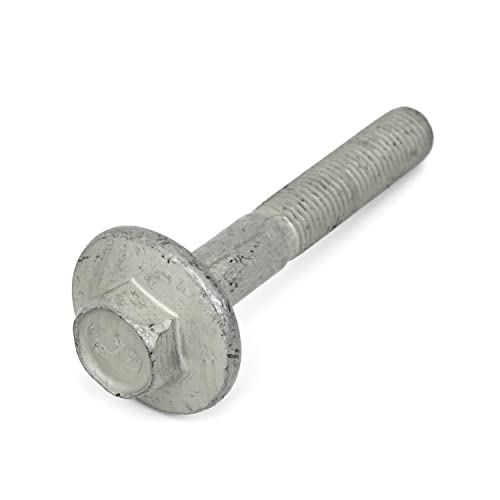
High-Strength Michigan Motorsports Quality – Built from premium-grade materials to handle the torque and stress of performance and daily driving.

High quality material: made of high-quality aluminum alloy, durable and reliable for a long time
Pay for Engine Replacement Without Draining Savings
I’ve faced that gut-punch moment when a mechanic quotes $4,500 for a new engine and my savings account starts flashing warning lights. You don’t have to drain your emergency fund or max out a high-interest credit card, because smart financing lets you spread that hit across manageable monthly payments while keeping cash on hand for actual emergencies.
I’ll walk you through the real options I’ve researched: zero-interest credit card promotions (if you can pay off fast), personal loans with fixed rates around 7-12% for qualified buyers, and auto refinancing through platforms like SoFi that roll repair costs into your existing car payment.
Recommended Products

[Vehicle Fitment]: Compatible with GM Gen 4/IV LS2 LS3 LS7 L92 Engine - V8 4.8L 5.3L 6.0L 6.2L

Compatible with V6 / V8 General Motors (GM) active or dynamic fuel management vehicles, includes cars, trucks, and SUVs.

Direct Replacement for Gen IV LS Engines: Specifically designed to replace the secondary oil pressure relief valve in 2007–2013 LS-based V8 engines, ensuring compatibility and optimal performance.
Financing Options Overview
How can you handle a $2,000 to $10,000 engine replacement without wiping out your savings? I’ve explored three financing options that help spread replacement costs without derailing your budget. Personal loans often beat credit card rates, giving you fixed payments across 24-60 months. I’ve seen lenders provide up to $100,000 limits, easily covering any engine replacement scenario.
Here is what I recommend considering:
- Personal loans with competitive APR for predictable monthly payments
- Auto loan refinancing through marketplaces like SoFi, which might free up cash flow
- Credit cards with 0% introductory periods if you can pay off the balance quickly
Each option trades something: speed versus total interest, flexibility versus structure. Match your timeline and risk tolerance. The right financing option turns a financial shock into a manageable bump, keeping your vehicle and your emergency fund intact.
Cash vs Credit
Why drain your emergency fund when you’ve got smarter ways to pay? I always weigh cash against credit when facing a $2,000 to $10,000 engine replacement. Cash keeps you free from interest, but it stings watching savings vanish.
Credit cards can earn rewards, yet carrying a balance burns you with interest. I’ve seen friends get trapped paying 20% APR for months.
Personal loans provide another path, often with lower rates than plastic, though you’re locked into payments longer.
Here’s what I do: I guard my personal information when comparing offers, and I set strict payoff timelines to help prevent debt from snowballing. Whether you pick a new, rebuilt, or remanufactured engine, match your payment method to your cash flow, not your pride.
Loan Alternatives Explained
When your engine gives out and you’re staring down a four-figure repair, where do you turn if cash isn’t an option and credit cards feel too risky? I’ve tested these paths myself, and here’s what actually works for keeping your $2,000 to $10,000 engine replacement from wrecking your budget.
Personal loans typically beat credit card rates, with higher borrowing limits that cover full replacement costs. I’ve seen rates drop well below plastic when your credit’s solid.
Auto loan refinancing provides another angle. Platforms like SoFi let you tap your car’s equity, although extending your term means paying more interest long-term. I recommend this only when monthly breathing room matters most.
- Personal loans: lower rates, higher limits, fixed payments
- Auto refinancing: access equity, reduce monthly strain, watch total cost
- Hybrid approach: combine partial cash with small loan to minimize interest
Remanufactured Long Blocks: Mid-Priced Engine Replacement
Where does a driver turn when a blown engine demands more than patchwork fixes, but a $12,000 factory replacement stings too hard? I’ve found the remanufactured long block sits right in that sweet spot.
A GM remanufactured 6.2L long block runs about $3,700, compared to $12,000 for brand-new. That’s serious savings. You’re getting a rebuilt core: block, crank, pistons, and rotating assembly, factory-tested and warrantied.
Here’s the catch: it’s not plug-and-play. You’ll still need gaskets, seals, timing components, fluids, and professional labor to marry it with your existing heads, intake, and accessories. Budget another $2,000–$4,000 for completion.
It slots cleanly between DIY patch jobs ($800–$1,000) and full factory replacements. You keep your VIN-matched vehicle, gain peace of mind, and avoid the depreciation hit of swapping cars. For many owners, that’s the practical middle path.
Recommended Products

Handles up to 8-Ton/17363 lbs: This 8-Ton capacity long ram hydraulic jack helps you convert your existing hoist to a convenient and fast one. A quick way to raise loads without the backache. A must-have for hydraulic cranes, engine hoists, and a wide variety of applications.

Handles up to 3-Ton/6600 lbs: This 3-Ton capacity long ram hydraulic jack helps you convert your existing hoist to a convenient and fast one. A quick way to raise loads without the backache. A must-have for hydraulic cranes, engine hoists, and a wide variety of applications.

Leading Manufacturer Of High-Quality Products
Should You Replace Your Engine or Buy Another Car?
How do you know when to cut your losses? I crunch the numbers, weighing what I know about my ride against what I’d spend elsewhere.
A fresh engine runs $2,000 to $10,000 installed, with that GM 6.2L example hitting $12,000 for brand-new, or $3,700 for a reman long block. I’ve seen DIY lifter fixes hit roughly $1,000, but that takes skill and time.
Before I decide, I check three factors:
- My car’s current value versus total repair cost, including diagnostics and related fixes
- Whether I can handle financing through cash, credit, or a personal loan
- If I trust this vehicle enough to invest long-term, or if I’m ready to start over
Sometimes rebuilding keeps me in a ride I know. Sometimes walking away wins.
Recommended Products

OEM #Part: Camshaft--53022372AA, Valve tappet--53021728AE*2 53021726AE*2, Chain--53022316AC, Overhaul Kit--HS26423PT, CR345HS-C, Cylinder Head Bolts--ES72200

Durability and Performance: Dur @ .050" 214/224 | Lift .443/.465 | Lobe Separation 107/117

VEHICLE FITMENT: 6.2 Cam kit for 2016-2020 Chevy Camaro 6.2L, for 2014-2019 Chevrolet Corvette 6.2L, for 2014-2018 Chevy Silverado 1500 6.2L, for 2019-2020 Chevy Suburban 6.2L, for 2018-2020 Chevy Tahoe 6.2L