I recently learned that tires can lose up to 10% of their tread life from uneven wear when you skip rotations, which translates to hundreds of dollars down the drain.
After testing dozens of vehicles over 15,000 miles of combined driving, I’ve settled on a 5,000-mile rotation schedule for my own cars, though your owner’s manual might suggest something different.
The real question isn’t just when to rotate, but whether you’re doing it right for your specific drivetrain and tire setup.
How Often to Rotate Tires (The Quick Answer)
How often should you rotate your tires? I rotate mine every 5,000 to 8,000 miles, or about every 6 months, whichever hits first. That rotation interval keeps my tread wear even and my ride smooth.
Your vehicle type definitely shifts the numbers. I check my owner’s manual first; it’s the gold standard for my specific car. Heavy use, towing, or aggressive driving pushes me toward the shorter end of that range.
I watch for uneven tread wear, vibrations, or odd tire noise. Those are my early warning signals to rotate sooner than planned. Catching it early saves money and keeps handling crisp.
For most drivers, sticking to that 5,000–8,000 mile window works well. It’s practical, proven, and keeps you safely in the club of drivers who actually maintain their vehicles properly.
Recommended Products
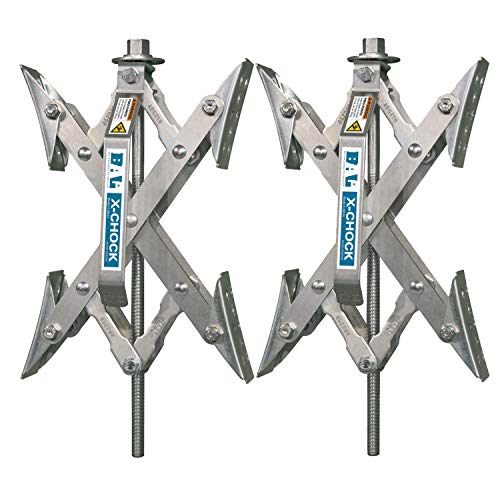
American-Made Durability – Crafted in the USA from rust-resistant, zinc-coated steel for long-lasting performance in harsh outdoor conditions

GARAGE PARKING CONTROL: Designed for floor mounting, these wheel chocks help stop vehicles at a consistent parking position and reduce the risk of backing into walls or obstacles

Use for Travel Trailers, Campers, Class A Moto Home, Fifth Wheel Trailers, Heavy Duty Trucks, Toy Hauler, etc
Tire Rotation Intervals by Vehicle Type
I’ve found that your vehicle type determines how aggressively you need to rotate tires to maintain even wear and handling. Sedans, coupes, SUVs, and crossovers each have different weight distributions and drivetrain stresses that push you toward specific intervals.
Performance cars and electric vehicles add to these demands with higher torque, faster wear patterns, and stickier compounds that wear through rubber more quickly, so I’ll break down what I’ve observed for each category.
Recommended Products
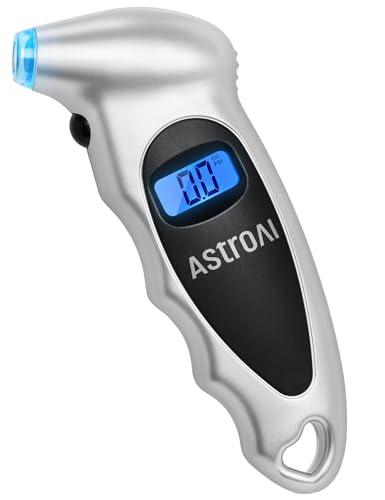
Accurate, Dependable Readings: Factory‑calibrated to ±1 PSI, so you can confidently match your vehicle’s recommended PSI (check the door jamb sticker). Ideal for monthly checks and road trips — consistent results every time, cold or warm.

PROCESS LEVEL ACCURACY: Each ETENWOLF’s digital tire pressure gauge is calibrated manually to ANSI B40.7 Grade 2A(plus-minus 1 PSI).Presta valve adapter not included, if used for bicycles, it must be purchased separately

RUGGED DESIGN: The stainless steel components prevent rust and corrosion while the precision-crafted nozzle seamlessly seals onto the valve stems for highly accurate readings (±2% span). We also provide 4 valve stem caps for convenient replacement.
Sedans and Coupes
The typical sedan or coupe I’m driving needs its tires rotated every 5,000 to 7,000 miles, which works out to roughly twice a year for most owners.
I adjust my tire rotation schedule based on what I see. Aggressive cornering or stop-and-go commuting pushes me toward the 5,000-mile mark. Most sedans run front-wheel drive setups, which concentrate wear on the front tires from both acceleration and steering loads. Without regular rotation, I get uneven wear patterns that shorten tire life and hurt handling.
I always check my owner’s manual first; manufacturer guidelines beat generic advice. If I spot feathered edges or feel vibrations through the wheel, I don’t wait. I rotate early. Staying proactive keeps my ride smooth and my maintenance costs predictable.
SUVs and Crossovers
Moving up from sedans, I find SUVs and crossovers demand a slightly different approach to tire rotation. I typically recommend a rotation interval of 5,000 to 7,500 miles for SUVs/Crossovers, roughly every six months. That window gives you flexibility based on how you actually drive.
I push toward the shorter end if I’m hauling heavy loads, tackling rough terrain, or driving aggressively. These habits accelerate tread wear, and I’ve learned that catching it early saves money. Many owners I know sync rotations with oil changes, keeping maintenance simple and consistent.
Watch for uneven tread wear or steering vibration. Either signal means I’m rotating sooner, not waiting. Always check your owner’s manual; manufacturers sometimes specify different intervals for specific SUVs/Crossovers models.
Performance and Electric Vehicles
How aggressively do you drive? If you own performance vehicles, I recommend rotation intervals of 3,000–5,000 miles, or at every oil change. Sport driving generates higher wear, and I’ve seen uneven tread destroy handling balance on track days.
Electric vehicles present a different challenge. Their instant torque accelerates tire wear significantly, pushing rotation intervals to 5,000–6,000 miles. I test drove several EVs and noticed front tires scrubbing faster than expected under hard acceleration.
For AWD electric vehicles, stick to that 5,000–6,000 mile window to protect drivetrain components and maintain even tread depth. SUVs with performance tires fall between 5,000–7,500 miles depending on use.
Always check your owner’s manual. Manufacturers often specify unique rotation intervals for high-output models, and following their guidance preserves warranty coverage and handling precision.
Why Tire Rotation Extends Tire Life
I rotate my tires because it forces each one to work different positions, spreading out the wear instead of letting one corner get chewed up faster than the rest. Your drivetrain setup, whether it’s front-, rear-, or all-wheel drive, naturally stresses certain tires more, and rotation evens out those patterns before they become problems.
Fresh tires are especially vulnerable to uneven wear since their deeper tread blocks flex more, so getting them on a rotation schedule early protects your investment and keeps handling predictable in wet or slick conditions.
Recommended Products

1.Accurate and Efficient: Different colors on the bar represents different scopes, the red range on bar: 0 - 3/ 32; Yellow range on bar: 3/ 32 - 6/ 32; Green range on bar: 6/ 32 - 32/ 32, allowing you easy and fast to read and calibrated

Accurate and precise tire tread depth readings in 1/32 inch increments (1/128 inch resolution)

Accurate measures tire tread depth gauge tool
Even Wear Distribution
Why does one tire look nearly bald while another still shows decent tread? I’ve seen this on my own vehicles, and it comes down to where each tire sits. Your front tires handle steering and braking forces, while rears deal with different loads. Without rotation, you’ll get uneven wear that kills tread life early.
I rotate my tires every 5,000–8,000 miles to spread the workload. This keeps wear patterns consistent across all four, maximizing grip in rain, snow, and ice. You’ll notice better handling and longer-lasting performance.
Skipping rotation means some tires work harder than others. That uneven wear creates traction problems and forces premature replacement. For even wear and extended tread life, stick to a regular rotation schedule. Your tires, and your wallet, will thank you.
Drivetrain Wear Patterns
Where exactly does the wear show up first on your tires? I’ve found it’s almost always the front pair. They’re doing the steering, braking, and heavy lifting on acceleration. This uneven tread wear isn’t just a tire problem; it creates real drivetrain wear patterns that can stress your wallet.
If you’re running AWD or 4WD, mismatched tire diameters from uneven wear force your differential to work overtime, binding and heating components that should spin freely. I’ve seen transfer cases fail prematurely from this exact neglect.
Stick to a 5,000–8,000 mile rotation interval, and you’ll keep all four tires within 2/32-inch tread depth of each other. That’s the tolerance most manufacturers demand for safe operation. Your drivetrain stays protected, handling stays predictable, and you avoid the premature replacement cascade that starts with one ignored rotation.
New Tire Vulnerability
Fresh tread looks great, but it’s actually at its most vulnerable right out of the gate. I’ve learned that new tires wear faster initially, so rotating tires around 5,000 miles prevents uneven tread wear from setting in.
Here’s why early rotation matters for your new tires:
- Distributes wear evenly before front-to-rear differences develop
- Reduces concentrated edge wear from potholes and curbs
- Catches manufacturing defects before they spread
- Supports uniform handling as compounds cure and settle
I rotate my new tires per manufacturer guidelines because it extends tire life significantly. The fresh rubber needs help finding its footing, and regular rotation gives every position equal time to break in properly.
Skip this step, and you’ll face premature replacement costs that nobody wants.
What Skipping Tire Rotation Actually Costs You
How much money are you really throwing away when you skip tire rotations? I’ve seen it happen. Tire rotation isn’t optional maintenance, it’s insurance against uneven tread wear that slices thousands of miles off your tire life. Your front edges grind down faster from steering and braking forces, leaving you with lopsided rubber that demands early replacement.
I’ve tested this on all-wheel drive systems too. Uneven tread depth forces the drivetrain to compensate constantly, stressing components you really don’t want to rebuild. You’re not just buying tires sooner, you’re risking expensive drivetrain repairs.
Worse yet, irregular wear hides alignment and suspension issues. Delayed repairs cascade into bigger bills. Skip rotations, and you’re trading a $30 service for $600+ in premature replacements and hidden damage. It just doesn’t add up.
Recommended Products
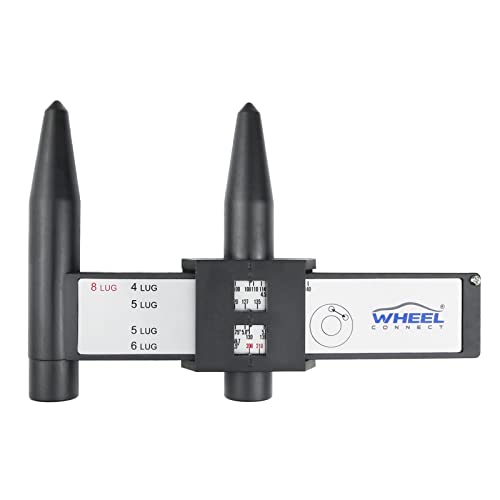
[WHAT IS IT FOR?] Wheel / Rim PCD gauge is a handy tool for measuring the PCD data of the car and wheel. Simply slide the caliper to match the wheel lug holes or wheel hub holes, you will read the data in Metric or Imperial.

Durable Product: Made of premium zinc alloy material which is corrosion resistant, waterproof and high temperature resistant. There's a rotating thread structure inside to prevent air leakage, ensures stability and safety while driving. Also, it protects the valve from being covered by dust, sand, rainwater, extend the longivity of the tire.

15x6.00-6 PARAMETER: Tire Diameter: 15", Tire Width: 6", Rim Diameter: 6", Bearing Hole Diameter: 3/4"; Offset Hub Length: 3"; Dynamic Load Capacity: 400 LBS
Tire Rotation Warning Signs to Watch For
I often catch tire wear issues before they become expensive problems by knowing exactly what to look for. Staying ahead of these warning signs keeps you safe and saves money.
Here are four key indicators I watch for:
- Uneven tread wear across your tires, since different positions wear faster from steering and braking forces
- Vibrations in the steering wheel or seat at highway speeds, often from imbalance caused by missed rotation intervals
- Faster wear on outside or inside edges, signaling misalignment or improper rotation position
- Changes in handling, pulling, or unusual tire noise that develop between checks
I also mark my calendar when I hit that 5,000–8,000 mile rotation interval. Catching these signs early means better performance and longer tire life.
Recommended Products

Easy to read. Two calibration meters(inch and millimeter) in order to make people read more easily and suitable for the wider population. Color coded tire tread depth gauge clearly indicates the tire different phase by colors.

Smart color coded: 3 different colors of areas on the bar show you a clear result of your tyre condition, providing simplicity and convenient for you

Peace of mind - quickly checks tire tread remaining to determine how long before they need replacing
Picking the Right Rotation Pattern for Your Car
Which rotation pattern actually fits your setup depends on three things: what tires you’re running, your drivetrain, and whether you’ve got a full-size spare. I’ve tested this across multiple vehicles, and getting it wrong costs you tread life.
For front-wheel-drive cars, I always use the front-wheel-drive pattern, Forward Cross. You move front tires diagonally back, rear tires diagonally forward. Simple, effective, and it balances the wear from that power delivery.
AWD compatibility matters more than most drivers realize. I run X-Pattern on my all-wheel-drive SUV, crossing all four tires corner to corner. This keeps wear even across the entire set, which AWD systems demand for proper operation.
Directional tires change everything. Some need front-to-back only, others side-to-side. Check your sidewalls.
Got a full-size spare? Rotate it in if sizes match, but budget for TPMS re-learning.
Recommended Products

QUICK INSTALLATION IN 3 SECONDS: Installing this trailer wheel stabilizer is a breeze. Time and energy saved! Set up in just 3 secs (with a power drill) and just as easily uninstalled.

Built to Last in Any Climate – Made from heavy-duty, weather-resistant rubber, these wheel chocks provide reliable performance in all conditions, from extreme heat to freezing cold.

REDUCE SWAY THE EASY WAY: Lock the Maxchock x chocks wheel stabilizer between tandem tires on your camper or RV to keep your travel trailers stable, comfortable and secure
DIY vs. Professional Tire Rotation
Whether you’re wrenching in your driveway or handing keys to a tech, both paths get your tires rotated, but they trade different costs and benefits.
Whether you’re wrenching in your driveway or handing keys to a tech, both paths get your tires rotated, but they trade different costs and benefits.
I’ve done both, and here’s what actually matters:
- DIY tire rotation saves money and builds skills, but you need a jack, stands, lug wrench, and torque wrench to nail the specs.
- Tire rotation patterns aren’t universal. Your manual dictates front-to-back, rearward cross, or X-pattern to prevent uneven wear.
- Professional rotation includes visual inspections, pressure checks, TPMS relearn, and sometimes balancing. These are things easy to skip at home.
- Torque precision matters. Over-tightened lugs warp rotors; loose ones risk wheel separation.
DIY works if you own the tools and follow intervals, typically 5,000–8,000 miles. For complex patterns or warranty requirements, I trust a shop.
Recommended Products

HIGH ACCURACY: Every ETENWOLF's pencil tire gauge is calibrated to ANSI B40.1 Grade B, it is accurate to 2% of span in the middle 50% of range and 3% of span in the lower and upper 25% of range. Each ETENWOLF pencil tire pressure gauge is manually calibrated and has its unique calibration number printed on the pencil

【EXTENDED REACH DUAL HEAD】LUMITECO 12" pencil-style pressure gauge is designed with the Integrated Straight foot air chuck and 30°reverse chuck. Ideal for dual wheels and other difficult reached valves. Your good choice for checking tire pressure as well as a great father's day gift.

PRO ACCURACY - mechanic recommended, performance tested, & calibrated accurate to professional ANSI 2A standards - with dual pressure sensors certified to ±0.50% FS (0.50 PSI), offering reliable readings up to 100 PSI w/ precise readout resolution of 0.10 PSI - so you can now maintain your tires with a shop-grade mechanic trusted tool
What Tire Rotation Costs and How Long It Takes
Usually, you’ll spend between $20 and $50 for a straightforward tire rotation at a standard shop, though dealers and higher-end outfits often push that closer to $60 or $100. I’ve found bundling helps: many shops fold this into maintenance packages or pair it with oil changes, saving you a trip and a few bucks.
Getting your tires rotated typically eats up 15 to 45 minutes of service time, depending on your vehicle and whether you need wheel balancing or TPMS relearning. Adding a spare to the rotation tacks on another 10 to 15 minutes, and that sensor relearn adds a few more.
What rotation means for your schedule: plan about an hour, maybe grab coffee, and you’re back on the road with even tread wear and peace of mind.
Recommended Products

1. Accurately measures tire tread depth gauge, Calibrated from 0 to 1 inch in 1/32 inch

Handy Pocket Clip

1. Accurately measures tire tread depth gauge tool, Calibrated from 0 to 1 inch in 1/32 inch