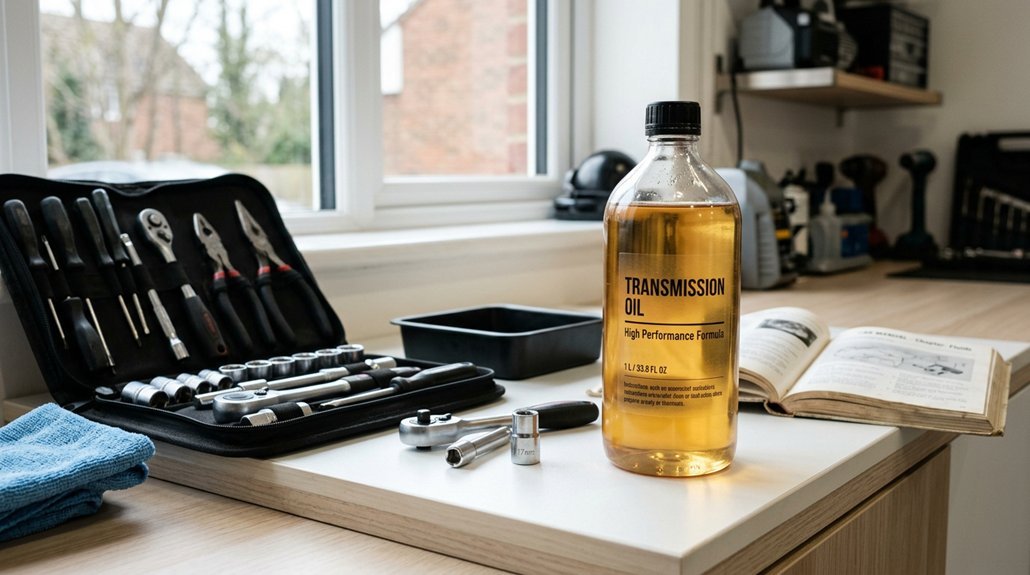
I’ve spent enough weekends under cars to know transmission fluid isn’t a “set it and forget it” deal. After testing drain-and-fill versus flush methods on three vehicles, I settled on 30,000-mile intervals for conventional fluid, 50,000 for synthetic.
Your mileage will vary based on how hard you drive, and I’ll explain exactly how to spot when your transmission is begging for attention before costly damage sets in.
How Often Should You Change Your Transmission Fluid?
How exactly do you know when your transmission fluid needs attention? I watch for delayed shifting, rough gear changes, or dark, burnt-smelling fluid. These signs tell me it’s time to act.
My transmission fluid change frequency depends heavily on mileage and driving conditions. I follow a mileage-based service cadence: every 30,000 to 40,000 miles for conventional ATF, or roughly 50,000 miles if I’m running synthetic. Hard driving pushes me toward earlier service.
Here’s where drain-and-fill versus flush gets interesting. Below 70,000 miles, I’ll choose a full flush to replace most fluid and clear early contaminants. Above that threshold, I switch strategy. I prefer drain-and-fill or a pan drop with filter replacement, removing old fluid without risking dislodged debris in a higher-mileage transmission.
Recommended Products

Backward compatible with previous Dexron automatic transmission fluids and can be used as a much-improved replacement for older vehicles/transmissions originally using previous Dexron fluids

For use in 95% of vehicles including most CVTs in operation with US registered light duty applications

For use in 95% of vehicles including most CVTs in operation with US registered light duty applications
Why Synthetic ATF Outlasts Conventional Fluid
I’ve switched to synthetic ATF in my own vehicles, and the difference in longevity is noticeable. Synthetic ATF simply holds up better when things get hot under the hood.
Here’s what I’ve learned from my own maintenance logs and research:
- Extended service intervals, often 50,000 miles or more, mean fewer drain-and-fill sessions and lower long-term costs
- Superior oxidative stability prevents the fluid from breaking down and forming sludge, keeping your shifts crisp
- Better shear resistance maintains hydraulic pressure, so your transmission doesn’t start feeling sloppy
I still check my fluid condition regularly and adjust based on how I’m driving that month. Synthetic isn’t magic, it just buys you more time between changes. For most of us, that means less hassle and better protection where it counts.
Recommended Products

Complete Tool Kit for Effortless Oil Changes: Includes everything you need for a smooth transmission fluid change: 1 x 8mm oil pan spanner, 1 x fluid drain tool, 1 x M12 x 1.5 ATF fill adapter, and 1 x specialized 9G-Tronic ATF fill adapter. Comes with a convenient carrying case for easy storage.

Automatic transmission fluid(ATF) plug kit for draining, levelling and filling

Transmission Oil Filling Tool: Designed specifically for Mercedes-Benz 9G-Tronic 8-speed and 9-speed transmissions, it is used for automatic transmission oil change, enabling easy completion of oil draining, oil filling, and oil pan bolt removal and installation. This kit includes a 9-speed hybrid fuel filler neck to support hybrid vehicles.
How Hard Driving Shortens Transmission Fluid Life
I’ve seen how hard driving beats up transmission fluid faster than most drivers realize. When I’m towing heavy loads or stuck in stop-and-go traffic, the transmission works overtime, generating heat that breaks down the fluid’s protective properties in as little as 15,000 miles instead of the usual 30,000 to 40,000.
That heat thins the fluid, reduces its cooling capacity, and lets metal particles circulate. That’s why I check my fluid color and smell more often when I’m driving aggressively or hauling near my vehicle’s rated limits.
Recommended Products

Wide OEM Compatibility: Engineered for full compatibility with ZF 6HP, 8HP, and 9HP automatic transmissions in vehicles from BMW, Audi, VW, Jaguar, Land Rover, Rolls-Royce, Chrysler, Jeep, Dodge, Maserati, and more; fully replaces ZF Lifeguardfluid 6, 8, 9 and Mopar 8 & 9 ATF; Suitable for factory fill and replacement in vehicles requiring ZF S671 090 255 (LG6), ZF S671 090 312 (LG8), and ZF S671 090 399 (LG9)

Exceeds demands of automatic transmissions of most Chrysler, Dodge, Ram & other Stellantis vehicles
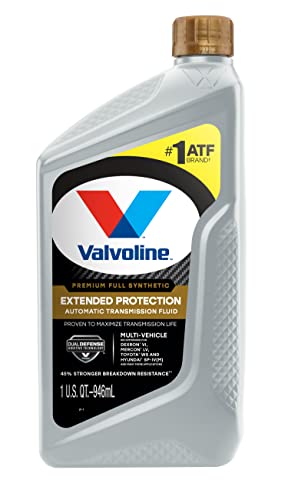
Suitable for use in over 92% of vehicles in light duty automatic transmissions 2010 and newer
Heat Generation Effects
Why does my transmission fluid seem to wear out faster when I’m hauling a trailer up mountain grades? I’ve noticed this myself, and the answer comes down to heat. When I push my truck hard, the transmission works overtime, and that extra effort generates serious temperatures under the hood.
Here’s what I’ve learned about how heat attacks my fluid:
- High loads raise transmission fluid temperatures past 200°F, accelerating oxidation
- Sustained steep climbs and high RPMs compound heat, degrading lubricating properties faster
- Burnt-smelling, darkened fluid signals breakdown, demanding shorter service intervals
I’ve learned to treat heat as the enemy. When I’m running hard in summer traffic or climbing grades, I shorten my service intervals by 30-50%. My transmission runs smoother, shifts crisper, and avoids the premature wear that kills transmissions early.
Towing Stress Impact
Towing puts my transmission through a workout that normal driving never approaches. I watch my transmission temperature climb when I’m hauling a trailer uphill, and I know that heat is the enemy of long fluid life.
The towing stress multiplies every engagement cycle. Recovery and acceleration under load create more clutch and gear contacts, speeding up contaminant buildup. This fluid degradation happens faster than the standard 30,000–40,000 mile schedule anticipates.
I’ve learned that heavier loads demand more frequent changes. Extended towing stress risks overheating, which degrades viscosity and lubrication properties. Synthetic ATF helps extend intervals, but I still monitor closely and change earlier under high-load use. For fellow towers, the math is simple: push harder, service sooner.
Stop-and-Go Wear
Constant stop-and-go driving pushes my transmission harder than I’d expect. Every red light and traffic jam forces rapid temperature spikes and uneven hydraulic pressure, accelerating transmission wear far beyond steady highway cruising.
Here’s what I’ve learned about how stop-and-go driving hurts my transmission:
- Frequent short trips prevent my fluid from fully warming up, keeping it thick and less protective while letting contaminants do more damage.
- Repeated clutch engagements create extra friction and heat, speeding up fluid degradation with every shift.
- My fluid darkens faster, develops a burnt smell, and shifting gets rougher. These are all warning signs that my service interval shrinks by 30–50%.
I check my fluid color and smell regularly. When stop-and-go driving dominates my commute, I change my transmission oil sooner, not later.
When High Mileage Changes Your Service Options
Once your transmission crosses that 70,000-mile threshold, I’m changing how I approach service entirely. High mileage demands restraint, not aggression. I skip the full flush entirely; it risks dislodging years of settled debris and causing real damage.
Instead, I stick with gentler options: a drain-and-fill replaces about half your fluid without disturbing internal deposits, or I perform a pan drop with fresh filter installation for deeper cleaning without the shock. For conventional ATF, I’m back under there every 30,000 to 40,000 miles. Running full synthetic? I stretch that to 50,000 miles minimum, though heavy hauling or towing brings me back sooner.
Watch for delayed shifts, slipping gears, or dark burnt-smelling fluid, regardless of your odometer. These symptoms override any schedule; they demand immediate attention.
Recommended Products

Eliminates Slipping: Performance additives restore bands & clutches to stop slip, eliminate hesitation and reduce rough shifting.

【Multiple Applications】This transmission fluid pump fits standard quart bottles come with 28mm bottle cap,with an 8cc per pump stroke capacity. Suitable for dozens of uses including oil changes, siphoning gasoline, and transferring a wide range of fluids such as engine oil, biodiesel, kerosene, or shampoo,detergent.

Protect Your Vehicle: zMAX Transmission Formula is easy to use! Micro-lubrication soaks into metal surfaces improving lubrication to reduce gear wear and varnish buildup. Keeps seals supple, preventing leaks and improving shifting.
Flush vs. Drain and Fill vs. Pan Drop: What to Choose?
Understanding your options matters because I’ve seen the wrong choice leave customers stranded. When you’re planning a transmission fluid change, you’ve got three paths to contemplate.
Choosing wrong can leave you stranded—know your options before changing transmission fluid.
- Flush: I recommend this for vehicles under 70,000 miles. It pushes out nearly all old fluid, giving you maximum cleanliness when your transmission’s internals are still tight.
- Drain and fill: For higher-mileage rides, this removes most fluid without aggressive pressure that could stir up settled debris. It’s gentler on worn seals and clutch packs.
- Pan drop with filter swap: This conservative approach cleans the pan, replaces the filter, and adds fresh fluid with minimal stress.
Here’s my take: under 70k, I’ll flush for peak performance. Over that threshold, I stick with drain and fill or pan drop to protect what we’ve got.
Recommended Products

Premium filter specified to OE levels of filtration and fluid flow

Felt filter media helps deliver high-filtration efficiency and excellent fluid flow

【Function】The TF-161 Automatic Transmission Filter Oil Pan Gasket Kit is Made of High-Quality Materials,Which can Filter the Oil,Remove the Impurities,Keep the Oil Clean,Prevent the Valve Body and Other Parts of the Blockage,Which can Effectively Extend the Service Life of the Gearbox.
Watch for These Transmission Fluid Warning Signs
How do you know when your transmission fluid is crying for help? I’ve learned to spot these warning signs before they drain my wallet.
First, I check the dipstick. Clean transmission fluid should look bright red, not brown or black. If it smells burnt, that’s my cue for a fluid change. I also feel for delayed or rough shifting, slipping gears, or strange grinding noises when I accelerate.
These symptoms mean my fluid isn’t lubricating properly. I’ve noticed surging, delayed acceleration, and even transmission overheating when levels drop or contamination sets in. My dashboard warning indicators often flash right alongside these physical signs.
Ignoring these signals costs more than a simple fluid change. I stay alert, inspect regularly, and act fast when my transmission speaks up.
Recommended Products

Enhanced friction durability for smooth transmission performance

Genuine Honda Transmission

Backward compatible with previous DEXRON automatic transmission fluids and can be used as a much-improved replacement for older vehicles/transmissions originally using previous DEXRON fluids
The Cost of Skipping Transmission Fluid Changes
Why risk a $3,000 rebuild when a $150 fluid change keeps my transmission running smooth? I’ve learned that skipping this basic maintenance hits harder than most drivers expect. Old fluid breaks down, loses its cooling power, and starts grinding away at gears and clutches I can’t afford to replace.
Here’s what I’m protecting myself from:
- Overheating and accelerated wear that turns small problems into catastrophic failures
- Rough shifting and slipping that signal expensive damage already underway
- Contaminated fluid that compromises hydraulic pressure and destroys components
I make sure my shop explains their flush versus drain-and-fill approach, especially past 70,000 miles. Good customer service means they walk me through what my specific transmission needs, not just pushing a one-size-fits-all service. That transparency builds trust, and trust saves me thousands.
Recommended Products
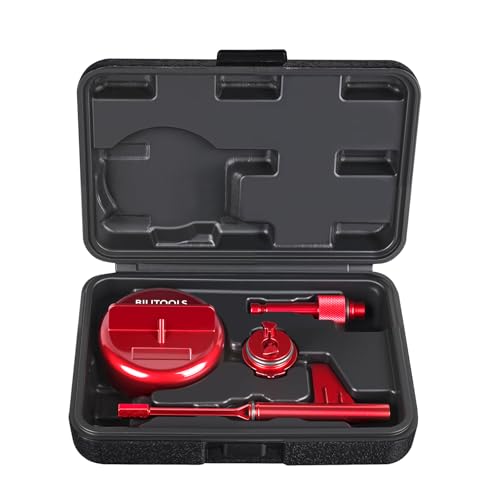
【Complete Transmission Service Kit】Includes all 4 essential tools for draining old fluid, filling new ATF fluid, and removing or installing screws. No more searching for individual adapters – everything you need for a full transmission oil change on Mercedes 9G‑Tronic models
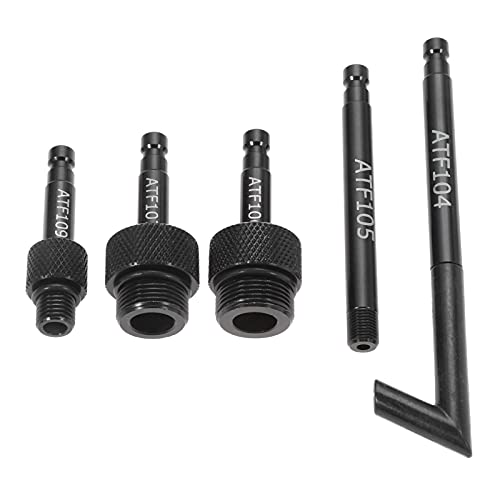
[High Quality]: TOP quality oil filler adapter, constructed of hard steel for long lasting durability and reliability. Direct replacement for a proper fit and easy installation, meets or exceeds OEM standards, 100% tested before shipping.

20 Pcs Transmission fluid oil fill adapter kit for gearbox/ transmission oil pump dispenser.Simple operation, easy to install, suitable for home use and professional technicians.
How to Inspect Transmission Fluid for Hidden Damage
I pop the hood and pull the dipstick while the engine’s warm and idling, because that’s when I’ll get the truest read on what my transmission’s hiding. I’m checking color first: bright red and sweet-smelling means we’re good, but dark, burnt fluid screams contamination or wear. I wipe, reinsert, and check the level against those marked lines. Too low, and I’m risking slipping, overheating, and rough shifts.
When I drain the pan, I’m hunting for metal shavings or debris on the magnets. That grit tells me internal parts are grinding where they shouldn’t. I also watch for foaming, varnish, or a gritty texture. These point to fluid breakdown or seal leaks.
Finally, I match what I see to how the car drives. Delayed shifts, slipping, or harsh engagement mean hidden damage needs deeper diagnosis.
Recommended Products

Exceeds demands of automatic transmissions of most Chrysler, Dodge, Ram & other Stellantis vehicles

Material code - 98KY58

Outperforms OEM Fluids: Up to 50% smoother shifting and better long-term frictional stability; Compatible with Ford XL-12, BMW LT 71141, Allison TES 295/389, Mercon V, Dexron VI, Chrysler/Jeep ATF 3/4, Honda DW1, KIA SP-III/IV, Mazda MIII/MV, Nissan Matic D/J/K/S/W & more
Create a Transmission Fluid Schedule for Your Vehicle
Where exactly does your transmission fluid schedule begin? It starts with your odometer and your transmission’s behavior. I build mine around real numbers and what I feel during daily drives.
Here’s how I map it out:
- For cars under 70,000 miles, I schedule a full flush or drain-and-fill every 30,000 to 40,000 miles to knock out early contaminants.
- Past 70,000 miles, I switch to drain-and-fill or pan drop with filter replacement. This removes most old fluid without stressing worn seals.
- I watch for delayed shifting, burnt smell, or slipping gears. These demand immediate attention, not calendar patience.
If I’m running quality synthetic ATF, I can push toward 50,000 miles. Heavy towing or stop-and-go traffic brings me back sooner. Your schedule lives in your driving, not just your manual.
Recommended Products

ENHANCES TRANSMISSION PERFORMANCE. Formulated to improve shifting smoothness and reduce gear slippage in high-mileage automatic transmissions. RESTORES WORN SEALS. Conditions...