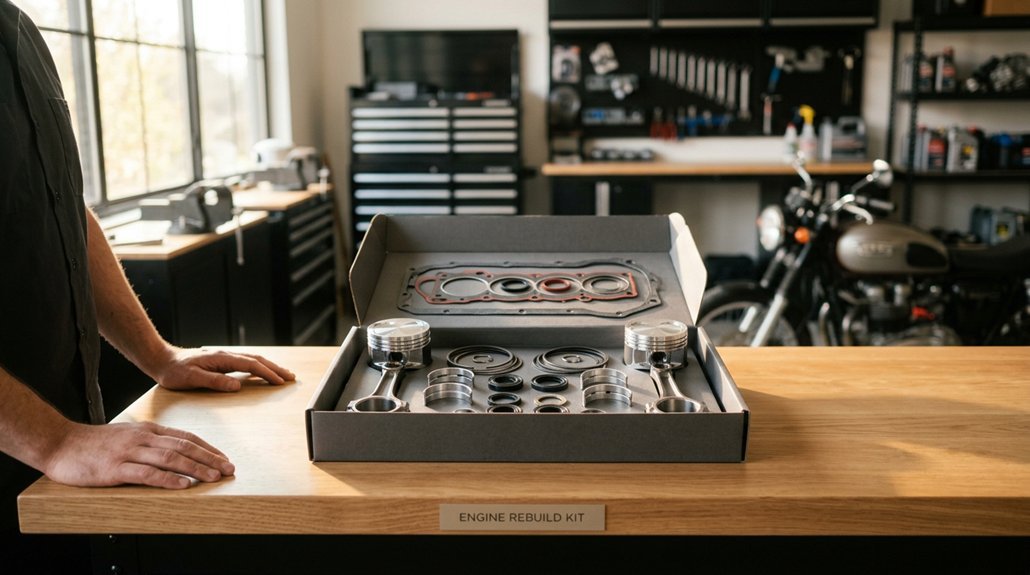
I watched my neighbor drop $3,800 on his 2012 Ford F-150’s V6 rebuild last spring, and that wasn’t even the worst-case scenario.
Engine rebuilds typically run $2,500 to $4,500, but hidden damage, worn cylinders, or machining complications can push your bill past $5,000 before you blink.
Labor eats 50 to 70 percent of that total, with parts and materials hovering around $800 to $2,000 depending on your engine type.
Four-cylinder engines usually cost less, diesels and large V8s cost more, and the whole process takes 3 to 7 business days if the shop knows what they’re doing.
I’ll break down exactly where your money goes, what separates a proper rebuild from a shortcut job, and how to decide whether rebuilding beats swapping in a crate engine.
Engine Rebuild Cost: $2,500–$4,500 Range Explained
Most engine rebuilds I’ve priced out land squarely in that $2,500–$4,500 window, though I’ve seen plenty push past $5,000 when complications arise. Labor cost eats up 50–70% of your bill, while parts cost runs $800–$2,000 for standard components like pistons, rings, bearings, and gaskets.
Four-cylinder engines sit at the friendlier end, typically $2,000–$3,500, since they’re simpler to break down and reassemble. Diesel/large trucks start around $4,000 and climb fast; their complexity and scarce parts demand specialized shops and deeper pockets.
I’ve watched too many builders underestimate the full scope. A proper rebuild means complete disassembly, cleaning, inspection, and factory-spec testing. Skip any step, and you’re back at square one.
Know your engine type, budget realistically, and you’ll avoid the rebuild regret I’ve seen hit too many fellow gearheads.
Recommended Products

【Replacement part number】Directly For 13101-ZF7-010, 13101-ZH8-010, 91201-Z0T-801【Wide Compatibility】 Fit Honda GX160 GX200 168F 5.5HP 6.5HP 2-3.5kw 4-Stroke Gasoline Generator Trimmer Engine Motor

This rebuild will fit: Any 5 hp with the serial number that starts with a 13XXXX Example: 130200 thru 135299 Anybody can rebuild their own engine in a few hours when you have all the parts.

Replace the part number: For 13101-ZF7-010, 13101-ZH8-010, 91201-Z0T-801, 13200-Z0T-800.
Engine Rebuild Cost by Type: 4-Cylinder to Diesel
Why does engine type matter so much? I’ve seen rebuild cost swing wildly based on what’s under your hood. A 4-cylinder engine typically runs $2,000 to $3,500, while V6 engines jump to $3,000 to $4,500. Diesel engines and large trucks start at $4,000 and climb higher.
The gap comes down to complexity. Smaller engines use fewer parts and materials, keeping expenses manageable. Diesel engines demand specialty components, reinforced blocks, and precision machining that drive prices up.
Labor eats 50 to 70% of your bill regardless of engine size, but parts and materials range from $800 to $2,000 depending on your setup. If you’re rebuilding a compact commuter, you’re in luck. Heavy-duty or diesel work costs more, but you’re paying for durability that matches the investment.
Recommended Products

Quality Material - Using quality metal, it is built to long lasting durability. Meets or exceeds OEM standards. The Gasket Set is designed and manufactured according to OEM

COMPATIBILITY – Fits 1996-2000 Isuzu NPR; 1996-1996 AM General Hummer; 1999-2000 Cadillac Escalade; 1996-1999 Chevrolet C1500; 1996-1999 Chevrolet C1500 Suburban; 1996-2000 Chevrolet C2500; 1996-1999 Chevrolet C2500 Suburban; 1996-2000 Chevrolet C3500; 19
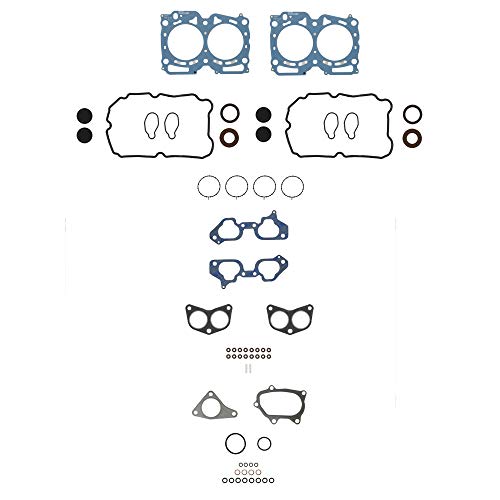
COMPATIBILITY – Fits 2013-2014 Subaru WRX; 2008-2010 Subaru Forester; 2011-2013 Subaru Forester; 2008-2014 Subaru Impreza; 2007-2009 Subaru Legacy; 2007-2009 Subaru Outback
Where Your Rebuild Money Goes: Labor vs. Parts
I want you to understand exactly where your money goes when you pay for a rebuild, because labor typically eats up 50-70% of your bill while parts like pistons, rings, and gaskets take the rest. The shop’s hourly rate and your engine’s complexity matter just as much as the hardware itself, and I’ve seen $2,500 jobs balloon past $4,500 on V6s with hidden damage.
Watch for surprises after teardown: head resurfacing, cooling system work, or damaged bores can shift that labor-to-parts ratio in ways your initial quote never anticipated.
Recommended Products
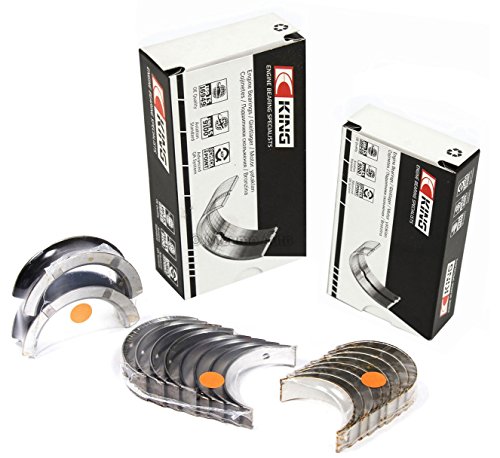
Standard Size Bearings will be sent.


Compatible with All Chevy Sb 305 307 327 (Large Journal) 350 383 Up to 2002
Labor Cost Breakdown
Where does your money actually go when you pay for an engine rebuild? I’ll break down what you’re really buying when you hand over that estimate.
The labor cost typically eats up 50-70% of your total bill. That’s right, more than half your budget pays for skilled hands, not hardware. The labor portion covers intensive work: teardown, inspection, cleaning, and precision reassembly of all overhaul components.
Here’s where your mechanic’s time disappears:
- Disassembly and diagnosis, 4-6 hours of careful teardown and wear assessment
- Machining and prep, including head resurfacing when surprises emerge
- Reassembly and testing, 3-5 days of methodical rebuilding and bench verification
Watch for hidden hits. Head work, radiator repairs, or extra diagnostics can inflate your labor cost unexpectedly. I’ve seen straightforward engine rebuild projects stretch when unforeseen issues surface during inspection.
The remaining 30-50% covers parts and materials.
Parts and Materials
The remaining 30-50% of your rebuild budget buys the actual hardware that’ll get your engine running like new again. I’ve seen parts and materials run anywhere from $800 to $2,000 in most standard rebuilds, though complex engines push that higher.
You’re looking at pistons and rings, bearings, gaskets and seals, plus timing components. These aren’t optional upgrades; they’re essentials that wear out. When I break down labor vs parts, I always remind folks that skimping here costs more later. Cheap gaskets and seals leak. Substandard pistons and rings burn oil.
Your total engine rebuild costs typically land between $2,500 and $4,500. Watch for surprises like head resurfacing or radiator issues. They’ll shift your labor vs parts balance fast.
Time Investment Factors
Why does your engine rebuild bill climb so fast? I’ve watched labor eat up 50-70% of my total cost every single time. That technician’s hourly rate adds up quick, especially when we’re talking 3-7 business days of hands-on work.
Here’s where your money actually flows:
- Labor dominates everything: Your mechanic’s time, not shiny parts, drives the price
- Parts stay reasonable: $800-$2,000 covers pistons, rings, bearings, gaskets, the essentials
- Complexity kills budgets: Diesel or V6 engines demand more hours, extending rebuild duration
Your engine type directly shapes this split. I’ve seen straightforward four-cylinders finish fast, while intricate designs balloon labor costs.
Additional services, like head resurfacing or radiator repairs, throw off the balance entirely. These surprises hit both labor and parts, so I always budget extra.
Inside a 4-Day Engine Rebuild: What Happens Each Step
I’ll walk you through exactly how a shop burns through four days on your rebuild, starting with diagnosis and teardown before moving into reassembly.
Day one, I’m chasing down whether you’ve got ring failure, bearing wear, or a cracked head through compression tests and oil pressure readings. By day two, the engine’s out and I’m cataloging every component, measuring journals and bores against factory specs to decide what stays and what goes.
Days three and four are where it comes together, new pistons, rings, and bearings going in with assembly lube, torque wrenches set to spec, and a final bench run to confirm oil pressure and leak-down numbers before it ships back to you.
Recommended Products

Compatibility: The BL3Z-6268-A Timing chain kit with water pump & camshaft holding tool for 2011-2012 ford F-150 3.7L V6, for 2011-2017 ford Mustang 3.7L V6, for 2011-2016 ford Edge 3.5L 3.7L V6, for 2011-2017 ford Explorer 3.5L V6, for 2013-2019 ford Taurus 3.5L V6, for 2015-2017 ford F-150 3.5L V6

COMPLETE KIT: Orion Motor Tech's 3.6 Pentastar timing tool kit includes 3 timing chain holders, left and right phaser locks, and 2 camshaft tensioner locking pins to securely hold every part in place as you're servicing your vehicle's timing system

Fitments: The 24350-2E700 Timing chain kit fit for 2017-2020 Hyundai Elantra 2.0L; for 2018-2021 Hyundai Kona 2.0L; for 2019-2021 Hyundai Veloster 2.0L; for 2017-2022 Kia Forte 2.0L; for 2017-2018 Kia Forte 5 2.0L
Day One: Diagnosis
Where does a proper engine rebuild actually begin? It starts with a thorough diagnosis. I walk into the shop knowing my engine’s showing symptoms, maybe blue smoke or that worrying knock. The technician runs an initial assessment, checking oil pressure, compression, and listening for trouble.
Here’s what Day One actually looks like:
- Problem confirmation, ruling out simpler fixes before committing to full rebuild
- Visual inspection, spotting external leaks, coolant contamination, or exhaust clues
- Tear-down prep, carefully removing the engine for deeper wear inspection
This diagnosis shapes everything that follows. After examining pistons, rings, and bearings, I get a transparent cost breakdown. Labor hours, parts pricing, potential machine shop work, it’s all laid out. No surprises, just clarity before we proceed.
Day Two: Disassembly
How does a complete engine actually come apart? Day Two is when I get my hands dirty with proper engine disassembly, and trust me, there’s no skipping steps here.
I’m pulling the block, draining every fluid, and labeling each bracket, hose, and bolt like my rebuild depends on it, because it does. Component inspection starts immediately: I’m checking pistons, rings, bearings, and gaskets for scoring, pitting, or cracks that spell trouble. My wear measurements go straight into a log, micrometer readings compared against factory tolerances to see what’s salvageable and what’s scrap.
Those documentation photos? Essential. I snap every angle, every part placement, creating my own reassembly roadmap. With hard data in hand, I’m making parts replacement decisions based on evidence, not guesses. Clean, measured, documented. That’s how you rebuild right.
Days Three-Four: Reassembly
Why does reassembly demand even more precision than taking things apart? Because every bolt I tighten, every gap I measure, determines whether your engine runs strong or fails fast. Reassembly is where the real craft happens.
I install pistons with fresh rings, align bearings, and set gaskets with care. Engine timing gets my full attention: camshafts, chains, and belts must synchronize perfectly or valves collide with pistons. I follow torque specifications to the pound, using calibrated wrenches for head bolts and main caps. One slip here, and compression leaks or bearings spin.
Here’s what keeps me focused:
- Double-checking timing marks before rotating the assembly
- Torquing fasteners in sequence to avoid warping
- Running leak tests on coolant and oil passages
Bench-testing follows: I verify oil pressure, compression readings, and smooth rotation. Only then do I trust this engine for the road.
Rebuild or Replace: Which Costs Less Long-Term?
When I’m weighing a $2,500–$4,500 rebuild against the price of a brand-new engine crate, the math gets interesting fast. I’ve crunched the numbers, and the rebuild cost usually wins for most owners keeping their vehicle 5+ years.
Labor costs eat 50–70% of your bill, while parts costs run $800–$2,000. Compare that to engine replacement: a new crate motor starts around $4,000–$7,000, plus installation. You’re looking at $6,000–$10,000 total, easy.
Here’s what seals it for me. A quality rebuild restores factory specs and adds 100,000 miles of life. You’ve already got the block; why scrap it? For long-term costs, rebuilding keeps more cash in your pocket and your familiar ride on the road. That’s value I can stand behind.
Recommended Products

【Perfect Honing】 EWK cylinder honing tool is perfect to deglaze the walls of cylinders in gasoline and diesel engines. Idea for remove burrs and properly roughen the cylinder walls to produce an oil holding cross hatch pattern and provide an adequate seal.
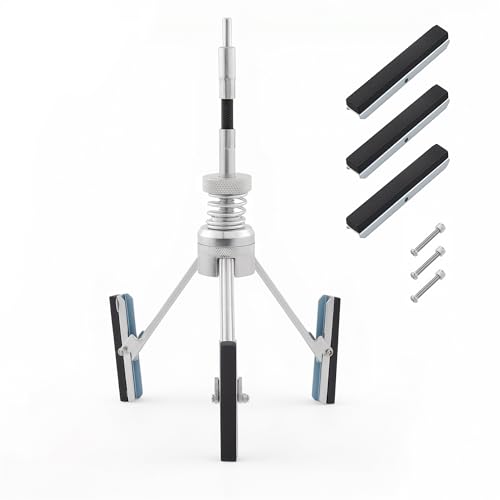
Professional Tools: Make it easy and effective to remove carbon, rust, glaze, defects and wear on your caliper and piston cylinder walls by using the 4 Inch cylinder bore honing tool, for optimal engine performance, promoting smoother piston movement. Ideal for small engine cylinder honing.

【Precision Honing & Surface Refinishing】 Engineered for professional-grade cylinder restoration, the EWK adjustable engine hone tool smooths cylinder walls, removes glazing, and prepares bores for new piston rings with consistent, clean results. Ideal for everything from eliminating rust in small engine cylinders to refinishing brake calipers and restoring DOM steel tubing interiors. The knurled adjustment wheel allows precise control of stone spring pressure, ensuring stable, repeatable honing performance across all applications.
Engine Rebuild Warning Signs: 7 Red Flags
Knowing whether to rebuild or replace your engine matters, but spotting the warning signs early matters more. I’ve seen too many drivers ignore symptoms until the damage spreads beyond repair. The longer you wait, the higher your engine rebuild cost climbs.
Watch for these warning signs that your internal components need attention:
- Knocking noises from worn bearings or failing pistons, usually loudest under load
- Excessive exhaust smoke, blue for burning oil, white for coolant leaks, both signal worn seals or rings
- Low oil pressure warning lights combined with overheating, indicating bearing wear or pump failure
Rebuilds work when your core block stays solid but parts like rings, gaskets, and timing components fail. Typical costs run $2,500-$4,500. Catching symptoms early keeps you in control of the repair, not stranded at the worst moment.
Recommended Products

Compatible Models: For EZGO Fuji Robin 295cc EH29C 4 cycle Gas Golf Cart MCI engine 1991-2008.

Compatible Models: For Club Car Golf Cart DS Precedent FE290 1992-up

Re-Ring kit for 1967–1985 Chevrolet, Cadillac, GMC, Oldsmobile, Pontiac, Buick 5.7L 350 V8 OHV engines (naturally aspirated; verify VIN/engine code and year for compatibility)
How to Choose an Engine Rebuild Shop?
Where you take your engine matters just as much as what you’re paying. I’ve learned that finding the right shop starts with ASE-certified mechanics who specialize in engine repair and provide transparent pricing from day one. Don’t settle for vague numbers. Demand a detailed rebuild estimate that breaks down labor, typically 50–70% of your engine rebuild cost, plus parts running $800–$2,000.
I always prioritize shops giving free quotes and walking me through the rebuild process step by step. Check their experience with your specific engine, whether it’s a 4-cylinder, V6, or diesel, since complexity and pricing vary significantly. Read testimonials focusing on honest assessments and proven success.
The right shop doesn’t hide costs; they earn your trust with clear communication and solid results.
Recommended Products
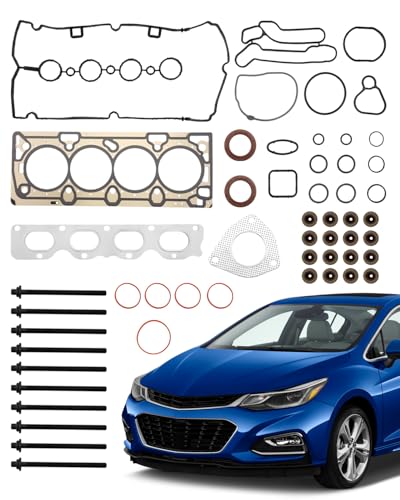
【Head Gasket Set Include】This item contains multiple layers steel head gasket, valve cover gasket, valve stem seals, intake/exhaust manifold gasket, front camshaft seal, other small gaskets, RTV silicone & o-rings, 10 cylinder head bolts.

BH-Motor New Engine Cylinder Head Valve Gasket Set For John Deere D100 D120 E110 L105 L100 L105 L107 L108 LA105 LA115 LA125 S1742 X145 Tractors Z225 EZtrak Mower
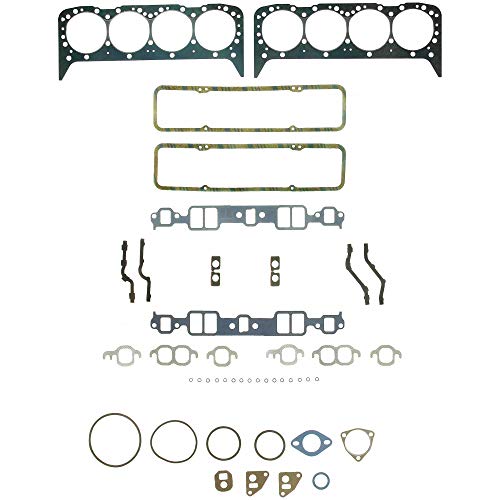
COMPATIBILITY – Fits 1964-1967 Gordon-Keeble GK1; 1964-1967 Gordon-Keeble IT; 1966-1968 Checker Aerobus; 1969-1974 Checker Aerobus; 1969-1974 Checker Taxicab; 1969-1969 Checker Taxicab; 1969-1970 Checker Deluxe; 1969-1969 Checker Deluxe; 1965-1969 Checker