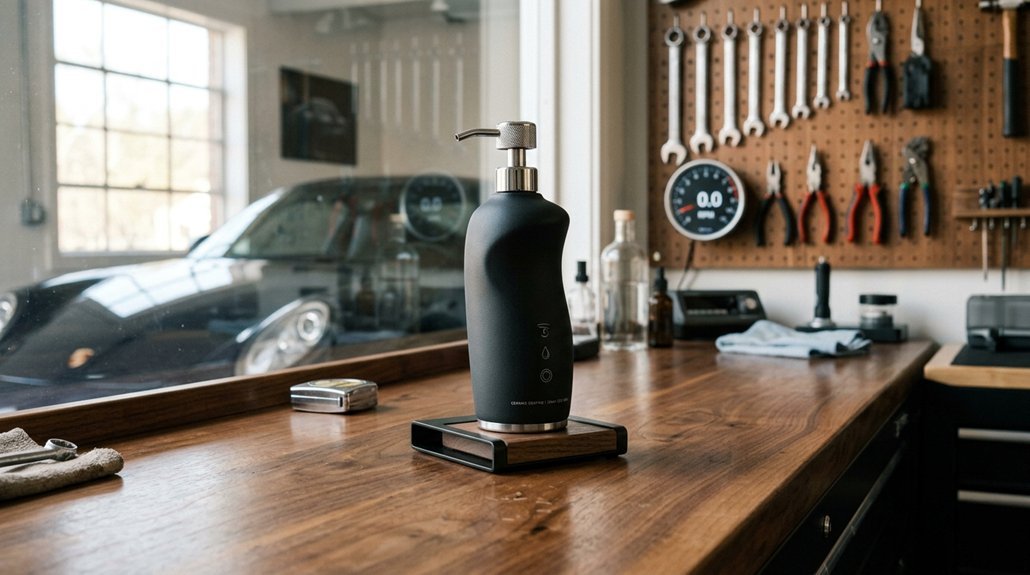
I’ve spent years watching technician pay evolve, and 2026 brings real opportunity if you know where to look. Entry-level techs pull $30k–$40k, but ASE certification and specialization in EV or ADAS systems can push experienced hands past $80k.
Master technicians at high-volume dealerships in metro markets regularly clear six figures with bonuses. The catch: flat-rate shops reward speed, while hourly structures favor steady workers. Your workplace, certifications, and location matter more than ever. Here’s what the numbers actually look like.
Automotive Technician Salaries by Experience: 2026 Breakdown
How much can you actually earn fixing cars in 2026? I’ve watched automotive technician salaries climb steadily, and your experience level determines where you land on the ladder. Entry-level techs start around $30,000–$40,000, which feels tight but builds foundation skills fast.
Move up to A-tech status, and you’re looking at $60,000–$80,000. Master technicians with solid certifications, ASE A1–A9 and those advanced L-series credentials, routinely pull $75,000–$100,000, with top performers at high-volume shops clearing $120,000 including bonuses.
Regional pay creates real gaps. High-cost metros might pay A-techs $35–$45 hourly while rural markets stick closer to $14–$16 for beginners. Flat-rate systems reward efficiency; bill more hours than you clock, and your paycheck grows. Skip the certifications, though, and you lose negotiation leverage at dealers and premium shops.
Recommended Products


Where Automotive Technicians Earn Most: Top States and Cities
Where you hang your wrench matters as much as what’s in your toolbox. I’ve tracked the numbers, and the top states for median annual pay tell a clear story. District of Columbia leads at $68,660, followed by California at $64,980 and Colorado at $61,280. Massachusetts, Connecticut, and Virginia round out the upper tier, each with $59,000–$60,760.
But here’s what I’ve learned: cost of living eats into those figures fast. High-cost metros like San Francisco or DC push hourly wages to $35–$45 for A-techs, with master techs pulling $90,000–$110,000 total compensation. Still, your purchasing power depends on regional prices.
Montana and New Hampshire have solid median pay near $59,000 with lower living costs. I always weigh location against real buying power when sizing up opportunities.
Recommended Products

CEL Doctor: The ANCEL AD310 is one of the best-selling OBD II scanners on the market and is recommended by Scotty Kilmer, a YouTuber and auto mechanic. It can easily determine the cause of the check engine light coming on. After repairing the vehicle's problems, it can quickly read and clear diagnostic trouble codes of emission system, read live data & hard memory data, view freeze frame, I/M monitor readiness and collect vehicle information

【Diagnose Check Engine Light in Seconds – No Mechanic Needed】The FOXWELL NT301 OBD2 scanner instantly reads & clears engine fault codes (DTCs) with one click. Simply plug into the 16-pin DLC port, turn ignition on, and get accurate results within seconds—No prior car knowledge required. Save hundreds on dealership fees by knowing exactly what’s wrong before you visit a shop. The #1 choice car scanner for DIYers and car owners who want to take control of their vehicle’s health

UNDERSTAND YOUR CHECK ENGINE LIGHT – The ANCEL AD410 OBD2 scanner helps everyday drivers quickly read and clear engine-related fault codes, view code definitions, and understand why the check engine light is on before visiting a repair shop. With 42,000+ built-in DTC lookups, this car code reader helps reduce guesswork and makes basic vehicle diagnostics easier for beginners and DIY users
Dealership vs. Independent vs. Fleet: How Workplace Shapes Pay
I’ve watched dealership pay structures reward master technicians with flat-rate earnings that can push total compensation past $90,000 to $110,000 in major markets like LA or Seattle, especially when you’re holding ASE L1 or manufacturer certifications.
Independent shops give you more room to negotiate your rate, but your paycheck lives and dies by car count and how well the service writer dispatches work. If you’re weighing these paths, I’d tell you to chase the dealer route for peak earning potential, or bet on independents only if you’ve got a steady customer base and sharp business instincts.
Recommended Products

OBD2 SCANNER & BATTERY TESTER IN ONE – The INNOVA 5210 OBD2 scanner not only reads and clears check engine light and ABS codes (coverage may vary) but also functions as a car battery tester to check alternator health and prevent unexpected breakdowns.

[Easy to Use—Work Out of the Box] + [FOXWELL 2026 New Version] FOXWELL NT604 Elite scan tool is the 2026 new version from FOXWELL, designed for car owners who want to figure out the cause of issues before fixing car problems by scanning common systems like ABS, SRS, engine, and transmission. The NT604 Elite obd2 scanner diagnostic tool comes with the latest software—no need to waste time downloading software first. Plug the scanner into the OBDII port with OBDII cable to start the diagnosis.
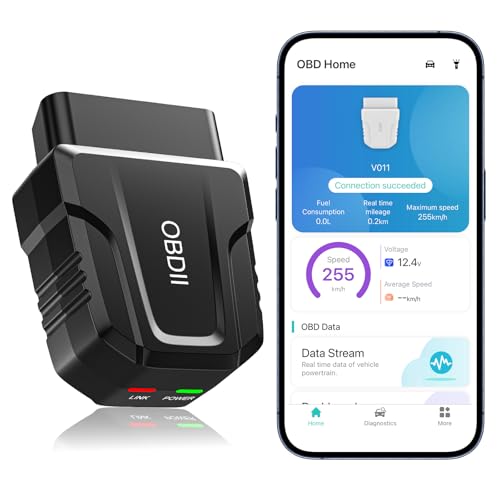
【Comprehensive Performance Testing】V011 OBD2 Scanner provides a complete diagnostic solution, giving you a thorough understanding of your vehicle's condition. It supports a variety of performance tests, support 9 protocols,👍automotive fault clearing,including fast reading of DTCs, access to electronic emission readiness, turning off CEL or MIL, resetting monitors, reading live data and retrieving the vehicle's VIN, freeze frame, sensor data, data streaming, diagnostic reports, onboard monitoring, live data streaming, and more. With these features, you can monitor your car's performance in real time and discover potential problems before they become major issues.
Dealership Pay Advantages
Why does workplace choice matter so much for your paycheck as a technician? It shapes everything from your hourly rate to your long-term earning ceiling.
Dealership pay rewards skill and hustle. I’ve watched master technicians leverage ASE certifications into serious income, especially in high-cost metros like LA or Seattle. A-techs start around $35–$45 per hour there, while master tech total compensation hits $90,000–$110,000+ with benefits. Manufacturer networks pay premiums for L1, A1–A9, and factory-trained specialists who hit production goals.
The structure matters too. Consistent car count, organized dispatch, and built-in training create reliable paths to higher earnings. You’re not guessing week to week.
Fleet and government shops provide stability, but dealerships push your ceiling higher if you’ve got the certifications and drive to match their pace.
Independent Shop Trade-offs
Dealerships aren’t the only game in town, and independent shops bring their own set of trade-offs worth weighing. I’ve found that independent shops provide negotiable pay structure flexibility you won’t see at corporate dealers, but your income lives and dies by car count and dispatch quality. No fixed structure means feast or famine weeks.
Technician certifications become your lifeline here. ASE Master status, L-series, and EV credentials let you command rates that uncertified techs can’t touch. Market dynamics hit independents harder, too: when the tech shortage bites or ADAS work floods in, shops with skilled diagnosticians thrive while others scramble.
Three realities shape your paycheck:
- Flat-rate or hourly: negotiate upfront, track every flag hour
- Tool investment: you’re buying everything, no dealer subsidies
- Customer relationships: your reputation directly drives repeat business
Fleet shops provide stability, but independents reward hustle. Choose your battlefield wisely.
Flat Rate vs. Hourly: Automotive Technician Pay Structures Explained
Flat-rate pay rewards me for beating the clock, paying me the labor guide hours on a job even if I finish faster, so a 2.5-hour brake job billed in 40 minutes still pays 2.5 hours. Hourly pay, by contrast, guarantees my rate for every minute I’m on the floor, which means steady checks but no jackpot for speed.
I’ll walk you through how these systems actually hit my wallet, where each structure wins or trips you up, and which shop setups make one clearly outperform the other.
Recommended Products



Flat Rate Basics
The flat-rate system flips how most people think about getting paid, and I’ve watched technicians either thrive or struggle depending on how well they understand it before signing on. Under flat-rate pay, you’re compensated based on the labor guide hours per job, not clock time. Beat the book time, and you pocket extra.
I’ve seen skilled techs bill 50–60 hours in a 40-hour week, pushing six figures when shop volume and dispatch quality align. But here’s the catch: overrun a job, and you eat the loss.
Your success hinges on three factors:
- Consistent car count and efficient workflow
- Shop discipline that minimizes comebacks
- ASE certifications that open doors to higher-tier shops
Billable hours reward speed and precision. Without both, you’ll struggle to hit your numbers.
Hourly Pay Structure
Two pay structures dominate automotive technician compensation, and I’ve worked under both enough to know why your choice matters.
Flat-rate pay rewards efficiency. You earn based on billed hours in the labor guide, not clock time. In busy shops, I’ve seen technicians bill 50–60 hours in a 40-hour week, pushing earnings toward six figures. But when jobs overrun, you eat the difference.
Hourly pay offers steadier income. You get paid for every minute on the job, which feels safer when car counts drop. The trade-off? Your earnings ceiling sits lower than flat-rate pay in high-volume environments.
Here’s what I’ve learned: neither system guarantees success. Car count, dispatch quality, and shop culture shape actual earnings more than the pay structure itself. Certifications like ASE A1–A9 boost negotiating power in either system.
Choose hourly pay for predictability. Choose flat-rate pay if you trust your speed and your shop’s workflow.
ASE Certifications and Specializations That Boost Technician Pay
Why do some technicians pull ahead in pay while others stall out? I’ve watched ASE certifications separate the earners from the strugglers. When you stack credentials like A1–A9, L1, L2, L3, and X1, you’re building leverage for real pay progression.
Here’s what moves the needle:
- Master Technician status opens access to higher dealer network pay
- EV/ADAS credentials capitalize on exploding market demand
- Multiple certifications reduce comebacks, increasing billable hours
I renew mine religiously. Each credential protects my rate and opens doors to six-figure shops with strong production. Manufacturer training keeps me current, relevant, and paid.
The technicians who treat certification as optional stay stuck at flat-rate minimums. We’re not them. We certify, we advance, we belong at the top of the pay scale.
Recommended Products

Multi-Functions - Practical Multi-Functions OBD2 code reader features built-in OBD2 DTC lookup library, which help you to determine the cause of the engine light, read code, erase code, view freeze frame, I/M ready, vehicle information, data flow, real-time curve, get vehicle speed information, calculate load value, engine coolant temperature, get engine speed.

PROFESSIONAL DIAGNOSTICS MADE SIMPLE — Trusted by Scotty Kilmer, the CGSULIT SC103 OBD2 scanner reads and clears diagnostic trouble codes (DTCs), turns o-f-f your check engine light, and performs I/M readiness smog checks. View live data streams, freeze frame data, and battery voltage — everything you need to diagnose engine issues in seconds, right from your driveway.

[ Wide Vehicle Compatibility ] This OBD2 diagnostic scanner works for all vehicles after 1996 (US-based) / 2002 (EU-based) / 2008 (Asia-based) that have a standard 16PIN OBD2 port. Supports all OBDII protocols including KWP2000, ISO9141, J1850 VPW, J1850 PWM, and CAN. If your car has a check engine light and an OBD2 port, this car code reader is designed to work. Please confirm vehicle compatibility before purchase. ZM201 OBD2 scanner diagnostic tool powered directly from the OBDII port — no battery or charging required.
Master Tech Path: How Automotive Technicians Reach Six Figures
Stacking ASE credentials gets you in the door, but I’ve learned that Master Technician status is where the real money lives. I’ve watched technicians climb from entry-level wrenching to pulling $75,000, $100,000, and more, with top performers at high-volume shops hitting $120,000+ once bonuses stack on base pay.
The path demands commitment. You’ll stack ASE certifications, A1 through A9, then grab L1/L2/L3 for advanced diagnostics. Manufacturer master status opens up higher flat-rate hourly pay at performance-focused shops. I’ve seen the difference: structured training, continual renewal, and proven skill on complex repairs separate journeymen from masters.
Market demand for EV and ADAS specialists means multiple offers, signing bonuses, and leverage to negotiate compensation. To lock in six figures, optimize your productivity, keep diagnostic skills sharp, and bring data on market earnings by certification level to the negotiation table.
Recommended Products

Easily Diagnose Car and Truck Issues from Your Phone – Scan and identify 39,000+ issues across thousands of vehicles, from Check Engine lights to enhanced codes. Validate repairs or vehicle condition and reset codes without being an expert.
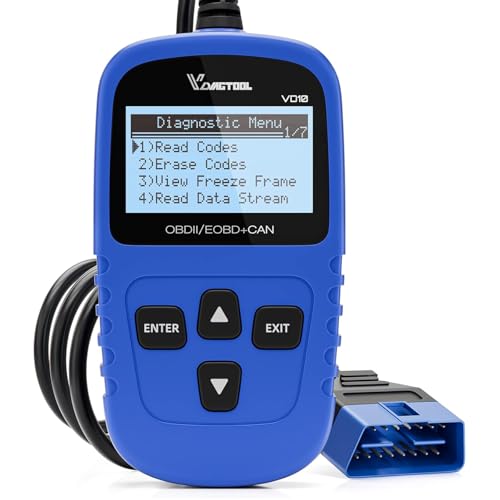
【A MUST-HAVE TOOL FOR DIYERS】 - VDIAGTOOL VD10 car code reader is an incredibly useful obd scanner for each car owner or hobbyist, even for those with little to no experience when it comes to vehicle mechanics! Similar to a fixd car diagnostic tool, using this car diagnostic scanner is extremely easy. All you have to do is attach it to your car OBDII port and you can diagnose car problems in seconds! Read Codes (DTCs); Clear Codes; Live Data; View Freeze Frame; I/M Readiness; Vehicle Information.

【UPGRADED FROM NT604 ELITE – 4 SYSTEMS + 5 SERVICE FUNCTIONS】 Love what the popular FOXWELL NT604 Elite does? The NT614 Elite obd2 scanner takes it a step further. Both diagnose Engine, ABS, SRS Airbag, and Transmission, but NT614 Elite adds 5 practical service functions: ABS Bleeding, EPB Reset, SAS Calibration, Oil Reset, and Throttle Relearn on supported vehicles. Get the proven 4-system diagnostics of NT604 Elite plus the maintenance functions DIYers need to do more at home.