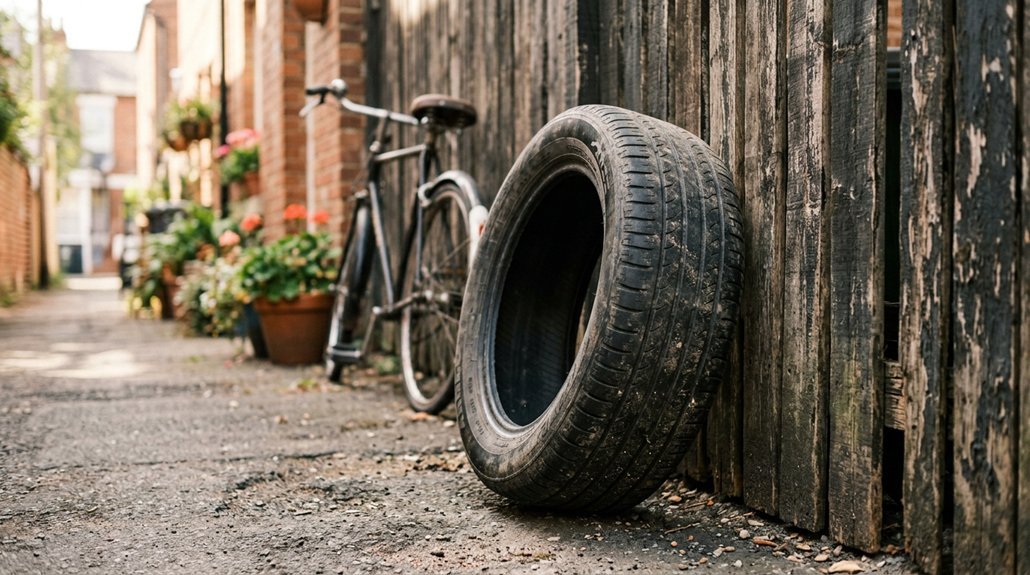
Used tires can run you anywhere from $25 to $160 each, though I’ve seen sets with deep tread push past $250. That’s roughly 30–50% below new rubber, but you’re also getting about 20,000 miles instead of 50,000.
The real question isn’t the sticker price; it’s whether the math actually works in your favor once you factor in mounting, balancing, and how soon you’ll be back for replacements. I’ll break down what I’ve learned from shopping dozens of sets, testing tread depth with a quarter, and learning the hard way that a “great deal” can turn expensive fast if you don’t know what to look for.
Used Tire Prices in 2025: From $25 to $250 per Tire
How much should you actually pay for a used tire?
I’ve seen the price range for used tires stretch from $25 to $250 per tire in 2025, and that gap surprises plenty of shoppers. You’re not getting ripped off at either end; you’re just buying different products for different needs.
At $25, I’m looking at older passenger tires with moderate wear, adequate for short commutes or spare duty. At $250, I’m holding high-tread truck or specialty tires that’d cost $400-plus new. I’ve found 70% tread remaining on well-known brands like Michelin or BFGoodrich at half retail.
A $25 tire gets you to work; a $250 tire hauls your load. Both can be smart buys when you match need to quality.
Bulk discounts exist: I typically save 10-15% buying sets of four. Remember, mounting, balancing, and delivery add $15-40 per tire to your total. Budget accordingly.
Recommended Products

1.Accurate and Efficient: Different colors on the bar represents different scopes, the red range on bar: 0 - 3/ 32; Yellow range on bar: 3/ 32 - 6/ 32; Green range on bar: 6/ 32 - 32/ 32, allowing you easy and fast to read and calibrated

1. Accurately measures tire tread depth gauge tool, Calibrated from 0 to 1 inch in 1/32 inch

Accurate measures tire tread depth gauge tool
Why Does the Same Used Tire Cost $25 or $250?
I’ve seen the same tire model swing from $25 to $250 based on three factors you’ll want to check before buying.
Tread depth is your first clue: a tire with 10/32” of rubber left gives you years of service, while anything at 4/32” or below is basically a placeholder until you replace it. Brand names like Michelin or Bridgestone hold their value because they provide proven performance. A tire that’s only been driven once, with showroom history and recent manufacturing date, commands top dollar for good reason.
Recommended Products

TWO PACK OF TIRES: 4.10/3.50-4" (10.2" diameter) with a 2.25" offset hub and 5/8" ball bearings; sold as a 2-pack

4.10/3.50-4 PNEUMATIC TIRE AND WHEEL: Includes 4 complete 10" pneumatic tire and wheel assemblies with silver steel rims. Each air-filled tire uses an inner tube for cushioned rolling and everyday utility use

【Specification】 Tire and Wheel Model: 4.10/3.50-4"; Tire Diameter: 10"; Tire Width: 3.2"; Axle Bore Hole Diameter: 5/8"; Hub Offset: 2.2", Each wheel boasts a 220LBS dynamic load capacity. These 4.10/3.50-4 tire are suitable for dynamic loads, not for static loads. Keep you away from the trouble of inflating tires frequently with our 10 inch flat free solid tire and wheels
Tread Depth Matters
Why does the exact same tire model, same size, same brand, fetch anywhere from $25 to $250 on the used market? I’ve learned that tread depth and safety drive this massive gap. Tread depth measures how much rubber remains, and I’ve seen used tires range up to 10/32“. At 4/32“, most of us should replace for safety; at 2/32“, you’re at the legal minimum. More tread means more life left, so sellers price accordingly.
Here’s what I’ve discovered checking hundreds of listings:
- 10/32″ tread commands top dollar, near-new condition
- 6/32″ hits the sweet spot for value hunters
- 4/32″ gives budget savings with shorter remaining miles
- 2/32″ saves cash upfront but compromises wet-weather safety
- Age over 5 years drops prices regardless of tread depth
I always verify measurements myself, never trusting photos alone.
Brand Name Impact
Where does that massive price swing really come from when I’m staring at two identical-looking used tires? I’ve learned it’s all about brand value and what that name represents in innovation, testing, and trust. A Michelin or Bridgestone carries years of engineering credibility that budget brands simply haven’t earned yet.
That initial premium price sets the baseline for resale price down the road. Higher-demand models, like all-season touring tires versus basic highway terrain, hold value because buyers recognize the performance difference. I’ve watched reputable resellers charge more for known brands, and honestly, I get it: thorough inspections matter, but so does the confidence that comes with a name I’ve seen perform.
When I’m buying used, I’m not just paying for rubber. I’m buying into reliability that keeps my family safe.
Age and Condition
How exactly does the same tire model swing from $25 to $250 on the used rack? It comes down to tread life and age relevance, plain and simple. I’ve inspected hundreds of used tires, and the gap makes sense once you know what separates a bargain from a rip-off.
Tread depth is the first thing to check. 10/32” means years of life left, 4/32” means replacement looms.
Manufacturing date matters just as much. Tires under 5 years old command higher prices because rubber condition degrades over time. Age-related deterioration cracks sidewalls and hardens grip.
Inspection quality also affects pricing. Reputable sellers verify wear patterns and structural integrity. This creates a safety margin: newer-used tires justify higher costs through reliability.
That $25 tire? Likely worn thin or pushing a decade old. The $250 option? Fresh tread, recent build date, inspected durability. I always check the DOT date code myself. Age relevance matters as much as remaining rubber.
Tread Depth Explained: Why 6/32 Changes Everything
I want you to understand why I always measure tread depth before pricing a used tire, because 6/32 of an inch is where everything changes for your safety.
When I’m inspecting tires, I see that anything at or below that mark gives you longer stopping distances in rain, sketchy grip in light snow, and a much shorter window before replacement becomes mandatory. I’ll show you how to spot this threshold in listings, why sellers highlight it, and how it should shape what you’re willing to pay.
Recommended Products

All-Season Tread Design: The tread compound and tread profile are re-designed to provide traction in wet and dry conditions

A Tire You Can Count On
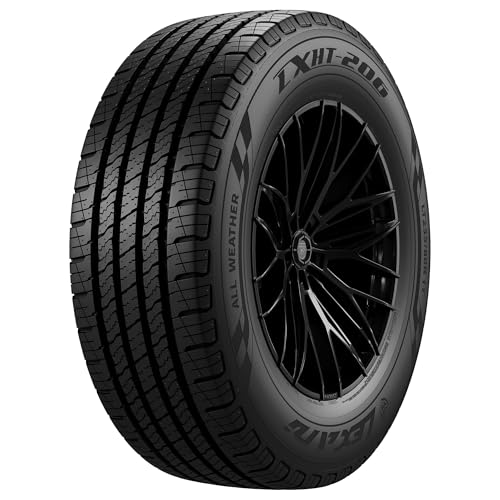
Designed for use on light trucks and SUVs
Safety Threshold Significance
Why does a few thirty-seconds of an inch matter so much when you’re standing in a used tire shop, squinting at tread patterns? I’ve learned that tread depth isn’t just numbers on a gauge, it’s your safety threshold. At 4/32“, you’re entering the zone where replacement becomes smart planning, not optional maintenance. Push to 2/32“, the legal minimum, and you’re gambling with every wet road.
NHTSA data confirms what my instincts already told me: tires at 4/32″ or below crash more often. Used tires can arrive with 10/32″ remaining, but I’ve got to check where they sit against that 4/32″ line.
Age and hidden damage matter too. Tread depth alone won’t save you from a six-year-old tire with dry rot.
Here’s what I always verify:
- Measure tread depth at multiple points, not just one spot
- Confirm the tire clears 4/32″ for safe seasonal use
- Check manufacturing date alongside wear
- Inspect for interior damage invisible from outside
- Match wear patterns across the full set
Reduced Performance Impact
Where exactly does a tire’s performance start to slip? I’ve found it happens earlier than most drivers realize. At 6/32” tread depth, you’re still in solid territory, grip feels confident, wet braking stays sharp, and hydroplaning resistance holds steady.
Drop toward 4/32“, and I’ve noticed the difference immediately; longer stopping distances, especially in rain, and that uneasy float when water builds up.
For used tire buyers, this matters. I always check tread depth first because it dictates real safety margins. Tires with 8-10/32″ give you room to drive without worry. At 6/32″, you’re functional but approaching the caution zone. Below that, performance falls off faster than the price savings justify. Balance cost against proven grip.
Replacement Timing Guidance
When’s the right time to pull the trigger on new rubber? I check my tread depth regularly because 6/32” changes everything. Above this mark, I’m confident in wet grip and hydroplaning resistance. Hit 6/32″ or below, and I’m already planning replacing tires.
I see many drivers wait until 4/32“, the legal minimum in most areas. That’s risky. At 6/32”, I notice reduced wet performance, so I start shopping. Used tires around 4/32″ work for short-term fixes, but I won’t push my luck.
Here’s what I watch for:
- Monitor tread depth monthly with a quarter test or depth gauge
- Plan replacing tires at 6/32″ for safety margin, not 4/32″
- Expect hydroplaning risk to spike below 6/32″ in heavy rain
- Factor tire age: 5+ years means replacement regardless of tread
- Combine visual wear checks with depth measurements for full picture
Installation, Balancing, and Early Replacement: Hidden Ownership Costs
How much does it really cost to get those used tires road-ready? I’ve learned that installation and balancing typically run me about $40 on average, though I’ve seen shops charge anywhere from $15 to $75 depending on their location and the tire type. Here’s where hidden costs catch me off guard: delivery fees, mounting charges, and balancing add-ons stack on top of the sticker price I initially saw.
I also hit roadblocks finding shops willing to mount second-hand tires. Some refuse entirely, others only install what they sell themselves, which limits my options and sometimes forces me to pay higher rates. The full service, removing my old tires, mounting the used set, inflating properly, and high-speed balancing, can eat up an hour of my day.
I weigh safety trade-offs carefully. Many shops skip warranties on used tires, and I can’t verify their full history, so I’m gambling on unknown wear patterns and prior damage.
Recommended Products
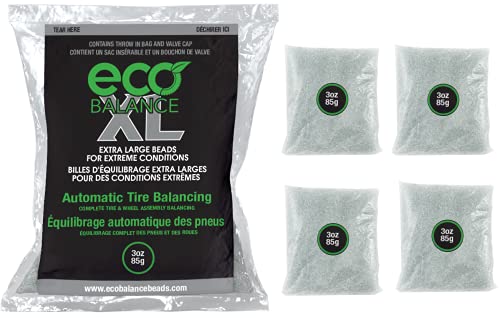
ENHANCED VEHICLE PERFORMANCE - ECO Balance XL glass balancing beads for trucks, motorcycles, and off-road vehicles provide an automatic, readjusting, trouble-free, lifetime balance of the entire wheel assembly

Premium Tire Mounting Paste: Designed for use with trucks, cars, motorcycles, ATV, UTV, inner tubes, RV, and forklift applications. Compatible with all tire, tube and wheel types

BEAD SIZE AND PACKAGING: 1.8-2mm size beads delivered in one large bag containing 4 individual 14oz bags for convenient application and storage
Used vs. New Tires: Which Costs Less Per Mile?
Why do I bother comparing cost per mile? Because sticker price alone tricks us into thinking we’re saving big when we’re not. I’ve crunched the numbers, and here’s what actually happens on the road.
Used tires run $25–$160 each, often 30–50% below new, with a typical price range of $45–$70. That sounds sweet until you factor lifespan: used tires give you about 20,000 miles versus 50,000 for new rubber. My cost per mile calculations show used tires hitting $0.0025–$0.0035, while new tires sit at $0.0018–$0.0028. The math flips when you add mounting, balancing, and the risk of early replacement.
Used tires cost less upfront but wear faster, while new tires stretch your dollar further over time when you factor in lifespan and hidden fees.
- Used tires cost less upfront but wear faster
- New tires stretch your dollar further over time
- Delivery and installation fees hit both options
- Tread depth and age swing the value wildly
- Safety risks can erase any savings quickly
Recommended Products

Accurate and precise tire tread depth readings in 1/32 inch increments (1/128 inch resolution)

Fast - quickly checks remaining tire tread to determine how long before tires need replacing

ACCURACY: The tire tread depth gauge can detect the depth range of 0-25.4mm / 0-1inch / 0-32/32 INFRAC, with an accuracy of 0.01mm. The zeroing setting makes the measurement of the tire depth gauge more accurate.
Where to Buy Used Tires: Dealers, Marketplaces, and Safety Checks
Where exactly should you hunt for used tires without getting burned? I found solid options across three main channels, and each carries different trade-offs worth weighing.
Local tire dealers remain my first stop for used tires. They run hands-on safety checks, measuring tread depth, spotting wear patterns, and stress-testing durability. Many back their inventory with warranties, which matters when you’re trusting rubber with 40% life remaining. Expect to pay $25 to $160 per tire, with mounting and balancing adding $15 to $50 extra.
Online marketplaces stretch your dollar further, sometimes hitting 70% below retail. I’ve snagged sets for under $100, but you’re flying blind on true condition.
Large online stores split the difference, providing detailed photos and return policies. My move: verify safety checks before buying, factor in delivery costs, and always inspect sidewalls for cracks or repairs.
Recommended Products

FLAT FREE SOLID RUBBER REPLACEMENT TIRES - Flats are inevitable, or are they? These solid rubber tires will remove the hassle of flat tires so that you can keep going without worries! These solid rubber tire and wheel assembly fit vehicles and equipment with 10-inch tires with 4-inch rims, 5/8-inch axles, a offset hub 2.2-inch, and a tire width between 1.50 inches and 2.50 inches. It’s a guaranteed fit!

Product Dimensions: This 4.10/3.50-4 flat-free tire set comes with a universal 5/8" axle bore and adapters for 3/4" & 1/2" axles. 2.2" hub length on offset hub (long alxe on one side only). Tire: 3.5" wide, 10" in diameter. Please confirm the required tire size before purchasing.

Wide Compatibility: This 4.10/3.50-4 flat free tire and wheel set makes installation simple. The hand truck tire is features a universal 5/8" axle bore and includes adapter bearings for 3/4" and 1/2" axles. With a 2.2" offset hub and a 10" x 3.5" tire, it's designed to handle a wide range of applications. Just confirm your size before purchase.