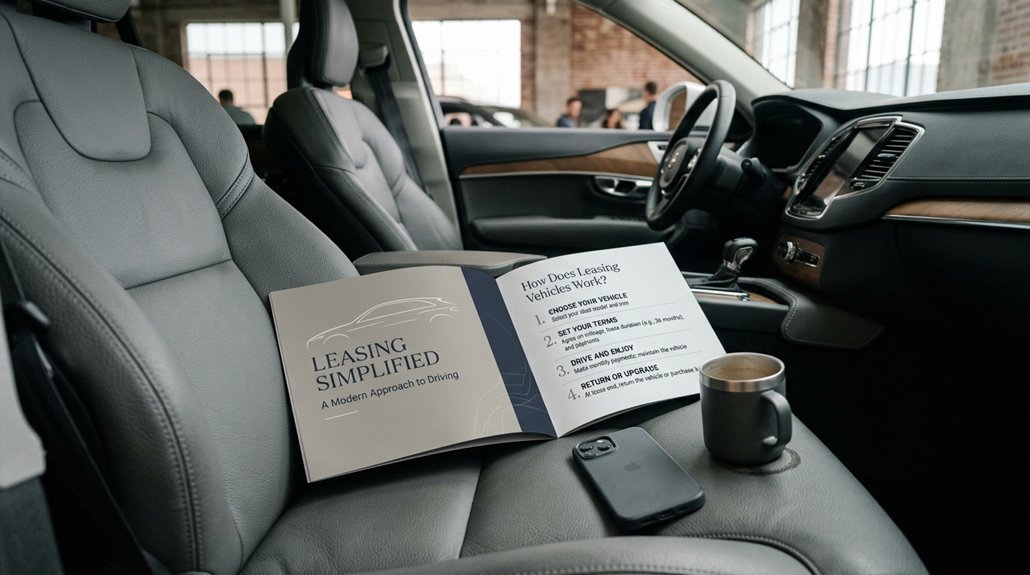
I’ve leased three vehicles over the past decade, and I’ll tell you straight: leasing isn’t renting, and it isn’t buying either. You’re essentially paying for the depreciation hit the car takes while you drive it, plus interest and fees, locked into 24 to 48 months of payments.
Your monthly cost hinges on two numbers most shoppers ignore: the negotiated capitalized cost and the residual value, which is what the lender guesses the car will be worth when you hand back the keys. Get the residual wrong, or blow past your mileage cap, and that “affordable” payment balloons fast. I learned that the hard way on a 12,000-mile limit that didn’t survive my commute.
There’s more to this than the sales pitch suggests.
What Is Vehicle Leasing and What Are You Paying For?
How does leasing actually work when you’re sitting across from the finance manager? You’re essentially signing up for a long-term rental, typically two to four years, where your down payment stays lower than financing. Instead of buying the car outright, you’re covering depreciation, interest, and fees through monthly payments calculated from expected value loss and the money factor.
Watch those mileage limits, usually 10,000 to 15,000 miles annually, because exceeding them hits your wallet at return time. The residual value, set at signing, determines your end-of-lease options. You can walk away, buy it at that predetermined price, or lease something fresh.
I recommend weighing warranty coverage and wear-and-tear rules before you commit. It is practical if you crave that new-car feeling every few years.
Recommended Products

PROTECTIVE HINGED COVER: Features a hinged, hard cover that protects the keys and display when stored, making this handheld calculator durable and easy to carry safely....
What Credit Score Do You Need to Lease?
Why does your credit score matter so much when you’re trying to lease? It directly shapes your lease eligibility and the financial terms you’ll receive. Lenders use it to gauge risk, and that single number ripples through every aspect of your deal.
Your credit score directly shapes lease eligibility and financial terms, as lenders use it to gauge risk—a single number that ripples through every aspect of your deal.
From my experience reviewing dozens of lease agreements, I can tell you the gap between scores is real. Higher credit scores open the door to lower interest rates, which keeps your monthly payments manageable. With a score around 729, you’re sitting comfortably in prime territory based on industry data I’ve tracked.
But don’t panic if you’re below that threshold. You still have leasing options. Lower scores mean higher rates or limited vehicle choices. You might face a larger down payment to offset lender concerns.
The key is knowing where you stand before walking into the dealership.
Recommended Products
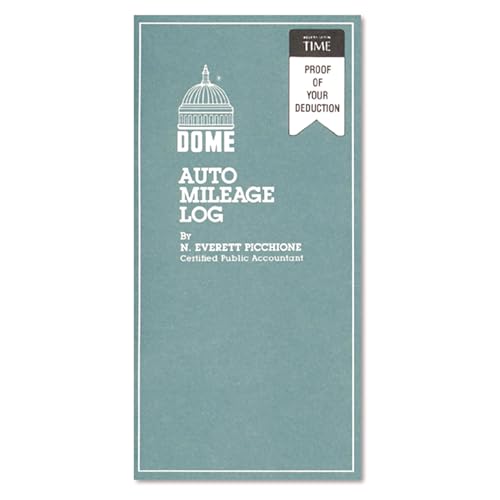

【Sufficient Recording Space】Auto mileage log book has 1260 entries, Each entry has space to log date, business purpose, odometer reading, and total mileage,emergency contacts, maintenance records, insurance information and so on. Accurate records of every trip, applicable to personal taxes and business claims

Comprehensive Package for Long Term Use: this package comes with 3 auto mileage and expense notebooks; Each mileage log book for car contains 32 pages; This sufficient quantity enables you to keep track of your expenses for a longer period
What Will You Owe When You Sign the Lease?
Once you’ve sorted out your credit situation, you’re ready to look at what actually comes out of your pocket on signing day. I’ve walked countless shoppers through this, and your down payment is typically lower than with traditional financing. You’re also committing to monthly payments shaped by the money factor, which acts like interest.
Your contract sets a mileage allowance, commonly 10,000 to 15,000 miles per year, with stiff per-mile penalties if you exceed that limit. Maintenance is your responsibility, so stick to manufacturer recommendations. At the end, you can return the car, lease again, or pursue an end-of-lease buyout.
Just watch for excess wear and tear charges, because curb rash and interior stains will hit your wallet hard. I recommend a pre-return inspection.
Recommended Products


How Is Your Monthly Lease Payment Calculated?
I’ve analyzed lease sheets on everything from compact EVs to heavy-duty trucks, and I can tell you your monthly payment hinges on two main factors: the depreciation you’ll actually use, which is simply the gap between the vehicle’s negotiated price, or capitalized cost, and its projected residual value after a typical 36-month, 12,000-mile-per-year term; plus interest charges that dealers wrap into a money factor and convert to an APR.
A strong residual, like 60 percent on a $40,000 crossover, shrinks that depreciation gap and drops your payment, while a longer term or lower residual inflates it. I always warn shoppers to watch for fees, including the acquisition fee and disposition charge, and to compare the money factor and residual line by line to land the best deal.
Recommended Products



Depreciation and Residual
When I’m breaking down a lease payment, I start with the depreciation because that’s where most of your monthly cost actually lives. Depreciation is simply the gap between what the car costs today and its residual value at lease end. That residual value is the dealer’s best guess at what your vehicle will still be worth when you hand back the keys.
Here’s why this matters to your wallet. A higher residual value shrinks the depreciation portion you’re financing, which drops your monthly payments. I’ve seen identical models with different residuals swing payments by $50 or more.
The money factor adds interest on top, but the depreciation portion remains the heavy lifter. Get this piece right, and you’ve figured out the real math behind every lease deal.
Interest and Fees
How does a simple sticker price turn into that monthly number on the window? I break it down for you. Your payment covers the gap between the initial price and the residual value, what the dealer thinks it’ll be worth when you hand back the keys.
Then comes the cost of borrowing. The money factor, it’s basically the lease version of an interest rate, converts to an APR that gets baked into each payment. Better credit scores reveal lower money factors, so watch that number closely.
Don’t ignore the fees. Acquisition fees, documentation charges, maybe a down payment, they all nudge your monthly cost up or down. Roll them in or pay upfront, your call.
I always check every line item twice. The math isn’t complicated, but it’s your money on the line.
How Do Mileage Limits Affect Your Lease Costs?
Why exactly do mileage limits matter so much? They’re the backbone of your lease contract, typically set at 10,000–15,000 miles per year, and they directly shape your monthly payments. I choose a lower limit to shrink those payments, but I’m gambling on my actual driving habits.
Here’s the catch: excess mileage hits hard at lease-end, usually 15–30 cents per mile. The leasing company calculates depreciation assuming I’ll stay within my allowance. More miles accelerate wear, slash residual value, and trigger end-of-lease penalties that wipe out any upfront savings.
I track my odometer religiously because mileage limits also affect my buyout decision. If I’ve blown past my allowance, purchasing the car might dodge per-mile fees, but I’m still absorbing that steeper depreciation. Choose wisely, drive honestly.
Who Pays for Maintenance, Repairs, and Wear and Tear?
Mileage limits dictate my lease costs, but my wallet also feels every oil change, tire rotation, and brake inspection. I’m on the hook for maintenance throughout my lease term, following the manufacturer’s schedule to the letter. Skipping routine maintenance isn’t an option; it violates my maintenance requirements and sets me up for headaches later.
I track every service visit, keeping receipts organized. This paperwork protects me when inspectors evaluate wear and tear at return time. Normal use is expected, but excessive wear, dents beyond palm-sized guidelines, or missing floor mats trigger end-of-lease charges that sting.
I’ve learned to address small issues promptly, budget for tires if I’m approaching limits, and treat the vehicle like I’m borrowing it from a careful friend.
Recommended Products

DURABLE VINYL. Made of 4 mil thick, conformable vinyl and has an aggressive adhesive backing. Labels last up to 5 years outside.


MONITOR MILEAGE — Keep track of motor vehicle mileage each time a user gets behind the wheel so you can maintain its needs.
What Are Your Options When the Lease Ends?
When my lease ends, I’m weighing three paths: return the vehicle, buy it at the preset residual price, or request a short-term extension from the lender. Returning forces me to watch my mileage, typically capped at 12,000 miles annually, and keep the tires and cabin within standard wear-and-tear limits so I don’t get hit with extra fees. I can also purchase the car outright by paying that residual plus taxes, or trade it in and roll any equity into a new lease with better fuel economy and upgraded safety tech.


Return Versus Purchase
How exactly does a lease wrap up, and what choices do I actually have? I’ve walked through end-of-lease options myself, and here’s what actually matters.
Returning the vehicle means meeting wear and tear guidelines. Exceed your mileage allowance or show damage, and end-of-lease charges hit your wallet. I’ve seen friends blindsided by excess mileage fees they didn’t track.
Buying the car locks in your buyout price, the residual value set at signing. This works when market value exceeds that number. You’re essentially purchasing a known quantity, no surprises, no new negotiations.
The third path, leasing again, resets your term with fresh mileage allowance and updated features. Each route serves different needs.
I measure my driving habits, inspect condition honestly, then decide. Your lease agreement holds the real numbers, so I read it twice.
Lease Extension Choices
I’ve handled the standard end-of-lease decisions, but sometimes life throws curveballs. That’s where lease extensions come in handy. These end-of-lease options let me keep driving my current vehicle month-to-month when I’m not ready to commit.
I’ve found extensions particularly useful when I’m waiting for a specific model to arrive or need time to sort finances. However, I watch my mileage closely during extensions since mileage overage fees still accumulate. I also stay mindful of wear-and-tear guidelines, as damage assessments happen eventually.
My preferred path? Negotiating a new lease after termination. Many dealerships offer loyalty incentives that reduce my upfront costs.
I compare these against purchasing at residual value, weighing my equity position against fresh warranty coverage and updated tech. Extensions buy me breathing room, but they’re rarely my final answer.
Trade-In Alternatives
Once my lease reaches its final stretch, I’m weighing three distinct paths, each with its own math and momentum. I can return the vehicle, buy it outright, or explore trade-in options for something fresh.
Returning means walking away, but I’m watching for end-of-lease charges. Excess wear, mileage overages, and listed fees add up fast if I’ve pushed the limits.
Buying locks in my buyout price, set at lease inception based on residual value. If market value exceeds that number, I’ve built equity. If not, I’m paying for depreciation I didn’t cause.
Trading in streamlines everything. I roll into a new lease with updated terms, fresh incentives, and zero downtime. For me, that’s the sweet spot: practical, confident, and forward-looking.
Should You Lease or Buy Your Next Vehicle?
Why do so many drivers walk into a dealership without knowing whether they’ll sign a lease or a loan? I’ve watched this confusion firsthand, and it costs people thousands.
Ownership vs leasing comes down to how you actually use your vehicle. Lease payments cover depreciation and interest, not the full price, so monthly payments stay lower. You’re essentially renting for 24-48 months with set end-of-lease options: return it, buy at residual value, or start driving a new car again.
Here’s what separates smart decisions from expensive mistakes:
- Track your miles per year honestly; leases punish excess mileage
- Calculate total cost including down payment and fees
- Decide if you value flexibility or long-term equity
I lease when I want predictable costs and fresh technology. I buy when I’ll keep a vehicle beyond five years. Match the method to your habits, not a salesperson’s pitch.
Recommended Products


