I once pulled a 12,000-pound trailer up a 6% grade in a Ford F-250 Power Stroke, and the diesel barely broke a sweat. Compression ignition, 16.5:1 compression ratio, no spark plugs, just heat and pressure doing the heavy lifting. The 475 lb-ft of torque hit at 1,600 RPM, which is exactly when you need it.
You’ll want to know why this matters for your next truck purchase, or whether the $8,000 diesel premium actually pays off in fuel savings and longevity.
What Makes Diesel Engines Different From Gasoline?
How exactly does a diesel engine set itself apart from the gasoline engine in your garage? Let me walk you through what I’ve learned testing both.
Diesel engines rely on compression ignition, not spark plugs. I notice the absence of spark plugs immediately when I pop the hood. The high compression ratio, typically 16:1 to 25:1, heats air to 1000°F before direct fuel injection sprays atomized diesel into the combustion chamber. This piston-bowl configuration swirls fuel for complete burning.
You’ll run a lean air-fuel ratio, 25:1 to 40:1, meaning more air than fuel. That’s why I’m adding diesel exhaust fluid (DEF) to cut emissions. The payoff? 30-35% better thermal efficiency, stump-pulling torque at 1,500 RPM, and 500,000-mile longevity. For hauling and highway miles, I’m choosing diesel every time.
Recommended Products

Fitment: Fuel Injector replacement for Yanmar Diesel Engine L100 186F 10HP

Replaces the following GM Part Numbers: 97328733, 98062291, 97328732, 98045649, 98045648, 97380859
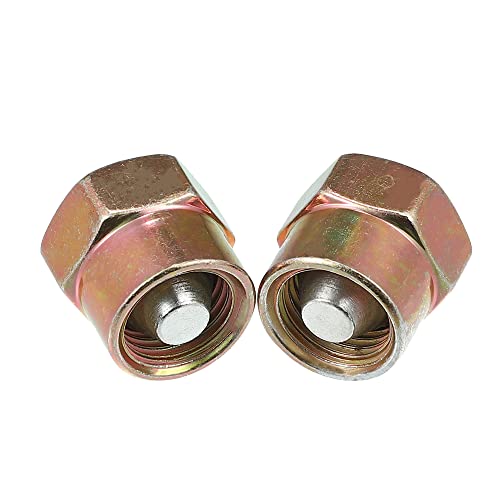
[Application of Fuel Injector Cap Block Off Tool] Suit for Chevrolet for GMC 6.6L 2001-2005, for Dodge 2003-2007 5.9L. It can also apply on other vehicles which with 14mm fuel line nut.
How Diesel Engines Ignite Fuel Without Spark Plugs
I’ve spent enough time wrenching on both gas and diesel engines to know the difference isn’t just academic; it’s mechanical. While you’re hunting for spark plugs in a gas engine, I’m watching a diesel create its own fire through pure compression.
Here’s what happens inside that combustion chamber. The piston drives upward, squeezing air through adiabatic compression until temperatures hit 400°C or higher. That’s well past the ignition temperature of diesel fuel. No spark, no problem.
When the piston nears top dead center, direct injection sprays fuel into that superheated air. The fuel injection timing controls exactly when ignition occurs, not some distributor cap.
It’s elegant, really. Compression does the work that spark plugs do in your truck, and once you’ve felt that low-end torque, you’ll get why we trust heat over electricity.
Recommended Products
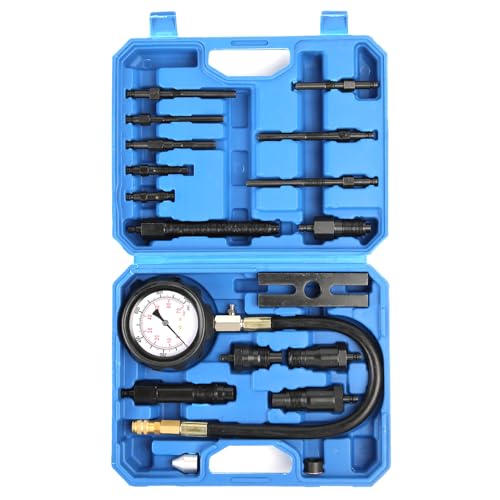
1. Diesel Engine Compression Tester Kit:Professional-grade design tools enable convenient detection of diesel engine compression ratios, quickly identifying abnormal cylinder pressure issues. Ensure the engine always operates at high efficiency, effectively improving fuel economy and power output stability.


The Four-Stroke Cycle: How Diesel Engines Breathe and Burn
I’ll walk you through how a diesel engine breathes and burns through its four-stroke cycle, starting with the intake stroke where I pull in pure air, no fuel mixed in yet. That air gets squeezed during compression until it’s hot enough to ignite fuel on contact, which is why I’m not hunting for spark plugs when I’m checking under the hood.
The explosion drives the power stroke with serious torque, then the exhaust valves open to clear out spent gases before the whole cycle repeats.
Recommended Products

【Strong Power】 Its power is 2200w, and the speed can reach up to 3800r/min, providing you with strong power.

Replacement for 12 Valve 3.9L 5.9L 8.3L 4BT 6BT 6CT

【Single Cylinder Diesel Engine – 2.2KW Strong Power】 Delivers 2.2KW max power with speed adjustable from 1650 to 3800rpm—handles demanding farm tasks efficiently. Forced air cooling system with heat dissipation holes prevents overheating. Ideal for small tractors, forklifts, harvesters, and generator sets.
Intake Stroke Mechanics
Why does a diesel engine pull in only air while its gasoline cousin mixes fuel right at the start? I’m glad you asked, because this distinction defines everything that follows.
During the intake stroke, I’m watching the piston motion carry the piston from top dead center to bottom dead center. The camshaft opens the intake valve, and I’m pulling in a dense air charge through the manifold. No fuel joins the party, not yet.
This unthrottled intake means I’m not fighting a throttle plate, just letting physics do the work. Add a turbocharger, and I’m cramming even more oxygen into that cylinder, boosting density for the compression ignition process ahead.
Here’s what makes this stroke matter:
- Piston motion from TDC to BDC creates vacuum, drawing air through the intake valve.
- The camshaft precisely times valve opening for maximum air charge volume.
- Turbocharger boost increases air density, improving combustion efficiency later.
- Unthrottled intake design eliminates pumping losses, improving fuel economy.
Compression Ignition Process
Now that cylinder’s packed with fresh air, I’m pushing that piston back up from bottom dead center to top dead center. That piston motion squeezes that air intake into a tiny space, creating muscle through high compression ratio, typically 15:1 to 25:1.
Here’s where compression ignition separates the contenders from the pretenders. No spark plugs here. I’m talking temperatures hitting 900°F or higher, purely from mechanical squeeze.
At the precise moment, diesel fuel injection blasts atomized fuel directly into that combustion chamber. The heat triggers auto-ignition instantly. No wandering flame front, no timing scatter.
This lean burn, running 25:1 to 40:1 air-fuel ratios, means efficiency gasoline engines simply can’t touch. The diesel rewards precision engineering with reliable, powerful combustion every single compression stroke.
Power And Exhaust
What happens when that compressed air finally meets its fuel? That’s where the magic happens, and I’m here to walk you through it. The power stroke begins when fuel injection sprays atomized diesel into that superheated, compressed air. No spark plug needed; compression ignition takes care of business instantly. The high compression ratio, typically 16:1 to 25:1, creates temperatures above 1,000°F, ensuring reliable, complete combustion.
Here’s what makes this cycle work for us:
- Turbocharging forces extra air into the cylinder, boosting power density and thermal efficiency by 15-30%
- The piston’s bowl design directs expansion forces downward, converting heat to rotational force efficiently
- Lean burn ratios of 25:1 to 40:1 maximize torque while minimizing fuel waste
- The exhaust system then scavenges spent gases, prepping the chamber for the next intake stroke
That’s your four-stroke diesel cycle, complete and ready for the road.
Pistons, Injectors, and Crankshafts: Diesel Engine Anatomy
How exactly does a diesel engine turn fuel into motion? I fire up my truck and feel that familiar compression ignition rumble. Diesel fuel injectors spray precisely timed bursts into the cylinder after air compression heats things past 1000°F.
The piston crown, shaped like a shallow sombrero bowl, directs those explosive forces straight down to the connecting rod and crankshaft. This four-stroke cycle, intake, compression, power, exhaust, runs cleaner with a turbocharger forcing denser air into each cylinder. My forged aluminum piston handles 2,000-plus psi without breaking a sweat, coated against the heat that would melt lesser metals.
These parts work together, converting diesel’s chemical energy into the torque we depend on for hauling, towing, and long-haul reliability.
Recommended Products

Direct replacement - this EGR transducer is designed to match the fit and function of the original transducer on specified application


▶️ Compatible with 98-04 Beetle, 99-04 Golf, 99-04 Jetta (Fits 1.9L Diesel engines only)
Why Diesel Engines Make More Torque With Less Fuel
Torque is what you feel shoving you back in the seat when a loaded diesel pulls away from a stoplight without downshifting. I get why that matters to anyone who’s hauled heavy loads or towed trailers. Diesels produce this punch through some smart engineering choices that extract more work from every drop of fuel.
Here’s what creates that low-end muscle:
- Higher compression ratios, typically 16:1 to 25:1, spike in-cylinder temperature and pressure for more forceful piston strokes
- Direct injection and lean burn strategies maximize energy extraction per kilogram of fuel burned
- Turbocharging forces extra air into cylinders, allowing more fuel combustion without proportional fuel consumption increases
- No throttle plate means minimal pumping losses, so more energy converts directly to torque output
You are not imagining it. Diesels genuinely twist harder while using less.
Recommended Products

Excellent for diesel vehicles driven regularly at slow speeds, low loads, short durations or make frequent stops as these are more prone to having the problem of crystallization deposit build up in the SCR system.
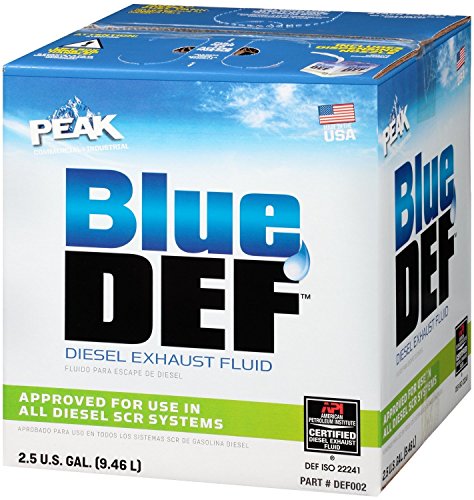
One gallon of is used approximately every 300 miles

RISLONE DIESEL DEF TREATMENT is an anti- crystallization solution that is used every time filling the DEF / AdBlue tank.
How Glow Plugs Solve Diesel Cold-Start Problems
I crank my diesel on a frosty morning and the glow plug indicator stays lit for eight to ten seconds; that’s the electrical heater warming each combustion chamber so compression ignition can actually happen. Without this pre-heating phase, cold air simply won’t reach the 850-plus degrees Fahrenheit needed for diesel fuel to spontaneously combust, leaving you with hard starts and rough idling.
Once running, those plugs keep glowing briefly to stabilize combustion, reducing white smoke and fuel waste until the block warms up.
Recommended Products
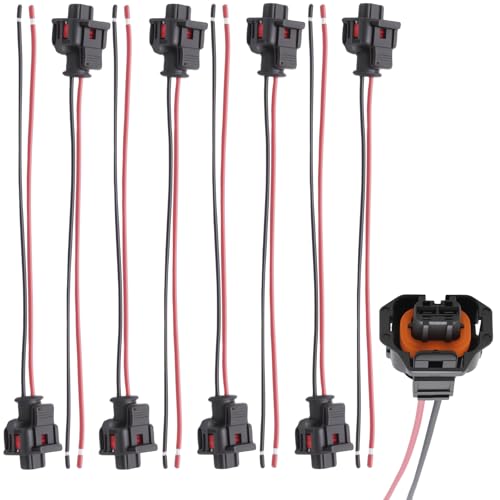
Compatibility: Specifically engineered for the 6.6L Duramax diesel engines (LLY and LBZ variants).

Applicable Engine: Injector removal tool kit compatible with Volkswagen 1.2, 1.4, 1.6, 1.8, 2.0, 2.7 V6, 3.0 V6, 3.2 V6, 3.6 V6, & 4.2 V8 FSI engine, compatible with Audi VW TDi 4 cyl 8V 16V Engine

【Replacement Part Number】Diesel Fuel Rail:0445226044,4937282,68005440AA,0445226069
Glow Plug Function
Why do diesel engines struggle to fire up on frosty mornings when your gasoline car starts without complaint? I’ve wrestled with this myself. The answer lies in how a diesel engine achieves compression ignition.
Unlike gasoline engines that use spark plugs, diesels need air hot enough to ignite fuel when compressed. In a cold start, ambient temperatures drop below the ignition temperature threshold. That’s where the glow-plug system proves essential.
A glow plug functions as an electric heater positioned inside each combustion chamber. I see them as your engine’s winter survival gear. They don’t ignite fuel directly. Instead, they warm the air and residual gases so compression can finish the job.
Here’s what makes glow plugs critical:
- Pre-ignition heating raises air temperature before fuel injection
- Automatic activation through engine management when coolant drops below 40°F (4°C)
- Post-start operation to reduce white smoke and rough idling
- Typical wattage of 100–150 watts per plug, reaching 1,300°F (700°C) in 2–8 seconds
I’ve tested diesels without functioning glow plugs in freezing conditions. They crank endlessly, belch smoke, and strain batteries. Modern engine management integrates glow timing with fuel injection for cleaner starts.
Most systems display a dashboard indicator. When that coil symbol illuminates, wait. Patience rewards you with reliable ignition, reduced wear, and immediate drivability even when thermometers plunge below zero.
Cold-Start Assistance
When temperatures drop below freezing, I’ve learned that glow plugs become the difference between a quick start and a dead battery. These electric heaters sit in each combustion chamber, pushing intake air to 725–900°C so diesel ignition actually happens when compression alone won’t cut it.
I cycle my glow plugs before cranking, and modern systems nail the startup timing perfectly. Some setups pair glow plugs with an intake air heater for brutal mornings, reducing cold-start friction and misfires that drain your battery and patience.
Here’s what I watch: plugs stay active briefly after firing to stabilize combustion, reducing rough idling and white smoke. Once warm, they step back; compression handles ignition alone. For warm-up emissions and reliability in winter, this system works well.
Direct vs. Indirect Injection: Diesel Fuel Delivery Compared
Although most diesel owners never peek inside their combustion chambers, I’m telling you that how fuel gets delivered makes or breaks your engine’s personality. I’ve wrenched on both direct injection and indirect injection diesels, and the difference hits you where it counts: power, efficiency, and what comes out your tailpipe.
Here’s what separates the two:
- Direct injection sprays fuel straight into the cylinder, letting you run higher compression and dial in precise timing for maximum combustion efficiency
- Indirect injection routes fuel through a pre-combustion chamber first, smoothing out cold starts but bleeding off heat and power
- Modern direct systems hit tens of thousands of psi fuel injection pressure, shattering diesel into microscopic droplets for clean, complete atomization
- That pre-chamber design in indirect injection historically cut knocking, yet chokes modern diesel engine emissions compliance
Direct injection dominates today for good reason.
Recommended Products

【Precision in Pressure Readings】 Featuring a 0-1000 PSI/0-70 bar gauge with a release valve and flexible hose, this kit ensures accurate pressure measurements, facilitating effective diagnostic procedures.


1. Diesel Engine Compression Tester Kit:Professional-grade design tools enable convenient detection of diesel engine compression ratios, quickly identifying abnormal cylinder pressure issues. Ensure the engine always operates at high efficiency, effectively improving fuel economy and power output stability.
How Turbocharging Boosts Diesel Power and Efficiency
How exactly does a diesel turn exhaust heat into serious grunt? I strap a turbocharger onto the exhaust manifold and watch magic happen. Exhaust gases spin the turbine, which drives a compressor that crams more air into the cylinders. That boost pressure raises air density, so I can burn more fuel and generate serious torque without increasing displacement.
Here’s where it gets clever: turbocharging actually cuts pumping losses since the engine doesn’t work as hard to pull air in. Better diesel efficiency follows naturally. I always look for an intercooler in the package; it cools that compressed charge, boosting air density even higher for denser power delivery.
The real payoff? I’m getting big-engine output from smaller, lighter packages while keeping fuel economy respectable under load.
Recommended Products

【Strong Power】 Its power is 2200w, and the speed can reach up to 3800r/min, providing you with strong power to ensure that your work can be completed quickly and easily.

Strong Power: This single cylinder diesel engine power is 2200w, and the speed can reach up to 3800r/min, providing you with strong power to ensure that your work can be completed quickly and easily.
【STRONG POWER & LOW NOISE】- The diesel engine power is 2200w, and the speed can reach up to 3800r/min. It adopts a double-layer soundproof muffler, which can effectively reduce noise
Black Smoke, Hard Starts, and Injector Failures: Diesel Troubleshooting
Why does my diesel suddenly belch black smoke at the stoplight? I’ve chased this problem myself, and diesel exhaust black smoke almost always signals over-fueling from injector failures or botched injection timing.
Here’s what I’ve learned diagnosing these headaches:
Check fuel pressure at the rail; low readings mean your lift pump or clogged filters starve injectors.
Test glow plugs first on cold mornings. Weak heat prevents combustion and loads up your cylinders with raw fuel.
Run a cylinder balance test. It isolates which injector misfires by cutting fuel to each cylinder and measuring rpm drop.
Verify compression and injection timing. Low compression or late firing leaves unburned fuel streaming out your tailpipe.
Weak battery, air in lines, or sticking plungers cause hard starts too. I fix the obvious, then dig deeper.
Recommended Products

Fully compatible with genuine parts.

[Wide Compatibility]: This Exhaust Gas Recirculation (EGR) Line Compatible With 2007-2012 Ram 2500,2007-2012 Ram 3500,2008-2012 Ram 4500/5500.

Genuine Mack EGR Gasket - 20850815
Where Diesel Engines Still Win: Trucks, Ships, and Generators
I’ve spent enough time chasing injector failures and smoke trails to know diesels aren’t perfect, but they still dominate where raw work matters. In trucks, high compression builds massive torque at low RPM, letting you haul 80,000 pounds without breaking a sweat. High-pressure injection and sturdy internals mean these engines regularly pass 500,000 miles.
Diesels aren’t perfect, but they still dominate where raw work matters—hauling 80,000 pounds without breaking a sweat and regularly passing 500,000 miles.
Ships and locomotives run on the same formula: reliability and fuel efficiency across thousands of hours. Large displacement, steady cooling, and simple maintenance keep them moving when failure isn’t an option.
Generators in remote sites need steady, controllable power. Diesels meet that need with minimal fuss.
Modern emissions gear, diesel exhaust fluid, and exhaust aftertreatment add complexity, but the core remains unchanged. For heavy loads and continuous duty, I still reach for compression ignition.
Recommended Products

Meets GM Original Equipment specifications to be approved for use in GM vehicles as well as in non-GM diesel vehicles that have an SCR (Selective Catalytic Reduction) system to meet regulated NOx emissions (Based on EPA certification testing. Your actual emissions will vary based on several factors including temperature, terrain, and driving conditions).

Designed for SCR Diesel Systems: Premium Diesel Exhaust Fluid (DEF) formulated for use in Selective Catalytic Reduction (SCR) equipped diesel vehicles and equipment.
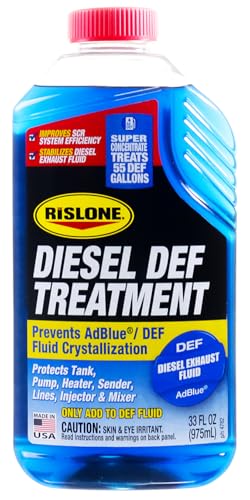
Regular use every time refilling the DEF / AdBlue tank works to prevent the white crystallization deposits from occurring