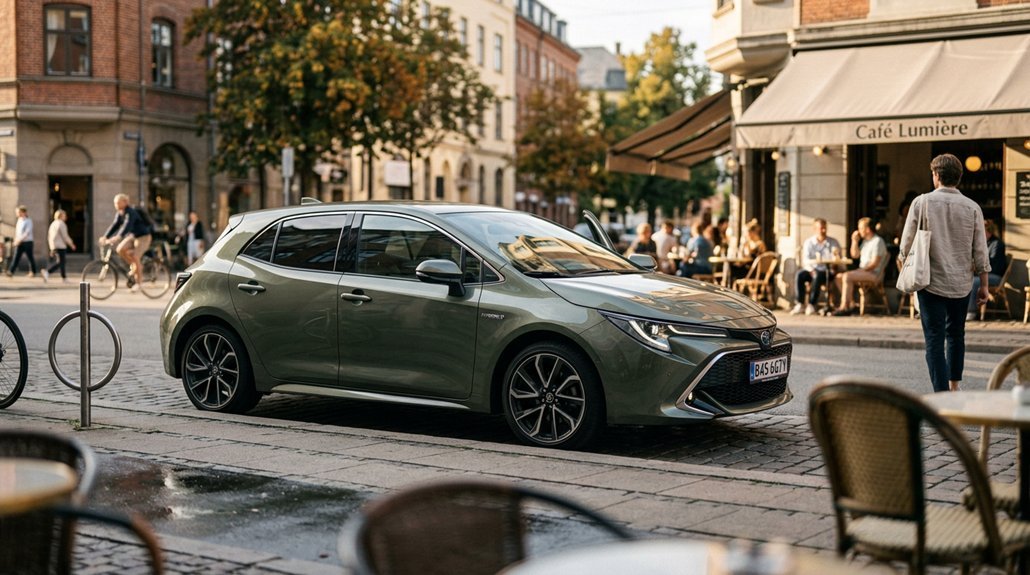
I recently tested a Toyota Prius that hit 58 MPG while a comparable gas sedan barely cracked 28 MPG on the same route. That gap matters when you are filling up twice a month versus once.
Hybrids blend a small gas engine with an electric motor, recovering energy every time you brake, while traditional cars waste that momentum as heat. Upfront costs favor gas by roughly $3,000 to $5,000, but the math shifts quickly depending on your daily miles and how long you plan to keep the vehicle. I will walk you through the three differences that actually decide which one belongs in your driveway.
How Gas and Hybrid Engines Actually Compare
How exactly do these two powertrains stack up when you’re actually behind the wheel? I’ve driven both extensively, and the difference hits you immediately. A hybrid engine pairs a gasoline engine with an electric motor, letting you cruise silently at low speeds while sipping fuel. Your traditional internal combustion engine, by contrast, runs constantly and burns more gas doing it.
Hybrids glide silently at low speeds while gas engines run constantly, burning more fuel—the difference hits you immediately behind the wheel.
The numbers tell the story. EPA ratings for hybrids routinely hit 50-plus MPG, while most gas cars manage 25–30 MPG. That fuel economy gap widens in traffic, where regenerative braking recaptures energy that gas cars waste as heat.
You’ll feel it through the pedal, too. Hybrids recover momentum every time you slow down.
Here’s the trade-off: upfront cost. Most hybrids run $2,000–$5,000 more than comparable gas models. When you’re weighing hybrid vs gas, ask yourself how much you drive. High-mileage commuters typically win that math.
Recommended Products

Effective Protection: Soda woven combined with activated carbon effectively captures contaminants that cause odors and offers clean and fresh breeze air for drivers and passengers. The cabin air filter offers exceptional protection in your vehicle interior.

High Efficiency Particulate Cabin Air Filters Are Designed To Trap Microscopic Pollutants Including Pollen, Mold And Common Allergens
Bosch High Efficiency Cabin Air Filters are designed to provide your vehicle with the ultimate in clean, fresh, odor-free air for you and your family
What Gas and Hybrid Ownership Actually Costs
Where does your money actually go when you own one of these cars? I’ve tracked hybrid ownership costs across multiple vehicles, and the math tells a clear story.
You’ll pay a higher upfront cost for most hybrids, but superior fuel economy starts paying you back immediately. I’ve seen PHEV electric range stretch 20–50 miles on battery alone, slashing fuel costs for daily commutes. Tax incentives can offset that initial sticker shock, too.
Now, let’s talk real maintenance expenses. Hybrid systems demand specialized care, and battery replacement looms as a major future expense. Insurance premiums run higher due to complex electronics and pricier parts.
Gas cars win on lower upfront cost and simpler gas car maintenance, yet you’ll bleed money at the pump over years of ownership.
Recommended Products

SAE J1772 Standard Charger: Compatible with all North American electric vehicles and plug-in hybrids, including Ford, Chevrolet, Nissan, BMW, Volkswagen, Hyundai, Kia, Audi, Mercedes-Benz, Rivian, Porsche, Toyota, Honda, Jeep, and GMC. Tesla vehicles can be charged with a separate SAE J1772 adapter (sold separately).

EV Charger Holder: MECMO EV charger cable wall mount holder compatible with most elctronic vehicles or PHEV with SAE J1772 (type 1) connectors, it is a perfect J1772 Holder for your EV Charger;
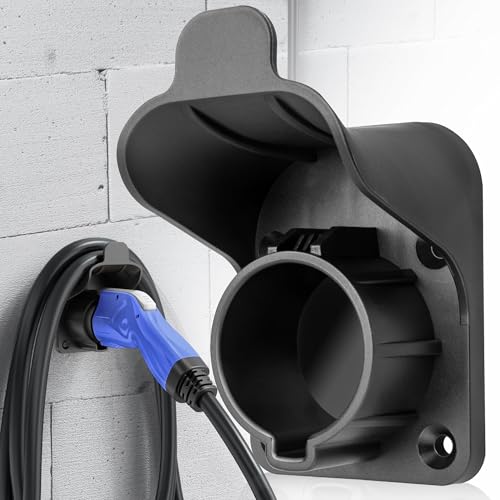
Fits All J1772 Plug: - This Portable EV Charger Cable Hanger compatible with most electric vehicle compatible with Rivian, Hyundai, Audi EV, Ford EV, Chevrolet VOLT, Volkswagen, Nissan, PHEV and all J1772 Charger Plug EV EVSE or plug in hybrid Type 1 connectors
Which One Matches Your Driving Habits
Why does the same car perform wildly different depending on where you drive it? Your driving habits decide everything.
Your driving habits decide everything—same car, wildly different performance depending on where the road takes you.
I picture your daily routes clearly:
- Stoplight after stoplight downtown, where hybrid driving shines and early emissions drop to nearly nothing
- Open highway stretches where gas cars stretch their legs without penalty
- Suburban loops perfect for plug-in hybrids, 30 electric miles covering your whole day
- Remote backroads where charging access disappears and fuel economy becomes your lifeline
City driving turns hybrids into efficiency champions, their electric motors handling low-speed grind while you save at the pump.
But I won’t ignore reality: higher upfront cost stings, and operating costs only win over years. No charging access? Forget plug-in hybrids. Match your machine to your miles, or you’ll pay for someone else’s perfect commute.
Recommended Products

Your Car's Personal Doctor: Say Goodbye to Check Engine Light Troubles! The YM319 OBD2 scanner swiftly reads and clears engine fault codes, pinpointing the root cause of issues. Monitor your engine's every "breath" like a pro—view freeze frame data, check I/M readiness status, run oxygen sensor tests, and more. With a built-in database of over 63,000 fault codes, it delivers precise and reliable diagnostics, making it your trusted partner for vehicle maintenance and repair.

OBD2 SCANNER & BATTERY TESTER IN ONE – The INNOVA 5210 OBD2 scanner not only reads and clears check engine light and ABS codes (coverage may vary) but also functions as a car battery tester to check alternator health and prevent unexpected breakdowns.
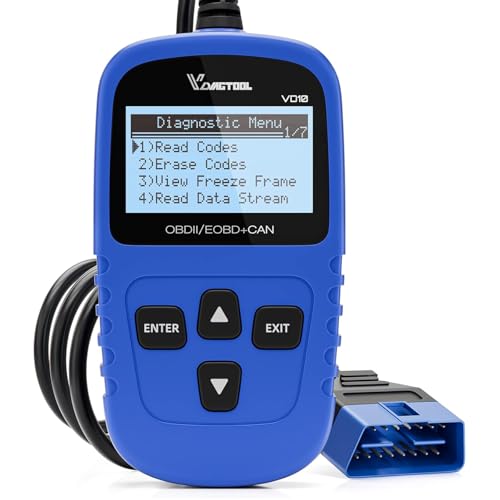
【A MUST-HAVE TOOL FOR DIYERS】 - VDIAGTOOL VD10 car code reader is an incredibly useful obd scanner for each car owner or hobbyist, even for those with little to no experience when it comes to vehicle mechanics! Similar to a fixd car diagnostic tool, using this car diagnostic scanner is extremely easy. All you have to do is attach it to your car OBDII port and you can diagnose car problems in seconds! Read Codes (DTCs); Clear Codes; Live Data; View Freeze Frame; I/M Readiness; Vehicle Information.