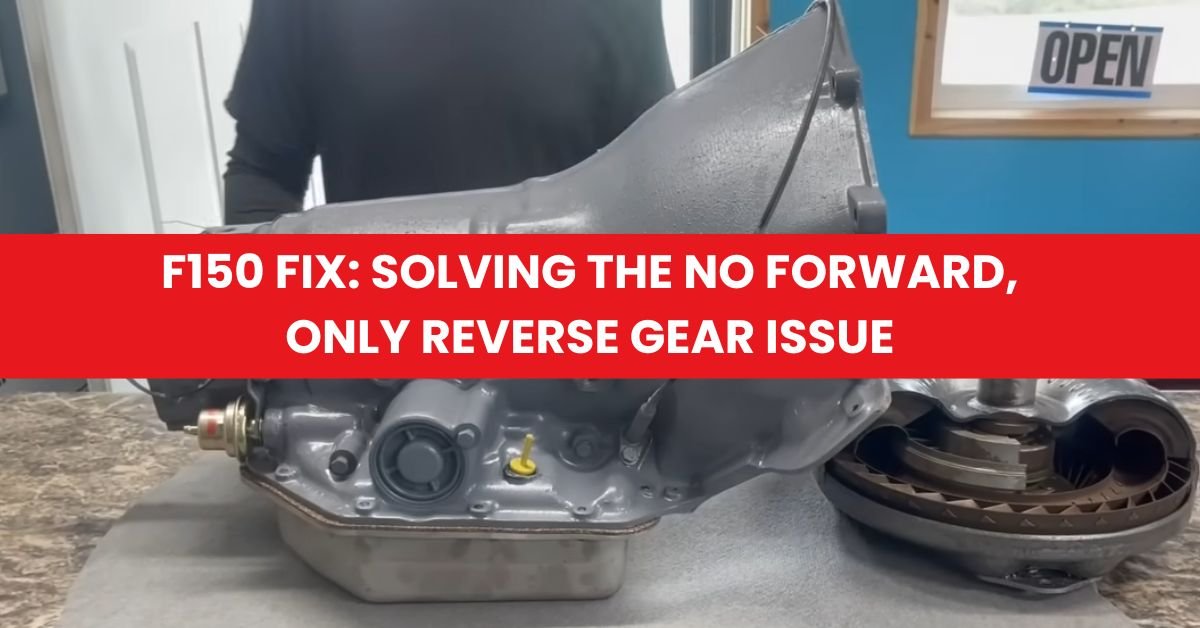
Imagine you’re all set for a day out, you hop into your trusty F150, twist the key, and… it refuses to move forward. It’s a puzzling situation that can leave even the most seasoned drivers scratching their heads. While having a reverse gear that works perfectly but no forward motion might sound like a rare automotive conundrum, it’s an issue that some F150 owners have encountered. This peculiar problem not only disrupts your plans but also sends you on a quest for answers and solutions.
Why does this happen, and what does it mean for you and your F150? In our journey through this article, we’ll dive into the mechanics of what causes an F150 to lose its forward gears while retaining reverse, making it seem like your truck prefers to live in the past. We’re here to guide you through the maze of technical jargon and mechanical fixes, turning complex concepts into easy-to-understand language. So, buckle up as we shift into reverse to understand this forward-moving dilemma.
Key Takeaways
- Regular Monitoring of Transmission Fluid: Regularly check the transmission fluid level and quality in your F150 to preempt issues. Look for signs of contamination or low levels, as these can lead to significant transmission problems, including the inability to move forward.
- Understanding Transmission Mechanics: Gain a basic understanding of how your F150’s transmission operates. Problems with forward movement can often be traced back to issues with the forward clutch or gear mechanisms, necessitating a thorough diagnostic process.
- Essential Tools for DIY Troubleshooting: Assemble the correct tools and safety gear before attempting any DIY fixes on your F150’s transmission. Tools like a transmission fluid gauge, pressure gauge kit, and a set of wrenches are fundamental for diagnosis and repair.
- When to Seek Professional Help: Recognize when a problem is beyond a DIY repair. Complex internal transmission issues, especially those involving the valve body or control module, usually require professional skills and diagnostic tools for effective resolution.
- Adopt Preventive Maintenance Practices: Engage in preventive maintenance by adhering to Ford’s recommended service intervals for transmission fluid changes and avoiding common misuses like towing beyond capacity or abrupt shifting between gears. This can significantly reduce the risk of transmission failure.
- Cost-Benefit Analysis of DIY vs. Professional Repair: Weigh the advantages and disadvantages of DIY repairs against professional services. Consider factors like the availability of tools, mechanical expertise, and the potential cost-savings balanced against the risk of causing further damage.
Recommended Products

GlowShift Tinted 7 Color Series Transmission Temperature Gauge is Designed to Monitor & Display the Fluid Temperature Running Through Your Truck's Transmission & Help Prevent Overheating

Package Weight : 32.2817248764489 pounds

【EXACT OEM FITMENT】 Fits 2005-2008 Ford F-150 and 2006-2008 Lincoln Mark LT with 5.4L V8 Engine ONLY. Replaces 5L3Z-7A020-B, 5L3Z-7A020-CA.
Understanding the Problem: F150 Has Reverse But No Forward
Experiencing a Ford F150 that has reverse but no forward movement can be both confusing and concerning for owners. This section dives into the key symptoms and underlying mechanics of the transmission system in the F150, guiding you through initial diagnostics and understanding how your truck’s transmission operates.
Recommended Products

For use in 95% of vehicles including most CVTs in operation with US registered light duty applications

For use in 95% of vehicles including most CVTs in operation with US registered light duty applications
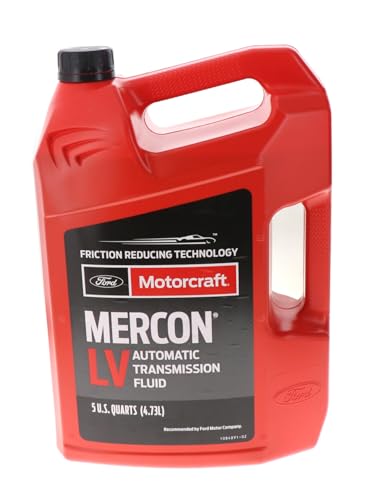
Motorcraft Transmission Fluid - XT105Q3LV
Common Symptoms and Initial Diagnosis
When an F150 has reverse but no forward movement, several symptoms and signs typically manifest. Firstly, the truck may engage in reverse gear without issue, allowing backward movement. However, when shifting to any forward gears, the vehicle fails to move, no matter the engine speed or power applied. This discrepancy often indicates a problem within the transmission system, specifically relating to components responsible for enabling forward motion.
Initial diagnostics should focus on checking the transmission fluid level and quality. Discoloration or a burnt smell in the transmission fluid can indicate internal wear or damage. Additionally, listening for unusual noises when shifting from park to drive offers clues; grinding or whining sounds can signal mechanical issues needing further inspection.
How Transmission Works in Your F150
Understanding the basics of how your Ford F150’s transmission works provides insight into why it might fail to move forward while still allowing reverse. Essentially, the transmission comprises several gears that facilitate the vehicle’s movement by delivering power from the engine to the wheels at varying speeds. For forward movement, the transmission engages different gearsets depending on the selected drive mode.
In your F150, hydraulic pressure, controlled by the transmission fluid, activates these gearsets. If the forward clutch, responsible for engaging forward gears, experiences wear or damage, it may fail to create the necessary pressure, resulting in no forward movement. Similarly, issues with the valve body, which directs fluid to the correct components, can impede the truck’s ability to move forward.
Through this understanding, diagnosing an F150 that has reverse but no forward becomes a more approachable task. Thorough inspection and consideration of these systems enable accurate identification of the problem source, paving the way for effective solutions.
Materials and Tools Needed for Diagnosis
To tackle the issue of an F150 that has reverse but no forward gear, gathering the right materials and tools is the first step. This preparation ensures a smooth diagnostic process.
Recommended Products

OTC’s 5610 Transmission/Engine Oil Pressure Testing Kit is designed for static and/or on road testing and can be used on both domestic and import applications

Precision Diagnosis: The VCT Oil Pressure Tester Tool Kit is equipped with 14 versatile thread adapters, providing comprehensive coverage for various engine and transmission systems. Featuring an extra-long 72-inch hose for hassle-free access and two high-accuracy pressure gauges (up to 400 psi/2800 kPa) for reliable diagnostics every time.

EASILY DIAGNOSE YOUR VEHICLE: The ABN Engine Oil Pressure and Transmission Fluid Diagnostic Tester Tool Kit – 500 PSI / 35 Bar Gauge, Hose, and Adapters makes diagnosing a possible major engine, oil pressure, or transmission fluid pressure problem easy on most vehicles including both American domestic and imported cars and small pickup trucks
Required Tools for DIY Troubleshooting
- Transmission Fluid Gauge: Essential for checking the current level and quality of the transmission fluid.
- Pressure Gauge Kit: Necessary for measuring the line pressure in the transmission to help identify issues with flow or blockages.
- Set of Wrenches and Sockets: A comprehensive set aids in removing and securing various components during examination.
- Screwdrivers: Both flathead and Phillips head screwdrivers are needed for accessing and adjusting components.
- Torque Wrench: Ensures bolts and nuts are tightened to the manufacturer’s specified torque settings.
- Flashlight or Work Light: Provides visibility in dimly lit areas to inspect parts thoroughly.
- Vehicle Jack and Jack Stands: Lifts and supports the truck safely while working underneath it.
- Safety Glasses: Protects eyes from harmful fluids or debris.
- Mechanic’s Gloves: Shields hands from sharp edges and hot surfaces.
- Steel-toe Boots: Offers protection from heavy objects.
- Ear Protection: Advised when working with loud tools or machinery.
- Fire Extinguisher: Always keep on hand in case of an emergency while dealing with vehicle fluids and electrical components.
- First Aid Kit: Essential for treating any minor injuries immediately.
Equipped with the necessary tools and safety gear, we are prepared to diagnose the issue of an F150 having reverse but no forward gear. By following these guidelines, you ensure a safer troubleshooting environment and a higher chance of identifying the problem accurately.
Step-by-Step Diagnosis
Diagnosing an F150 experiencing reverse but no forward movement requires precision and attention to detail. Let’s explore how to systematically approach this common issue.
Recommended Products
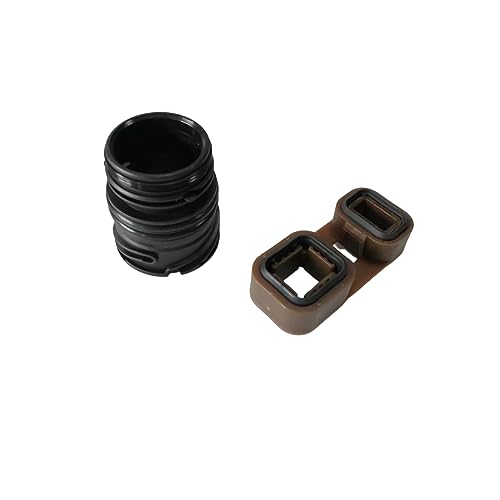
Item:Valve Body Module Connector & Transmission Valve Body Seal.

Replacement part number: 6L2Z-7G276-AA; AL3Z-7F401-A

Want to make sure this part fits a certain year/make/model? Call us at 1-877-782-5582.
Checking the Transmission Fluid
Begin with the most accessible checkpoint: the transmission fluid.
- Locate the Dipstick: Find the transmission fluid dipstick under the hood. For most F150 models, it’s labeled accordingly.
- Inspect the Fluid Level: Pull out the dipstick, wipe it clean, reinsert it fully, and then remove it again to check the fluid level. The fluid should be between the “Full” and “Add” marks.
- Evaluate Fluid Quality: Assess the color and smell. Healthy transmission fluid appears pinkish and clear. If it looks dark, smells burnt, or there are metal filings present, this indicates a problem.
- Address Fluid Issues: If the fluid level is low, add the specified transmission fluid for your F150 model. If the fluid seems contaminated, a fluid and filter change might be necessary.
Fluid condition and levels can tell us a lot about the health of a transmission, making this a critical first step in our diagnosis.
Inspecting the Forward Gear Mechanism
The forward gear mechanism is crucial for the truck’s ability to move forward. Thus, a detailed inspection is essential.
- Visual Inspection: Check the forward clutch and drum for any signs of wear or damage. Accessing these components might require removing the transmission pan or even disassembling parts of the transmission.
- Check the Forward Drum Piston Seal: A compromised seal can lead to hydraulic pressure issues, preventing engagement of the forward gears. If visible wear or damage is evident, replacement of the seal is needed.
- Assess Friction Components: The friction plates within the forward clutch should also be inspected for wear, as these are integral for engaging forward movement.
This step might necessitate the involvement of a professional mechanic or transmission specialist, especially if disassembly is required.
Evaluating the Transmission Control Module (TCM)
The Transmission Control Module plays a pivotal role in the seamless operation of your F150’s transmission, dictating the timing and execution of gear shifts.
- Locate the TCM: Consult your F150’s manual to find the TCM’s location, usually mounted within the engine bay or beneath the dashboard.
- Check for Error Codes: Using a diagnostic scanner, connect to the TCM to read any stored error codes. Codes relating to the forward gears can shed light on specific issues.
- Assess Connections and Wiring: Examine the TCM for any loose connections, damaged wires, or signs of corrosion that could affect its performance.
- Consult a Professional: If TCM faults are identified but beyond simple reconnections or wiring fixes, consider professional evaluation for a possible reprogramming or replacement.
Approaching each step with care puts us closer to rectifying the absence of forward movement in an F150, ensuring methodical troubleshooting for effective resolution.
Troubleshooting Common Issues
In this section, we explore some common issues that may cause an F150 to have reverse but no forward movement. Addressing these problems might restore proper transmission functionality.
Recommended Products
Replacement for Ford F-150 5.0L 2011-2014, replacement for Ford Lobo 5.0L 2011-2014

Compatibility: AC Compressor Clutch Hub Plate replacement for F-150 Pickup 2011-2014.
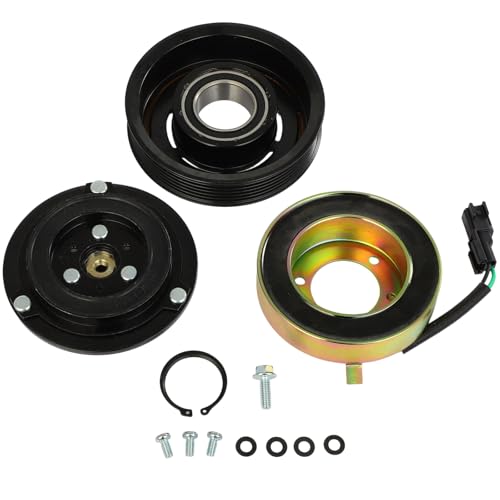
NOISELESS AC CLUTCH PART NUMBER: 167666,168666,506866,3020301,3023971,3003504,3105705,FL3H19D629EA,FL3H19D629EB,FL3H19D629EC,FL3H19D629ED,FL3H19D629EE,FL3H19D629EF,FL3Z19703E,HL3H19D629EA,HL3H19D629EB,HL3H19D629EC,HL3H19D629ED,HL3H19D629EE,HL3H19D629EF,HL3H19D629KA,HL3H19D629KB,HL3H19D629KC,HL3H19D629KD,HL3H19D629KE,HL3H19D629KF,HL3Z19703E,HL3Z19703K,100298,5513223,6513223,7513223
Overheating in Forward Gears
One potential cause for the lack of forward movement in an F150 is overheating in the forward gears. Overheating can occur when the transmission fluid is old or low, leading to increased friction and heat. This excessive heat can damage internal components, such as the clutch plates and seals, preventing the forward gears from engaging properly. To troubleshoot, check the transmission fluid level and condition. If the fluid smells burnt or appears dark in color, replacing it along with the transmission filter might solve the overheating issue. Additionally, letting the transmission cool down before attempting to drive again can sometimes temporarily restore forward movement, but it’s crucial to address the underlying cause of overheating to prevent future failures.
Damaged Forward Drum Seal
A Damaged Forward Drum Seal is another common issue that can lead to an F150 having reverse but no forward. The forward drum contains clutches and seals that are critical for engaging the forward gears. If the seal within this drum is damaged or worn out, it can lead to hydraulic pressure loss, preventing the clutches from engaging properly. To diagnose this problem, a professional inspection of the transmission is necessary. This often involves disassembling the transmission to inspect the forward drum and its seal. If damage is found, replacing the faulty seal and any other worn parts within the drum can resolve the absence of forward movement.
Transmission Valve Body Problems
Transmission Valve Body Problems can also prevent an F150 from moving forward while still allowing reverse. The valve body acts as the control center for the transmission, directing hydraulic fluid to various passages to engage and disengage gears. Issues such as clogged fluid passages or malfunctioning solenoids in the valve body can disrupt the flow of hydraulic fluid, preventing the transmission from engaging forward gears. To troubleshoot this issue, begin by checking for any error codes that might indicate a solenoid or electrical problem. A professional transmission technician can perform a more thorough examination of the valve body, cleaning or replacing parts as necessary. Fixing these issues often restores proper transmission function, allowing for forward movement once again.
Professional Repair Versus DIY
When facing a scenario where your F150 has reverse but no forward movement, the decision between seeking professional repair services or undertaking a DIY approach can pose quite the dilemma.
Recommended Products

The Dipstick Indicator Compatible for:2007-2017 Expedition, 2006-2010 Explorer, 2007-2010 Explorer Sport Trac, 2009-2019 F-150,

Compatible for 2007-2017 Expedition, for 2006-2010 Explorer, for 2007-2010 Explorer Sport Trac, for 2009-2019 F-150, for Compatible for 2011-2017 Mu-stang
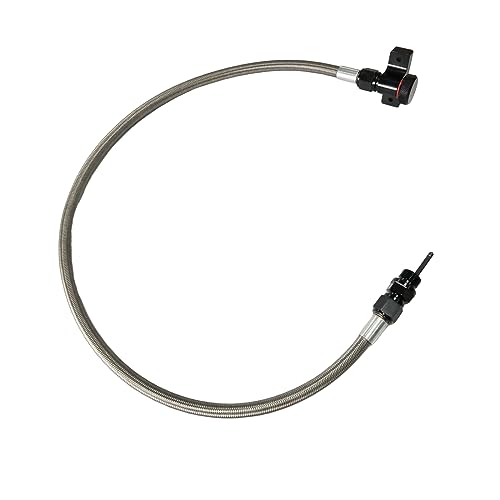
Item:Automatic Transmission fluid locking dipsticks.
When to Call a Professional
In instances involving complex transmission issues, especially when your F150 has reverse but no forward, calling a professional becomes imperative. If diagnosing the problem requires specialized equipment, such as a line pressure tester or if the repair necessitates the removal of the transmission, these tasks fall beyond the scope of most DIY enthusiasts. Moreover, professionals bring expertise and experience in handling intricate components, ensuring repairs meet safety and performance standards. If after initial diagnosis, the issues appear to involve the internal transmission mechanics or the electrical system, it’s advisable to consult with an expert. Their ability to intricately handle transmission rebuilds or replacements can save time and prevent further damage to your vehicle.
Potential Costs and Considerations for DIY Fixes
For those with mechanical aptitude and experience, considering a DIY fix for transmission issues in your F150 can be cost-effective. Initial steps, such as replacing transmission fluid, filters, or even tackling simpler valve body issues, can be done at home with the right tools and guidance. These fixes might range from low to moderate in cost, primarily covering parts like fluids, filters, seals, and gaskets. However, it’s essential to weigh these costs against the potential risk of inadvertently causing further damage.
When deciding on a DIY fix, consider the availability of necessary tools and parts, your level of mechanical comfort and experience, and the time commitment required. Comprehensive guides and community forums can provide valuable information and support for common issues. However, ensure that any repair undertaken does not compromise safety and vehicle integrity.
Remember, while a DIY approach offers a sense of accomplishment and can be lighter on the wallet, the complexity of transmission work often benefits from the detailed attention only a professional can provide. Consider all aspects carefully before making your decision.
Preventive Measures and Maintenance Tips
Maintaining the transmission in an F150 truck involves routine care and attention to prevent issues where the vehicle has reverse but no forward movement. In this section, we explore essential maintenance tips and practices that can help avoid common transmission problems.
Recommended Products

[Feature] Use 4R70W 4R75W 4R75E Transmission Filter Kit to filter oil and remove sundries from the transmission fluids.Keep the transmission fluids clean and prevent the valve body and other parts be clogged.Effectively to extend the service life of the transmissions kit.Please check and change filter if the gear change difficulty,rattling,leaks,and smoke when clogged.

[High-quality Materials] The lower gear oil pump is made of high-quality materials, which is durable and ensures fast and precise refilling of lubricating oil for the lower device of the marine engine, and is easy to use.

Backward compatible with previous Dexron automatic transmission fluids and can be used as a much-improved replacement for older vehicles/transmissions originally using previous Dexron fluids
Regular Transmission Fluid Checks and Changes
Regularly checking the transmission fluid level and quality is crucial in preventing transmission issues. The fluid should remain at the recommended level and be changed according to the manufacturer’s guidelines, usually every 30,000 to 60,000 miles. Operating with low or contaminated transmission fluid can lead to overheating, which is detrimental to the transmission’s internal components. For F150 trucks, using the correct type of transmission fluid as specified by Ford is vital for maintaining optimal performance and longevity of the transmission system.
Avoiding Common Misuses That Lead to Transmission Issues
Transmission misuses significantly contribute to problems, including the scenario where an F150 has reverse but no forward movement. Avoid practices such as towing beyond the vehicle’s capacity, as it places excessive strain on the transmission by causing it to overheat. Additionally, avoid abrupt starts and stops that can lead to premature wear and tear of the transmission components.
It is also advisable not to shift from reverse to drive before the vehicle comes to a complete stop. Such actions can damage internal components, leading to the loss of forward gears. Being mindful of these common misuses and adopting proper driving habits will help ensure the transmission remains in good working condition, reducing the likelihood of facing reverse-only issues.
Conclusion
We’ve walked through the nuances of tackling the perplexing issue of an F150 truck having reverse but no forward movement. With the right approach and a bit of elbow grease, addressing this problem can be straightforward. Remember the importance of regular maintenance and being mindful of how we treat our trucks. By following the advice we’ve shared, we’re not just fixing a current issue but also paving the way for smoother drives ahead. Let’s keep our beloved F150s running optimally by giving them the care they deserve. Happy driving!
Recommended Products

High Quality Material: The core sensing component of this TU-114 fuel pressure gauge utilizes copper for excellent pressure transmission, while the housing and adapter threads are constructed from aluminum and iron. This metal trio withstands daily use, ensuring a tight, leak-free seal with fuel system components and delivering reliable performance.

【Fitment】Compatible with Ford F150, Expedition, and E250 (2005-2008) equipped with 4R70W / 4R75W / 4R75E transmission and 14-bolt pan. Please confirm your vehicle's brand/model/year and OE number using Amazon's Your Garage before ordering

OTC's Fuel Pressure Test Kit quickly and easily locates any malfunctioning fuel system component - fuel filters, pressure regulators, fuel lines, and fuel pumps - without removing it from the vehicle