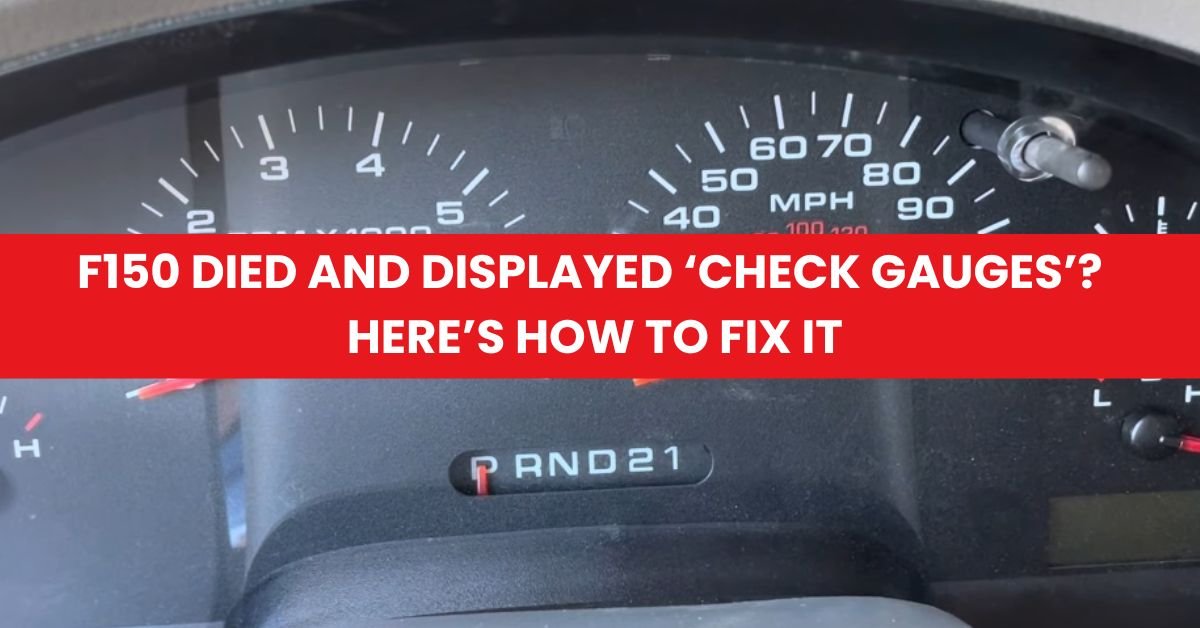
Imagine you’re cruising down the highway, your favorite tunes playing, when suddenly your trusty F150 sputters to a halt with a cryptic “check gauges” message flashing on the dash. It’s a scenario that can turn a smooth ride into a stressful ordeal, leaving you puzzled and possibly stranded. But what does it really mean when your truck gives you this ominous warning?
In this blog post, we’ll dive into the heart of the matter, exploring the common reasons behind the “check gauges” alert and what your vehicle is trying to communicate. It’s not just about a failed component; it’s a call to action, a nudge to peek under the hood of your beloved F150. Join us as we unravel the mystery, offering insights and practical advice to keep your ride running smoothly and your adventures on track.
Key Takeaways
- The “Check Gauges” warning on an F150 is a critical alert indicating that one or more vehicle monitoring systems are outside normal ranges, necessitating immediate attention to prevent potential damage.
- Common causes for the “Check Gauges” alert include low oil pressure, high engine temperature, battery/charging issues, and fuel gauge problems, each of which can lead to serious vehicle malfunction or breakdown if ignored.
- A set of diagnostic and repair tools, including an OBD2 scanner, multimeter, and various pressure testers and wrenches, are essential for effectively diagnosing and resolving issues related to the “Check Gauges” warning.
- Initial troubleshooting steps should focus on closely examining the instrument cluster for abnormal readings and using diagnostic tools to identify which system triggered the alert for targeted repair efforts.
- Maintaining regular vehicle care, such as monitoring fluid levels, battery care, and scheduled servicing, is crucial for preventing future “Check Gauges” warnings and ensuring the longevity and reliability of your F150.
- If the “Check Gauges” alert persists despite troubleshooting, seeking professional mechanic advice is recommended to address underlying issues that may require more in-depth diagnostics and repairs.
Recommended Products

Understand Your Check Engine Light – The ANCEL AD410 OBD2 scanner helps everyday drivers quickly read and clear engine-related fault codes, view code definitions, and understand why the check engine light is on before visiting a repair shop. With 42,000+ built-in DTC lookups, this car code reader helps reduce guesswork and makes basic vehicle diagnostics easier for beginners and DIY users

NOTE: This device requires a compatible third-party app to operate and is primarily designed for standard OBD-II diagnostics (excluding ABS/SRS, oil light or service reset, etc.). Please check the product description for compatible apps and supported functions.

Multi-Functions - Practical Multi-Functions OBD2 code reader features built-in OBD2 DTC lookup library, which help you to determine the cause of the engine light, read code, erase code, view freeze frame, I/M ready, vehicle information, data flow, real-time curve, get vehicle speed information, calculate load value, engine coolant temperature, get engine speed.
Understanding the “Check Gauges” Warning on Your F150
When the “Check Gauges” warning lights up on the dashboard of your F150, it signifies that one or more of the monitoring systems for vehicle operation are reporting values outside of normal ranges. This alert urges drivers to take immediate notice and investigate further to prevent potential damage or failure.
Recommended Products
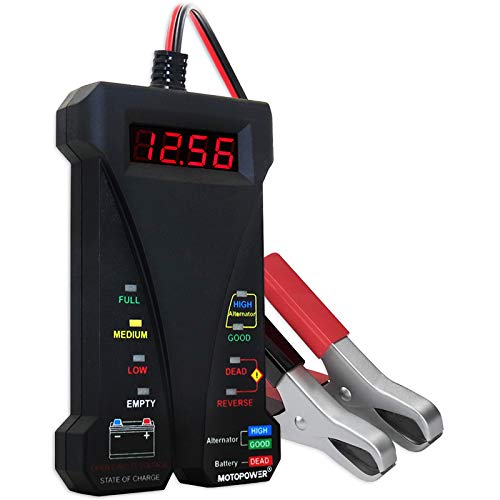
Effortless Operation - Boasting a “plug-and-test” design, there's no need for complex set-up procedures. Just connect it to the battery following simple steps. Without starting the vehicle, you can read the battery status, and after starting, quickly obtain the alternator status. Whether you're a professional mechanic or an ordinary car owner, you can easily use it to quickly determine if the battery needs jump - starting, replacement, or if the alternator output is normal.
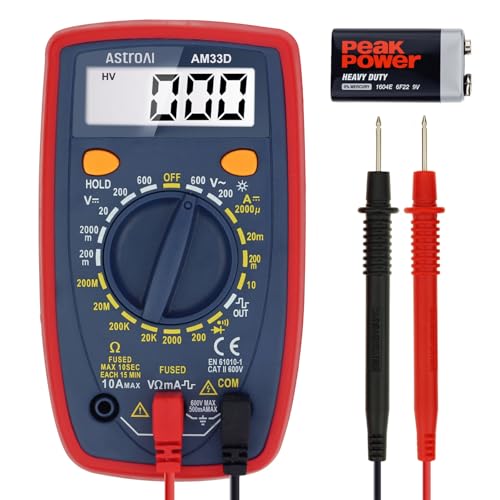
Additional Tips - The following incorrect operations may cause the multimeter not to show results: Firstly, the plugs of test leads are not fully inserted or not inserted into the correct sockets. Secondly, the manual rotary switch is not placed in the correct position. In addition, this meter can not test all AC Current and below 100mV AC Voltage. Please check the user manual carefully before measurement.

Catch Battery Problems Early: Featured in two videos by Project Farm, a popular YouTube channel with millions of subscribers, the ANCEL BA101 helps you quickly spot battery issues before they leave you stranded. It provides easy-to-understand readings for State of Health (SOH), State of Charge (SOC), voltage, current, CCA, plus cranking and charging system tests, so you can better understand your battery and help avoid unexpected breakdowns
The Role of the Warning Light
The “Check Gauges” warning acts as a critical communication tool between your truck’s operational systems and you as the driver. Unlike specific indicator lights that pinpoint a single issue, this warning encompasses multiple gauges such as oil pressure, battery voltage, and coolant temperature. When one of these vital readings falls into the critical zone, the warning light comes on to draw your attention to the dashboard, encouraging quick assessment and action to mitigate the issue.
Possible Causes for the Alert
The causes behind a “Check Gauges” warning can vary, but here are some of the most common issues encountered by F150 owners:
- Low Oil Pressure: This might indicate a leak, oil depletion, or a malfunctioning oil pump, all of which jeopardize engine health.
- High Engine Temperature: Overheating can occur due to coolant leaks, failing water pumps, or clogged radiators. Immediate attention can prevent severe damage.
- Battery/Charging Issues: A low battery charge or alternator failure can trigger the warning, suggesting electrical problems that may affect vehicle operation.
- Fuel Gauge Problems: In some rare instances, the warning could be linked to fuel system irregularities, urging drivers to check fuel levels and gauge function.
Each of these issues, if not addressed promptly, can lead to vehicle damage or a breakdown, as in the scenario where the “f150 died said check gauges,” highlighting the critical importance of this alert. By understanding what each gauge represents and keeping an eye out for abnormalities, drivers can take proactive steps to maintain their F150’s health and ensure a safer driving experience.
Tools and Materials Needed
Tackling the issue when your F150 displays a “Check Gauges” warning requires specific tools and materials. Preparing with the right equipment ensures a smooth diagnostic and repair process.
Recommended Products

Exquisite design: Oil Pressure Tester Tool have dual display pressure gauge head, clear scale, easy to clean, and equipped with rubber buffer protection cover, shockproof and scratchproof.

Exquisite design: Oil Pressure Tester Tool have dual display pressure gauge head, clear scale, easy to clean, and equipped with rubber buffer protection cover, shockproof and scratchproof.

Exquisite design: dual display pressure gauge head, clear scale, easy to clean, and equipped with rubber buffer protection cover, shockproof and scratchproof.
Diagnostic Tools
- OBD2 Scanner: Essential for reading diagnostic trouble codes (DTCs) from the vehicle’s onboard computer, this tool helps identify the underlying cause of the “Check Gauges” alert.
- Multimeter: A versatile instrument for measuring electrical values such as voltage, current, and resistance. It’s crucial for testing the battery, alternator, and other electrical components related to the warning.
- Oil Pressure Gauge Tester: Since low oil pressure might trigger the “Check Gauges” alert, this tool allows you to verify the oil pressure against the manufacturer’s specifications.
- Coolant System Pressure Tester: Helps in checking for leaks within the cooling system, which can lead to overheating and prompt the warning.
- Fuel Pressure Tester: Useful for gauging fuel system health. A significant drop in fuel pressure could be a reason for the “Check Gauges” message.
- Wrench and Socket Set: A comprehensive set is indispensable for loosening and tightening various vehicular components during repair.
- Screwdrivers: Necessary for removing and securing parts that are held together with screws.
- Pliers: Useful for gripping, bending, or cutting wires and small parts.
- Wire Stripper and Crimper: If electrical issues are to blame, these tools are essential for repairing or replacing wiring.
- Flashlight or Work Light: Provides the illumination you need to work effectively in dim areas under the hood or beneath the vehicle.
- Protective Gloves and Safety Glasses: Safety must always come first. These protect against burns, chemicals, and flying debris.
- Battery Charger or Jump Starter: If the issue lies with the battery or charging system, having the means to charge or jump-start the vehicle is crucial.
Armed with these diagnostic and basic repair tools, you’re well-prepared to tackle any issues indicated by the “Check Gauges” alert in your F150, ensuring you can diagnose problems accurately and perform necessary repairs effectively.
Initial Troubleshooting Steps
Upon encountering the “Check Gauges” warning on an F150, especially when the truck dies, it’s crucial to start with some initial troubleshooting steps. These steps help in identifying the root cause and ensure the safety and longevity of the vehicle.
Recommended Products

Fits Buick Century 1985-2005, Electra 1985-1990, LaCrosse 2005-2009, LeSabre 1985-2005, Lucerne 2006-2011, Park Avenue 1991-2005, Rainier 2004-2007, Reatta 1988-1991, Regal 1985-2004, Rendezvous 2002-2005, Riviera 1984-1999, Roadmaster 1991-1996, Skyhawk 1985-1989, Skylark 1985-1998, Somerset 1986-1987, Somerset Regal 1985

Professional, premium aftermarket replacement
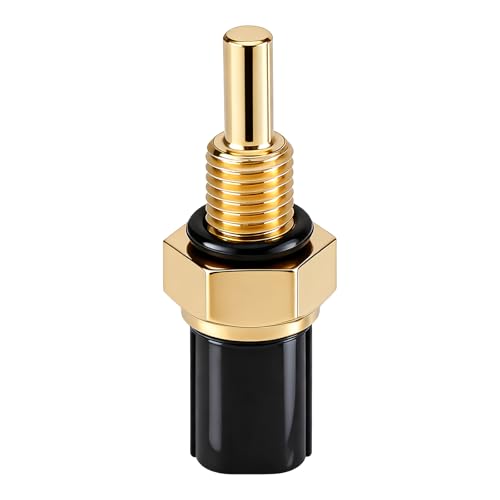
【Engine Coolant Temperature Sensor Replacement】37870-PNA-003, 37870-PLC-004 Check The Part Number Before Your Order, It saves you the time of buying back and forth, and also helps you save money.
Checking the Instrument Cluster
First, examine the instrument cluster closely after the F150 indicates a “Check Gauges” warning. The instrument cluster houses several key indicators, such as the oil pressure gauge, battery voltage gauge, and engine temperature gauge. A sudden drop in oil pressure, an overheated engine, or a dip in the battery voltage could be the culprit behind the warning. Note fluctuations or abnormal readings on these gauges immediately before the vehicle died. Accurate observations here can guide further diagnostic procedures and rectification measures effectively.
Verifying the Warning Light Trigger
Next, determine which gauge triggered the “Check Gauges” light. Each gauge corresponds to a critical system in your F150, and identifying the precise trigger helps focus the troubleshooting process. If the truck died and the warning appeared simultaneously, it might indicate a severe issue like electrical failure or engine overheating. Use a diagnostic tool, such as an OBD2 scanner, to read any stored trouble codes; this can provide a clear indication of which system is malfunctioning. Verifying the trigger is essential in narrowing down the potential causes and ensuring targeted troubleshooting efforts.
Common Reasons Your F150 Says “Check Gauges”
When the dashboard on your F150 illuminates with a “Check Gauges” warning, it indicates a critical issue requiring immediate attention. Here, we delve into the common reasons behind this alert to help you understand and address the problem swiftly.
Recommended Products
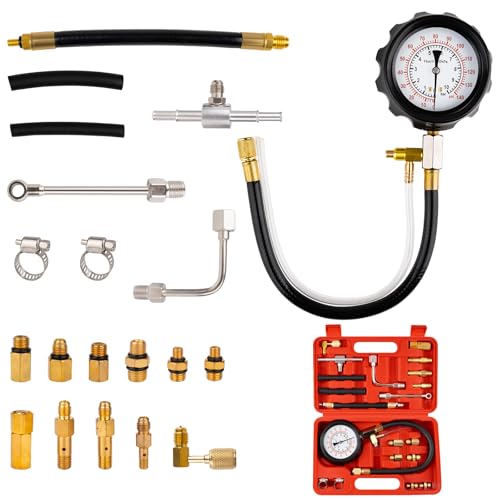
Compatibility Note: For further confirmation of specific model compatibility, refer to the vehicle owner's manual or contact a professional technician. Excludes Fo/rd, K/I/A, Bo/s/ch, C/I/S Je/tro/nic, G//M Th/rot/tle Bo/dy Systems, A/cu/ra, J/ee/p, B/M/W, Ni/s/san, and To/yo/ta fuel systems. Not compatible with small/non/standard S/chra/der vallves, high/pre/ssure direct in/ject/ed engines, or die//sel injection pumps. Verify your vehicle’s vallve size and pressure specs before purchase

FUEL INJECTION PRESSURE TESTER KIT: Fuel injection pressure kit is made of high quality materials which have good durability and reliability.

Complete Fuel Pressure Testing Kit: Orion Motor Tech's fuel pressure tester kit includes every commonly used hose, adapters, and connector you need, letting you perform fuel injection pump checks without hunting for extra parts or tools
1. Engine Oil Pressure Issues
A notable concern that triggers the “Check Gauges” light involves the engine oil pressure. If the pressure drops below a safe level, it poses a significant risk to the engine’s health by reducing lubrication across moving parts. This condition might result from a variety of causes including, but not limited to, a failing oil pump, blockages in the oil system, or simply running low on oil. Monitoring the oil level and pressure gauge can provide early indications, allowing for timely intervention.
2. Battery and Charging System Problems
Your F150’s electrical system relies heavily on the battery and alternator. Should either component underperform or fail, it impacts the vehicle’s ability to start and operate efficiently. Symptoms such as dimming headlights, sluggish engine starts, or an illuminated battery warning light on the dashboard are telltale signs. These issues are directly linked to the “Check Gauges” alert as they can lead to a sudden loss of power, much like the cases where the F150 died and indicated to “check gauges.”
3. Coolant Temperature Warnings
High engine temperatures are another primary reason the “Check Gauges” warning might display. This situation is often a consequence of coolant loss, a malfunctioning thermostat, or a compromised radiator. An overheating engine not only risks severe damage but also can lead to a breakdown. Observing the temperature gauge for abnormal readings is crucial and, if high, merits an immediate halt to check the coolant levels and system.
4. Fuel Level and Delivery Concerns
Lastly, problems with fuel level and delivery can prompt the “Check Gauges” message. Running low on gas is a straightforward reason, yet other complications involve issues with the fuel pump, filter, or injectors. These can cause the engine to stutter, lose power, or even shut off unexpectedly. Regular maintenance and monitoring of the fuel gauge will help in avoiding such scenarios, ensuring your F150 remains reliable on the road.
By understanding these common triggers, you’re better equipped to respond when your F150 indicates to “Check Gauges”. Addressing these issues promptly can prevent further damage and ensure your vehicle’s longevity and safety.
Advanced Diagnostics and Repairs
After understanding the triggers behind the “Check Gauges” alert in an F150, it’s crucial to delve deeper with advanced diagnostics and repairs. These steps ensure precise identification and fixing of the underlying issues.
Recommended Products
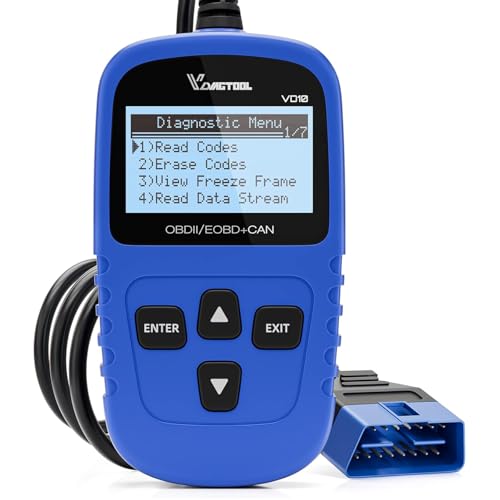
【A MUST-HAVE SCANNER TOOL FOR DIYERS】 - VDIAGTOOL VD10 car code reader is an incredibly useful, handheld obd2 scanner for each car owner or hobbyist, even for those with little to no experience when it comes to vehicle mechanics! Similar to a fixd car diagnostic tool, using this car diagnostic scanner is extremely easy. All you have to do is attach it to your car OBDII port and you can diagnose car problems in seconds! Read Codes (DTCs); Clear Codes; Live Data; View Freeze Frame; I/M Readiness; Vehicle Information.
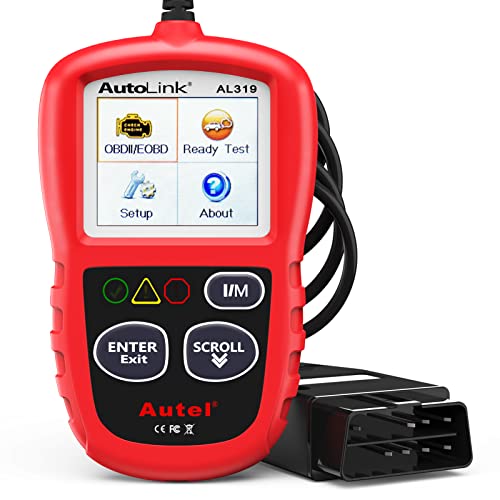
【TURN OFF CEL】 This AL319 car scanner diagnostic tool supports Reading and Clearing DTCs, DTC Look Up, displaying Live Data, Freeze Frame & I/M Readiness, view vehicle information, etc., to figure out the root cause of the Check Engine Light (CEL) and turn it off, helping you catch any potential issues early and avoid excessive costs from unnecessary repairs.

⚠️【Important Tips Before Purchcase】1. Compatible with standard OBD II vehicles from 1996 onward in the US market. ⚠️2. Due to the Safe Gateway (SGW) / FCA AutoAuth security system, this tool cannot access OBDII modules to clear codes for FCA vehicles (including Chrysler, Dodge, Jeep, etc.) manufactured after 2017. ⚠️And vehicle brands equipped with a SGW are not supported either. ⚠️3. Not support TPMS or other service functions. Only the basic OBDII code reader. Functions not universal, please s-end mes-sage via Ama-zon or 📞autelofficial @ outlook . com📞 to check before order.
Using a Diagnostic Scanner for Error Codes
Initiate diagnostics by connecting an OBD2 scanner to the F150. This tool reads error codes stored in the vehicle’s electronic control module, pinpointing issues beyond initial symptoms. Start the engine, if possible, and allow the scanner to interface with the truck’s system. Scanners display various codes, each correlating to specific malfunctions such as sensor errors, engine misfires, or communication faults between different vehicle modules. Record every code presented and consult the F150’s manual or an online database for interpretation.
Diagnosing error codes plays a pivotal role in understanding the severity and nature of problems. For instance, codes beginning with ‘P’ relate to powertrain issues, which could directly influence the “Check Gauges” warning. If a code indicates low oil pressure or overheating, immediate action is necessary to prevent further damage.
Addressing PCM and Sensor Malfunctions
The Powertrain Control Module (PCM) and various sensors closely monitor the F150’s performance. Malfunctions within these components can prompt the “Check Gauges” alert. After identifying error codes related to the PCM or sensors, assess whether reprogramming or replacement is required. Reprogramming the PCM might rectify issues without needing physical repairs, especially for software-related discrepancies.
For sensor replacements, locate the malfunctioning sensor using the vehicle’s manual. Sensors like the oil pressure sensor, coolant temperature sensor, or fuel level sensor significantly impact gauge readings. Before replacing a sensor, ensure the area around it is clean to prevent contaminants from entering the system. After replacement, clear error codes from the vehicle’s memory with the OBD2 scanner and rerun the diagnostics to ensure all issues are addressed.
These advanced diagnostics and repairs, especially utilizing a diagnostic scanner and addressing PCM and sensor malfunctions, offer a comprehensive approach to solving why an F150 may display the “Check Gauges” warning. Taking these steps helps maintain the truck’s longevity and ensures safe driving conditions.
Preventive Measures for Future
Preventing future issues with your F150, especially those that trigger a “Check Gauges” warning, starts with regular vehicle care and understanding when professional insight is necessary.
Recommended Products

【Reliable Car Battery Tester】: The alternator tester can accurately determine whether the car battery needs to be replaced or if there is a power outage, and at the same time evaluate the output status of the alternator, clearly presents real-time voltage data, battery health and charging status. It can effectively prevent the battery from being damaged due to overcharging or undercharging, and extend the battery's service life.

🔥【A MUST HAVE TOOL IN YOUR GARAGE】 - With up-to-date testing technology, it provides a quick reading to determine whether a vehicle battery needs a jump or replacement and also the output status of the alternator. All you have to do is log in and play. Save your time and money.

【Reliable Automotive Car Battery Tester】 KW208 is the most cost-effective battery load tester compared to other brands, it has all the functions you need and the lowest cost that you can afford. KW208 can test all 12V batteries(100-2000CCA) including regular flooded, AGM flat plate, AGM spiral or gel batteries. Provide overall analysis of batteries’ condition and help you know their status in advance before it dies. KW208 battery analyzer supports cranking and charging system tests also alternator and starter test. Conveniently store this car battery tester for batteries in your glove box or garage, ready for use whenever needed.
Regular Maintenance Checklist
- Monitor Fluid Levels: Ensure engine oil, coolant, and brake fluid are within recommended levels. Low fluids often cause the “Check Gauges” alert.
- Battery Care: Regularly check the battery’s charge state and clean terminals to avoid electrical issues that might lead to the dashboard warning.
- Tire Pressure: Keep tires inflated to the manufacturer’s specifications. Although not directly related to the “Check Gauges” warning, maintaining proper tire pressure is crucial for overall vehicle safety and performance.
- Scheduled Servicing: Adhere to the F150’s servicing schedule for oil changes, belt replacements, and other maintenance tasks. Scheduled servicing helps catch and resolve potential issues before they trigger warnings.
- Fuel System Maintenance: Replace the fuel filter and ensure the fuel pump is in good working condition to prevent fuel system related “Check Gauges” alerts.
- Persistent Dashboard Warnings: If the “Check Gauges” alert reappears soon after being addressed, it’s vital to consult with a professional mechanic. Persistent warnings often indicate underlying issues that require more in-depth diagnostics.
- Check Engine Light: The appearance of the check engine light alongside the “Check Gauges” warning signifies the need for immediate professional diagnosis.
- Unusual Noises or Performance Issues: Sounds such as knocking, hissing, or loss of power while driving demand a professional’s attention. Often, these symptoms can point to serious problems that might cause the “Check Gauges” warning.
- Electrical Problems: If you notice dimming lights, faulty gauges, or issues starting the vehicle, professional evaluation ensures accurate diagnosis and repair, averting future warnings.
- After Installing New Parts: Sometimes, after replacing batteries, alternators, or other components, the “Check Gauges” alert might persist. Professional recalibration or further investigation may be necessary.
Taking these measures seriously maximizes the reliability of your F150, minimizes unexpected breakdowns, and ensures a smoother, safer driving experience. Regular maintenance and timely professional assistance serve as the foundation for keeping your vehicle in top condition and preventing the recurrence of “Check Gauges” warnings.
Troubleshooting and Common Issues
When the “Check Gauges” warning lights up and your F150 dies, it indicates underlying issues that need immediate attention. Let’s go through some troubleshooting steps to identify and resolve common issues related to this warning.
Recommended Products

OTC’s 5610 Transmission/Engine Oil Pressure Testing Kit is designed for static and/or on road testing and can be used on both domestic and import applications

Exquisite design: dual display pressure gauge head, clear scale, easy to clean, and equipped with rubber buffer protection cover, shockproof and scratchproof

Professional and Precise: Our engine oil pressure tester kit is a reliable tool for diagnosing and testing engine oil pressure values to ensure they are within the normal range. This information is crucial for assessing the performance of components like the electric gasoline pump and oil pressure regulator. With our top-notch oil pressure test tools, you can easily obtain accurate pressure readings, eliminating the need to rely solely on dashboard warning lights.
Resetting the Gauges on Your F150
In some instances, resetting the gauges can help clear any false alerts causing the “Check Gauges” message. To reset the gauges:
- Turn off the engine and then switch the ignition to the “On” position without starting the car.
- Wait a few seconds for the gauges to perform a self-test.
- Observe if all the gauges move through their full range and return to their normal resting positions.
- Start the engine to check if the “Check Gauges” warning still appears.
Resetting helps diagnose whether the issue is with the gauges themselves or a deeper mechanical or electrical problem.
What to Do If the Warning Persists
If the “Check Gauges” warning remains after resetting, further investigation is necessary:
- Inspect the Battery: A weak or failing battery might not trigger a direct alert but can cause the “Check Gauges” warning. Use a multimeter to check the battery’s voltage. A healthy battery should read around 12.6 volts when the engine is off and between 13.7 to 14.7 volts when the engine is running.
- Check the Alternator: The alternator recharges the battery while the vehicle runs. If it fails, it can result in low battery voltage, triggering the warning. Test the alternator’s output with the engine running; it should produce a voltage in the range of 13.7 to 14.7 volts.
- Monitor Oil Pressure: Low oil pressure is a common cause for the “Check Gauges” warning. Check the oil level and refill if necessary. If the oil level is correct but the warning persists, the issue might be with the oil pump or the engine itself.
- Evaluate Engine Temperature: Overheating can trigger the warning as well. Ensure the coolant level is adequate and the radiator is functioning properly. A malfunctioning thermostat or water pump can also cause overheating.
In cases where these steps do not resolve the warning, it’s essential to consult with a professional mechanic. Persistent “Check Gauges” warnings could indicate serious issues that require specialized diagnostic tools and expertise to address properly. Remember, addressing these warnings promptly can prevent further damage to your F150 and ensure its longevity and reliability.
Conclusion
We’ve walked through the crucial steps to take when your F150 signals a “Check Gauges” warning. From understanding the common triggers to diving into specific troubleshooting methods we’ve covered the essentials to help you address this alert effectively. Remember regular maintenance is key to preventing future issues. And if the problem persists don’t hesitate to reach out to a professional. Taking these steps will not only solve the immediate problem but also contribute to the long-term health and performance of your truck. Let’s keep our F150s running smoothly and efficiently!
Recommended Products

Replaces OEM Number: 213-2809, SU4072, 22630-0M200, 158-0606, 36448, TX78, 22630-7Y000, 226300M200, TX78, TU4072, WT3071. Please carefully check part pictures, OE Number before ordering.

[PREMIUM PERFORMANCE] - Bosch Original Equipment Coolant Temperature Sensors accurately monitor the coolant temperature in your vehicle ensuring a long and healthy life

To get a refund or replacement easily and quickly in 12 hours by contacting us if you have any problems with the part in the one year warranty time.