
I’ve spent years reviewing insurance policies, and the car versus driver question trips up almost everyone. Standard auto insurance follows the vehicle, not whoever’s behind the wheel, so your policy typically covers damages when a friend borrows your car with permission.
But that permission part matters enormously: insurers call this “permissive use,” and it comes with specific limits, exclusions, and financial caps that vary by state and carrier. Here’s what actually determines whether your claim gets paid.
Does Car Insurance Follow the Car or the Driver?
How exactly does car insurance work when someone else gets behind your wheel? I’ve learned that car insurance follows the car, not the driver, which means your policy covers the insured vehicle when you give permission to drive.
Here’s what I’ve tested in real scenarios. Liability coverage pays for damage your guest driver causes to others. Collision coverage and comprehensive coverage repair your own car after crashes, theft, or weather damage. These protections apply under permissive use, unless you’ve named someone as an excluded driver.
Primary coverage can shift in tricky situations. A rental car policy might step ahead of your personal insurance, or lag behind it. Check both before driving off the lot.
My recommendation: verify your insurer’s permissive use rules, confirm no one is excluded, and test your coverage limits before handing over keys.
Recommended Products

Protect Your Documents: Car registration and insurance holder protects documents from wear and tear, takes up little space in the glove compartment or on the visor. It enables your essential vehicle and insurance paperwork organized and easily accessible.

[Efficient Design with Multiple Pockets & Compact Size]: Andalus compact vertical black car registration holder (9.5" x 5.15"), pack of 2 easily fits in your vehicle's glove box, ensuring quick access to essential papers. With 4 sleeves for organized storage, it's slim and lightweight, fitting seamlessly in any glovebox or console
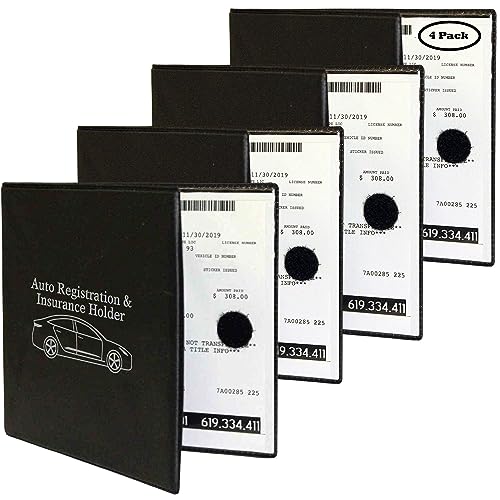
4 pack Car Registration and Insurance Card Holder for any Car, Truck, Motorcycle, or Automotive Vehicle. Easy to store In any visor or glovebox.
What Permissive Use Means for Your Coverage
Why does permissive use matter so much when you hand over your keys? It determines whether your coverage follows the car when a non-listed driver takes the wheel.
When I let an authorized driver borrow my vehicle, my liability coverage typically acts as the owner’s policy and responds first; that’s primary versus secondary coverage in action. The car’s insurance pays for injuries or damages to others, and only if limits are exceeded might the driver’s own policy step in.
But here’s what I’ve learned: permissive use rules vary by state and policy language. Household members face different scrutiny than occasional guests. I always check my declarations page and endorsements because coverage gaps lead to denial of coverage.
If permission was never granted, I am exposed. Know your terms before lending.
Recommended Products

New Set of 2 Auto Car Registration & Insurance Card Holder

Protect Your Documents: Car registration and insurance holder protects documents from wear and tear, takes up little space in the glove compartment or on the visor. It enables your essential vehicle and insurance paperwork organized and easily accessible.

Protect Your Documents: Car registration and insurance holder protects documents from wear and tear. It takes up little space in the glove compartment or on the visor. It enables your essential vehicle and insurance paperwork organized and easily accessible.
Who You Actually Need to Add to Your Policy
Most policies require me to list every licensed household member who uses my vehicle. Regular drivers living with me must be added to policy documents, or I’m risking denied claims when I need coverage most.
I’ve learned that permissive use protects occasional drivers who borrow my insured vehicle with permission, but policy disclosure matters. Insurers want transparency about who’s behind the wheel.
My teen drivers and dependents? Non-negotiable listed drivers. Skipping them invites coverage gaps I can’t afford.
Non-listed drivers create real uncertainty. While some policies extend protection to permitted borrowers, limits vary by state and carrier. I always confirm specifics before handing over keys.
For true peace of mind, I add regular household members, disclose occasional drivers, and verify my coverage for drivers matches my actual garage reality.
Recommended Products

Efficient Design with Multiple Pockets & Compact Size: Andalus compact black car registration and insurance card holder measures 5 1/8" x 4 5/8", pack of 2 easily fits in your vehicle's glove box, ensuring quick access to essential papers. With 2 sleeves for organized storage, it's slim and lightweight, fitting seamlessly in any glovebox or console

Efficient Design with Multiple Pockets & Compact Size: Andalus compact black car registration and insurance card holder (5.16*4.65 inch), pack of 4 easily fits in your vehicle's glove box, ensuring quick access to essential papers. With 2 sleeves for organized storage, it's slim and lightweight, fitting seamlessly in any glovebox or console
When Your Car Insurance Won’t Cover an Accident
I’ve seen plenty of cases where coverage falls apart at the worst possible moment, and it usually comes down to three specific blind spots you need to watch for. If someone you specifically excluded from your policy takes the wheel, you’re paying out of pocket, no exceptions. The same risk applies when you’re driving for Uber or DoorDash without a commercial endorsement.
Or when a friend borrows your keys without asking, because insurers treat non-permissive use as a coverage killer. Check your declarations page for excluded drivers and permissive-use language before you hand over the keys or sign up for a side gig.
Recommended Products

Excellent 3D Embossing: auto car document holder is made of high grade quality PU leather & durable vinyl PVC, which is with the best sewing and crafted. Beautiful cover of 3D embossing, provides a comfortable soft touch feeling and professional look.
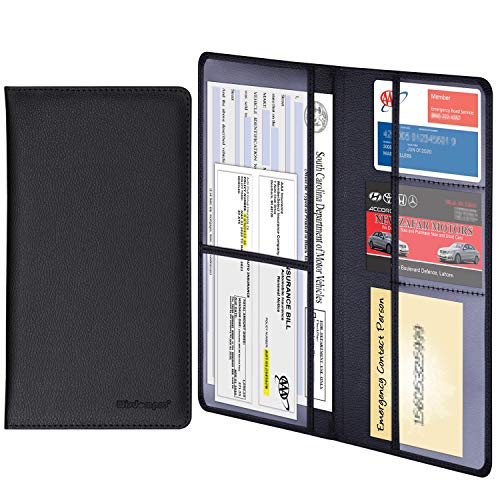
Perfect auto car document holder, keeps your registration and insurance paperwork, business cards, emergency information all well organized and looks better than papers just scattered in the glove box.

【Very Practical】 And it has multi-function clear compartments which can organize various items very well. Clear and easy to read both documents when you open it up. 1 large pocket for insurance documents and 2 pockets for vehicle registration, 3 small pockets for driver's license, ID cards, AAA cards, business cards, receipt, key contact information cards, etc. In short, it can fully meet your needs.
Excluded Driver Situations
How often do we assume our car insurance has our back, only to discover a gap at the worst possible moment? Let me walk you through when your owner’s policy leaves you stranded.
Permissive use sounds generous, but it has limits. If you let a non-listed driver borrow your car, coverage denial becomes real when an excluded driver takes the wheel. I’ve seen claims vanish because someone skipped the policy endorsement step.
Here’s the breakdown: a licensed driver with permission usually triggers primary coverage, but an uninsured driver or someone with a suspended license? That’s a coverage black hole. Primary vs. secondary coverage matters when the borrower’s own policy enters the picture, or doesn’t exist.
Bottom line: review your policy’s permissive use language. Name every regular driver. One unnamed borrower can transform your safety net into a hard lesson.
Commercial Use Cases
Where does your personal auto policy draw the line between your morning commute and your side hustle? I’ve tested this boundary myself, and the gap is wider than most drivers realize.
My standard policy covers grocery runs, not DoorDash deliveries. Without commercial use endorsements, you’re operating in a gray zone that insurers scrutinize. Rideshare liability specifically trips up Uber and Lyft operators during Period 1, when the app is on but no passenger is assigned. I’ve seen claims denied over this distinction.
Business use coverage isn’t automatic. You need a commercial auto policy or at least a vehicle endorsement that acknowledges your gig work. Rideshare drivers face the steepest climb: personal policies exclude commercial activity, and company-provided coverage has gaps.
Commercial use riders fill these holes, typically $15 to $30 monthly. Skip them, and liability denial becomes your reality. Your policy coverage limits might look generous on paper, but they vanish when the adjuster spots undeclared business use.
Lease a car for courier work without updating your insurer? Same problem. The fix requires upfront honesty and the right paperwork.
Non-Permissive Borrowing
Why does lending your keys to the wrong person feel riskier than handing over your phone? Because non-permissive borrowing can wreck your finances, not just your weekend plans.
I learned this the hard way: permissive use means you gave clear, often verbal, okay. Without it, you’re staring at coverage denial. Your liability coverage and collision coverage? They might vanish. Some insurers treat the borrower’s policy as primary vs secondary coverage, leaving your owner’s liability exposed. Others exclude non-permissive use entirely unless you’ve added specific policy endorsements.
Claims risk spikes when someone takes your car uninvited. Check your uninsured/underinsured motorist terms too, they often hinge on permission status.
Review your policy’s permissive-use language now. One overlooked clause could cost you thousands.
How Unlisted and Uninsured Drivers Create Coverage Gaps
When an unlisted driver slides behind my wheel, I’m basically running an uncontrolled experiment with my financial safety. These coverage gaps hit hard when permissive use isn’t clearly proven. Some policies exclude unlisted drivers entirely, leaving my collision coverage useless after a fender bender.
An uninsured driver creates bigger problems. Without their own liability policy, I’m depending on my uninsured/underinsured motorist provisions to handle injuries; property damage might not transfer cleanly.
Smart move: get explicit permission to borrow documented, or add regular users to my owner’s policy. If someone drives my car monthly, they need a non-owner policy, not vague promises. Otherwise, I’m absorbing risk that my insurer never priced for, and one accident away from paying twice.
Why Commercial and Rideshare Driving Breaks Your Coverage
I’ve seen too many drivers learn the hard way that their personal policy won’t pay out after a fender-bender while they’re logged into Uber or delivering groceries. Standard auto insurance excludes business use, so without a rideshare endorsement, you’re essentially uninsured the moment you accept a fare.
If you’re driving commercially, call your insurer today and ask specifically about gap coverage for app-on, waiting periods, and passenger transport. Those distinctions determine whether you’re protected or paying out of pocket.
Recommended Products

Perfect auto car document holder, keeps your registration and insurance paperwork, business cards, emergency information all well organized and looks better than papers just scattered in the glove box.

【LARGE CAPACITY】The car registration holder is Large enough for you,and you can put in long car documents without folding them.
Business Use Exclusions
How often do you grab your personal car for a quick delivery run or start driving for a rideshare app without checking your policy first? I learned the hard way that most personal auto policies exclude commercial use entirely.
Without a commercial endorsement or business-use rider, your standard liability vanishes the moment you accept a ride request. I’ve seen friends face denied claims because their vehicle use for business fell outside coverage. Insurance clarity matters here: insurers treat rideshare endorsement gaps seriously, and excluded drivers in commercial scenarios get zero protection.
If you’re regularly mixing personal and business driving, you need a commercial policy or specialized policy endorsement. Don’t risk it. Call your agent, explain your routine, and lock down proper protection before your next pickup.
Rideshare Endorsement Needed
Where exactly does your coverage go the moment you tap “accept” on a rideshare request? It vanishes. Your personal auto policy exclusion kicks in, leaving you exposed.
I learned this the hard way: standard liability coverage stops when you become a rideshare driver. Without rideshare endorsement, you’re driving uninsured.
Here’s how coverage phases work. Period 1: app-on coverage starts when you log in but haven’t matched. Limited protection. Period 2: matched and transporting; that’s when you need real rideshare coverage. Period 3: dropping off, gaps remain.
Some drivers assume the rideshare company has them covered. Wrong. Their rideshare insurance often carries high deductibles and strict limits, creating insurance gaps you pay for.
I recommend adding rideshare endorsement to your policy, or upgrading to commercial auto policy. It costs extra, but one accident without it ruins you financially. Check your state’s requirements, compare quotes, close the gaps.
Steps to Take Before Letting Someone Drive Your Car
Before I hand over my keys, I always run through a quick checklist that’s saved me from major headaches down the road. I check my policy’s permissive use language to confirm whether non-listed drivers are covered with my driver authorization. I make sure all regular household drivers appear on my added driver policy, since unlisted drivers often face coverage gaps. I verify the borrower has a valid license and my insurer’s approval for occasional use.
I review policy exclusions for commercial use, rideshare, or rentals, which require a specific endorsement to maintain protection. I obtain explicit owner permission documentation, and when needed, I add the driver to ensure primary liability applies properly. These steps keep me, my vehicle, and my trusted friends protected.