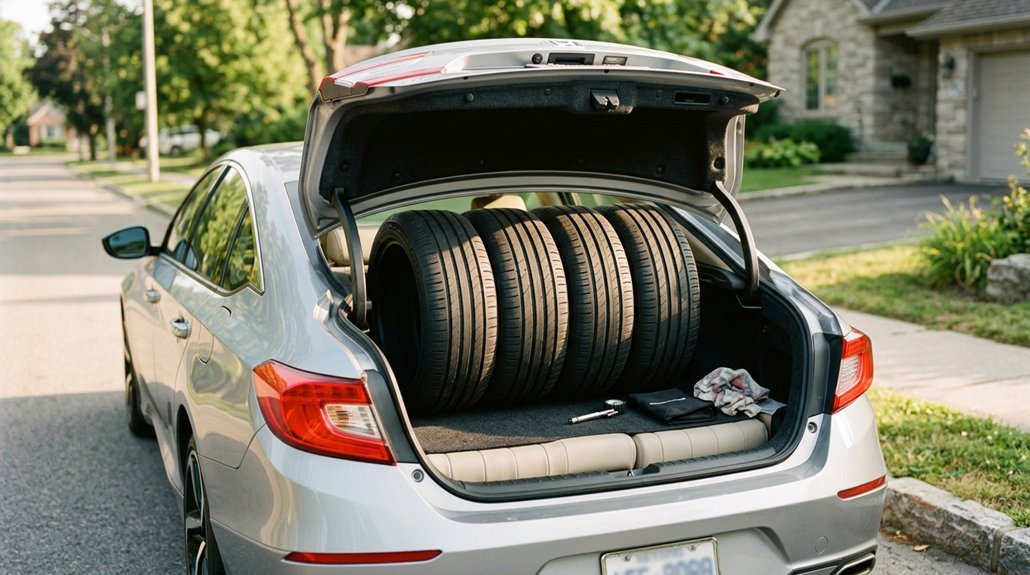
Like swapping worn sneakers for fresh kicks, new tires feel great, but they don’t fix what’s underneath. I’ve mounted hundreds of sets, and here’s the truth: rubber doesn’t bend your suspension back into spec. Your camber, caster, and toe stay exactly where they were, potholes and all.
That crisp steering you’re feeling? It’s masking alignment issues that’ll chew through your investment faster than you’d expect. I’ll show you how to protect your purchase without paying for what you don’t need.
Do You Need Alignment With New Tires? The Real Answer
Why do so many shops push alignment with every tire purchase? I’ve watched this dance for years, and here’s what I’ve learned: it’s often about covering their bases, not your wallet.
If you’ve had an alignment within two weeks and your steering wheel sits centered with no pull, you’re probably fine. Tires don’t change your angles. It’s impacts like potholes or sloppy mounting that do the damage.
Smart shops provide free alignment checks with installation, measuring your specs before charging for unnecessary work. I always ask for the printout. It shows whether your wheels are in spec or need adjustment. Save your money for when the data proves you need it, not because someone pitched you at the counter.
Recommended Products

ESSENTIAL FOR WHEEL ALIGNMENT: AutoSolo's Wheel Alignment Turn Plates are a must-have accessory for any wheel alignment task. Designed to offer frictionless front wheel...
What New Tires Do (and Don’t) Change About Your Angles
I want you to understand what actually happens when you swap rubber. New tires don’t bend, shift, or reset your alignment angles. Camber, caster, and toe stay exactly where they were before the mounting machine touched your wheels.
The geometry is locked into your suspension components, control arms, and steering rack, not your tread pattern or sidewall height. So if your alignment was off when the old tires came off, it’ll still be off when the new ones go on. Fresh rubber just masks the problem with better grip and quieter rolling.
Recommended Products

【Why Need It】--The digital camber tool provides professional-level adjustment for your beloved vehicle. With one-click measurement, quick reading, and accurate display of vehicle inclination data, the wheel alignment tool assists you in easily adjusting the wheel posture, improving handling performance, and driving stability. Let every drive be under control, with safety and comfort coexisting.

Adjustable and Precision: Mounted on the wheel or brake-disc surface, this adjustable alignment tool features a back-placed responsive knob offering ‑5° to 5° adjustment, accurately restoring the tilt angle after tire or suspension repairs to keep tires in top condition

THREE ANGLES ONE MOUNT - This caster camber gauge is a wheel alignment tool that reads camber, caster, and kingpin inclination from one mounted face, so you take control of an at home alignment on your own car or light truck
Tires Don’t Alter Geometry
How exactly do new tires affect your alignment angles? I’ve got straight talk: they don’t. I spoke with alignment specialist Eli Amon, and he confirmed that swapping tires, even jumping from 13-inch to 18-inch wheels, leaves your camber, caster, and toe untouched. The tire is just the rubber interface; it doesn’t recalibrate your suspension geometry.
Sure, new rubber changes rolling resistance and grip, which you feel in steering response. But that sensation masks a truth: the alignment angles themselves stay fixed unless something physically bends or adjusts your suspension components. Brand, tread pattern, sidewall height, none of it alters those measured parameters.
If your alignment was spot-on last month and you haven’t smacked a pothole, mounting fresh tires doesn’t automatically demand a re-check. Watch for uneven wear patterns, persistent pull, or vibration instead. Those symptoms signal real issues worth investigating, not the tires themselves.
Angles Stay Fixed
The geometry under your car doesn’t care what rubber you wrap around the wheels. Swapping from 13-inch to 18-inch tires, or shifting brands, won’t budge your camber, caster, or toe settings. Those angles stay locked in place until something mechanical shifts them.
I’ve watched alignment printouts remain identical before and after tire swaps. The rack doesn’t know you’ve changed from touring rubber to performance compound.
But here’s where it gets tricky. Your alignment can drift from yesterday’s pothole, last month’s curb, or that gravel road you forgot about. Uneven tire wear, a crooked steering wheel, or pulling to one side are your warning lights.
If your old tires wore evenly and your car tracks straight, your alignment probably didn’t wander. Still, a quick check before mounting fresh rubber protects your investment.
Replacement Is Independent
New rubber won’t recalibrate your suspension geometry. Swapping tires leaves your camber, caster, and toe exactly where they were before, for better or worse. I’ve watched plenty of drivers assume fresh tread means fresh alignment, but that’s not how it works. Your angles stay locked unless something physically shifts them.
Here’s what actually determines your alignment status:
- Pothole impacts or curb strikes knock angles out of spec, regardless of tire age
- An alignment printout reveals your true numbers, even with zero miles on new rubber
- Uneven wear patterns on old tires signal pre-existing alignment issues needing correction
- Driving conditions, not tire replacement, should guide your realignment decision
I recommend checking your printout before committing. If your old tires wore evenly and you’re not fighting the wheel, you’re probably fine waiting.
Signs Your Alignment Is Still Good After Recent Service
I want to verify my alignment is still dialed in after mounting new rubber just two weeks post-service. If my steering wheel stays dead-center on flat roads, there’s zero pull left or right, and I don’t spot uneven wear after the first 500 miles, I’ve confirmed my angles haven’t shifted.
I’ll grab a free alignment printout from a shop that provides checks without selling the service, but I’ll skip the bench if handling stays neutral and wear patterns look consistent across all four corners.
Recommended Products
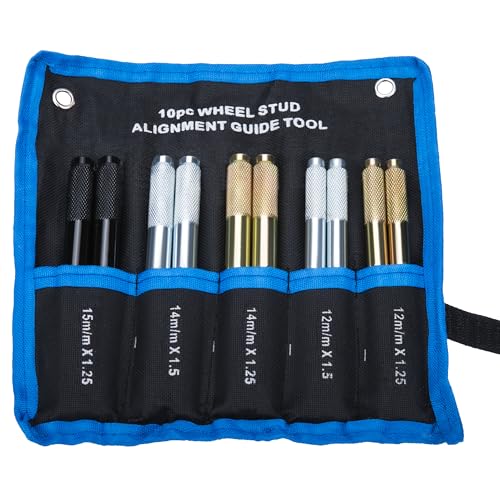
Sturdy Construction: Made from a robust steel alloy material, this wheel alignment kit offer superior strength and durability, along with abrasion resistance and breakage resistance. They can withstand the repetitive stresses of wheel alignment and tire changing, ensuring consistent performance over time
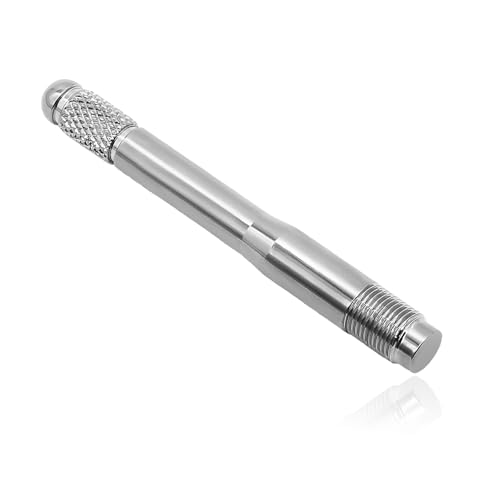
【Effective Wheel Alignment】: The tire stud pin ensures flawless alignment by holding the wheel steady, making it much easier to line up wheels with hub bolt holes. This precise positioning minimizes installation time and reduces strain, especially when working with heavier wheels.

Main Characteristics: Our wheel alignment tool is capable of assisting you in resetting the strut to its initial camber position after the suspension has been removed and reinstalled. It can also check the extent of camber variation prior to re-installation. This camber alignment tool is ideal for precisely inspecting the castor and camber angles
Recent Alignment Verification
When did you last check your alignment status? If I’ve had an alignment within the past two weeks and my front end hasn’t taken any hits, I’m probably in good shape when swapping tires.
Here’s how I check that my alignment is still solid:
- My steering wheel sits dead center on straightaways
- My tires show even wear across the tread, no feathering or cupping
- My vehicle tracks straight without constant correction
- I kept that green “good” printout from my last check
Replacement-specific tires without pothole impacts or suspension work usually mean my alignment carries over. Still, I always inspect for unusual wear after mounting new rubber, alignment history or not.
Hidden bumps can knock things off independently. Some shops push verification as precaution, but I skip it if handling stays stable and patterns look clean.
Post-Tire Change Indicators
Several telltale signs confirm my alignment stayed true after mounting fresh rubber. I watch for uneven wear patterns across the tread, a steering wheel that sits dead center at highway speeds, and most importantly, no pull to one side during straight-line driving. These three checks take five minutes and tell me everything I need to know.
I also grab the alignment printout from my last service. It documents my camber, caster, and toe settings, giving me baseline numbers to compare against if trouble surfaces. Harsh roads, potholes, or curb strikes can knock even fresh alignments out of spec, so I stay vigilant.
If I spot feathered edges, rapid shoulder wear, or that dreaded left or right drift, I head straight for the alignment rack. Better to verify than gamble with expensive rubber.
How to Read Your Alignment Printout: Green, Red, and You
Why should I care about a piece of paper with colored boxes? That alignment_printout is your roadmap to tire longevity, and I’m going to show you how to read it like a pro.
The green zones mean your angles hit manufacturer specs, red flags need immediate attention, and yellow sits in the tolerable middle. Here’s what matters when you’re standing at the counter:
- Camber shows if your tires tilt inward or outward, wearing edges unevenly.
- Toe reveals whether tires point slightly inward or outward, scrubbing rubber fast.
- Caster affects steering stability and return-to-center feel.
- Before-and-after columns prove the shop actually moved something, not just measured.
Keep that printout. After pothole season, compare fresh numbers to your baseline. You’ll spot drift early, protecting your investment without guessing.
Recommended Products

This Alignment Camber Kit is compatible with Toyota Sienna 2019, 2018, 2017, 2016, 2015, 2014, 2013, 2012, 2011, 2010, 2009, 2008, 2007, 2006, 2005, 2004, 2003, 2002, 2001, 2000, 1999, 1998 (Front)
Foot pain relief & improved posture - These products support healthy body lines and correct posture. Suit for genu valgum, knock-knees or genua varum, pronation, supination, bow legs and ankle eversion, reducing the effects of flat feet. Relieve pressure and provide support to your feet

This Alignment Camber Kit is compatible with Subaru Legacy 2019, 2018, 2017, 2016, 2015, 2014, 2013, 2012, 2011, 2010, 2009, 2008, 2007, 2006, 2005, 2004, 2003, 2002, 2001, 2000, 1999, 1998, 1997, 1996, 1995, 1994, 1993, 1992, 1991, 1990 (Front)
Free Alignment Checks: What They Actually Tell You
So what’s actually happening when a shop checks your alignment for free? I’ve learned these free alignment checks measure your current specs against factory settings, usually producing a printout showing green for good, red for adjustment needed. Some shops hand you this data regardless, others only if you buy the service.
Here’s what actually matters: these checks reveal whether your wheels are truly off after pothole hits or curb bumps, even with fresh alignments in your history. I’ve seen shops use them as honest diagnostics, others as upsell pressure, especially during tire promotions.
The check itself isn’t an alignment, it’s intel. Know that measurements can flag unnecessary work or catch real drift early. Ask upfront: will I get the printout either way? That transparency tells you which kind of shop you’re dealing with.
Recommended Products

UNIVERSAL FIT FOR MOST VEHICLES – Designed for steering wheels with internal diameters from 10.5" (270mm) to 13.4" (340mm). Compatible with passenger cars, vans, and trucks – a versatile addition to any garage or professional workshop .

Wide Vehicle Compatibility : Adjustable steering wheel holder works with a wide range of cars, trucks, vans, and buses. This 14-inch adjustable steering wheel lock holder is your go-to tool for wheel alignment and balancing jobs—one tool covers different vehicles across your fleet.

Alignment tools automotive for aligning that the steering wheel is centralized after making front end adjustments or repairs
How Often Should You Get Alignment With New Tires?
How often should you actually get an alignment when you’re putting on new tires? I’ve learned it depends on your driving reality, not just calendar dates.
Here’s what guides my decisions:
- Always consider alignment after tire replacement, especially if your old tires wore unevenly
- Schedule rechecks every 30,000 miles, or sooner on rough roads
- Watch for steering pull, vibrations, or wandering; these signal immediate needs
- Remember pothole impacts can knock you out of alignment overnight
I don’t automatically buy the “every time” rule some shops push. Instead, I weigh my tire wear patterns against my driving conditions. Free checks help, but I verify whether they’re measuring accurately or just selling. For me, protecting fresh rubber investment matters, so I align when symptoms, mileage, or new rubber changes demand it.