
Wondering what exactly a 245 70R19.5 tire size means in inches? This technical tire designation holds important information that’s crucial for proper vehicle performance and compatibility.
When you’re shopping for new tires or trying to understand your current setup, converting tire sizes from metric to inches can be confusing. The 245 70R19.5 format represents exact tire dimensions including width, aspect ratio, and rim diameter—all measurements that affect your vehicle’s handling, clearance, and overall performance. Understanding these numbers helps you make informed decisions about replacements and upgrades for your light truck or commercial vehicle.
Understanding Tire Size Notation: 245/70R19.5
Tire size notations follow a standardized format that conveys critical information about a tire’s dimensions and construction. The designation 245/70R19.5 represents exact measurements that help identify the right tire for your vehicle.
The first number, 245, indicates the tire’s width in millimeters from sidewall to sidewall. This measurement represents how wide the tire is when mounted on the appropriate wheel and properly inflated.
Following the width is the aspect ratio, 70, which expresses the tire’s height as a percentage of its width. In this case, the sidewall height equals 70% of the 245mm width, resulting in a sidewall height of approximately 171.5mm.
The letter “R” identifies the tire’s construction type, standing for “Radial.” Radial tires feature layers of cord material running perpendicular to the tread direction, offering better stability, traction, and longer tread life compared to older bias-ply designs.
The final number, 19.5, represents the wheel diameter in inches that the tire is designed to fit. This measurement is taken from one end of the wheel to the other, passing through the center.
“Many customers are surprised when they learn what these numbers actually mean,” notes Liam Kohn, who recently helped a commercial fleet manager select the right 245/70R19.5 tires for their delivery trucks. “Understanding these specifications makes all the difference in selecting tires that deliver optimal performance.”
Tire size notations also sometimes include additional markings indicating load ratings, speed ratings, and other performance characteristics exact to the intended application, particularly for commercial tires in this size category.
Breaking Down the 245/70R19.5 Tire Dimensions in Inches

Converting tire measurements from metric to imperial units helps you better understand the actual size of your tires in familiar terms. The 245/70R19.5 tire size contains three critical measurements that determine the tire’s physical dimensions and performance characteristics.
Width Measurement: What 245 Means
The first number in the tire size, 245, represents the tire’s width in millimeters measured from sidewall to sidewall. Converting this to inches gives you a more relatable measurement for the American market. Dividing 245 by 25.4 (the number of millimeters in an inch) yields approximately 9.65 inches of tire width. This measurement directly affects the tire’s footprint on the road, influencing traction and handling characteristics, especially in commercial applications where load stability matters.
Aspect Ratio: The 70 Component
The aspect ratio value of 70 indicates that the tire’s sidewall height equals 70% of its width. Taking 70% of the 9.65-inch width reveals a sidewall height of approximately 6.75 inches. Taller sidewalls like these provide better cushioning over rough surfaces and can improve ride comfort. The sidewall height significantly contributes to the tire’s overall diameter, which affects speedometer accuracy and gear ratios in your vehicle’s drivetrain system.
Rim Diameter: 19.5 Inches Explained
The “R19.5” portion of the tire size tells you two important facts. The “R” confirms the tire uses radial construction, featuring cord plies arranged radially from the center of the tire. The number 19.5 specifies the diameter of the wheel rim in inches that this tire fits. Unlike the width measurement, this dimension comes already expressed in imperial units. Commercial vehicles and light trucks commonly use the 19.5-inch rim size, positioning these tires between passenger vehicle tires and heavy-duty truck applications.
Combining these measurements provides additional valuable data about your tire. The overall diameter of a 245/70R19.5 tire reaches approximately 33 inches, calculated by adding the rim diameter to twice the sidewall height (19.5 + 2 × 6.75). This tire’s circumference measures around 103.6 inches, meaning it completes roughly 611 revolutions per mile traveled. These figures prove essential when comparing different tire sizes or calculating accurate speedometer calibrations.
Calculating the Overall Diameter of 245/70R19.5 Tires
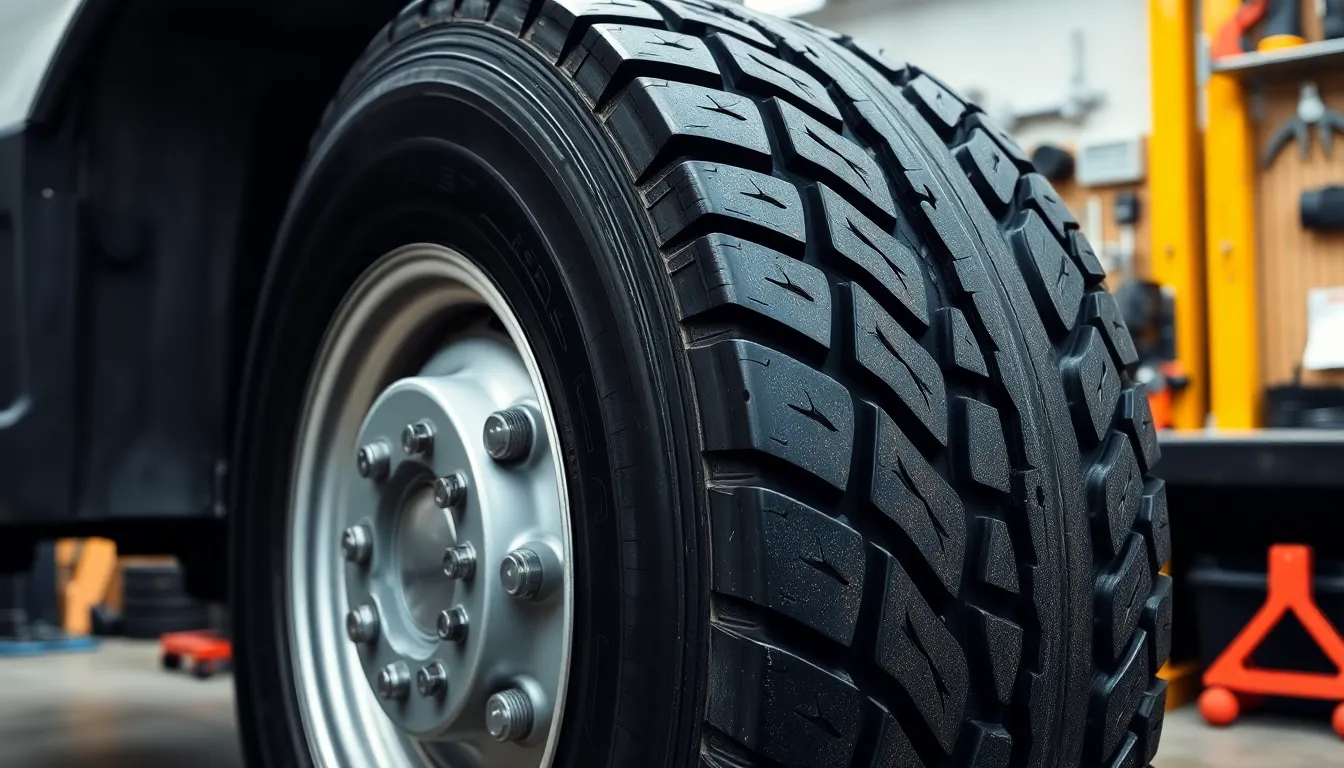
The overall diameter of a 245/70R19.5 tire measures approximately 32.5 to 33 inches. This measurement represents the total height of the tire from one end to the other when mounted on a wheel. Understanding this dimension is crucial for vehicle clearance, speedometer calibration, and ensuring proper fitment.
To calculate the overall diameter, you’ll need to add twice the sidewall height to the wheel diameter. The formula looks like this:
Overall Diameter = Wheel Diameter + (2 × Sidewall Height)
For a 245/70R19.5 tire:
- Wheel diameter: 19.5 inches
- Sidewall height: 6.75 to 6.8 inches (calculated as 70% of the 9.65-inch width)
When plugging these values into the formula:
Overall Diameter = 19.5 + (2 × 6.75) = 19.5 + 13.5 = 33 inches
This 33-inch diameter impacts several aspects of vehicle performance. The tire’s circumference, measuring approximately 103.6 to 103.7 inches, affects how many revolutions the tire makes per mile (about 611 revolutions per mile). Comparing different sizes reveals meaningful differences – for example, a 245/75R19.5 tire has a diameter roughly 0.96 inches larger than the 245/70R19.5.
Commercial vehicles typically use these tires with load ratings around 4805 lbs (2180 kg) per tire in single configuration, with maximum inflation pressure of approximately 120 psi. These specifications make the 245/70R19.5 suitable for medium-duty trucks and buses where precise dimensional compatibility is essential for safe operation.
Common Applications for 245/70R19.5 Tires

The 245/70R19.5 tire size serves exact vehicle categories that require durability and load-carrying capacity. Light trucks frequently use these tires for commercial operations due to their robust construction and ability to handle heavier loads. These tires provide excellent stability when transporting cargo, making them ideal for delivery services and small moving companies.
Recreational Vehicles (RVs) benefit significantly from the 245/70R19.5 tire configuration. Class C motorhomes and larger camper vans often come equipped with these tires because they offer the perfect balance between comfort and load capacity for extended road trips. The sidewall height of approximately 6.8 inches contributes to improved ride quality, absorbing road imperfections during long-distance travel.
Commercial trucks in the medium-duty category represent another major application for this tire size. Box trucks, flatbeds, and utility vehicles operating in various industries rely on the 245/70R19.5 size for its combination of maneuverability and durability. The overall diameter of 33.0 inches and circumference of 103.6 inches make these tires suitable for vehicles that require reliable performance under frequent use conditions.
Many commercial fleet managers choose this tire size for their vehicles that regularly transport goods between warehouses and retail locations. The 9.65-inch width provides sufficient road contact for stability, while the 19.5-inch wheel diameter accommodates the braking systems typically found in commercial applications. These dimensional characteristics create the perfect combination for vehicles that bridge the gap between heavy-duty commercial trucks and lighter passenger vehicles.
Comparing 245/70R19.5 to Similar Tire Sizes
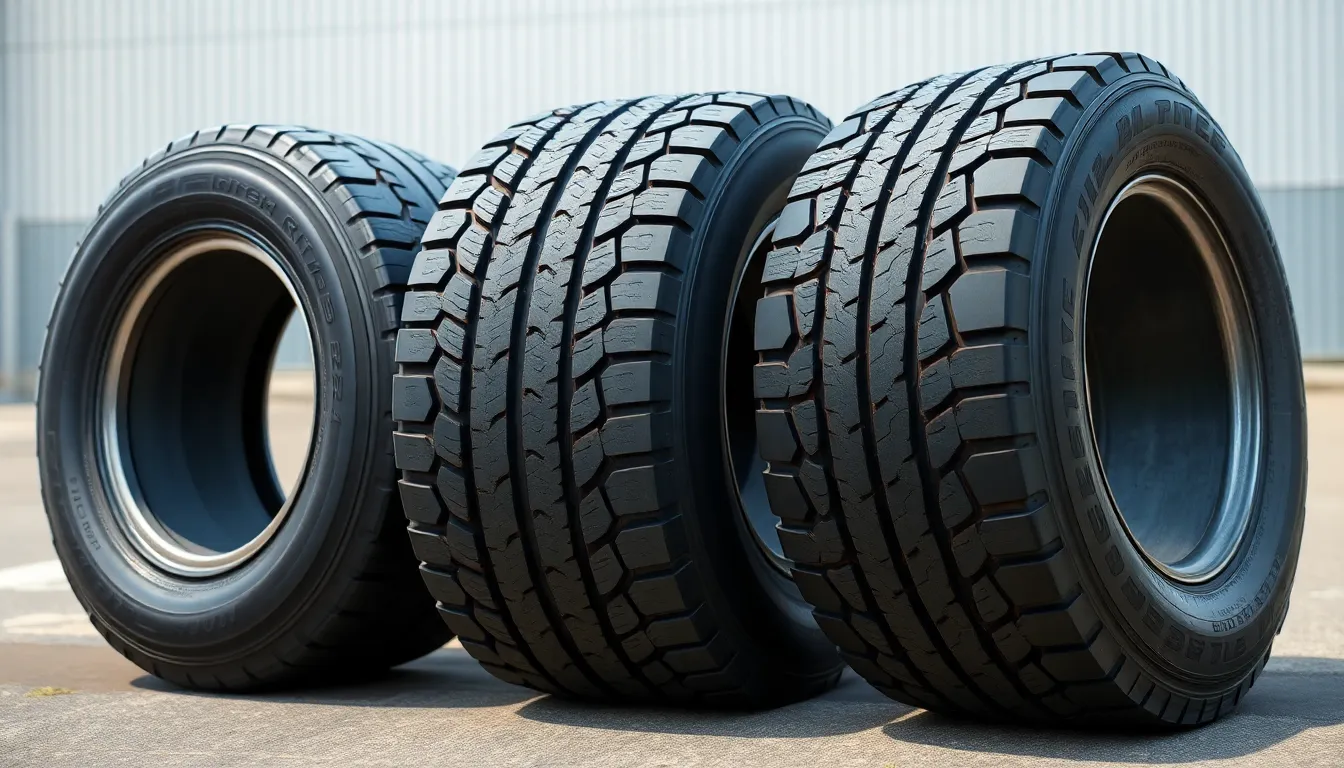
The 245/70R19.5 tire size offers exact performance characteristics that distinguish it from other similar sizes. Understanding these differences helps you make informed decisions when selecting tires for your commercial vehicle or light truck.
Compared to 265/70R19.5
The 265/70R19.5 tire is significantly larger than the 245/70R19.5, with a diameter difference of 1.1 inches (28 mm). This size disparity creates a 3.2% speedometer reading difference, causing your vehicle’s speedometer to display a slower speed than you’re actually traveling. The wider 265 mm section width (approximately 10.43 inches versus 9.65 inches) provides additional stability and potentially better traction on various surfaces. Vehicles equipped with 265/70R19.5 tires experience greater ground clearance, which proves beneficial for handling rough terrain or obstacles in commercial applications.
Compared to 225/70R19.5
The 225/70R19.5 tire measures 1.1 inches smaller in diameter than the 245/70R19.5, resulting in about a 3.4% speedometer difference. Your vehicle’s speedometer will read faster than your actual speed with these smaller tires. The narrower width of 225 mm (approximately 8.86 inches compared to 9.65 inches) reduces the tire’s footprint, potentially decreasing traction in certain conditions. Commercial vehicles running 225/70R19.5 tires benefit from slightly quicker acceleration due to the reduced rotating mass, though this comes at the expense of some stability compared to wider options.
Performance Differences Between Size Options
Tire size selection dramatically impacts your vehicle’s performance characteristics across multiple dimensions. Larger diameter tires like the 265/70R19.5 increase ground clearance, which enhances off-road capability and obstacle clearance for delivery trucks operating in varied conditions. Speedometer accuracy decreases with larger tires, showing readings approximately 3.2% lower than actual speed, which requires mental adjustment when monitoring your velocity. Fuel economy often diminishes slightly with larger, heavier tires due to increased rolling resistance and greater rotating mass requiring more energy to accelerate.
Smaller diameter options such as the 225/70R19.5 deliver quicker acceleration responses, particularly valuable for delivery vehicles making frequent stops in urban environments. Load capacity typically increases with tire width, making the 245/70R19.5 a balanced middle option that carries heavier loads than the 225 mm variant while maintaining better fuel efficiency than the 265 mm option. Handling characteristics vary noticeably between sizes, with wider tires providing enhanced stability during cornering and crosswind conditions—a crucial consideration for taller commercial vehicles like box trucks and small buses.
Commercial fleet managers often select the 245/70R19.5 as an optimal compromise, balancing adequate load capacity with reasonable fuel efficiency and handling characteristics suitable for mixed-use applications. The 33-inch overall diameter of the 245/70R19.5 positions it perfectly between the larger and smaller alternatives, making it versatile for various commercial vehicle applications while maintaining compatibility with standard vehicle components and clearances.
Benefits and Limitations of 245/70R19.5 Tires

The 245/70R19.5 tire size offers many advantages for commercial vehicles while also having some constraints to consider before purchase.
Key Benefits
245/70R19.5 tires provide excellent ground clearance with their 33-inch diameter, making them ideal for various road conditions. Their relatively wide section width of 9.6 inches creates stable handling and optimal road contact, essential for fully loaded commercial vehicles.
These tires are perfectly suited for vehicles requiring 19.5-inch wheels, a common specification in commercial trucks and some larger SUVs. The moderate sidewall height of approximately 6.8 inches delivers good shock absorption and ride comfort, especially on uneven surfaces or when traversing rough terrain.
Commercial fleet operators appreciate the balance these tires strike between durability and performance. The 245/70R19.5 size works well for medium to heavy-duty applications where load capacity and stability are crucial operating factors.
Notable Limitations
Availability can be an issue with 245/70R19.5 tires as they’re less common than standard passenger sizes, potentially limiting selection options when replacement is needed. These tires tend to be heavier and larger than smaller truck tires, which may slightly impact your vehicle’s fuel efficiency.
The exact 33-inch diameter doesn’t fit all vehicles, requiring careful verification before any tire replacement or upgrade. Alternative sizes like the 265/70R19.5 are approximately 1.1 inches larger in diameter, which can affect speedometer accuracy and vehicle dynamics if installed without proper adjustments.
Commercial applications require special attention to load ratings, typically around 4805 lbs per tire with maximum inflation pressures of approximately 120 psi. These specifications make the 245/70R19.5 ideal for medium-duty trucks and buses where dimensional compatibility directly impacts safe operation.
Conclusion
Understanding the 245/70R19.5 tire dimensions translates to smarter vehicle management for your commercial fleet. At approximately 9.65 inches wide with a 33-inch overall diameter these tires strike the perfect balance between load capacity and performance.
Whether you’re managing a delivery service box truck or Class C motorhome these tires offer the durability and stability needed for demanding applications. Their commercial-grade construction handles heavier loads while providing decent fuel efficiency.
Remember to verify compatibility with your exact vehicle before purchasing as proper fitment ensures safety and optimal performance. The right tire size makes all the difference in your vehicle’s handling braking and load-carrying capabilities.
With this knowledge you’re now equipped to make informed decisions about your commercial vehicle’s tire needs.
Frequently Asked Questions
What does the tire size 245/70R19.5 mean?
The tire size 245/70R19.5 breaks down into specific measurements: 245 indicates the width in millimeters (9.65 inches), 70 is the aspect ratio (sidewall height is 70% of the width), R stands for radial construction, and 19.5 is the rim diameter in inches. This standardized format provides essential information about the tire’s dimensions and construction type.
What vehicles typically use 245/70R19.5 tires?
These tires are commonly used on light commercial trucks, delivery vehicles, Class C motorhomes, larger camper vans, and medium-duty commercial vehicles like box trucks and flatbeds. They’re popular in fleet operations because they offer a good balance of load capacity, durability, and maneuverability for commercial applications.
How does the 245/70R19.5 compare to other similar sizes?
Compared to the larger 265/70R19.5, this tire is narrower with less traction but better fuel efficiency. The smaller 225/70R19.5 offers quicker acceleration but reduced stability and load capacity. The 245/70R19.5 provides a balanced option with adequate load capacity, reasonable fuel efficiency, and suitable handling for various commercial applications.
What is the overall diameter of a 245/70R19.5 tire?
The overall diameter of a 245/70R19.5 tire is approximately 32.5 to 33 inches when mounted on a wheel. This measurement is calculated by adding twice the sidewall height (about 6.75 inches each) to the wheel diameter (19.5 inches). The total circumference is approximately 103.6 to 103.7 inches.
What are the benefits of 245/70R19.5 tires?
These tires offer excellent ground clearance, stable handling, and good shock absorption, making them suitable for various road conditions. They provide substantial load-carrying capacity (typically around 4805 lbs per tire) and durability for commercial applications. Their size balances performance needs with practical commercial requirements.
What are the limitations of 245/70R19.5 tires?
Limitations include potential availability issues compared to more common passenger tire sizes, possible impacts on fuel efficiency due to their size and weight, and the need for careful verification of fitment. They require proper load rating verification for safe operation and may not be compatible with all vehicle types.
How important is load rating for 245/70R19.5 tires?
Load rating is critical for 245/70R19.5 tires, especially in commercial applications. These tires typically have load ratings around 4805 lbs per tire with maximum inflation pressures of about 120 psi. Selecting the correct load rating ensures safety, prevents premature wear, and maintains vehicle performance under heavy loads.
How does tire size affect vehicle performance?
Tire size significantly impacts performance. The 245/70R19.5 affects ground clearance, handling stability, fuel efficiency, load capacity, and speedometer accuracy. Larger tires provide better traction but may reduce fuel efficiency, while smaller tires might improve acceleration but decrease stability. Choosing the right size ensures optimal vehicle performance and safety.