
I’ve watched my own car insurance bill climb 55% since early 2020, and I’m not alone. Bodily injury claims now average over $28,000, while repair costs jumped 45% in four years thanks to pricier parts and tech-heavy vehicles. Those sensors and cameras you love? They cost a fortune to fix.
My insurer passed every payout straight back to my premium, often six months after the damage was done. I’ve learned loyalty discounts rarely beat shopping around, but there’s a smarter way to cut costs without gambling on minimum coverage.
What Your Car Insurance Actually Covers
Why are you paying for car insurance in the first place? You’re buying protection for when things go sideways, plain and simple.
Car insurance exists for one reason: protection when life veers off course.
Your policy starts with bodily injury liability, covering medical costs if you hurt someone. In Nevada, you’re looking at 25/50/20 minimums, but with average bodily-injury claims topping $28,000, I’ve learned those state minimums leave real gaps.
Then there’s collision coverage, which repairs your own ride after a crash. Newer cars cost more to fix, so your premium reflects that reality.
Comprehensive coverage handles everything else: theft, hail, vandalism, deer in your headlights. Both climb higher as repair and replacement costs surge.
I always check my limits against actual replacement values. Underinsurance shifts costs to you when minimums fall short of modern expenses.
Recommended Products
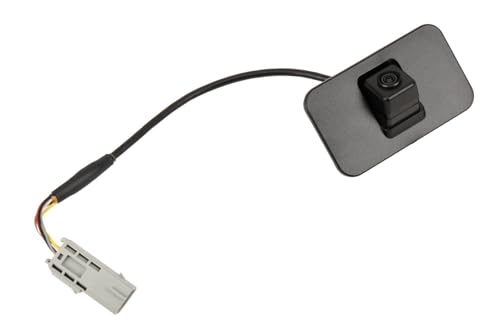
Helps assist driver awareness

Helps assist driver awareness
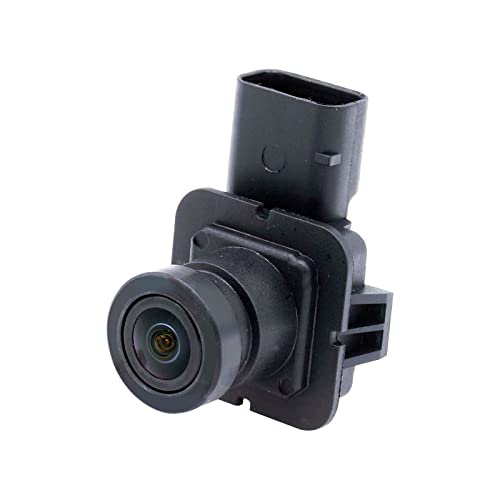
Direct-fit replacement part, no calibration tool is required to pair the camera ; compatible with factory connecters and mounting points
Why Your Premium Jumped 55% Since the Pandemic
How exactly did my car insurance bill balloon 55% since early 2020? I’ve watched my auto insurance costs climb nearly 55% since February 2020, and most of that pain hit between 2022 and 2024.
The Bureau of Labor Statistics tracks premium trends showing insurers’ claim costs spiked dramatically. Here’s the catch: there’s a 6 to 12 month lag before those higher claim costs reach your bill. Insurers paid out more in claims first, then adjusted rates later.
Pandemic driving habits made things worse. I saw more speeding, riskier behavior, and nastier crashes on my own commute. Those severe accidents drove claim costs even higher.
Add pricier cars, steeper medical bills, and legal fees into the mix, and you’ve got the perfect storm behind this 55% jump.
Recommended Products

CEL Doctor: The ANCEL AD310 is one of the best-selling OBD II scanners on the market and is recommended by Scotty Kilmer, a YouTuber and auto mechanic. It can easily determine the cause of the check engine light coming on. After repairing the vehicle's problems, it can quickly read and clear diagnostic trouble codes of emission system, read live data & hard memory data, view freeze frame, I/M monitor readiness and collect vehicle information

【Diagnose Check Engine Light in Seconds – No Mechanic Needed】The FOXWELL NT301 OBD2 scanner instantly reads & clears engine fault codes (DTCs) with one click. Simply plug into the 16-pin DLC port, turn ignition on, and get accurate results within seconds—No prior car knowledge required. Save hundreds on dealership fees by knowing exactly what’s wrong before you visit a shop. The #1 choice car scanner for DIYers and car owners who want to take control of their vehicle’s health

Understand Your Check Engine Light – The ANCEL AD410 OBD2 scanner helps everyday drivers quickly read and clear engine-related fault codes, view code definitions, and understand why the check engine light is on before visiting a repair shop. With 42,000+ built-in DTC lookups, this car code reader helps reduce guesswork and makes basic vehicle diagnostics easier for beginners and DIY users
Why Car Repairs Cost 45% More Than Four Years Ago
What exactly hit my wallet harder at the body shop? Replacement parts have jumped about 45% in four years, and I’m feeling every dollar.
Here’s what’s driving repair costs through the roof. New cars average nearly $50,000 now, so fixing anything costs more. Vehicle electronics add complexity. Older cars didn’t need computer diagnostics for a fender bender. I’ve watched simple repairs balloon because sensors, cameras, and modules need recalibration.
Medical and legal claims keep climbing too, pushing expenses higher. Weather damage and theft in high-tourism areas mean more claims, spreading costs around.
The fix? I budget for higher out-of-pocket costs and compare shop estimates carefully. Skipping comprehensive coverage isn’t wise. Neither is ignoring rising repair realities.
Recommended Products

Includes all information needed to estimate and bill for auto repairs

1. Durable, High-Quality Carbonless Paper:Crafted with premium white and yellow carbonless paper, this estimate book creates two clear, ink-free copies—one for the customer and one for your records—ensuring efficient, reliable, and professional documentation.

AUTO BODY REPAIR ESTIMATE FORMS: Professional vehicle repair estimate forms designed for auto body shops, mechanic shops, collision centers, and dealership service departments to document repair quotes and service details accurately.
What Other Car Insurance Customers Are Doing About Rate Hikes
I’m not sitting still while my premium climbs, and neither are millions of other drivers. We’re fighting back against rate hikes by grabbing five or six car insurance quotes, the highest shopping activity since 2020.
I’ve noticed some folks cutting corners, reducing coverage or skipping small claims entirely to keep premiums manageable. Others bundle home and auto policies, or chase safe-driver and low-mileage breaks. These discount strategies work, but here’s the catch: uninsured drivers still crowd the roads, pushing costs onto the rest of us.
I compare quotes annually, raise my deductible when it makes sense, and review every line of coverage. You should too. Don’t overpay for protection you don’t need, but don’t leave gaps that’ll wreck your finances.
Recommended Products

Fitment: Direct OEM Replacement for 2024 Nissan Sentra

Some GM Genuine Parts may have formerly appeared as ACDelco GM Original Equipment (OE)

Some GM Genuine Parts may have formerly appeared as ACDelco GM Original Equipment (OE)
Why Loyalty Discounts Won’t Beat Comparison Shopping
I’ve seen too many drivers, myself included, stick with the same insurer for years, assuming loyalty discounts would protect them from rising rates. That assumption costs real money.
I’ve learned that staying put rarely beats shopping around, since each company weighs your driving record, credit, and ZIP code differently, often by hundreds of dollars annually. I’ll walk you through why comparing 5–6 quotes, not your tenure, opens up the savings you’re missing.
Recommended Products

Multi-Functions - Practical Multi-Functions OBD2 code reader features built-in OBD2 DTC lookup library, which help you to determine the cause of the engine light, read code, erase code, view freeze frame, I/M ready, vehicle information, data flow, real-time curve, get vehicle speed information, calculate load value, engine coolant temperature, get engine speed.

[Easy to Use—Work Out of the Box] + [FOXWELL 2026 New Version] FOXWELL NT604 Elite scan tool is the 2026 new version from FOXWELL, designed for car owners who want to figure out the cause of issues before fixing car problems by scanning common systems like ABS, SRS, engine, and transmission. The NT604 Elite obd2 scanner diagnostic tool comes with the latest software—no need to waste time downloading software first. Plug the scanner into the OBDII port with OBDII cable to start the diagnosis.

Easily Diagnose Car and Truck Issues from Your Phone – Scan and identify 39,000+ issues across thousands of vehicles, from Check Engine lights to enhanced codes. Validate repairs or vehicle condition and reset codes without being an expert.
Loyalty Penalty Reality
Why do so many drivers assume loyalty pays off? I used to believe sticking with one insurer earned me the best deal, but I’ve learned that’s rarely true. The loyalty penalty hits hard when you realize new customers often nab lower initial quotes while my renewal rates crept upward. Rate volatility doesn’t care how long you’ve been with a company; premiums shift with claim costs and local risk pools, not just your tenure.
Here’s what I’ve discovered: switching benefits outweigh those plateaued loyalty discounts insurers tout. When I compared five quotes last year, I found identical coverage for $340 less annually. My old insurer never gave me that. Belonging to a brand feels safe, but your wallet deserves better.
Quote Comparison Advantage
Sticking with one insurer felt like the safe play until I saw the numbers side by side.
I learned that car insurance quotes vary wildly, even for the same driver. USAA quoted around $1,492, Root hit $2,078, same coverage, same me. These underwriting differences mean each company weighs your risk differently. One might penalize your commute length, another your credit score.
Shopping around by comparing five to six quotes isn’t just smart, it’s essential. Loyalty discounts rarely close the gap when competitors price you 20 or 30 percent lower. I check rates yearly now.
Small variations in how insurers calculate claim costs add up to real money. The best deal isn’t about staying put, it’s about knowing your options.
Switching Savings Potential
How much is loyalty really worth when the numbers tell a different story? I’ve crunched the data, and loyalty discounts rarely beat grabbing five to six car insurance quotes from competing insurers. Rates swing wildly because each company weighs your risk factors differently, state by state.
Switching providers isn’t just about chasing a bargain, it’s about catching rate adjustments before they catch you. Insurers tweak prices based on claim costs in their risk pools, and those changes lag behind. Your loyalty won’t shield you from hikes, but comparison shopping captures lower premiums fast.
Stack the deck by combining discounts: bundling, safe-driver perks, defensive driving credits. When you compare offers side-by-side and apply multiple discounts, you build real savings that loyalty programs simply can’t match.
How to Cut Car Insurance Costs Without Dropping Coverage
Where exactly does all that premium money go each month? I don’t have to accept crushing premiums without a fight, and neither do you.
Where exactly does all that premium money go each month? You don’t have to accept crushing premiums without a fight.
I start by hunting down every car insurance discount I qualify for: safe-driver, low-mileage, good-student, defensive-driving; they add up fast. Bundling my auto policy with home or renters insurance brings another solid price cut.
I’m willing to gamble a bit on a deductible increase, bumping from $500 to $1,000, which trims my monthly bill noticeably while keeping my protection intact. I shop five to six quotes at renewal because loyalty rarely rewards my wallet. In states allowing it, I work on my credit score since insurers weigh it heavily.
I also right-size coverage, dropping collision on my older beater while keeping liability and UM/UIM.
Recommended Products
1. Durable, High-Quality Carbonless Paper:Crafted with premium white and yellow carbonless paper, this estimate book creates two clear, ink-free copies—one for the customer and one for your records—ensuring efficient, reliable, and professional documentation.

AUTO BODY REPAIR ESTIMATE FORMS: Professional vehicle repair estimate forms designed for auto body shops, mechanic shops, collision centers, and dealership service departments to document repair quotes and service details accurately.
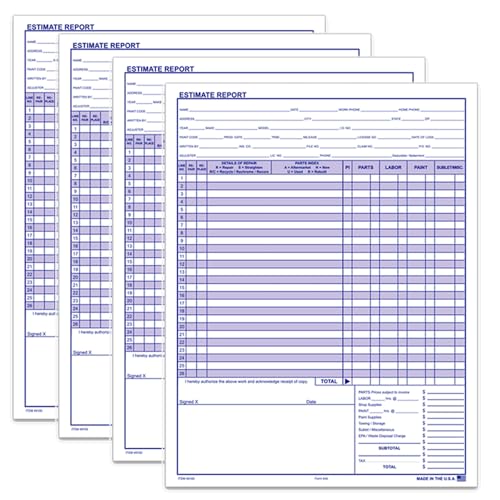
AUTO BODY REPAIR ESTIMATE FORMS: Professional vehicle repair estimate forms designed for auto body shops, mechanic shops, collision centers, and dealership service departments to document repair quotes and service details accurately.
When Minimum Coverage Leaves You Broke After an Accident
I’ve seen too many drivers learn the hard way that Nevada’s 25/50/20 minimum coverage isn’t nearly enough when a serious crash happens. Those numbers mean $25,000 per person for bodily injury, $50,000 total per accident, and $20,000 for property damage.
But a single hospital stay can blow past that first limit and leave you personally on the hook for tens of thousands. I’ll show you exactly where minimum coverage falls short, why your home and wages could be at risk, and how to build real protection without overpaying.
Recommended Products

Painted To Match: We will paint it to match your existing paint color simply message us your color code as well as Year, Make, and Model after you have purchased your item.

Grille Assembly For Lexus RX350 2020-2022 (Base); RX450h; RX350L; RX450hL
The Hidden Costs of Minimum Coverage
Why settle for a policy that might leave me scrambling for cash after a crash? Minimum coverage sounds like a smart money move until I’m staring at bills my policy won’t touch.
I’ve learned the hard way that Nevada’s 25/50/20 structure leaves dangerous gaps. Bodily-injury claims average over $28,000, so those minimum limits evaporate fast when someone needs real medical care.
Add the underinsured/uninsured risk, with roughly 10% of Nevada drivers carrying little or nothing, and I’m suddenly paying for their mistakes too.
Here’s what actually protects my wallet:
- Raising deductibles instead of slashing coverage limits
- Stacking every discount I qualify for
- Shopping quotes across multiple insurers annually
- Matching coverage to my car’s actual value and my personal risk
I’ve stopped chasing the cheapest premium. Now I buy coverage that keeps me in the driver’s seat financially.
When 25/50/20 Falls Short
How quickly can $25,000 disappear when metal meets metal at an intersection? I’ve seen it happen. Nevada’s minimum liability limits, 25/50/20, evaporate fast when bodily-injury claims average over $28,000. One serious crash and you’re paying out of pocket.
Here’s what’s worse: about 10% of Nevada drivers carry no insurance at all. Without uninsured motorist protection, you’re stuck holding the bill when they hit you. I’ve watched friends learn this the hard way, their wages garnished, homes threatened, all for skipping a few dollars monthly.
Dropping to minimum coverage feels smart until it isn’t. I’ve found that shopping around reveals higher coverage options cost less than feared. Don’t let short-term savings wreck your long-term security.
Protecting Assets Beyond Minimums
Where exactly does minimum coverage stop protecting your wallet? Nevada’s 25/50/20 minimum might sound sufficient, but bodily injury claims averaging over $28,000 quickly expose the gaps. When damages exceed your limits, personal assets become fair game.
Underinsurance leaves you vulnerable on multiple fronts:
- Medical costs routinely surpass minimum bodily injury limits
- Property damage caps leave you paying vehicle replacement shortfalls
- Underinsured drivers shift repair bills to your policy, or your pocket
- Legal judgments can garnish wages and seize savings
I focus on coverage adequacy, not minimum compliance, because asset protection demands matching limits to real replacement costs. Raising deductibles, bundling policies, and adjusting coverage annually trims premiums without sacrificing security.
Regular reviews beat blind renewals when medical and repair costs climb.
Why Your Car Insurance Could Still Climb This Year
When exactly will your car insurance stop climbing? I’m not seeing relief yet, and here’s why we’re all still feeling the squeeze.
Car insurance costs have surged 55% since early 2020, with most pain hitting between 2022 and 2024. I’m watching Nevada drivers get hammered again, premiums up 6.4% in 2026 after a brutal 13.7% jump the year before.
Car insurance costs have surged 55% since early 2020, with Nevada drivers facing another 6.4% premium hike in 2026 after a brutal 13.7% jump the year before.
Repair costs are the real culprit: parts prices climbed 45% in four years, and fixing today’s tech-heavy vehicles isn’t getting cheaper. Bodily injury claims now average over $28,000.
Severe crashes are happening more often too. Distracted driving and crowded roads mean bigger claims for insurers to absorb. There’s also a frustrating lag; insurers face higher expenses today, but you won’t see the rate hike for 6 to 12 months. That delayed punch keeps coming.
Recommended Products
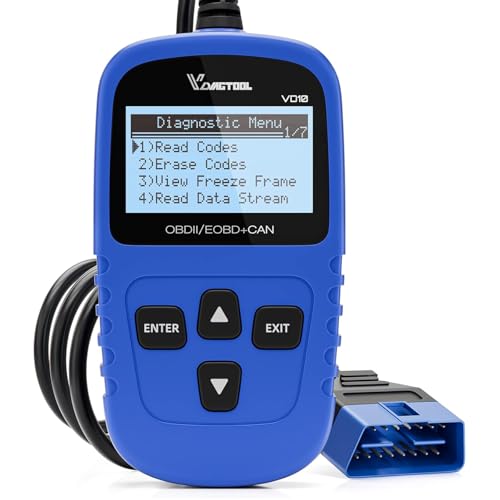
【A MUST-HAVE TOOL FOR DIYERS】 - VDIAGTOOL VD10 car code reader is an incredibly useful obd scanner for each car owner or hobbyist, even for those with little to no experience when it comes to vehicle mechanics! Similar to a fixd car diagnostic tool, using this car diagnostic scanner is extremely easy. All you have to do is attach it to your car OBDII port and you can diagnose car problems in seconds! Read Codes (DTCs); Clear Codes; Live Data; View Freeze Frame; I/M Readiness; Vehicle Information.
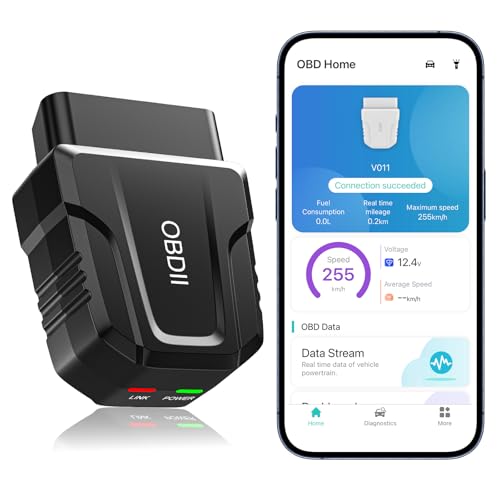
【Comprehensive Performance Testing】V011 OBD2 Scanner provides a complete diagnostic solution, giving you a thorough understanding of your vehicle's condition. It supports a variety of performance tests, support 9 protocols,👍automotive fault clearing,including fast reading of DTCs, access to electronic emission readiness, turning off CEL or MIL, resetting monitors, reading live data and retrieving the vehicle's VIN, freeze frame, sensor data, data streaming, diagnostic reports, onboard monitoring, live data streaming, and more. With these features, you can monitor your car's performance in real time and discover potential problems before they become major issues.

1.This Yuirote universal car motor diagnostic tool is designed to deliver accurate system detection for most vehicle models, working perfectly as an EPB emergency release tool to quickly read engine fault codes and locate car system problems, ideal for daily vehicle inspection and routine maintenance.
What to Do When Your Insurer Lowballs Your Claim
Why does your insurer suddenly think your totaled car is worth half what you paid for it? I’ve been there, and that lowball offer isn’t the final word. Here’s how I fight back:
- Document everything: photos, receipts, repair estimates, every call, every email. Build a rock-solid record for negotiation.
- Stay off the record: I never give recorded statements until I’ve talked to a claims advocate or attorney. One wrong word weakens your insurance claim.
- Know your numbers: serious claims range from $15,000 to $1.5 million. I get professional help to evaluate what mine’s really worth.
- Push back hard: firms like Sam & Ash Injury Law provide free consultations. I use that expertise to counter delays and demand fair compensation.
You’re not alone in this, and you don’t have to accept their first number.