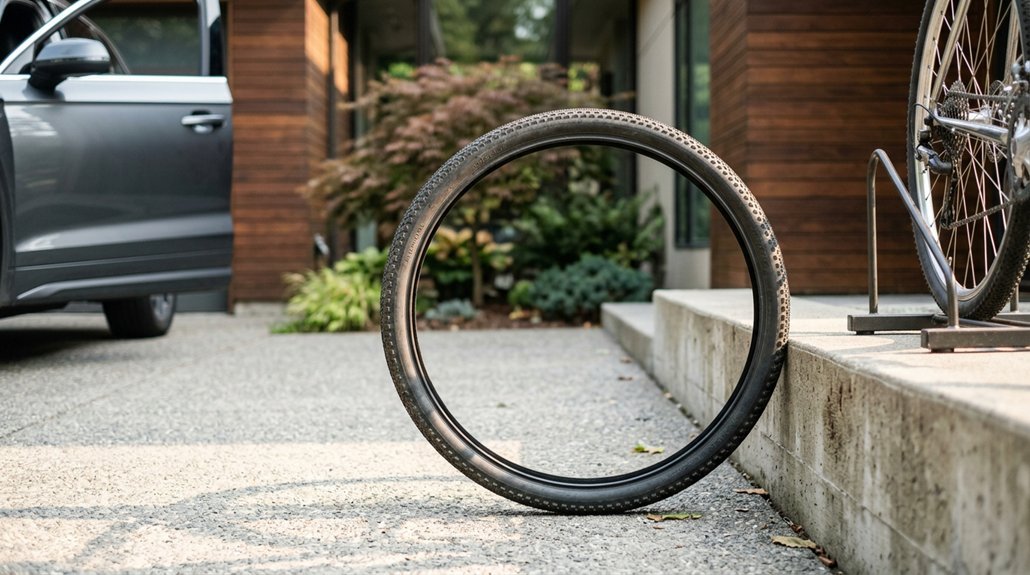
Tires are the unsung heroes of every drive, yet their price tags can feel like a punch to the wallet. I’ve watched costs climb from $400 sets to $800+ for standard all-seasons, and the reasons stack up fast.
Raw materials like natural rubber swing with commodity markets, while oil-based synthetic compounds track fuel prices. Tariffs hit imports hard, shipping surcharges add 15-20%, and larger wheel sizes demand pricier construction. Higher tiers bring measurable gains: better wet braking, longer tread life, run-flat peace of mind. But budget options still pinch harder than they used to.
Why Tire Prices Keep Rising
Why exactly are you paying so much more for tires than you were just a few years ago? I’ve watched prices climb steadily, and the reasons stack up fast.
Tariffs hit first. When governments slap 26% to 46% duties on imported tires, retailers pass that pain straight to you. I’ve seen landed costs jump overnight on popular sizes.
Tariffs hit first—26% to 46% duties on imported tires, with retailers passing that pain straight to you.
Raw materials keep squeezing manufacturers. Natural rubber, synthetic compounds, and steel all cost more to source and process. These aren’t luxury ingredients, they’re essentials, and prices for basics keep climbing, so your bill grows too.
Transportation costs complete the picture. Fuel spikes and logistics headaches mean moving tires from factory to shop costs far more than it used to.
Together, these three forces explain most of what you’re feeling at checkout.
Recommended Products

High Load Capacity: With a maximum load capacity of 500 lbs (226 kg), these 15x6-6 lawn mower tires are engineered to handle heavy-duty tasks without compromising performance. This makes them perfect for riding lawn mowers, garden tractors, and other outdoor equipment, ensuring you can tackle any lawn care job with confidence.

The Grand Prix 5000 AllSeason TR tire has been designed to keep you protected from the elements.
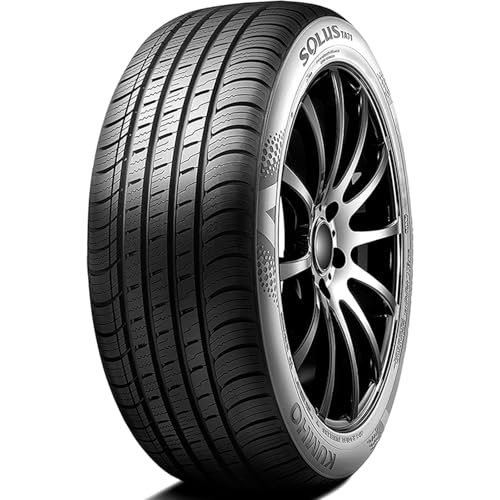
Excellent wet traction provided by the four wide grooves, which evacuate water quickly.
What Raw Materials Drive Tire Prices
I want to break down what actually goes into your tires, because the materials matter more than most buyers realize.
Natural rubber supplies from Southeast Asia swing wildly with monsoon seasons and crop diseases, so when harvests drop, I’m watching those costs get passed straight to you at the counter. Synthetic rubber and petroleum-based compounds aren’t any steadier. Oil price spikes ripple through manufacturing fast, and I’ve seen the same tire jump $40 in six months when crude climbs.
Recommended Products

Natural Rubber Supply
Where does your tire’s grip actually come from? It starts with natural rubber supply, and I’ve watched this market shake up tire material costs firsthand.
Most natural rubber comes from Thailand, Indonesia, and Vietnam. When droughts or floods hit those plantations, harvests drop and rubber price volatility spikes. I saw this during COVID-19, supply chains crumbled and prices stayed high. Political instability in these regions doesn’t help either, one policy shift and your tire factory waits months for raw materials.
Climate change keeps amplifying these disruptions. Unpredictable weather patterns mean smaller harvests, which forces manufacturers to pay high rates. That cost flows straight to you at the dealership.
Natural rubber supply constraints directly inflate what you pay. Understanding this helps you time purchases and budget realistically for replacements.
Synthetic Materials Cost
- Oil price volatility directly raises synthetic rubber compound expenses
- Specialized polymers for tread durability require pricey catalysts and processes
- Environmental compliance adds production costs for cleaner manufacturing
- Import tariffs on chemical components compound the final price tag
These synthetic materials blend with natural rubber for performance, weather resistance, and tread life. You’re not just paying for grip; you’re covering a complex supply chain that rewards buyers who understand where their money goes.
How Tier 1 and Tier 4 Tires Compare in Price
Why exactly does a set of Michelins run me $800, $1,200 while a no-name Tier 4 set might clock in at half that? The tires price gap boils down to brand power, R&D investment, and what I pay for peace of mind. Tier 1 vs Tier 4 isn’t just about the sticker, it’s about what happens at 70 mph in a downpour.
I’ve watched supply chain costs hit better-known brands harder. Tariffs on European and Japanese manufacturers widen the split when Tier 4 options source from lower-cost regions. That gap has narrowed some; budget brands now last longer than they used to.
Still, I’m looking at several hundred dollars difference for a full set. Tier 4 tires work for light commuting. For heavy loads, tight curves, or brutal winters, I find the higher-end option pays for itself in confidence and longevity.
Recommended Products

Solid center tracking rib – enhances braking performance and ensures optimal road contact pressure and controlled steering response at high speeds

MICHELIN CROSSCLIMATE2 TIRE—Rain or shine, the MICHELIN CrossClimate2 all-season tire is our ultimate year-round performer, providing performance in every season and confidence in all climates even when worn
Why Wheel Size Drives Replacement Costs Higher
The gap between Tier 1 and Tier 4 pricing isn’t the only thing draining my wallet at the tire shop. Wheel size hits just as hard, and I’m seeing it every time I replace rubber on modern rides.
Larger diameters demand more complex tire construction: stronger sidewalls, wider footprints, and specialized compounds that manufacturers can’t cheap out on. When I shop 20-inch and up, affordable Tier 4 options practically vanish, forcing me toward higher-priced brands whether I want them or not.
Here’s what I’ve learned drives replacement costs higher:
- Advanced materials and reinforced belts required for 18–20 inch+ fitments
- Scarce budget-brand availability as OEMs push larger wheels factory-direct
- Higher installation and alignment fees for low-profile, stiff-sidewall setups
- Specialized tread patterns for performance applications that narrow competition
Recommended Products

MICHELIN DEFENDER2 TIRE—The MICHELIN Defender2 tire is our longest-lasting tire[1] – completely redesigned to offer increased tread life, this all-season tire also delivers stopping power so you can drive with confidence even in bad weather conditions

Up to 75,000-miles of limited manufacturer tread life coverage
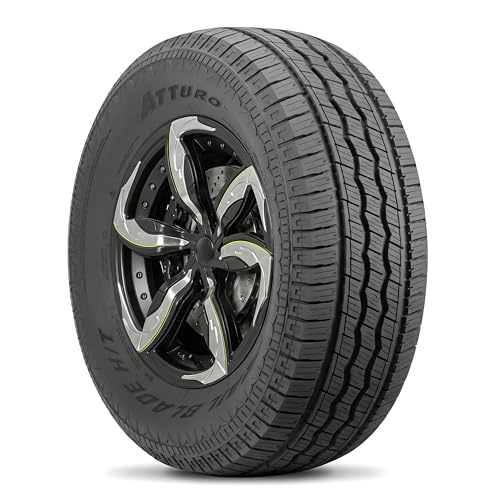
HIGHWAY MILES, EVERY SINGLE ONE OF THEM SMOOTH: You stick to the pavement and the H/T was built for exactly that. Three linked center ribs deliver predictable handling and a straight-line feel that stays composed mile after mile. The tread design reduces road noise for a cabin that stays quiet on long drives. Highway-optimized from the first mile to the 60,000th.
How Tariffs and Shipping Affect Tire Prices
I’ve watched tire prices swing wildly over the past few years, and tariff rate fluctuations deserve much of the blame. When import duties jump from 26% to 46% on tires from major manufacturing countries, manufacturers don’t absorb that hit; they push it straight to your invoice.
Shipping cost increases pile on top, burning more fuel across longer supply chains. What you pay at the counter reflects every handoff from overseas factory to local installer.
Recommended Products

Built with longitudinal and lateral siping that create additional biting edges for strong performance year round

STOP BUYING & PATCHING TUBES: Our patented foam insert is engineered to stop punctures while improving the performance and comfort of your ride.

Up to 65,000-mile limited treadwear coverage
Tariff Rate Fluctuations
How exactly do tariffs and shipping costs find their way onto your final invoice? I see it happen every time policy shifts, and you’re left holding the bill. Tariffs on tires range from 26% to 46% depending on where they come from, and those import costs don’t stay hidden; they flow straight to you. I’ve watched how tariffs disrupt the supply chain, turning steady prices into a guessing game as stock levels and availability bounce around.
Here’s what actually drives the chaos:
- Rates swing wildly between 26% and 46% based on country of origin
- Thailand, Mexico, Vietnam, Indonesia, Canada, South Korea, and Cambodia all face different rules
- The 2009 China tire tariffs proved policy changes create lasting price pressure
- Multiple intermediaries amplify every percentage point before tires reach your shop
Shipping Cost Increases
Why exactly does a set of tires cost more at delivery than when it left the factory? I see this sticker shock every time I track a shipment.
Tires tariffs from Thailand, Vietnam, Indonesia, and Korea slap on 26% to 46% before rubber ever hits asphalt here. That’s just the opening act.
Then shipping costs take center stage. I’ve watched fuel surcharges and container rates swing wildly, turning logistics expenses into a budget killer. When a single overseas shipment costs 40% more than last year, retailers don’t eat that, we do.
Supply chain snarls stretch timelines, forcing expedited freight at higher rates. Regional distribution networks add another layer, carrier rates widening the gap between budget and better-known brands.
Tariff-driven costs and unpredictable shipping create pricing chaos, making fair comparison shopping genuinely tough.
When Premium Tires Justify Higher Prices
Where exactly does a tire go from “decent enough” to “worth paying extra for”? I’ve tested enough rubber to tell you the line sits where real engineering meets your daily drive.
Premium tires carry steeper manufacturing costs, no question. You’re paying for silica-heavy compounds, computer-optimized tread blocks, and run-flat sidewalls that keep rolling after a puncture. The value proposition isn’t marketing fluff; it’s measurable grip in wet braking tests and 20,000 extra miles before replacement.
Here’s what separates the worthwhile upgrades:
- Advanced tread compounds that cut rolling resistance by 10-15%, saving fuel over the tire’s life
- Reinforced construction with stronger steel belts and nylon overlays for high-speed stability
- Integrated safety tech like self-supporting sidewalls and acoustic foam layers
- Professional installation networks with road hazard coverage and proper torque procedures
I won’t pretend budget tires fail immediately. But when I’m hauling family through mountain passes or tracking 500 miles home in December rain, high-quality tires earn their keep.
Recommended Products
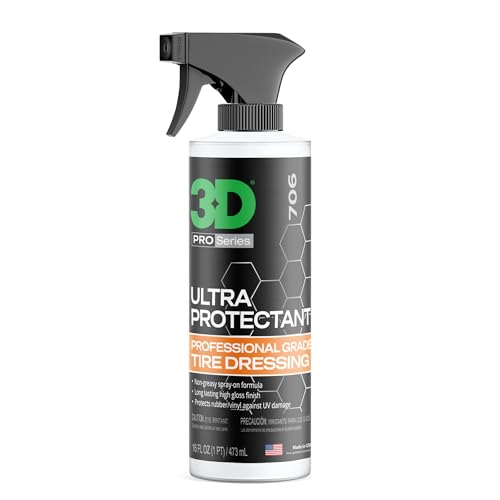
High Gloss Water Based Formula For A Clean Finish: 3D Ultra Protectant delivers a slick, deep shine with zero greasy residue. Its advanced water-based formula offers the perfect balance of glossy finish and dry-to-the-touch feel—no mess, no sling, just pure, pro-grade protection

Designed for use on CUVs, SUVs, and light trucks

Twin Pack Value: Sales per pair includes 2 pieces of solid rubber tire wheels for convenient replacement
How to Shop Smarter as Tire Prices Climb
Premium engineering matters, but I’ve learned the hard way that sticker shock at the counter can blindside you if you only look at the tire price. These days, I calculate tire total cost before buying: mounting, balancing, disposal fees, and road hazard coverage add up fast. I run price comparisons across TireRack, local installers, and warehouse clubs, tracking tier volatility to catch genuine deals.
I weigh warranty/value carefully. A longer treadlife guarantee or lower rolling resistance often beats brand prestige for cost-per-mile savings.
During tariff swings or seasonal rushes, timing matters. I’ll grab Tier 2–3 private-label options with solid reviews when OEM prices spike. Same safety standards, less sticker shock.