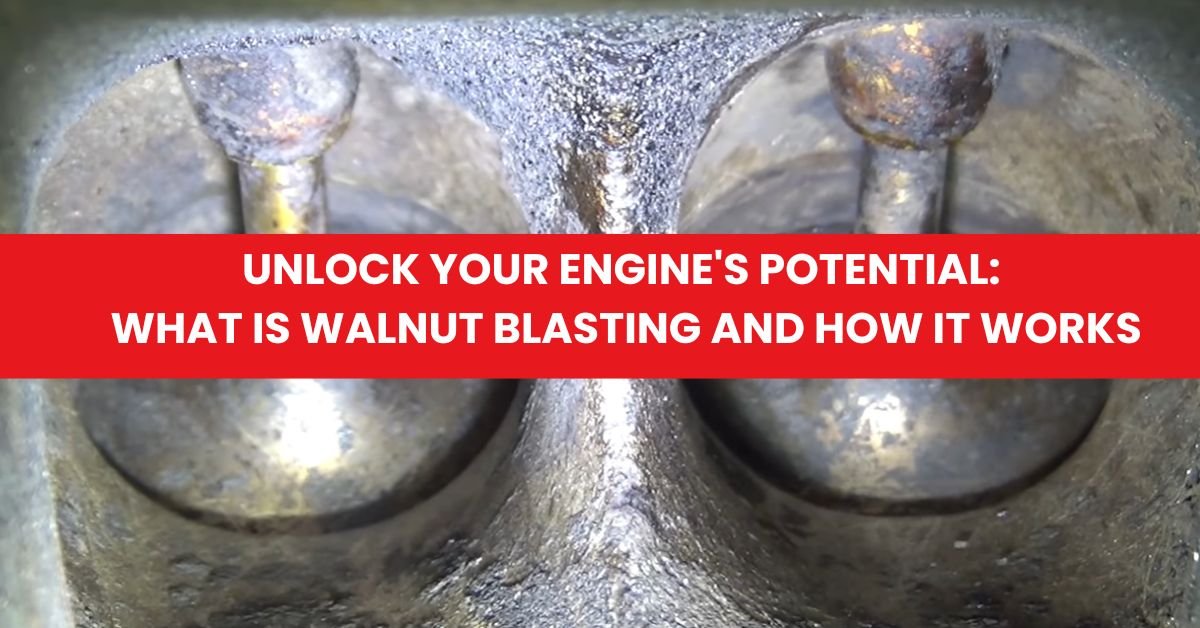
Have you ever wondered how to rejuvenate your car’s engine to its former glory, especially when it starts losing its pep? It might sound like something out of an eccentric inventor’s handbook, but walnut blasting is the unsung hero in the world of car maintenance. This ingenious method, using nothing more than crushed walnut shells and compressed air, breathes new life into engines bogged down by carbon buildup. It’s a process as fascinating as it is effective, tailored specifically for cars with direct injection engines that are prone to such issues.
Why walnuts, you ask? Well, it turns out these natural abrasives are tough on grime yet gentle enough to safeguard the intricate parts of your engine. As we dive deeper into the world of walnut blasting, we’ll explore how this technique not only restores your vehicle’s performance but does so in a remarkably eco-friendly way. So, buckle up and get ready to discover how a simple nut can be the key to unlocking your car’s potential.
Key Takeaways
- Walnut Blasting Effectively Removes Carbon Build-Up: Utilizing crushed walnut shells and compressed air, walnut blasting meticulously cleans engine intake valves and ports, enhancing both performance and fuel economy in direct injection engines prone to carbon accumulation.
- Symptoms and Indications for Walnut Blasting: Signs that your vehicle may benefit from walnut blasting include a noticeable loss of power, engine misfires not specific to one cylinder, rough idling, decreased acceleration, and relevant check engine light codes.
- Eco-Friendly and Efficient Cleaning Method: As an eco-friendly option, walnut blasting avoids the use of harsh chemicals, using natural, biodegradable walnut shells instead. Its precision ensures thorough cleaning without damaging delicate engine parts.
- Alternatives to Walnut Blasting: For those unable to access walnut blasting services, manual scraping and chemical cleaning solutions offer viable alternatives for removing carbon deposits, though these methods may vary in effectiveness and environmental impact.
- Maintaining Engine Health Post-Blasting: To preserve engine performance after walnut blasting, adopting preventive measures such as using high-quality fuel, regular oil changes, installing a catch can, strategic driving, and routine maintenance checks is advisable.
- Cost-Effectiveness and Time Efficiency: Compared to other carbon removal methods, walnut blasting is a cost-effective solution that saves both time and money by restoring engine efficiency and extending its lifespan, making it a wise investment for vehicle maintenance.
Recommended Products

Formulated for Use In All Fuel-Injected Gasoline Engines, Including GDI
Deep-Cleans Intake Valves & Combustion Chambers – Removes carbon buildup, gum, and varnish to restore proper airflow and fuel atomization for improved engine performance.

🆕🔝 1200W Engine Carbon Cleaning: Designed for intake valves, intake manifolds and engine ports, the HTS558 uses walnut sand media to help remove carbon buildup during automotive maintenance.
Understanding the Need for Walnut Blasting
Walnut blasting is an innovative method that answers the call of many vehicle owners facing performance issues due to carbon buildup. Let’s dive into why this process is essential for maintaining your car’s engine health.
Recommended Products

Premium 40-60 Grit Walnut Shell Media: Consistently graded extra-fine walnut shell grit (40–60 mesh) for precise blasting, tumbling, and polishing; ideal for industrial cleaning, automotive carbon removal, and jewelry finishing.

Large Capacity & High-Efficiency Cleaning: Equipped with a 13-liter stainless steel tank and a powerful 1200W motor, enabling continuous blasting without frequent refills. Ideal for safely removing carbon build-up from intake ports, manifolds, without the risk of corrosion caused by chemical cleaners
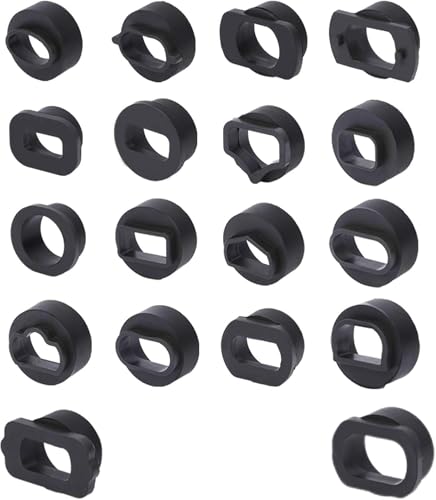
COMPLETE SET: 18-piece walnut blasting adapter kit specifically designed for HTS558 system for comprehensive carbon cleaning needs
The Role of Carbon Buildup in Engines
Carbon buildup is a common issue in internal combustion engines, particularly those that use direct injection technology. Over time, fuel residues and oil vapors condense on the intake valves and ports, forming a hard layer of carbon that significantly hampers engine efficiency. This carbon layer can lead to a reduction in air flow to the combustion chamber, negatively affecting the engine’s power and fuel economy. Moreover, it can also lead to uneven engine idling, reduced throttle response, and an overall decline in vehicle performance. The reason carbon buildup is more pronounced in direct injection engines is that they lack the cleaning action of fuel washing over the intake valves, which is present in port injection systems.
Symptoms Indicating the Need for Walnut Blasting
Several telling signs might hint it’s time to consider walnut blasting for your vehicle. One of the first symptoms is a noticeable loss of power, which could be gradual enough that it’s hard to detect initially. Engine misfire, not specific to one cylinder, can also indicate carbon buildup across multiple intake valves. Another common symptom includes random engine misfires, leading to rough idling and a decrease in acceleration. Additionally, if you notice any check engine light codes, especially ones like P0300 (random/multiple cylinder misfire detected), P0301, or P0302, pointing to misfires in specific cylinders, it might be a sign that carbon buildup is interfering with normal engine operation.
By opting for walnut blasting, we’re choosing a gentle yet effective method to restore your engine’s cleanliness and efficiency. It’s fascinating how, with the right approach, such as walnut blasting, we can tackle these carbon deposits head-on, ensuring that your vehicle continues to run smoothly and efficiently.
The Benefits of Walnut Blasting
Following our exploration into what walnut blasting is and its crucial role in maintaining direct injection engines, let’s dive into the notable benefits this cleaning method offers.
Recommended Products

This Media Blasting Gun is made of alloy, It's built to last and is very reliable. The handheld grip is designed to be comfortable, lightweight, and easy to carry.

【Powerful 1200w Output & Non-Destructive Cleaning】The walnut blaster uses a 1200W motor, which is specially used to remove carbon deposits on the intake manifold, intake valve and exhaust valve. It will not cause any wear and tear on the car interior, will not damage the electronic components in the car, and will not affect the process accuracy of the cleaning part.

【1400W High-Power Motor】The AUTOOL HTS518 is equipped with a 1400W high-performance motor, offering a significant power boost compared to standard cleaning machines. Whether it’s high-speed spraying of walnut shells or the powerful recovery of carbon deposits, it delivers consistent and stable power output to ensure a smooth and efficient cleaning process.
Restoring Engine Performance
One of the key outcomes we’ve seen with walnut blasting is its ability to restore engine performance that’s been compromised due to carbon buildup. By directly spraying crushed walnut shells into the intake manifold and valves, this method effectively breaks up and removes the hardened carbon deposits. These deposits, which result from unburnt fuel and oil, can significantly hinder the efficiency and power of your engine. Once removed, drivers often report a noticeable increase in engine response and output. This isn’t just about getting your car back to its original state; it’s about ensuring it operates at peak efficiency, ensuring smoother acceleration and idling.
Enhancing Fuel Efficiency
Another significant benefit of walnut blasting is its impact on fuel economy. When carbon deposits accumulate on the valve surfaces and cylinder head, they disrupt the optimal air-fuel mixture, leading to poorer fuel efficiency. By clearing away these carbon deposits, walnut blasting helps in restoring the engine’s ability to breathe better. This, in turn, ensures that fuel is burnt more efficiently, leading to improved fuel economy. Besides saving at the pump, enhancing fuel efficiency also means you’re contributing to lower vehicle emissions, making walnut blasting a choice that benefits both your wallet and the environment.
The Walnut Blasting Process
After revealing the incredible benefits walnut blasting brings to direct injection engines, let’s take a closer look at how the process unfolds.
Recommended Products

Package Included: 3x Car Engine Cleaning Brush.

Proven to clean intake valves on GDI engines and turbo systems

【Deep Removal of Carbon Deposits】HTS558 Intake Valve Cleaner deeply removes highly viscous carbon from intake manifolds and intake and exhaust valves to help keep engines healthy. Solves problems such as erratic idling, inadequate fuel combustion, and increased engine fuel consumption.
Preparing for Walnut Blasting
First things first, preparation is key. Our mechanics begin by meticulously removing the intake manifold. This crucial step exposes the intake valves, where most carbon deposits accumulate, wreaking havoc on engine performance. Before we move on to the actual walnut blasting, we ensure all engine cavities are securely sealed with special tape. This preventative measure protects the engine from any stray walnut shells or debris during the blasting process. It’s this level of attention to detail that makes walnut blasting both effective and safe for your engine.
The Steps of Walnut Blasting
With the engine prepped and ready, we move on to the main event. The walnut blasting process is fascinating in its simplicity and efficiency.
- Initiating Clean Mode: We ensure your car is in a “service” or “clean” mode if necessary. This step is paramount for engines that require the valves to be in specific positions to avoid unwanted walnut shell entry into the combustion chambers.
- Targeted Blasting: Employing a high-tech walnut blasting machine, we carefully direct a powerful stream of crushed walnut shells and compressed air into the intake ports. The natural abrasive quality of the walnut shells perfectly balances effectiveness and gentleness, dislodging hard carbon deposits without damaging the metal intake valves.
- Precision Vacuuming: Immediately after blasting each valve, our team uses a specially designed vacuum to suction out the walnut shells along with the dislodged carbon deposits. This step ensures that no residue remains in the engine, guaranteeing clean and clear intake valves.
- Post-Clean Inspection: Once the blasting is complete, we conduct a thorough inspection of the intake manifold and valves. This ensures all carbon deposits have been removed and that the engine is clean, guaranteeing the restoration of your vehicle’s performance.
This step-by-step process highlights why walnut blasting is so effective at restoring engine performance compromised by carbon buildup. By combining careful preparation with precision blasting and cleanup, we ensure your engine runs smoother, regains lost horsepower, and operates more efficiently.
Alternatives to Walnut Blasting
While walnut blasting has proven to be an effective method for removing carbon buildup, it’s not the only tactic out there. For those who may not have access to walnut blasting equipment or prefer a different approach, we’ve got you covered with a couple of efficient alternatives.
Recommended Products

Fine Grit Walnut Media for Sand Blasting & Tumbling: 18-40 grit (0.42 mm–1 mm) crushed walnut shells clean paint, grease, rust, dirt, and carbon from soft metals, wood, plastic, glass, jewelry, gems, and stone without surface damage.

Natural & Sustainable: Made from 100% crushed walnut shells, this media is biodegradable,precision grit size (60 Mesh): the 0.25 mm fine grit ensures efficient polishing and finishing while preserving substrate integrity.

COARSE 12/20 GRIT FOR BLASTING & CARBON CLEANING – The heavy cutting size for walnut blasters, cabinet blasting and intake valve carbon removal on BMW, VW, Audi and other direct-injection engines. Strips carbon, paint and scale fast without harming aluminum heads.
Manual Scraping and Cleaning
The first alternative involves good old-fashioned elbow grease. Manual scraping and cleaning of the intake valves can be quite effective in removing carbon deposits. This method typically employs tool picks or even something as simple as a zip tie, as demonstrated in various DIY videos. The process requires patience and meticulousness, as each valve must be individually cleaned to ensure all the carbon buildup is scraped away. Though it might not be as quick as walnut blasting, manual scraping allows for thorough inspection and cleaning of each component, ensuring nothing is missed.
Chemical Cleaning Solutions
Another popular alternative is the use of chemical cleaning solutions. Products like LIQUI MOLY Valve Clean are designed to dissolve carbon deposits within the engine’s intake system. The process involves introducing the cleaner directly into the intake where it works to break down the carbon buildup. This method is generally less labor-intensive than manual scraping and can be a good option for maintaining engine cleanliness between more thorough cleanings. However, it’s crucial to select a solution that’s safe for use with your vehicle to prevent any potential damage to engine components or the catalytic converter. Post-treatment, the car should ideally be driven at highway speeds to ensure complete expulsion of loosened deposits through the exhaust system.
Walnut Blasting vs. Other Cleaning Methods
When it comes to revitalizing your car’s engine by removing carbon buildup, several methods are available, but none quite match the efficiency and eco-friendliness of walnut blasting. Let’s explore why walnut blasting stands out compared to other cleaning techniques.
- Eco-friendly Solution: Unlike chemical cleaners that can be harsh on the environment, walnut blasting uses natural, biodegradable media. It’s an environmentally responsible choice that doesn’t compromise on effectiveness.
- Precision Cleaning: Walnut shells are hard enough to remove carbon deposits efficiently but soft enough not to damage the metal surfaces of engine components. This precision ensures thorough cleaning without the risks associated with more abrasive methods.
- Cost-Effective: While it may seem like a specialized procedure, walnut blasting is surprisingly cost-effective when considering the longevity it adds to your vehicle’s engine. Compared to the cumulative costs of chemical treatments or manual scraping, walnut blasting offers a more sustainable financial investment.
- Time-Saving: Manual scraping is labor-intensive and time-consuming. Chemical cleaners can work faster but may not reach all areas effectively. Walnut blasting, on the other hand, cleans thoroughly and quickly, getting your vehicle back on the road sooner.
- Enhanced Engine Performance and Longevity: By removing carbon buildup thoroughly, walnut blasting allows the engine to breathe better and run more smoothly. This not only improves performance but can also extend the life of your engine, making it a valuable maintenance procedure.
By integrating walnut blasting into your vehicle’s maintenance schedule, you’re choosing an efficient, eco-friendly, and effective solution over alternatives that might not deliver the same level of cleanliness and care.
Recommended Products

BERRYMAN 2611 CLEANER – Receive one (1), 16 oz can of Berryman Intake Valve & Combustion Chamber Cleaner with Application Hose Kit (MPN 2611). Professional engine carbon cleaner spray formulated to remove carbon buildup from intake valves and combustion chambers in gasoline engines.

Wide-Ranging Applications Premix and Direct Injection: Designed for air and liquid cooled off-road high-performance 2-Cycle Engines, including JetSkis, it is compatible with Arctic Cat, Bombardier, Can-Am, Honda, INDY, Kawasaki, Kodiak, Polaris, Polaris Switchback, RMK, Rubicon, RUSH, Sea-Doo, Ski-Doo, Suzuki, Titan, Voyageur, Yamaha, and more

[Vehicle Fitment]: Compatible with Ford 2013-2016 Escape L4 1.6L 1.6T C520 FWD/AWD, 2014-2019 Fiesta L4 1.6L 1.6T B299 FWD ST Hatchback, 2013-2014 Fusion L4 1.6L 1.6T EcoBoost CD391 FWD, 2014-2016 Transit Connect L4 1.6L 1.6T selected Titanium V408 FWD Turbo GDI GAS Sport Utility Sedan Hatchback Mini Passenger Van Mini Cargo Van Truck Van GTDI SCTi Sigma SEL SE Titanium ST XL XLT selected Titanium Turbocharged DOHC 2 PIN Terminal
Maintaining Your Engine Post-Walnut Blasting
After discovering what walnut blasting can do for your engine, it’s essential to focus on maintaining that newfound performance. Keeping the engine clean after walnut blasting ensures that your vehicle continues to run smoothly and efficiently.
Recommended Products

PRECISION DETAILED SPOT BLASTING: The extended nozzle design enables targeted access to hard-to-reach areas like intake valves,gaps and groove or some narrow spaces. The feature of concentrating the blast grit to ensuring comprehensive cleaning and minimum waste.

【Engine Deposit Removal Device】The HTS558 walnut blaster specifically engineered as an intake cleaner and engine carbon deposit remover. It efficiently cleans intake manifolds, intake valves, and exhaust valves. It utilizes advanced walnut shell blasting technology to gently remove deep-seated, stubborn carbon deposits without damaging components, thereby restoring engine performance and resolving issues like rough idling and increased fuel consumption
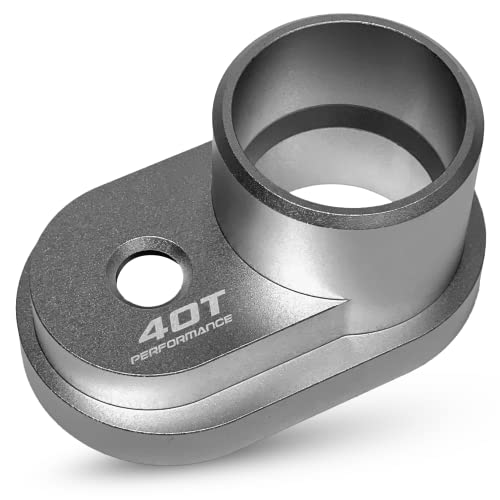
RESTORE YOUR ENGINES PERFORMANCE ON A BUDGET! The notorious carbon buildup on DI and GDI engines' intake ports and valves will affect even airflow and affect performance. This carbon can be cleaned by mechanical removal with the use of this carbon blaster tool! Once cleaned youll enjoy a smoother idle, better mpg and most important more POWER at FULL THROTTLE!
Preventive Measures to Avoid Carbon Buildup
To prevent future carbon buildup and extend the time between walnut blasting treatments, there are several steps you can take. Each of these will help you maintain the engine’s performance and efficiency over time.
- Use High-Quality Fuel: High-quality fuels often contain detergents that help keep carbon deposits to a minimum. Choosing the right gas can make a difference in reducing carbon buildup.
- Regular Oil Changes: Keep up with regular oil changes based on your manufacturer’s recommendation. Clean oil reduces the potential for carbon deposits to form.
- Consider a Catch Can: Installing a catch can in your vehicle can help by catching oil vapors before they can reintroduce carbon into the engine. This is especially useful for turbocharged engines.
- Drive Strategically: Believe it or not, occasionally pushing your engine a little harder can actually help. Higher RPMs can generate enough heat to burn off some of the deposits that would otherwise settle in the engine.
- Stay on Top of Maintenance: Routine checks and maintenance work are key. Things like air filter replacements and fuel system check-ups can significantly reduce the likelihood of carbon buildup.
By following these measures, you can extend the benefits of your last walnut blasting and keep your engine running more efficiently for longer. It helps to incorporate these practices into your regular vehicle maintenance schedule. That way, you’re actively preventing carbon buildup and ensuring that your engine continues to perform at its best.
Conclusion
We’ve explored the wonders of walnut blasting and how it breathes new life into our engines by clearing away stubborn carbon buildup. It’s clear that this eco-friendly method stands out not just for its immediate benefits but also for how it sets the stage for a healthier engine in the long run. By following up with smart maintenance habits like using top-notch fuel, keeping up with oil changes, and a bit more, we can keep our engines running smoothly. Let’s not forget the importance of incorporating these practices regularly to maximize the longevity and performance of our vehicles. Here’s to enjoying a cleaner, more efficient ride!
Recommended Products
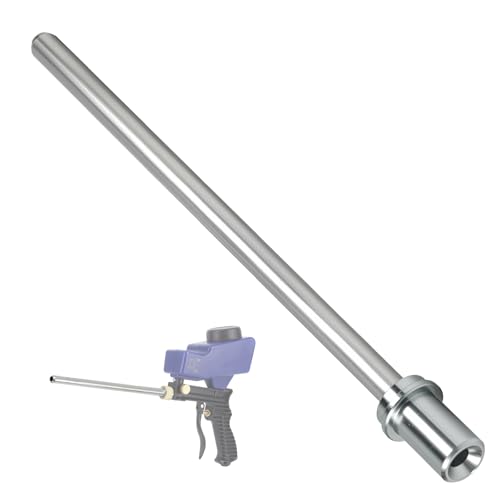
Precision Spot Blasting: The sandblasting nozzle tip adapter is optimized for point and fine blasting with sandblasting guns and soda blasting media, This long nozzle attachment is perfect for targeted carbon removal with walnut blaster kits, soda blasters, and sandblasting guns, ensuring thorough cleaning in tight spaces like engine valves and intricate surfaces
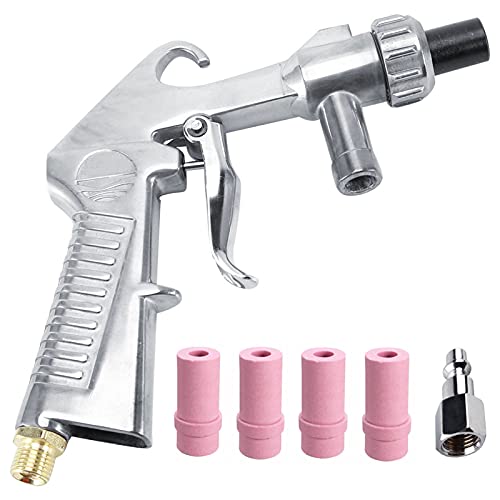
Multi-purpose Designed for ideal efficient sandblasting,air cleaning of parts and surfaces

【Sandblasting Gun】: Our threaded B-type sandblaster gun is made of al alloy through die-casting, which is high quality, serviceable, smooth sandblasting and wear resistance, and also equipped with 1 durable 8mm boron carbide nozzle, making your work more convenient and efficient.