Like checking the fine print on a “miracle” kitchen gadget, I learned the hard way that CarShield’s marketing and its actual coverage are two different animals. After digging through my own policy’s exclusion list, I discovered the gaps between what I assumed was protected and what truly wasn’t.
Here’s what you need to watch for before your transmission gives out and you’re left holding the bill.
Start With Your Policy’s Exclusion List (Not the Marketing)
Where do I actually find out what’s not covered? I flip straight to the exclusions list, not the glossy marketing. That’s where policy terms reveal what’s included vs not included, plain and simple.
Pre-existing damage gets excluded every time. So does wear-and-tear on items like brake pads if you neglect maintenance. I’ve seen external factors, collisions, extreme weather, even road chemicals, void coverage without warning.
California licensing creates its own headaches, limiting certain options I can’t access elsewhere. Plan limitations hide in the fine print: specific parts simply aren’t covered despite what ads imply.
Reading the exclusions list takes ten minutes. It saves me from nasty surprises at the repair shop. Know exactly what voids your deal before you sign.
Recommended Products

No Additional Cost: You pay nothing for repairs – parts, labor, and shipping included.

Premium Impact Extension: 3/8 in. drive 5 in. extension for professional and industrial applications

Premium Impact Wobble Extension: 3/8 in. drive 10 in. wobble extension for professional and industrial applications
Know Wear-and-Tear vs. Mechanical Breakdown Before You Claim
I check my policy’s exclusions list first, but that only tells me half the story. I need to know the difference between wear and tear and mechanical breakdown before I file any claim. Wear and tear covers brake pads, wiper blades, and air filters. These items degrade naturally and sit outside my coverage inclusions. Mechanical breakdown means sudden failure of covered components. That’s where my CarShield plans actually protect me.
I review my policy contract carefully because pre-existing conditions automatically kill my claim eligibility. If damage existed before my coverage started, I’m paying out of pocket. Maintenance neglect also voids protection. Skipping oil changes or ignoring service schedules leaves me exposed. External factors like collisions, fires, or road chemicals create their own exclusions.
I map covered vs non-covered items by cross-referencing my contract documents. Understanding these boundaries keeps me prepared and prevents surprises when I need repairs most.
Recommended Products

No Additional Cost: You pay nothing for repairs – parts, labor, and shipping included.
No Additional Cost: You pay nothing for repairs – parts, labor, and shipping included.
No Additional Cost: You pay nothing for repairs – parts, labor, and shipping included.
Find Dollar Limits and Deductibles Before Repairs Start
How much will you actually pay when your car breaks down? I always check my policy contract first because deductibles vary, and I don’t want surprises at the shop. Your coverage limits matter too. Some repairs cap out, leaving you holding the bill.
I’ve learned the hard way that exclusions hide everywhere. Pre-existing conditions? Not covered. Wear-and-tear items like brake pads? Same story. I scan the full list of inclusions and exclusions before anything goes wrong.
Maintenance neglect voids protection fast, so I keep my receipts. Claims denial stings when you assumed you were safe. Know your numbers, know your boundaries, and you’ll avoid the worst repair shocks.
Recommended Products

Tie rod Includes: 2 x Front Outer Tie Rod End Link.
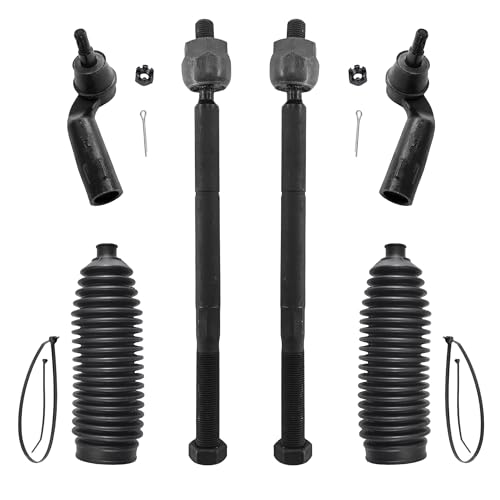
Tie rod Includes: 2 x Front Outer Tie Rod End.2x Front Inner Tie Rod End Driver and Passenger Side.2x Rack and Pinion Boots.
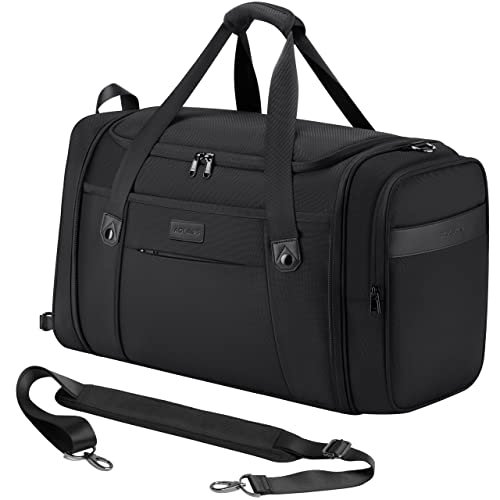
✓ Materials & Parts: Extremely Durable, wear-resistant and water repellent 1680D Ballistic polyester for exterior; Customized 210D polyester lining; Best-in-class YKK zippers & Zinc Metal Hardwares.
Get CarShield Approval Before Any Work Begins
Why guess who’s paying the bill when a simple phone call locks it in? I’ve learned CarShield makes pre-approval required, and skipping this step leaves you holding the bag.
Here’s how I protect myself:
- I call the claims department for prior authorization before any wrench turns.
- I use a network mechanic who knows the drill, familiar paperwork, faster answers.
- I make the shop contact claims directly, so nothing gets lost in translation.
- I confirm a warranty claims adjuster finished coverage determination, green-lighting my payout eligibility.
That approval letter? That’s your shield. Without it, you’re gambling on whether CarShield pays. I’ve seen rebuilds denied over a missed phone call.
The process adds maybe ten minutes. The peace of mind, that’s the real value here.