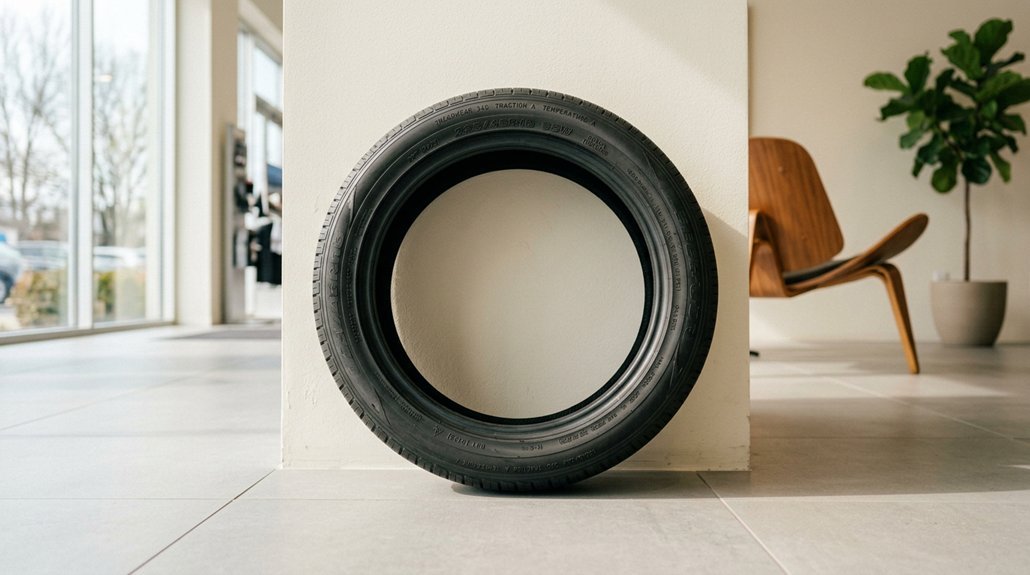
I’ve spent years testing tires on everything from daily commuters to weekend track cars, and I’ll tell you straight: those sidewall numbers aren’t just manufacturer jargon, they’re your roadmap to safety, performance, and value. When I first started decoding 205/55R16 or 95V ratings, I realized most drivers overpay for mismatched rubber or miss critical wear warnings.
That four-digit DOT code? It saved me from buying “new” tires that were actually six years old. The width, aspect ratio, and load index directly affect handling, fuel economy, and stopping distance I’ve measured myself. Here’s what every driver needs to know before their next purchase.
How to Read Tire Sidewall Numbers: The Complete Format Explained
How exactly do you decode that string of numbers and letters stamped on your tire’s sidewall? I’ve spent years squinting at sidewalls, and I’ll walk you through what I’ve learned.
That tire size format breaks down cleanly: tire type, width, aspect ratio, construction, and wheel diameter. Take P205/65R15. The P means passenger vehicle, 205 mm is your width, 65 is the aspect ratio percentage, R confirms radial construction, and 15 inches is your wheel diameter. No letter up front? That’s Euro-metric sizing.
After the size, you’ll spot the load index and speed rating, something like 95H. The 95 handles weight capacity, H caps your speed.
Don’t skip the DOT code either. That date code at the end, say 3323, tells you week 33 of 2023. Fresh rubber matters for grip and longevity.
Recommended Products

Designed for use on sport and performance-oriented coupes and sedans

Product Overview: The Fullway HP108 is a 205/55R16 91V SL-Standard Load, 4 Ply Rated Performance Tire Manufactured For Passengers

ALL-SEASON DEPENDABILITY – Advanced tread compound maintains flexibility across a wide temperature range, delivering reliable traction in dry, wet, and light winter conditions for year-round confidence.
How to Read Tire Width and Aspect Ratio From Sidewall Numbers
Now that I’ve covered the full format, I want to focus on the two numbers that matter most when you’re shopping: width and aspect ratio.
I always start with the tire width measurement, the three-digit number right after the type letter in any P-metric tire size designation. This tire width is measured in millimeters from sidewall to sidewall. In a 215/65R15, that 215 means 215 millimeters across. It’s your baseline for everything else.
Next comes the aspect ratio, that two-digit number after the slash. Here’s where sidewall numbers get practical. A 65 aspect ratio means the sidewall height equals 65% of your tire width, so roughly 140 millimeters in our example.
Higher ratios mean taller sidewalls, softer rides, and more protection. Lower ratios? Sharper handling, stiffer feel. These tire dimensions directly impact how your vehicle performs and feels on the road.
Recommended Products

Covered by Nexen's best-in-class Total Coverage Warranty which includes a 25,000 mile tread wear warranty, Road Hazard for the first 3/32" or 2 years, 36-months of Roadside Assistance, and a 45-day/500-mile Free Trial


HEAVY-DUTY RADIAL CONSTRUCTION: This Maxxis Ceros tire features a 6-ply rated carcass built to withstand extreme UTV abuse while offering superior shock absorption for a smoother ride.
How to Read Tire Construction and Wheel Size on the Sidewall
Where exactly does your tire end and your wheel begin? I find the answer right in the sidewall markings, where construction and wheel diameter complete your tire size designation.
Let me break down what you’re seeing on that tire sidewall:
Width comes first in millimeters, like 205 in P205/65R15. Aspect ratio follows, the 65 meaning height is 65% of width. Construction appears as a letter: R for radial, D for diagonal, or B for belted bias. Wheel diameter finishes the sequence, that 15 meaning 15-inch rim.
I always check that R indicates radial construction, today’s industry standard. The wheel diameter tells me exactly what rim size this tire fits, measured in inches at the bead seat. Together, width, aspect ratio, construction, and wheel diameter give me everything I need to match tires properly.
Recommended Products
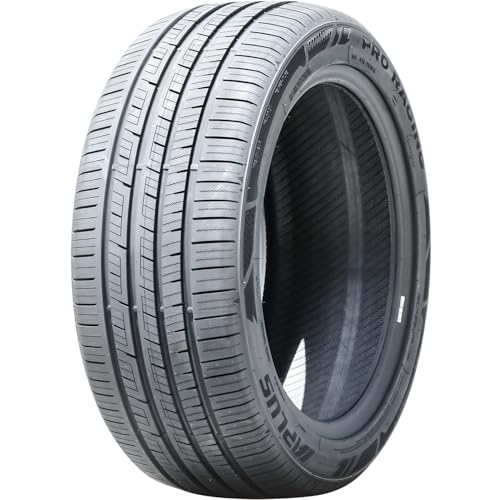
Semi-slick, directional tread pattern ensures maximum dry grip and high-speed stability

Product Overview: The Fullway HP108 are 205/55R16 91V SL-Standard Load, 4 Ply Rated Performance Tires Manufactured For Passengers

Alignment indicator in the shoulder allows drivers to visually check if their car is misaligned to prevent uneven tire wear
How to Read Load Index and Speed Rating From Sidewall Numbers
Why stop at size when there’s more story written on your sidewall? I’m talking about the load index and speed rating, the critical tire rating details that keep you safe and performing at your peak.
Look for a two- or three-digit number, that’s your load index. A 95 means about 1,521 pounds of maximum load per tire when properly inflated. Right after it sits a letter, your speed rating, H hits 130 mph maximum speed, V pushes higher. Together they form a combined description like 95H, telling the complete performance story.
You’ll spot these sidewall numbers after the size code, before the DOT code. Some tires show an F for run-flat construction, a handy backup that trades some comfort for peace of mind.
Match these ratings to your vehicle’s needs, and you’re driving with confidence.
Recommended Products
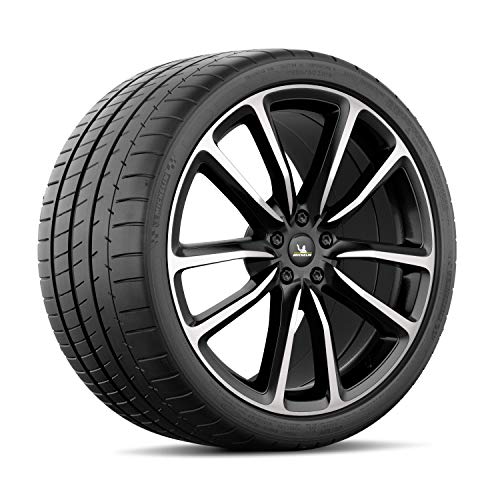
Package Dimensions: 26.6" (L) x 10.9" (W) x 26.6" (H)
Backed by Nexen's Total Coverage Warranty, which includes a tread life warranty, Road Hazard Replacement warranty for 2 years or the first 3/32" of the tire, a 45-day trial period, and 36 Months of Roadside Assistance

Covered by Nexen's best-in-class Total Coverage Warranty which includes 36-months of Roadside Assistance and a 45-day/500-mile Free Trial
How to Read DOT Date Codes and Find Tire Age
I’ve already checked my load index and speed rating, but there’s one more code I need to decode before I’m done reading this sidewall. The DOT date code sits at the end of the Tire Identification Number, and it’s your tire’s birth certificate.
Finding the date code location takes some scanning. Look for “DOT” stamped on the sidewall markings, followed by manufacturer codes. The final four-digit date code reveals everything. 2910 means week 29 of 2010. Pre-2000 tires use three digits with a triangle symbol, but modern tires follow the week/year format.
Here’s what every driver needs to know about tire age:
- The first two digits show the manufacturing week, the last two show the year
- Inspect tires closely at 5 years old
- Watch for cracks or bulges after 6 years
- Replace tires manufactured over 10 years ago regardless of tread
Following tire age guidelines keeps you safe. Tire wear/age safety isn’t negotiable; it’s peace of mind you can verify in seconds.
Recommended Products

MICHELIN DEFENDER2 TIRE—The MICHELIN Defender2 tire is our longest-lasting tire[1] – completely redesigned to offer increased tread life, this all-season tire also delivers stopping power so you can drive with confidence even in bad weather conditions
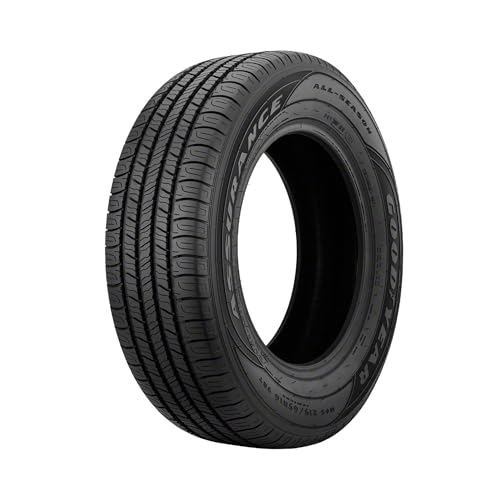
Multiple biting edges; offer great all-season traction is wet, dry conditions and snowy conditions
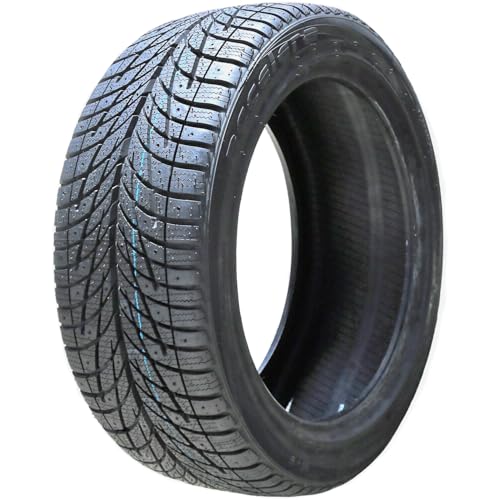
Product Overview: The Accelera X-Grip is a 205/55R16 91H SL-Standard Load, 4 Ply Rated Touring Tire Manufactured For Passengers