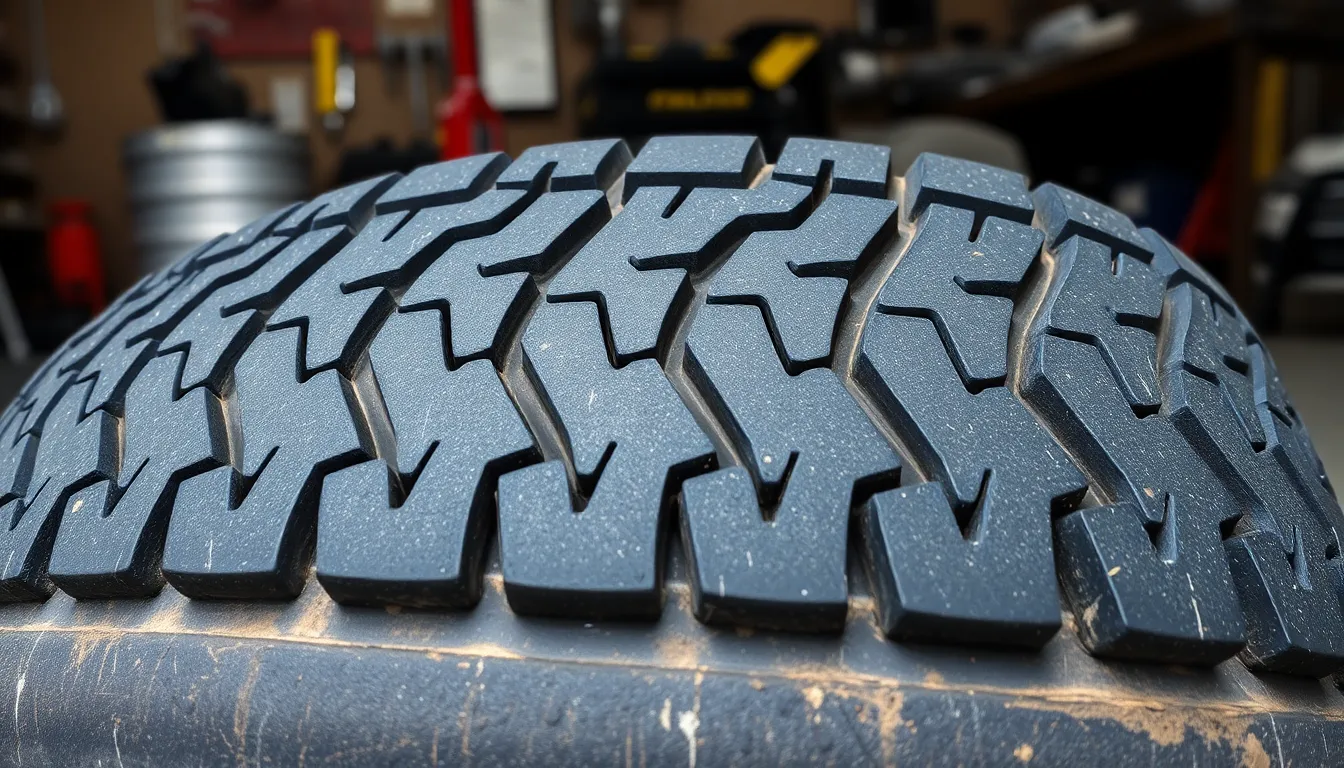
Have you noticed unusual wear patterns on your tires that look like scalloped dips around the tread? This distinctive pattern, known as tire cupping, isn’t just an aesthetic issue—it’s a warning sign that shouldn’t be ignored. Tire cupping can affect your vehicle’s performance, safety, and even your wallet if left unaddressed.
When your tires develop these irregular scalloped patterns, they’re telling you something important about your vehicle’s condition. The causes range from worn suspension components to improper wheel alignment, unbalanced tires, or even poor-quality tires themselves. Understanding what’s behind this unusual wear pattern is the first step toward solving the problem and preventing it from happening again.
Understanding Tire Cupping: What It Is and Why It Matters
Tire cupping manifests as uneven, scalloped depressions that develop around your tire tread. These distinctive dips create a wavy pattern across the tire surface, often accompanied by a thumping noise when driving. Unlike even wear patterns that occur naturally over time, cupped tires show sporadic, bowl-shaped indentations at irregular intervals.
Identifying cupped tires requires a thorough inspection of your tire’s tread surface. Run your hand along the tire to feel for alternating high and low spots—these tactile differences indicate cupping has begun. Visual examination reveals scalloped or scoop-shaped depressions, particularly on the inner or outer edges of the tread.
The significance of tire cupping extends far beyond cosmetic concerns. Cupped tires compromise your vehicle’s handling characteristics, creating a bouncy, unstable ride quality that reduces traction and control. Safety risks increase substantially as cupped tires perform poorly in emergency maneuvers and wet conditions. The uneven contact with the road surface extends braking distances and reduces cornering grip when you need it most.
Financial implications of ignoring tire cupping can be severe. What starts as minor suspension wear often cascades into more extensive damage to steering components, wheel bearings, and alignment systems. Replacing a set of premium tires prematurely due to cupping costs $600-$1,200 on average—expenses that proper maintenance could have prevented.
Common Causes of Tire Cupping
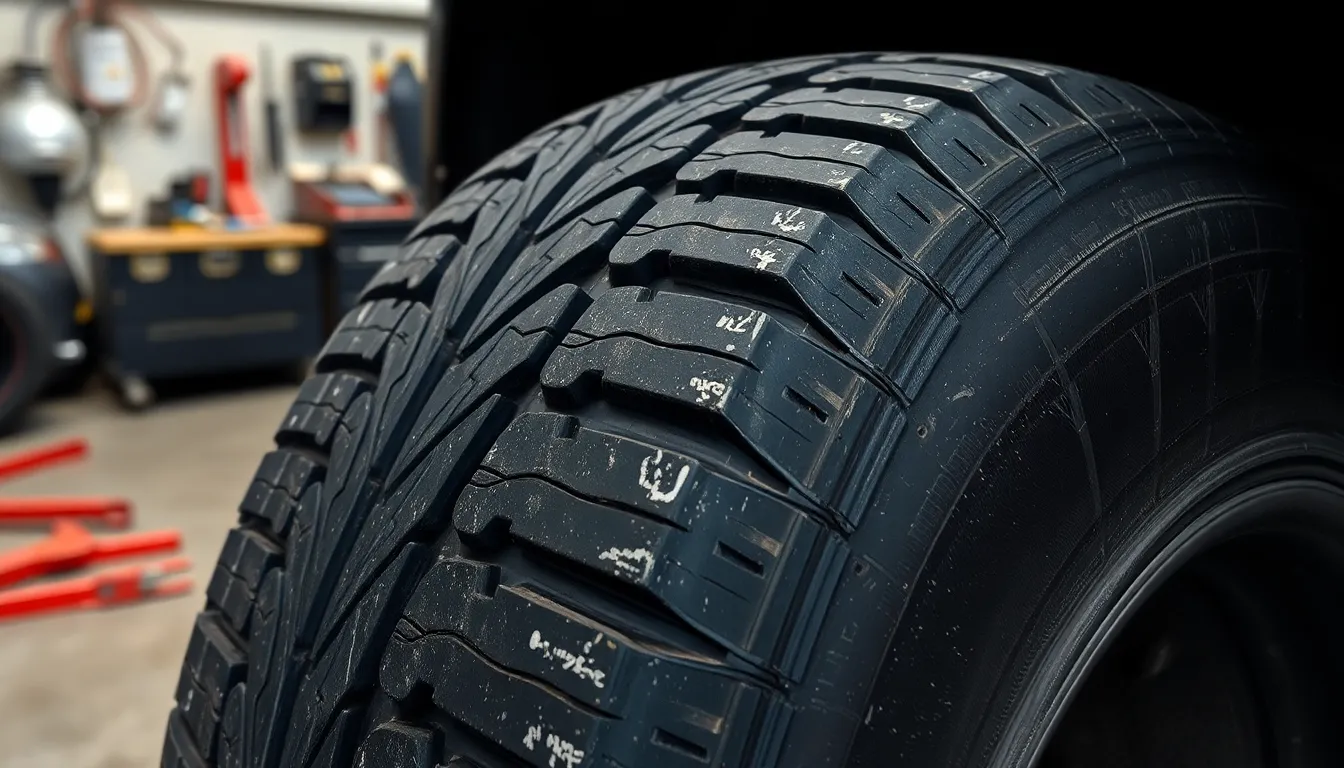
Tire cupping occurs when tires develop uneven, scalloped wear patterns across the tread surface. Four primary factors contribute to this problematic condition, each stemming from issues that prevent tires from maintaining consistent contact with the road.
Suspension Problems
Worn suspension components directly impact how your tires interact with the road surface. When shock absorbers, struts, bushings, ball joints, or springs deteriorate, they fail to absorb road impacts properly, causing your wheels to bounce rather than roll smoothly. This bouncing creates irregular pressure points on the tire tread, forming the characteristic cupped depressions. Shock absorbers typically require replacement every 50,000-60,000 miles, and driving with worn shocks significantly extends braking distances while accelerating tire wear patterns.
Wheel Misalignment
Improper wheel alignment creates uneven stress distribution across your tire tread. When alignment parameters such as camber, caster, and toe aren’t correctly set, tires don’t roll straight and evenly on the road surface. The resulting irregular contact patterns produce distinctive cupping or “sawtooth” wear, particularly along the edges of the tread. Regular alignment checks help prevent this type of damage and extend tire life considerably.
Imbalanced Tires
Unbalanced tire and wheel assemblies distribute weight unevenly around the tire’s circumference. This imbalance forces the tire to strike the road with varying pressure at different points during rotation, creating a repetitive impact pattern. Over time, these impact points wear faster than surrounding areas, forming cup-shaped depressions across the tread surface. Professional tire balancing addresses this issue by ensuring even weight distribution around the entire wheel assembly.
Poor Quality Tires
Lower-quality tires lack the construction integrity needed to maintain consistent road contact under normal driving conditions. Manufacturing inconsistencies in materials or structure cause these tires to flex irregularly and develop uneven wear patterns much faster than premium options. The inferior rubber compounds and internal reinforcement structures found in budget tires make them particularly susceptible to cupping, even when all other vehicle systems function properly.
How to Identify Cupped Tires
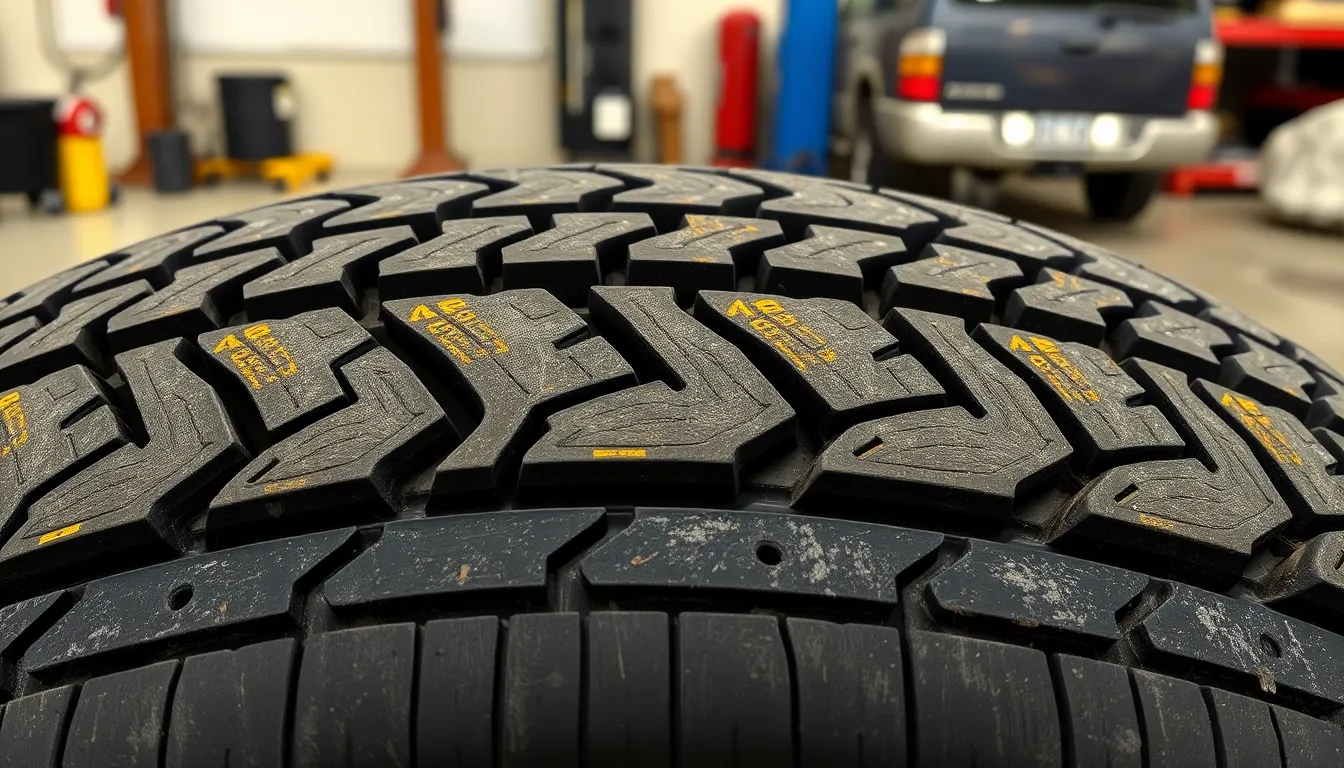
Identifying tire cupping early can save you from costly repairs and unsafe driving conditions. Cupped tires display distinct characteristics that are visible to the eye and noticeable through changes in vehicle performance.
Visual Indicators
Tire cupping creates a distinctive scalloped or wavy pattern around the circumference of your tire’s tread. These dips aren’t uniform but appear as alternating high and low spots that form a rough, uneven texture across the tire surface. Running your hand across the tread reveals noticeable depressions that shouldn’t exist on a properly wearing tire. The pattern typically shows up as scoop-shaped dips that repeat around the tire, making the once-smooth tread surface feel bumpy and irregular.
Performance Changes
Your vehicle’s ride quality drastically changes when tire cupping occurs. A rough or bumpy ride becomes apparent as the uneven tire surface makes contact with the road, causing the tire to bounce rather than roll smoothly. Vibrations may travel through the steering wheel or floorboards, becoming more pronounced at certain speeds. The handling of your vehicle feels less responsive or stable due to the improper tire-road contact resulting from suspension issues. Unusual road noise often accompanies cupped tires, manifesting as a rhythmic thumping sound that increases with vehicle speed. These performance issues typically worsen over time as the cupping becomes more severe.
Prevention Strategies for Tire Cupping
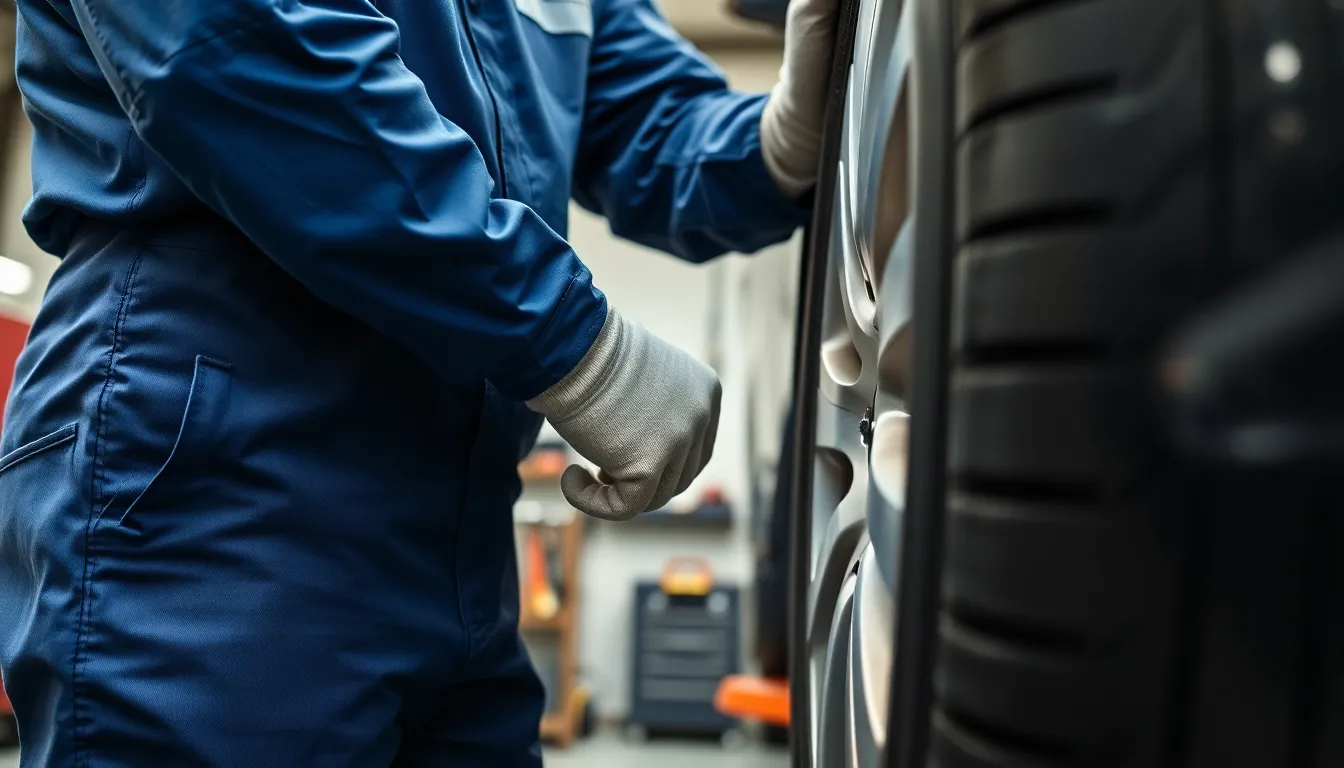
Preventing tire cupping requires a proactive approach to vehicle maintenance and care. Implementing these strategies can significantly extend tire life and maintain optimal driving performance.
Regular Maintenance Tips
Regular tire maintenance forms the foundation of cupping prevention. Rotate your tires every 5,000 miles to ensure even wear across all tread surfaces. Monthly tire pressure checks help maintain proper inflation levels, as both overinflation and underinflation contribute to irregular wear patterns leading to cupping. Avoid overloading your vehicle beyond its recommended capacity, as excessive weight puts undue stress on tires, causing deformation and heat buildup that accelerates cupping, particularly on rear tires. Investing in quality tires with good warranties proves more economical in the long run, as cheaper tires often feature inferior construction that makes them susceptible to premature cupping and other wear issues.
Professional Inspections
Professional inspections play a crucial role in preventing tire cupping through early detection. Mechanics can identify worn suspension components before they cause important damage to your tires. Regular wheel alignments ensure proper camber, caster, and toe settings, preventing uneven tire-road contact that leads to cupping patterns. Tire balancing services eliminate vibrations that contribute to uneven tread wear and should be performed whenever you notice unusual vibrations or after purchasing new tires. These professional services might seem like an added expense, but they’re considerably more affordable than replacing prematurely worn tires and damaged suspension components. Periodic inspections every 10,000-15,000 miles create opportunities to catch minor issues before they develop into severe tire cupping problems.
How to Fix Cupped Tires
Replace Worn Suspension Components
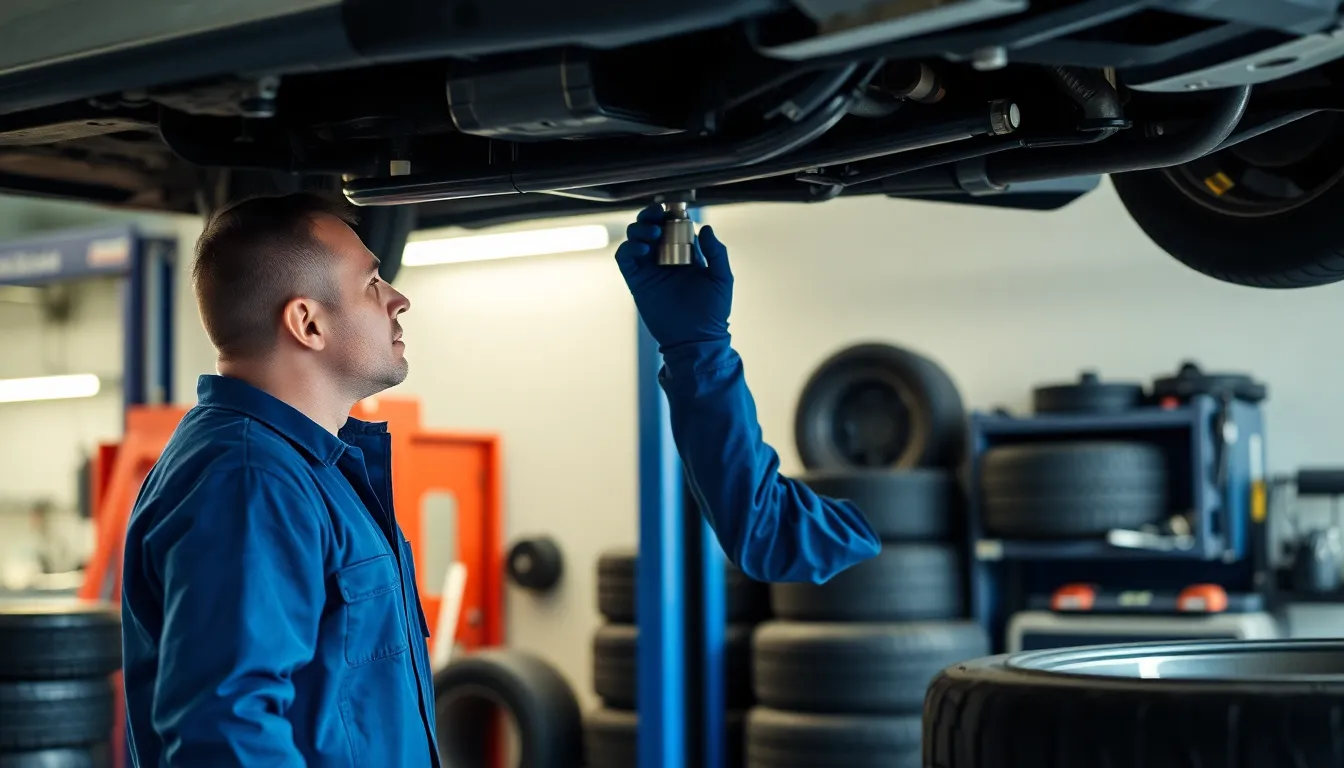
Replacing worn suspension parts restores proper tire-to-road contact, effectively addressing one of the primary causes of tire cupping. Shock absorbers and struts that have deteriorated can’t control wheel bounce, leading to uneven tire wear patterns. These critical components typically require replacement every 50,000-60,000 miles for shocks and 60,000-90,000 miles for struts. Bushings, ball joints, and springs that have become loose or damaged also contribute to irregular tire movement. Professional mechanics can diagnose these issues during a comprehensive suspension inspection, identifying which components need replacement to eliminate the bouncing that causes cupping.
Balance Your Tires
Tire balancing corrects weight distribution issues that create uneven wear patterns and cupping. Improperly balanced tires cause certain sections of the tread to hit the road with greater force during rotation, gradually forming cup-shaped depressions. Professional tire shops use specialized equipment to add small weights to the wheel, ensuring even distribution of weight around the entire tire. This procedure should be performed whenever you notice unusual vibrations while driving or after tire replacement. Regular balancing costs significantly less than replacing cupped tires and helps maintain even tread wear across all four tires.
Get a Wheel Alignment
Wheel alignment services correct the angles at which your tires contact the road, preventing the uneven wear that leads to cupping. Misalignment in camber, caster, or toe angles forces tires to rub unevenly against the pavement, creating distinctive scalloped wear patterns. Professional alignment adjusts these angles to manufacturer specifications, ensuring that tires roll straight and make even contact with the road surface. Scheduling an alignment after hitting potholes, curbs, or when you notice your vehicle pulling to one side helps prevent cupping from developing or worsening. Proper alignment not only addresses tire cupping but also improves handling and fuel efficiency.
Maintain Proper Tire Pressure
Checking tire pressure monthly helps prevent the uneven wear that contributes to tire cupping. Under-inflated tires flex excessively, creating inconsistent road contact that leads to irregular tread wear patterns. Over-inflated tires have reduced contact patches, causing certain areas to bear more weight than others. Following manufacturer-recommended pressure levels listed in your vehicle’s owner manual or door jamb sticker ensures optimal tire performance. Tire pressure monitoring becomes particularly important during seasonal temperature changes when pressure fluctuates naturally. Digital pressure gauges provide the most accurate readings for maintaining the precise pressure needed to prevent cupping.
Rotate Tires Regularly
Rotating your tires approximately every 5,000 miles distributes wear evenly across all tires, reducing the risk of cupping. Different positions on your vehicle create unique wear patterns on each tire. Front tires typically experience more stress from turning and braking, while rear tires face different forces. Professional rotation follows exact patterns based on your vehicle’s drive type (front-wheel, rear-wheel, or all-wheel drive). This preventative maintenance practice extends tire life significantly and helps identify alignment or suspension issues before they cause severe cupping. Many auto shops offer free rotations when you purchase tires from them, making this maintenance step both economical and beneficial.
Choose Quality Tires
Investing in high-quality tires reduces susceptibility to cupping through improved construction and materials. Premium tires feature more consistent rubber compounds and reinforced internal structures that maintain even road contact. These tires resist deformation under stress and distribute weight more effectively than budget alternatives. Quality tires also typically come with better warranties and longer tread life, providing greater value even though higher initial costs. Consulting with a tire professional about options specifically designed for your vehicle and driving conditions ensures you select tires that resist cupping and other irregular wear patterns.
The Cost of Ignoring Tire Cupping
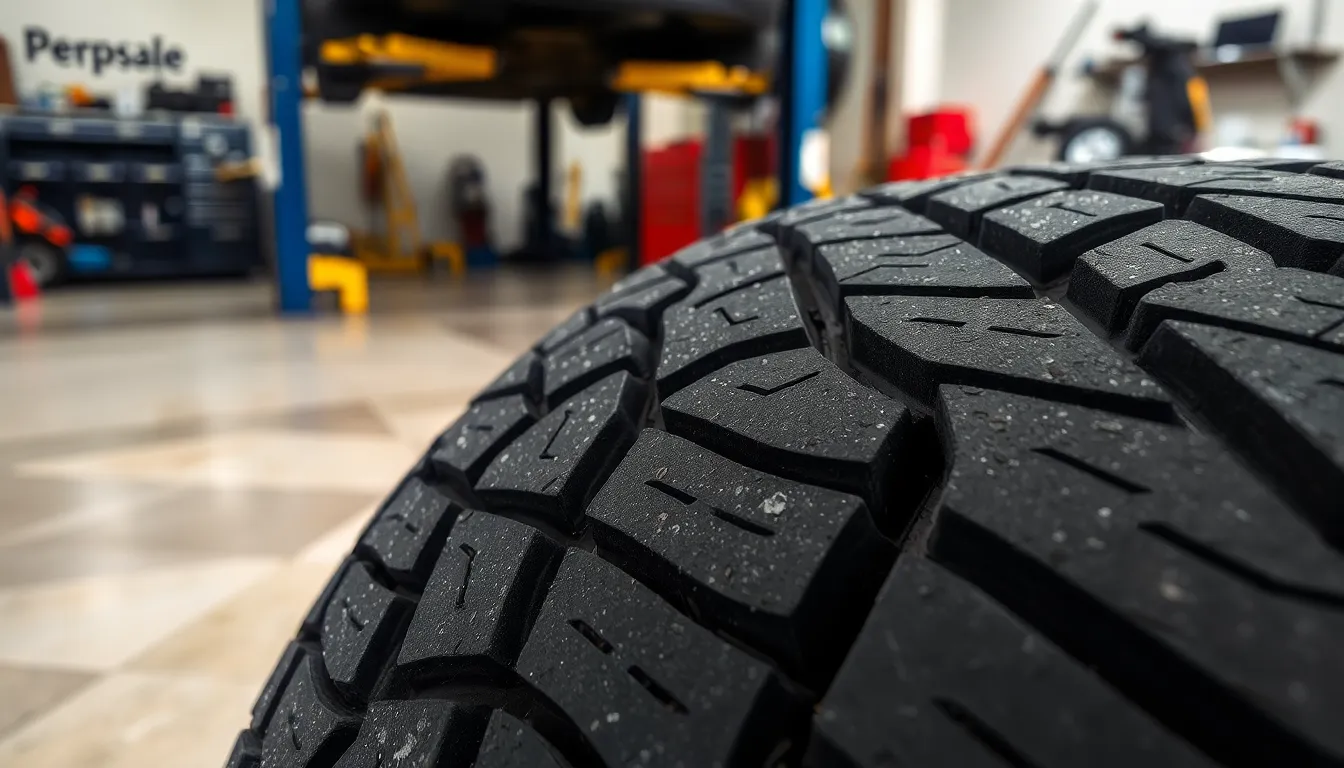
Ignoring tire cupping leads to important financial consequences beyond just replacing your tires. Premature tire replacement due to cupping costs between $600-$1,200 for a complete set, depending on your vehicle and tire quality. This expense occurs much earlier than the expected lifespan of properly maintained tires.
Fuel efficiency decreases substantially with cupped tires, adding 5-10% to your regular fuel expenses. The uneven tread pattern creates additional rolling resistance, forcing your engine to work harder and consume more fuel during normal driving conditions.
Safety risks represent the most critical cost of neglected tire cupping. Cupped tires reduce traction by up to 30%, especially on wet roads, increasing your stopping distance and compromising handling. This traction loss creates dangerous driving conditions that can’t be measured in purely financial terms.
Vehicle components suffer accelerated wear when tire cupping remains unaddressed. Your suspension system absorbs extra vibrations and stresses, potentially leading to premature failure of:
- Shock absorbers ($80-$150 each)
- Struts ($450-$900 per pair)
- Wheel bearings ($300-$500 per wheel)
- Alignment components ($200-$400)
Addressing tire cupping early prevents these cascading repair costs, saving you hundreds or even thousands of dollars in avoidable expenses. Regular maintenance checks help identify cupping before it progresses to severe stages, preserving both your vehicle’s performance and your budget.
Conclusion
Tire cupping isn’t just an aesthetic issue but a warning sign that demands attention. By understanding its causes—from worn suspension components to improper alignment and poor-quality tires—you can take preventive action before important damage occurs.
Regular maintenance including tire rotation wheel alignment and suspension checks are your best defense against this costly problem. Remember that addressing cupping early saves you money not just on tire replacement but also on fuel costs and prevents potential damage to other vehicle components.
Protecting your tires means protecting your safety on the road. With proper attention to these maintenance basics you’ll enjoy longer-lasting tires better handling and a smoother more efficient driving experience.
Frequently Asked Questions
What is tire cupping?
Tire cupping is a distinctive wear pattern characterized by scalloped dips or bowl-shaped depressions around the tire tread. It’s not just a cosmetic issue but a warning sign that can affect your vehicle’s performance and safety. These uneven, wavy patterns across the tire surface often create a thumping noise while driving.
What causes tire cupping?
Tire cupping is primarily caused by four factors: worn suspension components (causing tires to bounce), improper wheel alignment (creating uneven stress distribution), unbalanced tires (leading to varying pressure impacts), and poor-quality tires (which have manufacturing inconsistencies). Regular maintenance checks can prevent these issues from developing.
How can I identify if my tires are cupped?
Look for scalloped or wavy patterns around the tire tread with noticeable depressions that disrupt the smooth surface. You may also experience performance changes like a rougher ride, increased vibrations, and unusual road noise that worsens over time. Running your hand over the tire tread can help you feel the alternating high and low spots.
Can cupped tires be repaired?
In most cases, severely cupped tires need replacement rather than repair. However, you can address the underlying causes by replacing worn suspension components, balancing tires, getting a wheel alignment, maintaining proper tire pressure, and investing in high-quality tires. Early detection can sometimes save tires before cupping becomes severe.
How often should I rotate my tires to prevent cupping?
Rotate your tires every 5,000 miles (or according to your vehicle manufacturer’s recommendations) to ensure even wear across all tires. This regular maintenance practice is one of the most effective ways to prevent tire cupping and extend the life of your tires.
How much does it cost to fix tire cupping issues?
The cost varies depending on the underlying cause. Tire replacement typically ranges from $600-$1,200 for a full set. Alignment services cost $75-$200, while suspension repairs can range from $200-$1,500 depending on components needed. Addressing issues early is more economical than waiting until damage is severe.
Does tire cupping affect fuel efficiency?
Yes, cupped tires can increase fuel consumption by 5-10% due to increased rolling resistance and poor contact with the road surface. The uneven tread pattern creates more friction, forcing your engine to work harder and use more fuel to maintain the same speed.
Are cupped tires dangerous to drive on?
Yes, cupped tires pose significant safety risks. They can reduce traction by up to 30%, especially on wet roads, increasing stopping distances and compromising handling. This diminished grip makes your vehicle more susceptible to hydroplaning and reduces overall control, particularly in emergency maneuvers.