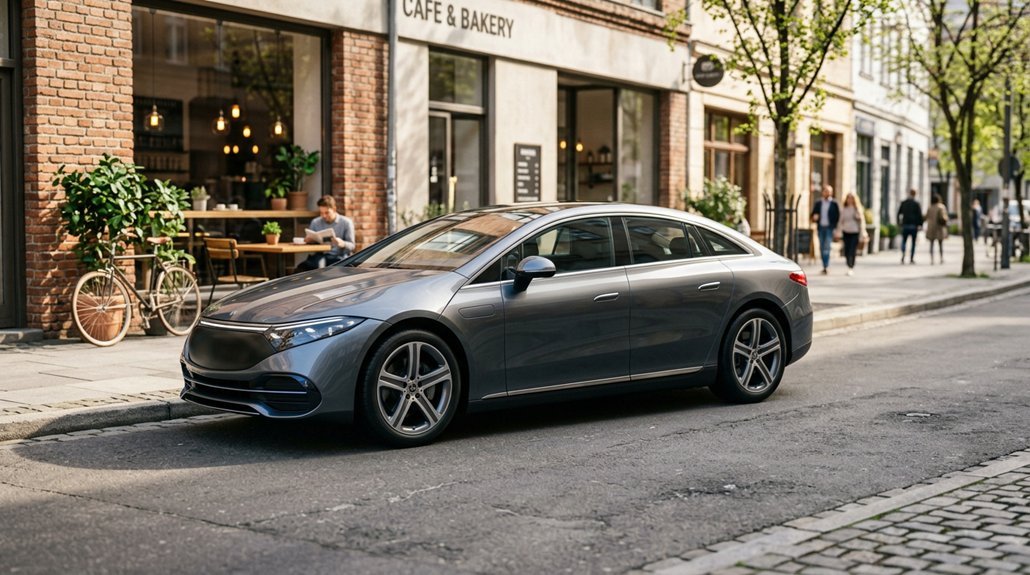
The electric vehicle landscape is a buffet of options, not a single dish. I’ve test-driven BEVs that sip electrons for 300+ miles, PHEVs that guard your gas tank for 20–40 miles first, and FCEVs hunting for hydrogen stations like needles in haystacks. Your daily miles and charging access matter more than badge prestige.
EV Types at a Glance: From Fully Electric to Mild Hybrid
How do you cut through the noise when every automaker slaps an “e” on their badge? I’ve tested them all, and here’s what actually matters.
BEVs run purely on electricity, with a battery pack you charge through charging infrastructure. PHEVs give you 20–40 miles of electric range before the gas engine kicks in; they’re practical if you can’t commit fully. FCEVs use fuel cells and compressed hydrogen, no plugging required, though stations remain scarce. HEVs blend gas and electric power without external charging, often under $25,000. MHEVs add a 48V boost for efficiency but never drive on electricity alone.
Each electric vehicles category serves different needs. Your driving patterns, access to charging infrastructure, and budget determine which fits your life.
Recommended Products

Suit: Universal three pin charging socket compatible with standard e bike, e-scooter, and electric vehicle battery chargers

【Compatibility】Support all Best Choice Products 12V round hole charging port Kids Electric Ride On Car, 12V Battery Charger for Children Ride On Toys Jeep Kid Trax Dynacraft Kids Jeep Car Mercedes-Benz Truck Audi Range Rove BMW I8 Kidzone Bumper Car Charger

Go Fully Electric: How BEVs Work and Where They Fit
What’s the actual experience of living with a battery electric vehicle day to day? I charge my BEV overnight using Level 2 charging at home, and I wake up to a full tank every morning. No gas stations, no oil changes, just electric motors and rechargeable battery packs doing the work.
Here’s what I’ve learned about all-electric vehicles:
- Most modern BEVs provide 300+ miles per charge, with external charging taking 30–45 minutes via DC fast charging on road trips
- You’ll find 90% fewer moving parts than gas cars, so maintenance costs drop dramatically
- The market today has solid choices from $30K–$80K, including Tesla Model Y, VW ID.4, and Nissan Leaf
- BEV adoption keeps climbing as cities add charging infrastructure
- Home Level 2 charging remains the sweet spot for daily convenience
Recommended Products

⚡ Fast, Flexible Charging You Control- Equipped with a NEMA 14-50 plug and adjustable current (10A to 40A), the EVDANCE EV Charger gives you total control over your charging speed. Whether you're topping off at work or doing an overnight charge at home, simply tap the control button to select your ideal amperage. It’s precision charging, made easy NOTE: It is necessary to use a J1772 to Tesla adapter(not including) when charging your Tesla vehicles

WORKS WITH EVERY NON-TESLA EV: Standard J1772 connector plugs straight into Ford, Chevrolet, Hyundai, Kia, Nissan, BMW, Volkswagen, Audi, Rivian, Lucid and every other EV or plug-in hybrid sold with a J1772 port - no adapter needed. Tesla drivers can charge too, using the J1772 adapter that comes with the car.

[Up to 9x Faster Charging Speed]: Provides up to 46 miles/hour charging speed via hardwired connection (48 amp - up to 9x faster than a standard wall outlet) or up to 38 miles/hour via the NEMA 14-50 plug (40 amp). Professional installation recommended for optimal safety and performance. [Install The Power Outlet Cord]: No smaller than 8AWG if charge 40-48A, we suggest 6AWG cord.(1.The input side is belongs to the electrician electric automobile regulation scope, need to use three 6AWG cable wires for 48A; 2.The charging cable belongs to the automotive connector certification standard, so the 8AWG cable can meet the 48A.)
Keep Your Gas Engine: PHEVs for Flexible Driving
Why compromise when you can have both? Plug-in Hybrids give you exactly that flexibility. I’ve tested PHEVs extensively, and here’s what you need to know: they combine external charging with a gasoline backup you can count on.
With typical battery capacity of 10–15 kWh, you’ll get 20–50 miles of clean EV mode driving, enough for most daily commutes. When that runs out, the internal combustion engine starts up without any interruption. No range anxiety, ever.
Charging stays simple: Level 1 charging works overnight from any outlet, or Level 2 charging gets you back on the road in about two hours. Skip DC fast chargers; PHEVs don’t use them.
Real-world impact? You’ll cut fuel consumption 14–47 percent versus conventional cars. It’s practical, proven technology for drivers who want electric benefits without gambling on infrastructure.
Recommended Products

NACS TO CCS1 SUPERCHARGER ADAPTER: Charge compatible CCS1 electric vehicles at Tesla NACS Supercharger stations using this high-performance LENZ adapter. Optimized for fast, reliable DC charging on approved non-Tesla EVs.

NOTE: Verify Compatibility Before Purchase -PLEASE CONFIRM your CCS electric vehicle manufacturer has enabled access to the respective charging network for Tesla Supercharger Protocol(Check Automaker for Compatibility)

【High-Efficiency Charging with Versatile Compatibility】 Experience seamless charging with the JESSINIE PD65W Fast Charging Module, compatible with a wide range of devices through its Type-C interface. Its advanced technology supports multiple charging protocols like QC3.0 and PD3.1, ensuring efficient power delivery up to 65W. Perfect for all your fast-charging needs.
Match Your Life: Picking Between BEV, PHEV, and Beyond
PHEVs aren’t the only option, and I’ve spent enough time behind the wheel of every electric type to know the differences matter.
Here’s how the options stack up for real drivers like us:
- BEV: Battery packs provide 300 miles of range, 90% fewer parts, and charging through Level 2 charging at home or DC Fast Charging on road trips
- PHEV: 20–40 electric miles before gas kicks in, no DC Fast Charging, perfect if EV charging infrastructure scares you
- Hydrogen fuel cell: 300 miles per tank, zero emissions, but you’ll hunt for stations
Charging reality: Home Level 2 charging fills your BEV overnight. DC Fast Charging adds 200 miles in 30 minutes.
The price: BEVs run $30,000–$80,000, PHEVs split the difference, hydrogen trails in availability.
Match your range needs to your zip code’s charging infrastructure.
Recommended Products

Flex Level 1 EV Charger - The EVDANCE Level 1 electric car charger is compatible with J1772 electric vehicles and plug-in hybrid vehicles (North American Standard). *Tesla requires a SAE J1772 adapter.

【Efficient Charging】VDLPOWERVP level 2/level 1 EV charger is equipped with NEMA 6-20 Plug(220V/240V), it offers 16A current and up 3.5kW output. Two charging options, low current charging can effectively reduce battery wear and prolong service life. Choosing to connect the conversion line for charging can realize a full day's commute mileage in one night.
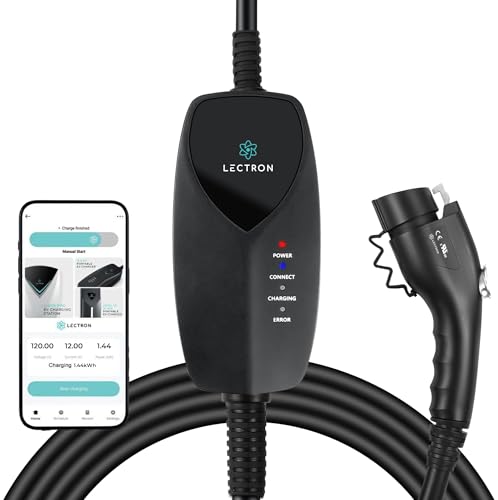
SMART WIFI & APP CONTROL - This portable Wifi-enabled EV charger allows you to keep tabs on your charging status in real-time, schedule your charging sessions, and even control how many kWh you want to charge your EV via the Lectron App