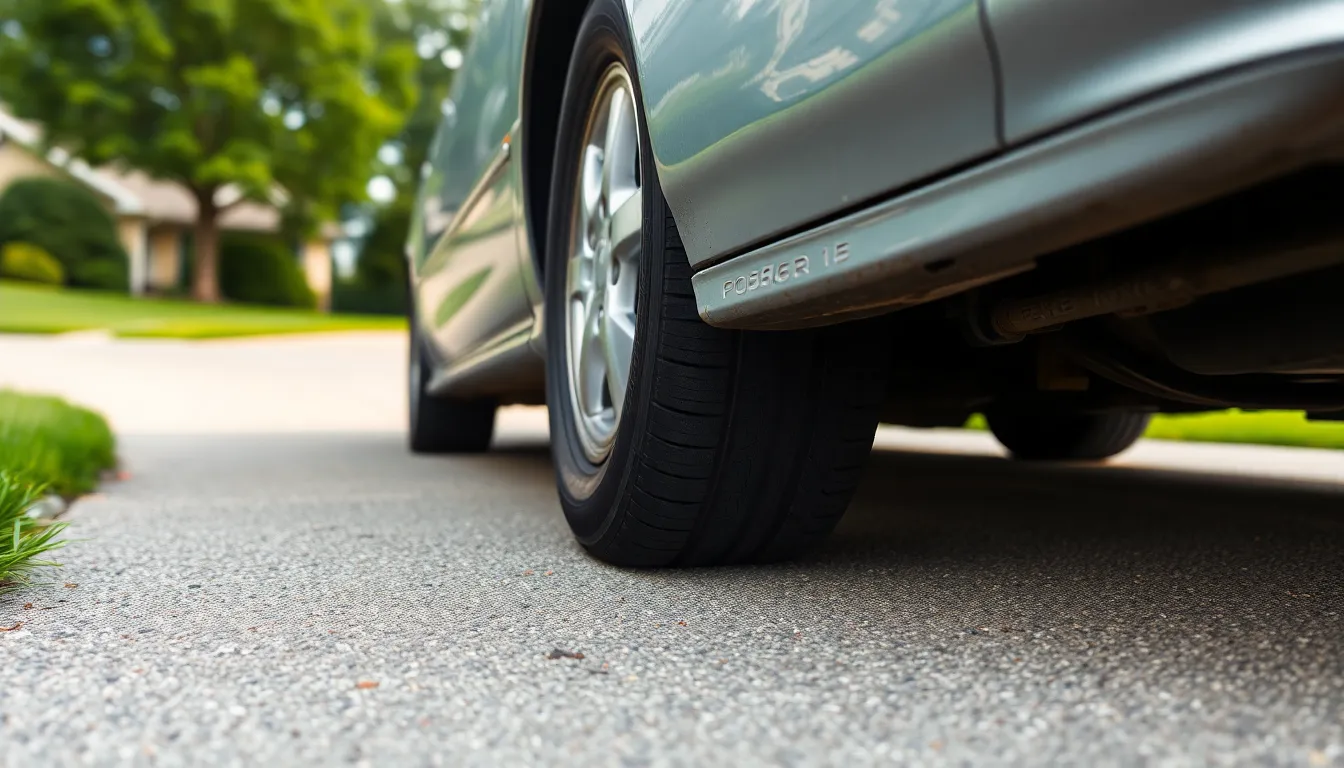
Looking for the correct Toyota Camry 2000 tire size? Choosing the right tires for your Camry isn’t just about fit—it’s about safety, performance, and fuel efficiency.
The 2000 Toyota Camry came equipped with exact tire sizes depending on the trim level. Whether you’re replacing worn tires or upgrading for better performance, knowing your vehicle’s exact specifications is crucial. Most 2000 Camry models used P205/65R15 tires as standard, while some higher-end versions featured P205/60R16 sizes. Understanding these specifications will help you make informed decisions when it’s time for new rubber.
Understanding Toyota Camry 2000 Tyre Specifications
Toyota Camry 2000 tire specifications consist of a combination of numbers and letters that reveal critical information about your tires. Each part of the tire code serves a exact purpose in identifying the exact dimensions and capabilities of your vehicle’s tires.
Decoding Tire Size Markings
Tire size markings on your Toyota Camry 2000 follow a standard format that’s easy to interpret once you know what to look for. The “P” prefix indicates a passenger vehicle tire, while “205” represents the tire width in millimeters. Following that, “65” or “60” shows the aspect ratio (the percentage relationship between height and width), and “R” signifies radial construction. Finally, “15” or “16” tells you the wheel diameter in inches.
Load and Speed Ratings
Load ratings on Toyota Camry 2000 tires indicate how much weight each tire can safely carry. Most Camry 2000 models use tires with load indexes between 89-95, supporting approximately 1,279-1,521 pounds per tire. Speed ratings, typically “S” (112 mph) or “T” (118 mph) for the Camry 2000, reveal the maximum sustainable speed of the tire under optimal conditions.
Seasonal and Performance Designations
Toyota Camry 2000 tires come with different seasonal designations depending on your driving needs. All-season tires, marked with “M+S” (mud and snow), provide balanced performance year-round in moderate climates. Summer tires deliver enhanced grip and handling in warm weather but perform poorly in cold or wet conditions. Winter tires, identified by the mountain/snowflake symbol, offer superior traction on snow and ice but wear quickly in warm temperatures.
Maintenance Indicators
Treadwear indicators on your Camry 2000 tires appear as raised bars within the tire grooves. These bars become visible when your tread depth reaches 2/32 of an inch, signaling it’s time for replacement. Additional markings like DOT codes reveal manufacturing information, including the week and year the tire was produced – an important factor since tires older than six years require replacement regardless of tread condition.
Factory Standard Tyre Sizes for the 2000 Camry
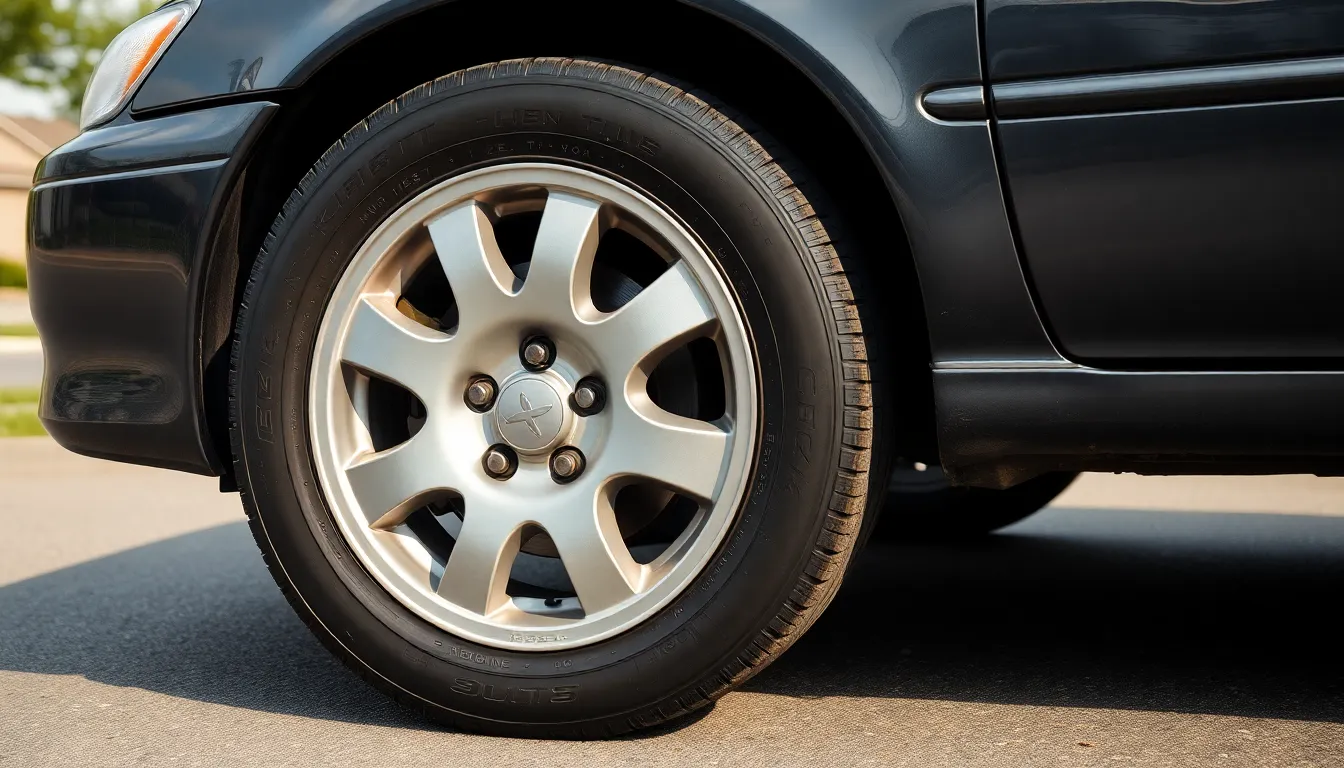
Toyota equipped the 2000 Camry with exact tyre sizes based on trim level and engine configuration. These factory specifications ensure optimal performance, handling, and fuel efficiency for each model variant.
Base Model Tyre Specifications
The 2000 Toyota Camry CE base model comes standard with 195/70R14 tyres. This specification provides an excellent balance of comfort and economy for daily driving. CE models equipped with the V6 engine receive a slight upgrade to 205/65R15 tyres, offering improved stability and handling to complement the additional power. These base model specifications maintain Toyota’s commitment to reliability while keeping replacement costs reasonable for owners.
LE and XLE Trim Tyre Sizes
The LE (Luxury Edition) trim level of the 2000 Camry features 205/65R15 tyres as standard equipment for both 4-cylinder and V6 engine configurations. This mid-range tyre size delivers enhanced comfort and road noise reduction compared to the base model’s smaller tyres. The premium XLE trim maintains the 205/65R15 specification for 4-cylinder models, while the XLE V6 receives an upgrade to 205/60R16 tyres. The larger 16-inch wheel diameter on the XLE V6 provides improved cornering ability and a more refined driving experience suited to this top-tier model’s luxury positioning.
| Model / Trim | Standard Tyre Size |
|---|---|
| CE (base) | 195/70R14 |
| CE V6 | 205/65R15 |
| LE | 205/65R15 |
| LE V6 | 205/65R15 |
| XLE (4-cylinder) | 205/65R15 |
| XLE V6 | 205/60R16 |
Optimal Replacement Tyre Options
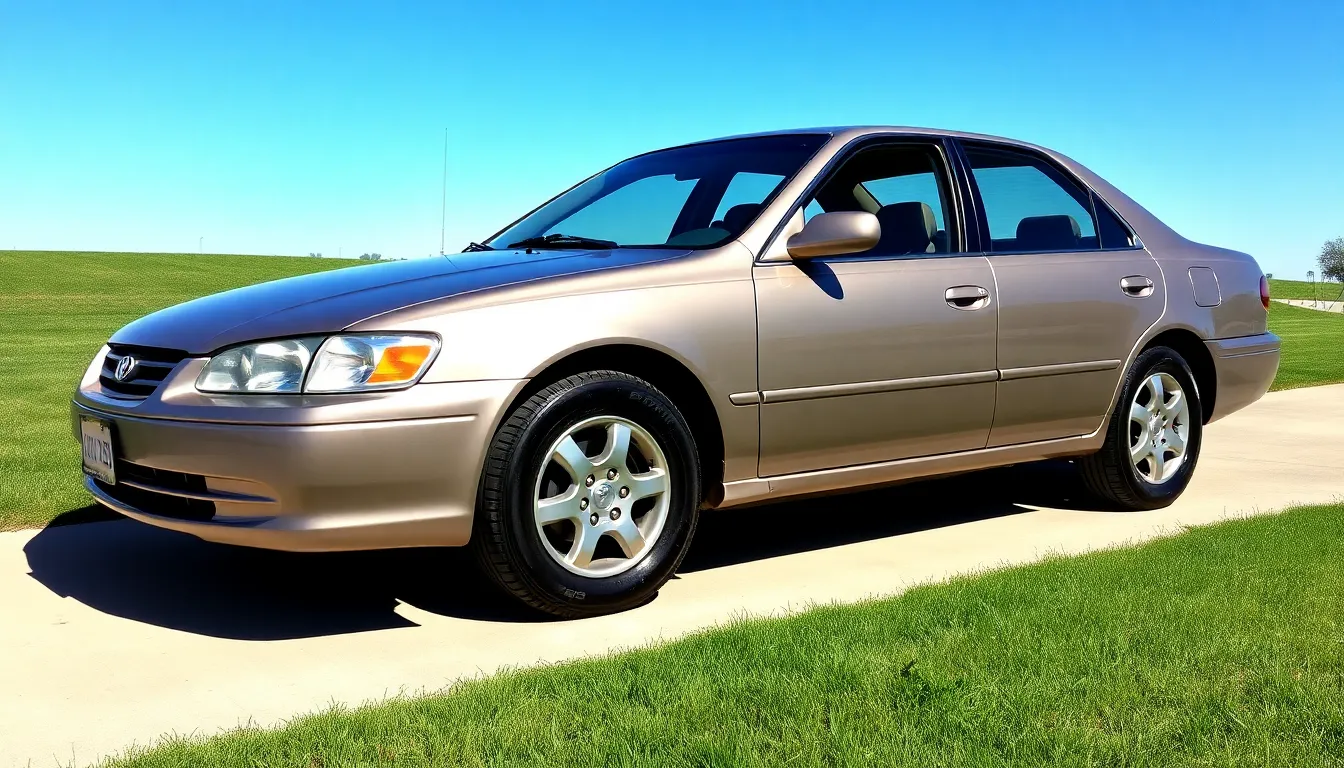
When replacing tires on your 2000 Toyota Camry, matching the factory specifications ensures optimal performance and safety. For the LE and XLE 4-cylinder trims, 205/65R15 tires maintain the original handling characteristics, while XLE V6 models should use 205/60R16 tires to preserve the intended performance balance.
Budget-Friendly Alternatives
Budget tires for the 2000 Camry start around $31 for CE trim models and range up to $48 for higher trim levels. These cost-effective options come from various discount tire retailers and online marketplaces, making them accessible for drivers on a tight budget. Most economy brands manufacture tires that meet basic safety and durability standards even though their lower price point. The 195/70R14 size (for CE trim) typically costs less than the 205/65R15 or 205/60R16 sizes required for other trim levels, offering additional savings for base model owners.
Performance Upgrade Options
Performance upgrades for your 2000 Camry include larger sizes like 215/55R17, 215/60R16, or 235/45R18 depending on your trim level. These enhanced tire options provide improved grip and cornering abilities compared to the factory specifications. LE and XLE 4-cylinder owners often choose 215/60R16 or 215/55R17 for a balance of performance gains without requiring major modifications. XLE V6 owners can upgrade to 215/55R17 or even 235/45R18 for maximum handling improvements. Before installing larger tires, verify wheel clearance and suspension compatibility to avoid rubbing issues during normal driving conditions. Performance tires typically feature higher speed ratings and specialized tread patterns but may result in a slightly firmer ride quality compared to standard tires.
How to Read Toyota Camry 2000 Tyre Size Information
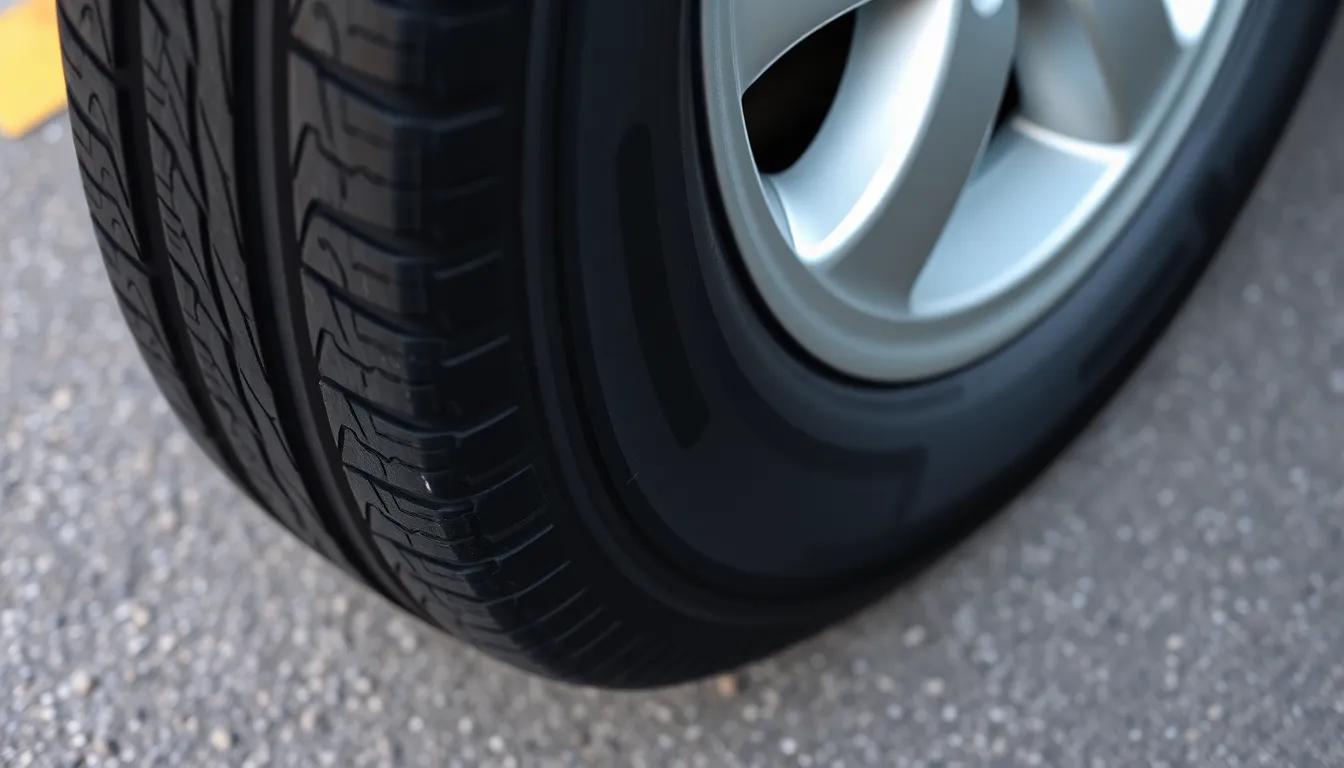
Toyota Camry 2000 tire sizes use a standardized format that provides crucial information about dimensions and specifications. Every number and letter in the tire code represents exact characteristics about your tire’s construction and intended use.
Looking at a common Camry tire size like 205/65R15, each component has a distinct meaning:
- 205 represents the tire width in millimeters measured across the tread from sidewall to sidewall
- 65 indicates the aspect ratio—the sidewall height equals 65% of the tire’s width
- R signifies radial construction, the standard for modern passenger vehicle tires
- 15 shows the wheel diameter in inches that the tire fits
Additional markings often accompany these basic measurements. Load indexes typically range from 94V to 95H on 2000 Camry models, indicating the maximum weight capacity and speed rating of your tires.
The most prevalent OE (Original Equipment) size for the 2000 Camry LE and XLE trims is 205/65R15, while the CE trim often came with 195/70R14 tires. Performance or upgraded models might feature larger sizes such as 215/60R16 or even 215/55R17.
Understanding these numbers ensures you’re purchasing the correct replacement tires, maintaining optimal handling characteristics and safety features designed specifically for your Camry model. The wheel rim width for most 2000 Camry models measures between 6 to 6.5 inches with an offset of approximately 45mm, further specifying the exact tire fitment requirements.
Common Tyre Issues and Solutions for the 2000 Camry

Uneven Tire Wear
Uneven tire wear on your 2000 Toyota Camry stems from improper wheel alignment, unbalanced tires, or suspension problems. Signs include scalloped patterns on the tire surface or excessive wear on either the inner or outer edges. Regular wheel alignments every 15,000 miles prevent this issue and extend your tire lifespan. Balancing tires during rotation appointments eliminates vibrations that cause spotty wear patterns. Suspension components like worn struts or ball joints contribute to irregular tire wear and require inspection during routine maintenance.
Tire Pressure Problems
Tire pressure fluctuations affect your 2000 Camry’s performance and safety regardless of whether you’re running the standard 205/65R15 or 195/70R14 tires. The recommended pressure for most 2000 Camry models is approximately 32 PSI, which optimizes traction and fuel economy. Temperature changes cause pressure variations, with every 10°F difference resulting in about 1 PSI change. Monthly pressure checks using a reliable gauge rather than visual inspection guarantee proper inflation. Underinflated tires create excessive heat and increase rolling resistance, while overinflated tires reduce contact patch size and compromise grip.
Tread Wear Concerns
Tread wear occurs gradually on your 2000 Camry tires but accelerates without proper rotation every 5,000-7,000 miles. Front tires typically wear faster due to steering forces, especially on front-wheel-drive vehicles like the Camry. The penny test identifies dangerous tread levels—insert a penny with Lincoln’s head upside down; if you can see the top of his head, your tread depth has fallen below the safe 2/32-inch minimum. Rotating between front and rear positions equalizes wear patterns and maximizes tire lifespan, particularly important for the 205/65R15 94V tires common on LE trims.
Sidewall Damage Assessment
Sidewall damage represents one of the most serious tire issues for your 2000 Camry, often resulting from impacts with curbs or road debris. Bulges, cuts, or cracks in the sidewall indicate structural compromise that can’t be repaired. Even minor sidewall damage creates potential blowout risks at highway speeds. Careful parking and avoiding road hazards prevent this type of damage, which affects the 6Jx15 wheels with 45mm offset commonly found on 2000 Camry models. Sidewall damage necessitates immediate tire replacement regardless of remaining tread depth.
Aging Tire Management
Rubber degradation affects your 2000 Camry tires even with minimal use, as chemical compounds break down over time. The DOT code on your tire sidewall reveals manufacturing date—the last four digits indicate week and year of production. Tires older than six years require replacement even though appearance, as internal deterioration compromises performance. Storing spare tires properly in cool, dry locations prevents premature aging. Climate factors accelerate aging, with hot environments causing faster deterioration of rubber compounds in both CE trim 195/70R14 and LE trim 205/65R15 tires.
Impact of Correct Tyre Size on Vehicle Performance

The correct tyre size directly influences how your 2000 Toyota Camry handles on the road. Tyres designed specifically for your Camry’s wheel wells and suspension geometry maintain optimal road contact, improving overall stability during driving. Using manufacturer-recommended sizes ensures your vehicle’s braking and traction systems function as intended, significantly reducing accident risks.
Fuel economy improves with properly sized tyres since correct diameter and width minimize rolling resistance. Your Camry’s speedometer and odometer readings remain accurate when using the appropriate tyre circumference. Ride comfort also depends on correct tyre sizing, as factory-specified options help preserve smoothness and reduce road noise in your cabin.
Tyre longevity increases when you match sizes to vehicle specifications. The 2000 Camry’s OEM tyre sizes vary between trims, with CE models using 195/70R14, LE and LE V6 versions fitted with 205/65R15, and XLE models using either 205/65R15 (4-cylinder) or 205/60R16 (V6) tyres. Deviating from these recommendations often leads to uneven wear patterns, potentially shortening tyre life and increasing replacement frequency.
Road performance suffers noticeably when incorrect tyre sizes are installed. Many Camry owners report experiencing poor handling, increased stopping distances, and compromised stability after installing incompatible tyres. The vehicle’s carefully engineered performance characteristics rely on correct tyre dimensions working in harmony with the suspension and steering systems.
Seasonal Tyre Considerations for the 2000 Camry
Seasonal tire selection significantly impacts your 2000 Toyota Camry’s performance across different weather conditions. While matching the correct OEM size specifications is essential, the type of seasonal tire you choose can dramatically alter your driving experience throughout the year.
All-Season Options
All-season tires provide balanced performance for your 2000 Camry in varied but moderate conditions. These versatile options work adequately in light snow, rain, and dry roads while maintaining the factory sizes of 195/70R14 for CE models, 205/65R15 for LE and XLE 4-cylinder versions, and 205/60R16 for XLE V6 trims. Many Camry owners appreciate the convenience of not having to switch tires between seasons, especially in temperate climates where extreme weather is rare.
Winter/Snow Tires
Winter tires feature specialized compounds and tread patterns designed for cold-weather driving in your 2000 Camry. For optimal winter performance, these tires maintain your vehicle’s factory sizes while incorporating deeper treads and softer rubber compounds that remain flexible in freezing temperatures. CE trim owners should look for 195/70R14 winter options, while LE and XLE 4-cylinder models require 205/65R15 sizes, and XLE V6 variants need 205/60R16 winter tires. Environmental aging affects winter tires more aggressively, so replacement every six years is particularly important regardless of tread depth.
Summer Performance Tires
Summer tires enhance warm-weather grip and handling for your 2000 Camry with specialized rubber compounds. These performance-oriented options maintain your exact trim level’s size requirements while delivering superior dry and wet traction in temperatures above 45°F. The 205/60R16 size used on XLE V6 models particularly benefits from summer tire upgrades, with noticeably improved cornering ability and responsive steering. Summer tires generally aren’t recommended for regions with cold winters as their compounds harden significantly below freezing temperatures.
Seasonal Switching Considerations
Seasonal tire switching follows a exact schedule to maximize performance and safety in your 2000 Camry. The transition from winter to summer/all-season tires typically occurs when average temperatures consistently remain above 45°F, while the reverse switch happens when temperatures regularly drop below this threshold. Tire aging concerns remain relevant across all seasonal types, with replacement recommended at the six-year mark regardless of visible tread depth due to environmental effects on the rubber compounds.
| Trim Level | All-Season Size | Winter Tire Size | Summer Tire Size |
|---|---|---|---|
| CE | 195/70R14 | 195/70R14 | 195/70R14 |
| LE | 205/65R15 | 205/65R15 | 205/65R15 |
| XLE 4-Cyl | 205/65R15 | 205/65R15 | 205/65R15 |
| XLE V6 | 205/60R16 | 205/60R16 | 205/60R16 |
Conclusion
Selecting the right tires for your 2000 Toyota Camry isn’t just about finding what fits—it’s about maximizing safety performance and value. Whether you own a CE with 195/70R14 tires or an XLE V6 with 205/60R16 specifications understanding your exact requirements ensures optimal handling and fuel economy.
Remember to check tire sidewalls regularly monitor pressure at 32 PSI and replace tires after six years regardless of tread condition. Seasonal considerations matter too with appropriate tires improving your Camry’s capabilities year-round.
By adhering to manufacturer recommendations you’ll maintain your vehicle’s engineered performance characteristics while ensuring accurate speedometer readings and comfortable rides. Your Camry deserves the right footwear—give it nothing less than the perfect fit.
Frequently Asked Questions
What is the standard tire size for a 2000 Toyota Camry?
The standard tire size varies by trim level. The base CE model uses 195/70R14 tires, while the CE V6 and LE models (both 4-cylinder and V6) use 205/65R15 tires. The premium XLE with 4-cylinder engine also uses 205/65R15, but the XLE V6 upgrades to 205/60R16 tires for enhanced cornering and driving experience.
How do I read the tire size for my 2000 Toyota Camry?
Tire sizes like 205/65R15 follow a standard format: 205 represents width in millimeters, 65 is the aspect ratio (sidewall height as percentage of width), R indicates radial construction, and 15 is the wheel diameter in inches. Additional markings include load index (typically 94V to 95H) and speed rating, telling you the tire’s weight capacity and maximum safe speed.
What tire pressure should I maintain in my 2000 Camry?
The recommended tire pressure for a 2000 Toyota Camry is approximately 32 PSI (pounds per square inch). Maintaining proper tire pressure is crucial for optimal performance, fuel efficiency, safety, and tire longevity. Always check pressure when tires are cold, and refer to the driver’s door jamb sticker for manufacturer specifications.
How often should I replace my Camry’s tires?
Replace your Camry’s tires when the tread depth reaches 2/32 of an inch (use the penny test – if you can see the top of Lincoln’s head, it’s time) or after six years, regardless of tread depth. Environmental factors cause rubber to degrade over time, even with minimal use, making aging tires potentially unsafe.
Can I use a different tire size than what’s recommended?
While slight deviations are possible, it’s best to stick with factory-recommended tire sizes. Using incorrect sizes can affect handling, stability, speedometer accuracy, fuel economy, and safety systems like ABS. If you want to upgrade, consult with a tire professional to ensure compatibility with your Camry’s wheels and suspension.
What are the best budget-friendly tire options for the 2000 Camry?
Budget-friendly tires for the 2000 Camry start around $31 for CE trim models and up to $48 for higher trims. Brands like Douglas (Walmart exclusive), Westlake, and Primewell offer economical options that meet basic safety standards while providing reasonable performance and tread life for daily driving.
Do I need winter tires for my 2000 Toyota Camry?
If you live in an area with regular snow, ice, or temperatures consistently below 45°F (7°C), winter tires are strongly recommended. They provide significantly better traction, braking, and handling in cold conditions compared to all-season tires. Maintain the factory size specifications (like 205/65R15) when selecting winter tires.
What causes uneven tire wear on the 2000 Camry?
Uneven tire wear on a 2000 Camry typically results from improper wheel alignment, suspension issues, or incorrect tire pressure. Common patterns include center wear (overinflation), edge wear (underinflation), or one-sided wear (alignment problems). Regular rotation every 5,000-7,000 miles and proper maintenance can prevent these issues.