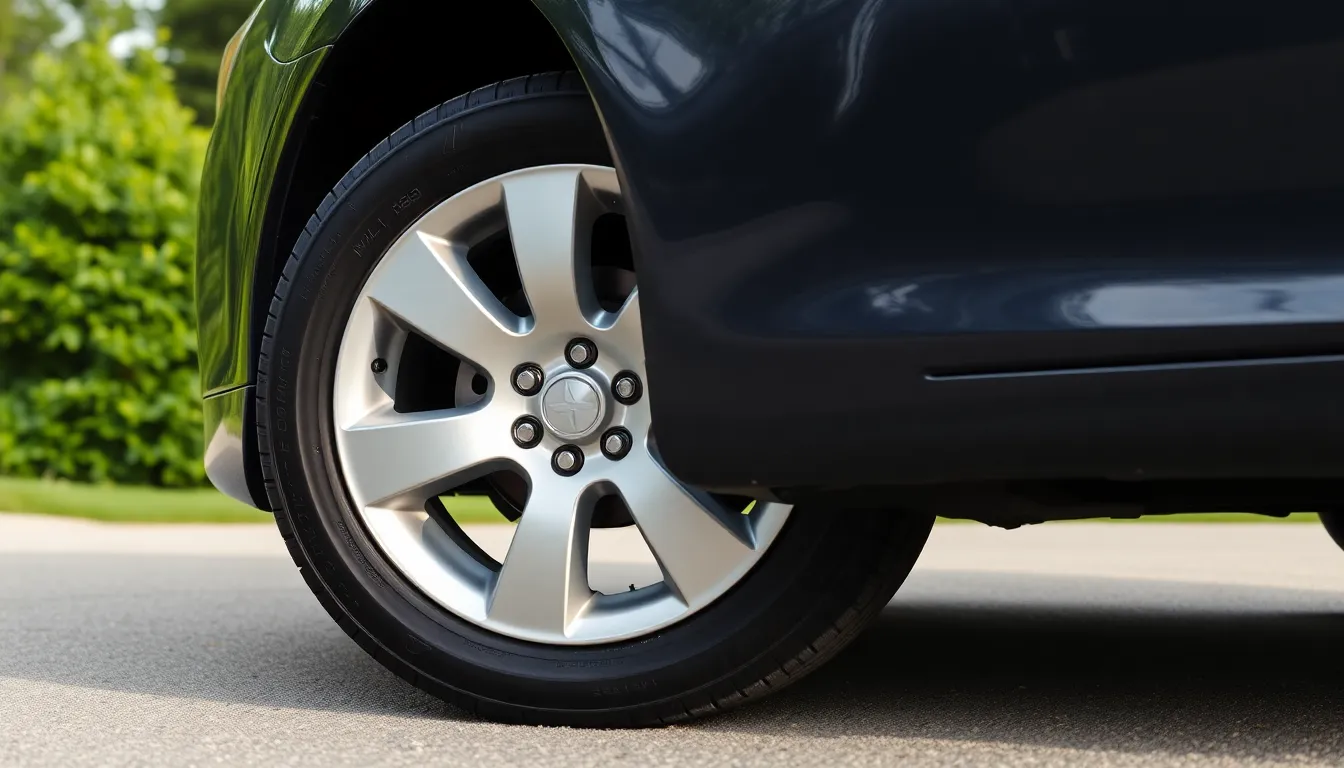
Are you struggling to find the right tire size for your Toyota Camry 2009? Understanding your vehicle’s correct tire specifications isn’t just about maintenance—it’s essential for safety, performance, and fuel efficiency.
Whether you’re replacing worn tires or considering an upgrade, knowing the factory-recommended tire size for your 2009 Camry eliminates guesswork and helps you make informed decisions. The standard tire size varies slightly depending on your exact trim level (LE, SE, or XLE), but we’ll break down everything you need to know about proper fitment, potential alternatives, and what those tire code numbers actually mean.
Understanding Toyota Camry 2009 Tire Sizes
Toyota Camry 2009 models come with exact tire size recommendations that vary depending on the trim level. Each tire size is represented by a standardized code that provides crucial information about the tire’s dimensions and specifications. Decoding these numbers helps you make informed decisions when purchasing replacement tires.
The tire size code consists of several parts, each indicating different aspects of the tire’s specifications. For example, a typical 2009 Camry tire might display “P215/60R16” on its sidewall. The “P” designates it as a passenger vehicle tire, while “215” represents the width in millimeters. The aspect ratio “60” indicates that the tire’s height is 60% of its width, and “R16” signifies a 16-inch radial construction.
Factory-equipped tire sizes for the 2009 Toyota Camry include:
- LE and XLE trims: P215/60R16 (standard)
- SE trim: P215/55R17 (standard)
- Optional upgrade for some models: P225/45R18
These differences in tire sizes affect various aspects of your driving experience. The LE and XLE trims offer a balanced approach to comfort and performance with their 16-inch wheels. SE models feature 17-inch wheels that provide enhanced handling and a sportier feel. The optional 18-inch wheels deliver the most responsive driving experience but may result in a slightly firmer ride.
Many Camry owners report that the factory tire sizes provide optimal performance for daily driving. Liam Kohn, who has tested various tire configurations on the 2009 Camry, notes that “sticking with the manufacturer’s recommended tire size ensures the speedometer accuracy and proper functioning of vehicle systems like ABS and traction control.”
Understanding your exact Camry’s tire size requirements ensures you’ll make appropriate replacements when the time comes. Your vehicle’s door jamb sticker, owner’s manual, and glove box information card all contain the recommended tire specifications for your particular trim level.
Factory Standard Tire Specifications for 2009 Camry

Toyota equipped the 2009 Camry with exact tire sizes designed to optimize performance for each trim level. These factory specifications ensure proper vehicle handling, fuel efficiency, and overall driving experience for Camry owners.
Base Model Tire Size
The 2009 Toyota Camry Base Model comes standard with 215/60R16 tires. This configuration features a 16-inch diameter wheel with a tire width of 215 mm and an aspect ratio of 60%. Toyota selected this size for the base model to provide an optimal balance of comfort, durability, and fuel economy. These tires typically have a load index of 94-95 with a speed rating of V (149 mph), making them suitable for everyday driving conditions. Hybrid Camry models also use this same tire size as their standard factory option.
LE and XLE Model Tire Specifications
Toyota’s LE and XLE trims of the 2009 Camry share the same 215/60R16 tire size as the base model. These mid-range and luxury-oriented trims maintain the comfortable ride quality that Camry owners appreciate. The consistent 16-inch wheel diameter across these trims demonstrates Toyota’s commitment to providing a smooth driving experience for their core Camry audience. Certain package options might offer wheel upgrades, but the standard specification remains focused on balancing comfort with adequate performance. The 215/60R16 tires on these trims provide excellent ride quality over various road surfaces while maintaining respectable fuel efficiency.
SE Sport Model Tire Options
The sportier SE trim of the 2009 Camry features larger 215/55R17 tires as standard equipment. Toyota designed this 17-inch wheel setup with a slightly wider tire profile and lower aspect ratio specifically to enhance the SE’s handling characteristics and visual appeal. The reduced sidewall height improves steering response and cornering stability compared to the standard 16-inch options on other trims. SE models attract drivers seeking more captivating performance without sacrificing the Camry’s renowned reliability. Some SE packages offered optional upgrades to even larger sizes, including 225/45R18 or 235/40R19 configurations for those wanting maximum style and performance enhancements, though these larger sizes typically result in a firmer ride quality.
Tire Size Code Breakdown for 2009 Camry
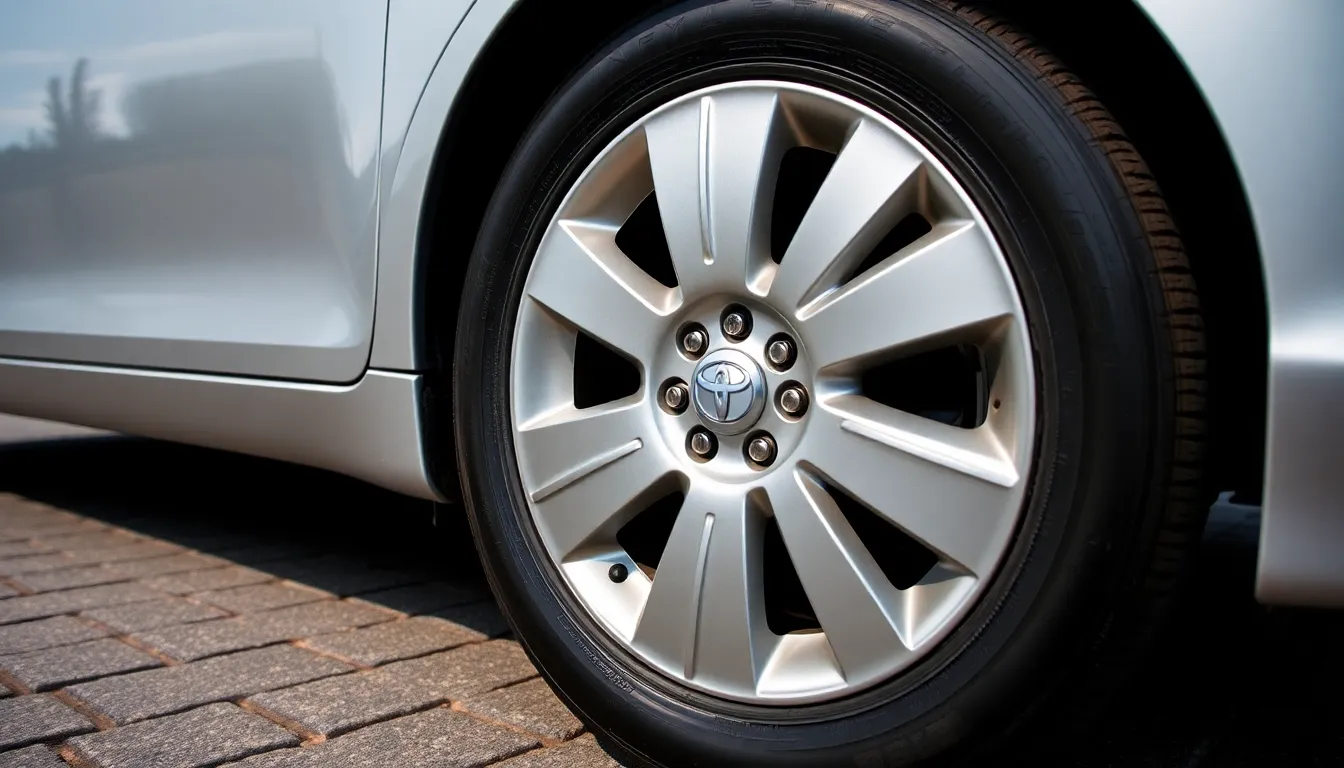
Understanding your 2009 Toyota Camry’s tire size code reveals important specifications about your tires. These codes contain valuable information about dimensions, construction, and performance characteristics that affect your driving experience.
Deciphering the P215/60R16 Numbers
The standard P215/60R16 tire size for most 2009 Camry models (Base, LE, XLE, and Hybrid) contains five distinct parts that each communicate exact information. The “P” indicates a passenger vehicle tire designed for regular cars rather than trucks or SUVs. “215” represents the tire width in millimeters measured from sidewall to sidewall. The “60” is the aspect ratio, showing that the sidewall height equals 60% of the tire’s width. “R” stands for radial construction, the most common tire design with layers running radially across the tire. Finally, “16” indicates the wheel diameter in inches that the tire fits onto.
What the Aspect Ratio Means for Performance
The aspect ratio in your Camry’s tire size significantly impacts driving characteristics and comfort. A higher aspect ratio like the 60 found on most 2009 Camry models provides better cushioning and ride comfort because the taller sidewalls absorb more road irregularities. This design choice reflects Toyota’s commitment to balancing comfort with performance in the standard Camry trims. Sportier trims like the SE come with 215/55R17 tires, featuring a lower aspect ratio (55) that improves handling and cornering stability by reducing sidewall flex during turns. The visual appearance of your Camry also changes with different aspect ratios—standard models feature a more practical tire profile while performance-oriented trims showcase a sleeker, more aggressive stance with their lower-profile tires.
Upgrading Your 2009 Camry Tires

Upgrading your 2009 Toyota Camry tires offers opportunities to enhance performance, handling, and aesthetics while maintaining vehicle safety. When selecting new tires, it’s essential to choose sizes compatible with your Camry’s specifications to ensure optimal performance without compromising safety features.
Compatible Tire Size Options
The 2009 Toyota Camry accommodates several tire size options beyond the factory specifications:
- 215/60R16: Original equipment for Base, LE, XLE, and Hybrid trims
- 215/55R17: Factory standard for SE and SE V6 trims
- 225/45R18: Compatible aftermarket upgrade option
- 225/40R19: Possible for custom modifications
When upgrading, staying close to the original tire diameter helps maintain speedometer accuracy and vehicle stability. Custom fits might require professional consultation to ensure compatibility with your exact Camry model.
Performance Benefits of Different Sizes
Each tire size offers distinct performance characteristics that affect your driving experience:
215/60R16 tires provide excellent comfort for daily driving with:
- Better absorption of road imperfections
- Improved fuel economy
- Enhanced durability and longer tread life
- Lower replacement costs
215/55R17 tires deliver a more balanced performance profile:
- Enhanced cornering stability
- Sportier feel and appearance
- Maintained ride comfort
- Improved response during quick maneuvers
225/45R18 tires upgrade performance aspects through:
- Wider contact patch for increased grip
- More responsive steering
- Better dry pavement traction
- Enhanced visual appeal with larger wheels
225/40R19 tires maximize performance potential with:
- Superior cornering grip for enthusiast driving
- Sharpest possible steering response
- Dramatic visual upgrade
- Performance-oriented handling characteristics
The tire upgrade you choose depends on your driving priorities—comfort-focused drivers might prefer staying with 16-inch options, while those seeking better handling without sacrificing too much comfort might opt for 17-inch tires. Performance enthusiasts will appreciate the enhanced grip and responsiveness of 18-inch or 19-inch options, though these come with tradeoffs in ride comfort, road noise, and potentially reduced fuel efficiency.
Seasonal Tire Considerations for 2009 Camry

Seasonal changes demand different tire performance characteristics for your 2009 Toyota Camry. Selecting the right tires for exact weather conditions ensures optimal safety, traction, and vehicle handling throughout the year.
Winter Tire Recommendations
Winter tires provide superior traction and handling when temperatures drop below 45°F. For your 2009 Camry, stick with the factory size specifications: 215/60R16 for Base, LE, Hybrid, and XLE trims or 215/55R17 for SE and SE V6 models. These dedicated winter tires feature specialized rubber compounds that remain flexible in freezing temperatures and tread patterns designed to grip snow and ice. Look for tires marked with the mountain snowflake symbol—this certification indicates the tire meets exact performance requirements for severe snow conditions. Switching to winter tires during cold months significantly improves braking distance on slippery surfaces and enhances cornering stability when roads are covered with snow or ice.
All-Season Tire Options
All-season tires offer a practical year-round solution for 2009 Camry owners living in moderate climate regions. These versatile tires perform adequately in light winter conditions while delivering good performance on dry and wet roads. For Base, LE, Hybrid, and XLE trims, 215/60R16 all-season tires provide an excellent balance of comfort, tread life, and fuel efficiency. SE and SE V6 owners should maintain the 215/55R17 size to preserve proper handling characteristics and speedometer accuracy. Quality all-season tires typically feature symmetric tread patterns with moderate siping for water evacuation and light snow traction. Their rubber compounds are engineered to perform across a wide temperature range, though they don’t match dedicated winter tires in severe cold or summer tires in extreme heat.
Cost Analysis of 2009 Camry Tire Replacements

Replacement costs for 2009 Toyota Camry tires vary significantly based on trim level and tire size. Typically, tires for the Base, Hybrid, LE, and XLE trims (215/60R16) range from $80 to $120 per tire. SE and SE V6 models requiring the larger 215/55R17 tires command higher prices, usually between $100 and $150 per tire. These price differences reflect not only the physical size but also performance characteristics designed for each trim level.
Additional services contribute to the total replacement expense. Installation, balancing, and alignment services often add $15 to $50 per tire to your final bill. Budget-conscious owners typically find more affordable options for the 16-inch tires since they’re more common in the marketplace.
Quality considerations play a crucial role in determining long-term value. Premium tire brands may cost more initially but often deliver better longevity and performance than budget alternatives. The following table illustrates the typical cost breakdown for 2009 Camry tire replacements:
| Trim Level | Tire Size | Common Rim Size | Cost Range per Tire |
|---|---|---|---|
| Base, Hybrid, LE, XLE | 215/60R16 | 16-inch | $80 – $120 |
| SE, SE V6 | 215/55R17 | 17-inch | $100 – $150 |
Selecting the correct tire size for your exact trim is essential for maintaining optimal vehicle safety and performance. Many owners find that mid-range tires offer the best balance between upfront cost and long-term value, especially for daily drivers. Premium tires make more sense for those who prioritize handling precision and tread longevity over initial savings.
Conclusion
Choosing the right tires for your 2009 Toyota Camry isn’t just about following specifications—it’s about maximizing your vehicle’s performance and safety. Whether you’re driving the comfort-oriented LE/XLE with 215/60R16 tires or the sportier SE with 215/55R17 wheels you now have the knowledge to make informed decisions.
Remember that proper tire sizing affects everything from fuel economy to handling dynamics. When replacement time comes you can confidently select between factory specifications or compatible alternatives based on your driving priorities and budget.
By understanding tire codes and respecting Toyota’s engineering decisions you’ll ensure your Camry continues to deliver the reliable performance it’s known for. The right tires make all the difference in how your vehicle responds to the road and keeps you safe through all seasons.
Frequently Asked Questions
What tire size does a 2009 Toyota Camry use?
The 2009 Toyota Camry uses different tire sizes depending on the trim level. The LE and XLE trims come with P215/60R16 tires, while the SE trim features P215/55R17 tires. Some models also had an optional upgrade to P225/45R18 wheels for a more responsive driving experience.
How do I find the correct tire size for my 2009 Camry?
You can find your Camry’s correct tire size on the driver’s side door jamb sticker, in your owner’s manual, or on the information card in your glove box. These resources provide the manufacturer’s recommended tire specifications specific to your vehicle’s trim level.
What does the tire code P215/60R16 mean?
In the code P215/60R16: “P” indicates a passenger vehicle tire, “215” is the width in millimeters, “60” is the aspect ratio (height to width percentage), “R” means radial construction, and “16” is the wheel diameter in inches. This code gives you all the essential dimensions needed for proper tire replacement.
Can I upgrade to a different tire size on my 2009 Camry?
Yes, you can upgrade your 2009 Camry’s tires, but stick to compatible sizes. Popular upgrades include going from 16-inch to 17-inch or 18-inch wheels. Options like 225/45R18 or 225/40R19 enhance grip and responsiveness but may reduce ride comfort and fuel efficiency. Always ensure any upgrade works with your vehicle’s specifications.
Do I need winter tires for my 2009 Toyota Camry?
Winter tires are recommended if you drive in temperatures below 45°F or in snowy/icy conditions. Look for tires with the mountain snowflake symbol for best winter performance. For moderate climates, all-season tires provide adequate year-round performance. Always maintain the factory-recommended tire size for optimal safety and handling.
How much do replacement tires cost for a 2009 Camry?
Replacement tire costs vary by trim level. For Base, Hybrid, LE, and XLE trims (215/60R16), expect to pay $80-$120 per tire. SE models with 215/55R17 tires cost $100-$150 per tire. Installation and alignment services add $15-$50 per tire. Mid-range tires offer the best value, while premium tires provide better performance and longevity.
How does tire size affect my Camry’s performance?
Tire size significantly impacts your Camry’s performance. Larger tires (like the SE’s 17-inch or optional 18-inch) improve handling and cornering but may create a firmer ride. Smaller tires (16-inch on LE/XLE) offer better comfort and fuel efficiency. The aspect ratio also matters—lower profiles enhance responsiveness while higher profiles improve comfort.
What happens if I use the wrong tire size on my 2009 Camry?
Using incorrect tire sizes can cause speedometer inaccuracy, affect ABS and traction control systems, compromise handling, and potentially create unsafe driving conditions. It may also lead to premature tire wear, reduced fuel efficiency, and could void vehicle warranties. Always follow Toyota’s recommended specifications for safety and optimal performance.