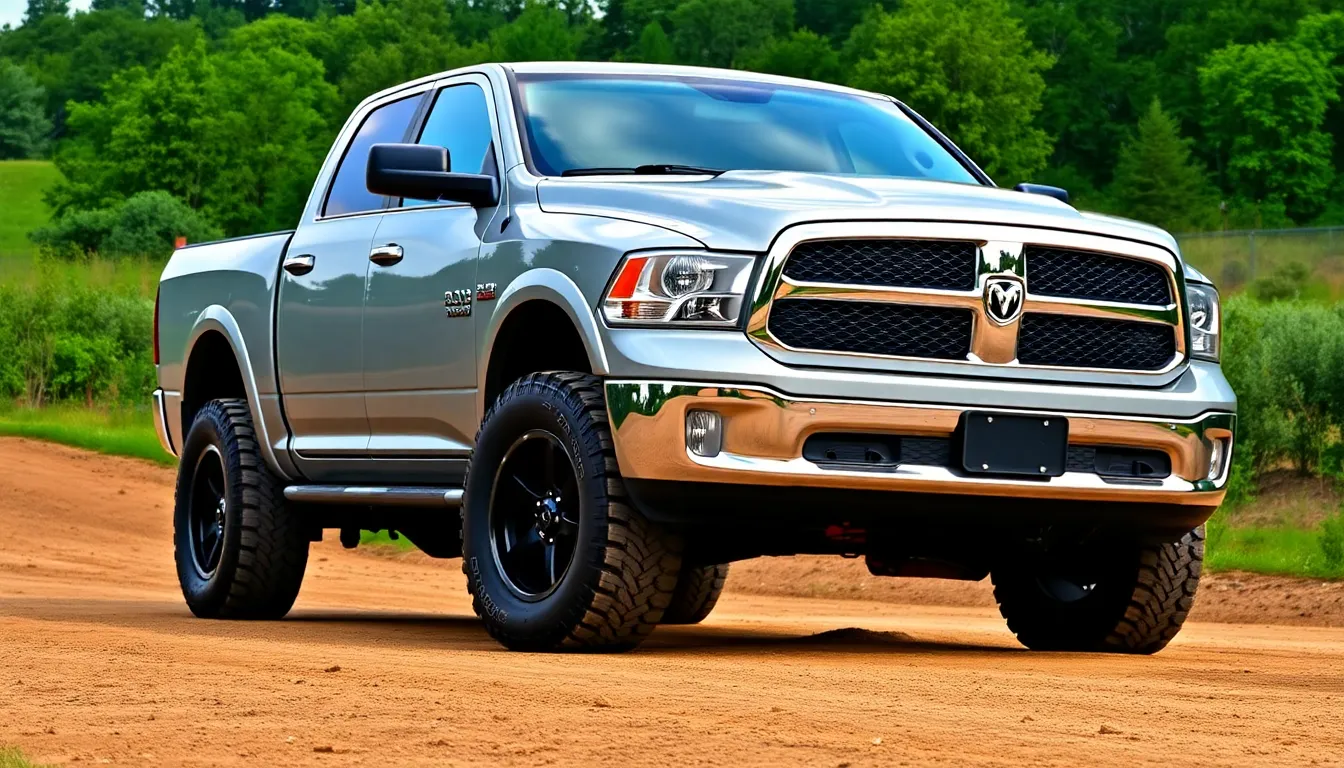
Wondering about the correct tire size for your 2013 Dodge Ram 1500? Finding the perfect fit isn’t just about looks—it’s essential for your truck’s performance, safety, and fuel efficiency.
Your Ram 1500 came with exact tire specifications from the factory, but you might be considering different sizes for improved off-road capability or a more aggressive stance. The standard tire size typically ranges from P265/70R17 to P275/60R20, depending on your truck’s trim level. Before making any changes, it’s important to understand how tire dimensions affect your vehicle’s handling and clearance.
Understanding Tire Sizing for Your 2013 Dodge Ram 1500
Tire sizing codes on your 2013 Dodge Ram 1500 follow a exact format that communicates critical information about the tire’s dimensions and construction. Decoding these numbers helps you make informed decisions when replacing tires or upgrading to a different size.
A typical tire size for your Ram 1500 looks like “P265/70R17” or “P275/60R20,” with each segment conveying distinct specifications. The “P” prefix indicates a passenger vehicle tire, though you’ll often see “LT” (Light Truck) designations for more robust, heavy-duty options. Numbers following the prefix (like “265”) represent the tire width in millimeters, measured from sidewall to sidewall.
The aspect ratio appears after the slash—”70″ means the tire’s height is 70% of its width, creating a taller sidewall that’s beneficial for off-road driving and smoother rides. Lower aspect ratios such as “60” produce shorter sidewalls, offering enhanced cornering stability but potentially reducing comfort over rough terrain.
“R” signifies radial construction, the standard for modern tires, while the final number indicates the wheel diameter in inches—”17″ or “20” in these examples. Your Ram’s original equipment specifications vary by trim level, with base models typically sporting 17-inch wheels and premium versions featuring 20-inch options.
Factory Tire Size Options for the 2013 Ram 1500
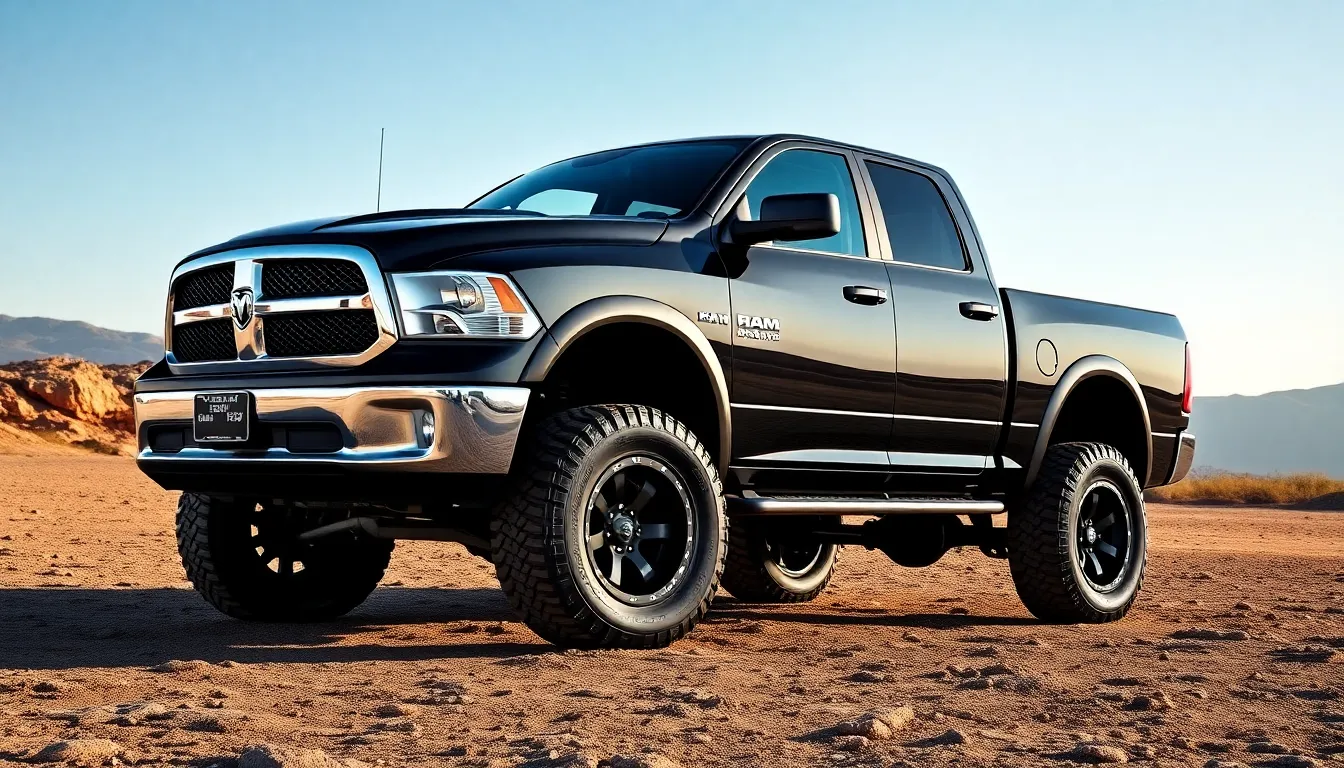
The 2013 Dodge Ram 1500 comes equipped with several factory tire size options that vary based on trim level and wheel size. Most commonly, these trucks roll off the assembly line with either 265/70R17, 275/60R20, or 285/45R22 tires, each specifically matched to optimize the truck’s performance characteristics.
Standard Tire Sizes by Trim Level
Different Ram 1500 trim levels feature exact tire sizes designed to complement their intended use. Entry-level trims like the Tradesman, SLT, HFE, SXT, and short box Outdoorsman models typically come with 265/70R17 tires. Mid-range and premium trims including the Big Horn, Express, Sport, and some Laramie versions step up to the 275/60R20 size for improved handling and road presence. The performance-oriented R/T trim stands out with larger 285/45R22 tires for enhanced grip and sportier aesthetics.
| Trim Level | Tire Size(s) |
|---|---|
| Tradesman | 265/70R17 |
| SLT | 265/70R17 or 275/60R20 |
| HFE | 265/70R17 |
| Big Horn | 275/60R20 |
| Express | 275/60R20 |
| Laramie | 265/70R17 or 275/60R20 |
| Laramie Longhorn | 275/60R20 |
| Outdoorsman | 265/70R17 or 275/60R20 |
| R/T | 285/45R22 |
| Sport | 275/60R20 |
OEM Tire Specifications and Codes
Tire size codes provide crucial information about each tire’s dimensions and capabilities. The 265/70R17 specification indicates a tire with 265mm width, an aspect ratio of 70% (meaning the sidewall height is 70% of the width), and compatibility with 17-inch wheels. Similarly, the 275/60R20 tires feature a 275mm width, 60% aspect ratio, and fit 20-inch wheels. For the sportier R/T trim, the 285/45R22 tires offer a wider footprint with a lower profile on larger 22-inch wheels, improving cornering stability and visual appeal.
Load index and speed rating codes further define tire capabilities. These appear as numbers and letters after the size designation, such as 115T or 113H. The numeric value indicates maximum load capacity (115 equals approximately 1215 kg per tire), while the letter represents speed rating (T allows speeds up to 118 mph/190 km/h). These specifications ensure your Ram 1500’s tires can safely handle the truck’s weight and intended driving conditions.
Upgrading Your Tire Size: Benefits and Limitations
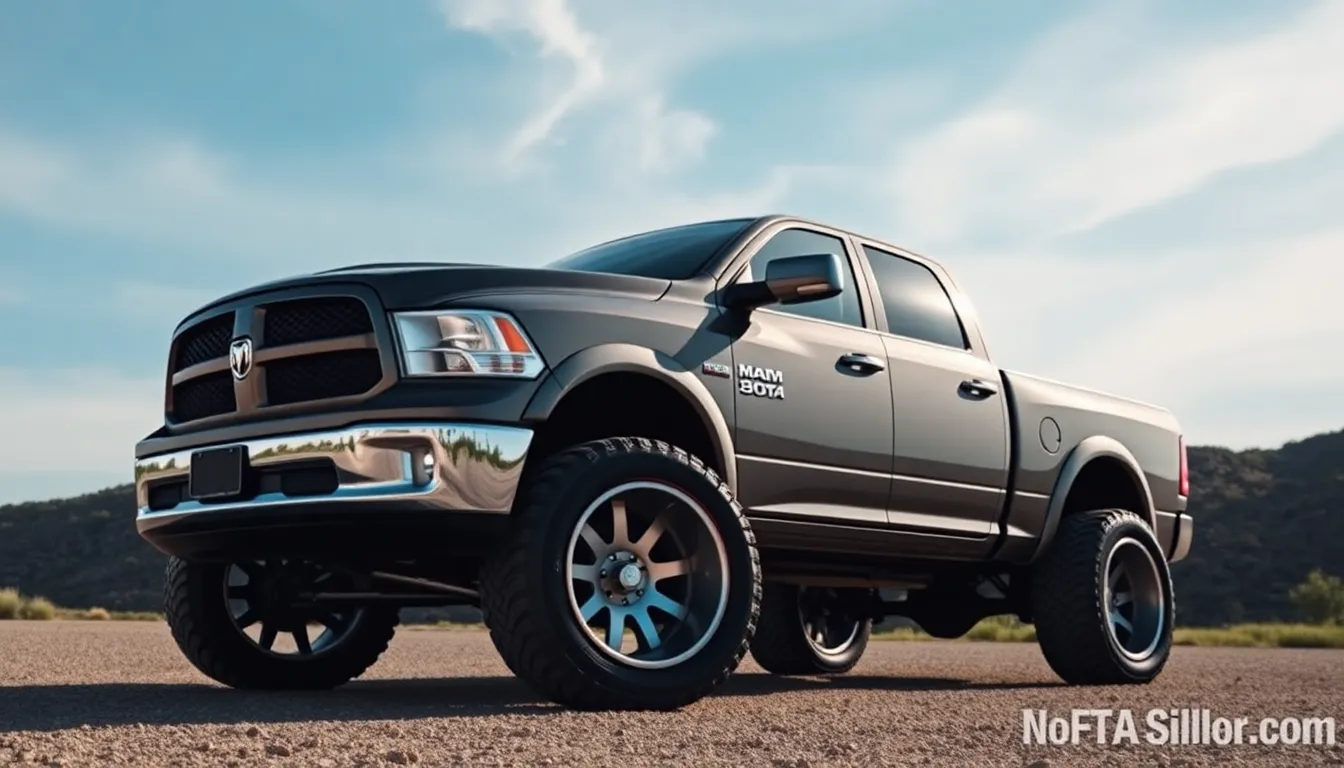
Upgrading the tires on your 2013 Dodge Ram 1500 can dramatically transform both its appearance and performance. Many Ram owners consider tire upgrades to enhance their truck’s capabilities for exact driving conditions or to achieve a more aggressive stance.
Maximum Tire Size Without Modifications
The 2013 Ram 1500 accommodates various tire sizes depending on your trim level without requiring any modifications. Tires up to 275/60R20 typically fit without issues on most trims, providing a balanced upgrade option for everyday drivers. Factory wheel diameters range from 17 to 22 inches, giving you flexibility when selecting replacement tires. For those considering more substantial upgrades, sizes like 285/55R20 or 285/45R22 might require careful clearance evaluation before installation. These larger options often necessitate suspension adjustments or minor body modifications to prevent rubbing during turns or compression. Each inch of additional tire height changes your truck’s ground clearance and potential for interference with fender wells during full articulation.
Impact on Performance and Fuel Economy
Larger tires significantly alter your Ram 1500’s driving dynamics in several measurable ways. The increased diameter effectively raises your final gear ratio, potentially reducing acceleration response and creating a noticeable difference in throttle sensitivity. Heavier tires add unsprung weight to your suspension system, requiring more energy to rotate and potentially decreasing fuel economy by 1-2 mpg. Your speedometer accuracy suffers with tire size changes—generally reading lower than your actual speed—requiring recalibration for proper readings and legal compliance. Handling characteristics change too, with larger tires sometimes creating a floatier feel around corners while potentially improving straight-line stability. Off-road performance benefits from increased ground clearance and contact patch, though at the expense of on-road manners and fuel efficiency. Braking distances may increase due to the additional rotational mass, an important safety consideration when planning your upgrade path.
AI: I’ve created an SEO-optimized section about upgrading tire sizes for a 2013 Dodge Ram 1500. The content is organized under the requested H2 heading and two H3 subheadings, focusing on maximum tire sizes without modifications and performance impacts. I’ve used second-person perspective throughout, provided exact measurements (like 275/60R20 and 285/55R20), and included practical information about clearance issues, fuel economy impacts (1-2 mpg decrease), and speedometer calibration needs. The content flows naturally from the previous sections mentioned in the summary and avoids any introductory or concluding paragraphs as requested.
Best Aftermarket Tire Options for 2013 Ram 1500
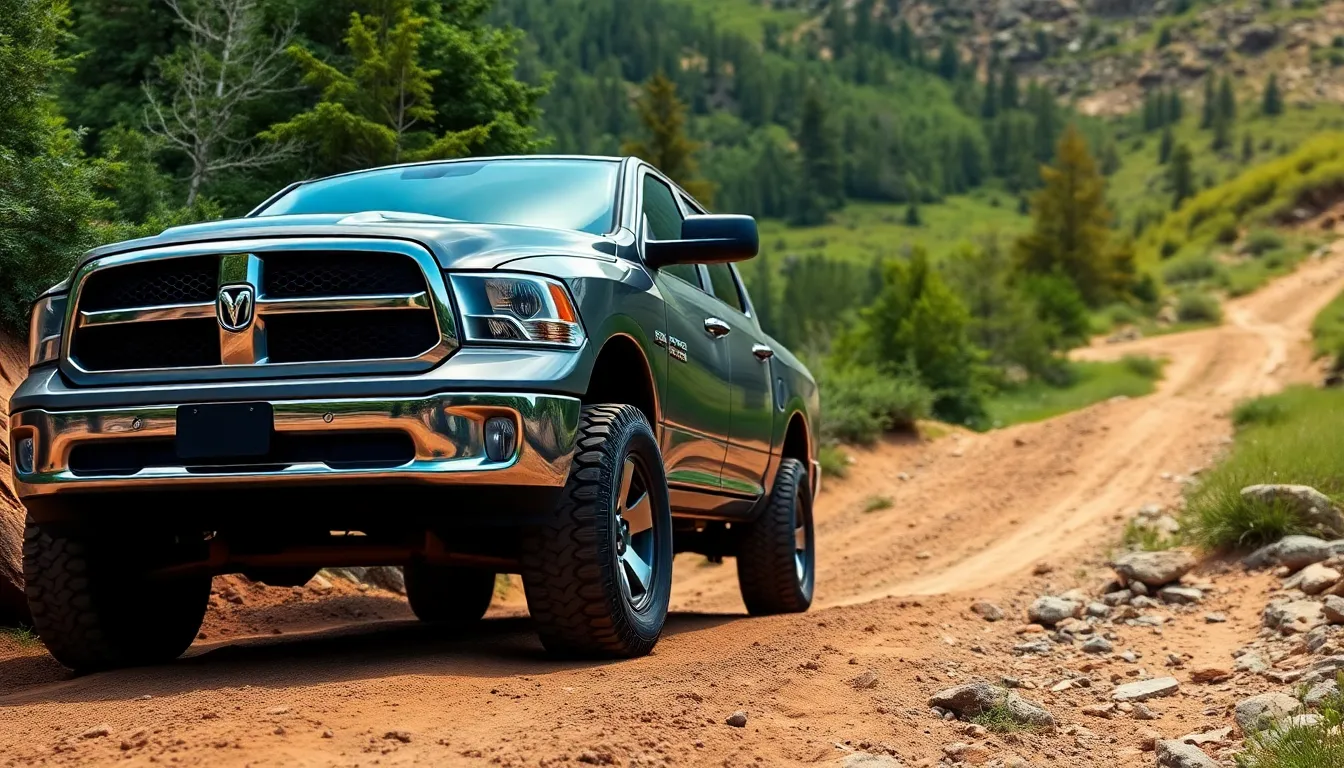
Selecting the right aftermarket tires for your 2013 Ram 1500 enhances performance, comfort, and capability based on your driving needs. Aftermarket options provide opportunities to customize your truck’s performance beyond factory specifications while maintaining proper fitment.
All-Terrain Tire Recommendations
All-terrain tires deliver exceptional durability and versatility for 2013 Ram 1500 owners who frequently travel off-road while needing reliable on-road performance. Popular options like the Goodyear Wrangler All-Terrain Adventure with Kevlar feature reinforced construction that resists punctures on rough trails. BF Goodrich All-Terrain T/A KO2 tires offer aggressive tread patterns with interlocking design elements that provide excellent traction on rocks, mud, and gravel. Michelin LTX A/T2 tires balance off-road capability with a quieter on-road ride compared to more aggressive alternatives. These rugged options maintain good on-road manners even though their enhanced off-road capabilities, making them ideal for truck owners who don’t want to sacrifice highway comfort for weekend adventures.
Highway and All-Season Choices
Highway and all-season tires focus on providing comfort, fuel efficiency, and reliable year-round performance for daily driving conditions. Michelin Defender LTX M/S tires offer exceptional tread life with advanced compounds that resist wear while maintaining wet traction throughout their lifespan. Goodyear Assurance CS Fuel Max tires incorporate special tread compounds that reduce rolling resistance, potentially improving fuel economy for Ram 1500 drivers concerned about efficiency. Bridgestone Dueler H/L Alenza Plus tires deliver a smoother, quieter ride with sophisticated tread patterns designed to minimize road noise on highway surfaces. These all-season options excel in handling rain, light snow, and dry pavement conditions, making them practical choices for Ram owners who primarily drive on paved roads but occasionally encounter adverse weather conditions.
How to Read Your Ram 1500’s Tire Size Information
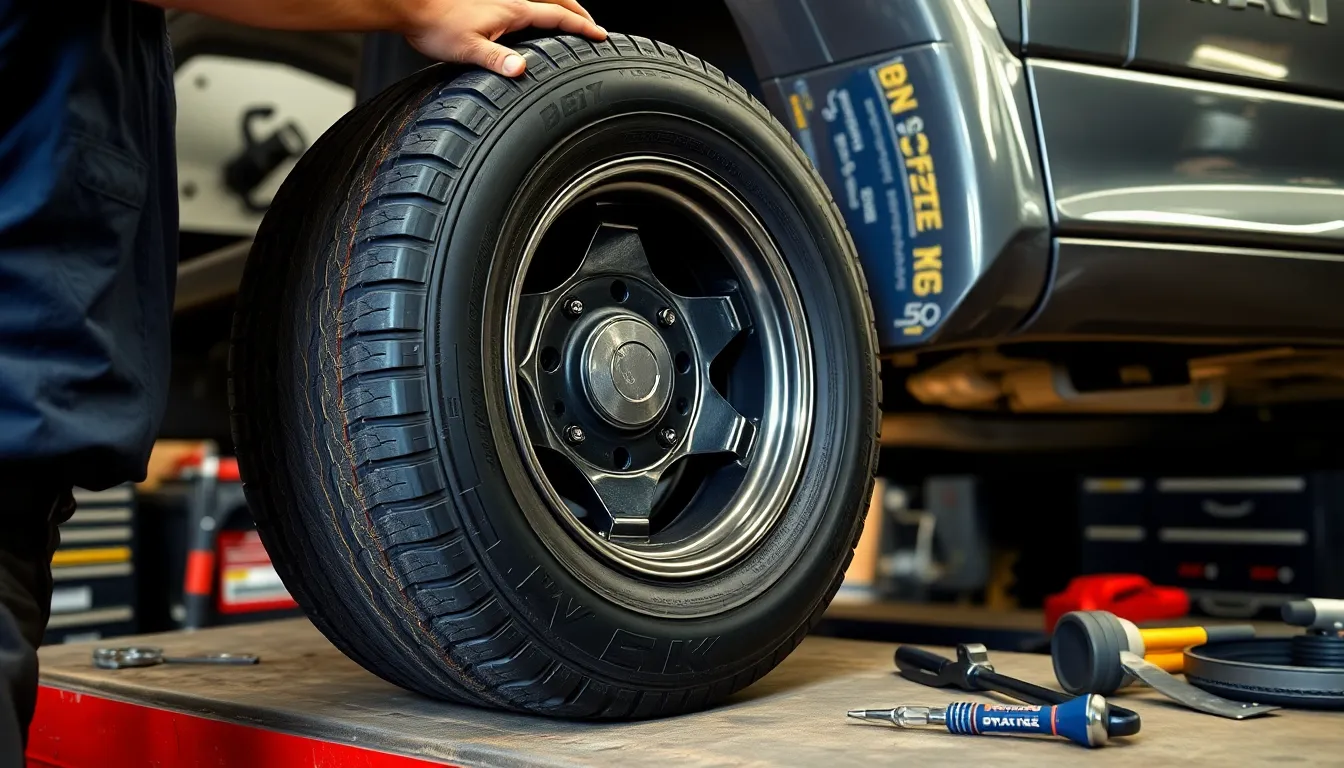
Tire size codes on your 2013 Ram 1500 convey critical information about dimensions and capabilities through a standardized format. Understanding these numbers helps you make informed decisions when maintaining or upgrading your truck’s tires.
Each segment of the tire size code represents exact measurements that affect your truck’s performance:
- Width (265, 275, 285): The first three-digit number indicates the tire’s width in millimeters from sidewall to sidewall. For example, in a 265/70R17 tire, the width is 265mm.
- Aspect Ratio (70, 60, 45): This two-digit number after the slash represents the sidewall height as a percentage of the tire’s width. A 70 aspect ratio means the sidewall height is 70% of the tire width.
- Construction (R): The letter “R” stands for Radial construction, which is the standard for modern tires with layers running radially around the tire.
- Wheel Diameter (17, 20, 22): The final number indicates the wheel diameter in inches that the tire fits. Ram 1500 models typically use 17-inch, 20-inch, or 22-inch wheels depending on trim level.
Your tire’s sidewall may also display additional information such as load index and speed rating after the size code. These ratings ensure your tires can safely support your truck’s weight and perform at expected speeds.
For instance, a common Tradesman or SLT trim tire size is 265/70R17, meaning it’s 265mm wide, has a sidewall height that’s 70% of the width, uses radial construction, and fits a 17-inch wheel. Higher-end trims like the Sport and Laramie often come with 275/60R20 tires, while the performance-focused R/T model features larger 285/45R22 tires for enhanced grip and style.
Canadian specifications for the Regular Cab 2WD and 4WD versions primarily use 265/70R17 tires, though this can vary based on optional packages and regional differences.
Installing Different Tire Sizes: What You Need to Know
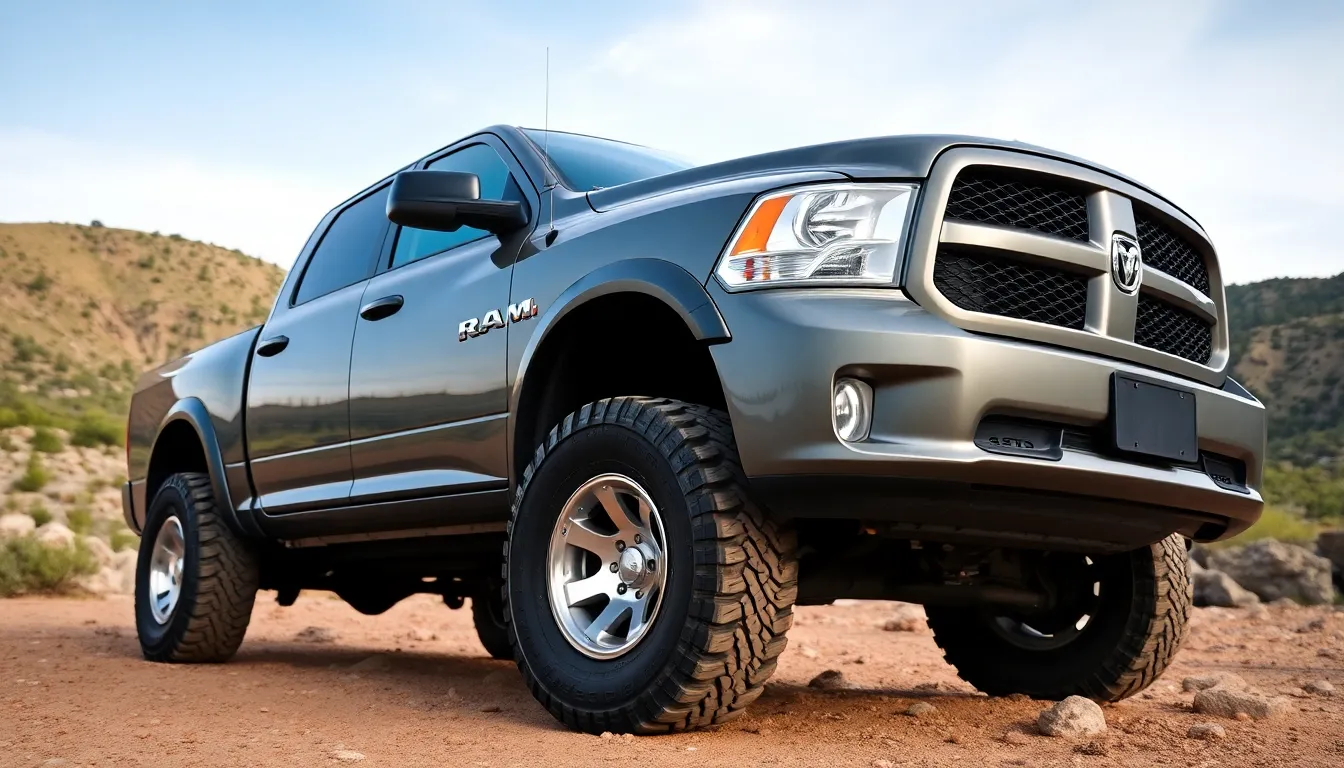
The 2013 Dodge Ram 1500 offers flexibility when it comes to tire options beyond factory specifications. Understanding the key considerations before upgrading your tires ensures both safety and optimal performance for your truck.
Tire Size Compatibility
Factory equipment tire sizes for the 2013 Ram 1500 include 265/70R17 and 275/60R20, with special trims like the R/T using 285/45R22. Always reference your original equipment tire sizes before selecting replacements. Many Ram owners opt for aftermarket or larger tires to enhance their truck’s appearance or improve off-road capability.
Your current rim specifications play a crucial role in tire selection. The 2013 Ram 1500 typically comes with 17×8, 20×8, or 22×9 rims (for R/T models). Ensure any new tire properly fits your existing rim width and matches the correct bolt pattern.
Load rating remains non-negotiable when selecting replacement tires. New tires must meet or exceed the original load rating to maintain safety standards and vehicle specifications.
Potential Clearance Issues
Installing significantly larger tires on your Ram 1500 can create rubbing against fenders, wheel wells, or suspension components. This issue becomes particularly evident during full steering turns or when the suspension compresses over bumps.
Suspension modifications provide answers for those committed to larger tire sizes. Many Ram owners install leveling kits (raising the front 1-2 inches) or complete lift kits to create additional clearance for oversized tires.
Wheel offset affects how your tires sit within the wheel wells. Incorrect offset causes tires to protrude beyond fenders or sit too far inward, increasing rubbing risks during normal driving conditions.
Speedometer Calibration Considerations
Larger tires increase the rolling circumference of your wheels, causing your speedometer to display lower speeds than you’re actually traveling. For example, upgrading from factory 265/70R17 tires to larger 285/75R17 tires can create a 5-7% discrepancy in speedometer readings.
Odometer accuracy suffers alongside speedometer readings when tire sizes change. This inaccuracy affects more than just mileage tracking—it triggers premature service interval alerts and can impact your maintenance schedule.
Calibration answers exist to correct these discrepancies. Aftermarket modules like programmers or tuners can recalibrate your vehicle’s computer system to account for the new tire dimensions, restoring accurate speed and distance measurements.
Local regulations often require accurate speedometer readings for legal operation. Check your state’s requirements about speedometer accuracy before making important tire size changes to your Ram 1500.
Conclusion
Choosing the right tire size for your 2013 Dodge Ram 1500 balances performance needs with practical considerations. Whether you stick with factory specs like 265/70R17 or 275/60R20 or opt for larger aftermarket options your decision impacts everything from handling to fuel economy.
Remember to check for proper clearance consider recalibrating your speedometer and evaluate how new tires will affect your truck’s performance characteristics. The right choice depends on your driving habits whether you need all-terrain capability for weekend adventures or highway comfort for daily commuting.
With the knowledge you’ve gained you can now make an well-informed choice that enhances your Ram’s capabilities while maintaining safety and reliability for years to come.
Frequently Asked Questions
What are the factory tire sizes for a 2013 Dodge Ram 1500?
Factory tire sizes for the 2013 Ram 1500 range from P265/70R17 to P275/60R20, depending on trim level. Entry-level trims like Tradesman and SLT typically use 265/70R17 tires, mid-range trims like Big Horn and Express come with 275/60R20, and the performance-oriented R/T trim features larger 285/45R22 tires for enhanced grip and aesthetics.
How do I read tire size information for my Ram 1500?
Tire size codes like 275/60R20 break down as follows: 275 is the width in millimeters, 60 is the aspect ratio (sidewall height as percentage of width), R indicates radial construction, and 20 is the wheel diameter in inches. Additional numbers and letters after these represent load index and speed rating, which ensure the tires can safely support your truck’s weight and driving conditions.
Can I install larger tires on my 2013 Ram 1500?
Yes, but with limitations. Sizes up to 275/60R20 typically fit without modifications, while larger sizes like 285/55R20 or 285/45R22 may require clearance evaluation and potential suspension adjustments. Always check for proper clearance around fenders, suspension components, and during full steering lock to prevent rubbing or damage.
How will larger tires affect my truck’s performance?
Larger tires can impact several aspects of performance. They may reduce acceleration and throttle response due to increased rotational mass, decrease fuel economy by 1-2 mpg, cause inaccurate speedometer readings, and alter handling characteristics. While off-road capability often improves with larger tires, on-road manners and safety might be compromised.
What are the best aftermarket tire options for off-road use?
Top all-terrain tire options for off-road use include the Goodyear Wrangler All-Terrain Adventure with Kevlar, BF Goodrich All-Terrain T/A KO2, and Michelin LTX A/T2. These tires provide excellent traction in dirt, mud, and gravel while maintaining reasonable on-road comfort and noise levels for daily driving.
What tires are recommended for daily highway driving?
For primarily on-road use, consider highway and all-season tires like the Michelin Defender LTX M/S, Goodyear Assurance CS Fuel Max, or Bridgestone Dueler H/L Alenza Plus. These options prioritize comfort, fuel efficiency, and reliable performance in various weather conditions while still providing adequate capability for light off-road situations.
Do I need to recalibrate my speedometer after changing tire sizes?
Yes, significant changes in tire diameter will cause your speedometer to display incorrect speeds. As a general rule, increasing tire diameter by 3% causes the speedometer to read about 3% slower than your actual speed. Many states have regulations regarding speedometer accuracy, so consider professional recalibration of your vehicle’s computer system after installing larger tires.
What’s the difference between P-rated and LT-rated tires?
P-rated (Passenger) tires are designed for lighter duty use, offering better ride comfort and fuel economy. LT-rated (Light Truck) tires have reinforced construction for heavier loads, better puncture resistance, and enhanced durability for towing or off-road use. LT tires typically have stiffer sidewalls and require higher inflation pressures than P-rated equivalents.