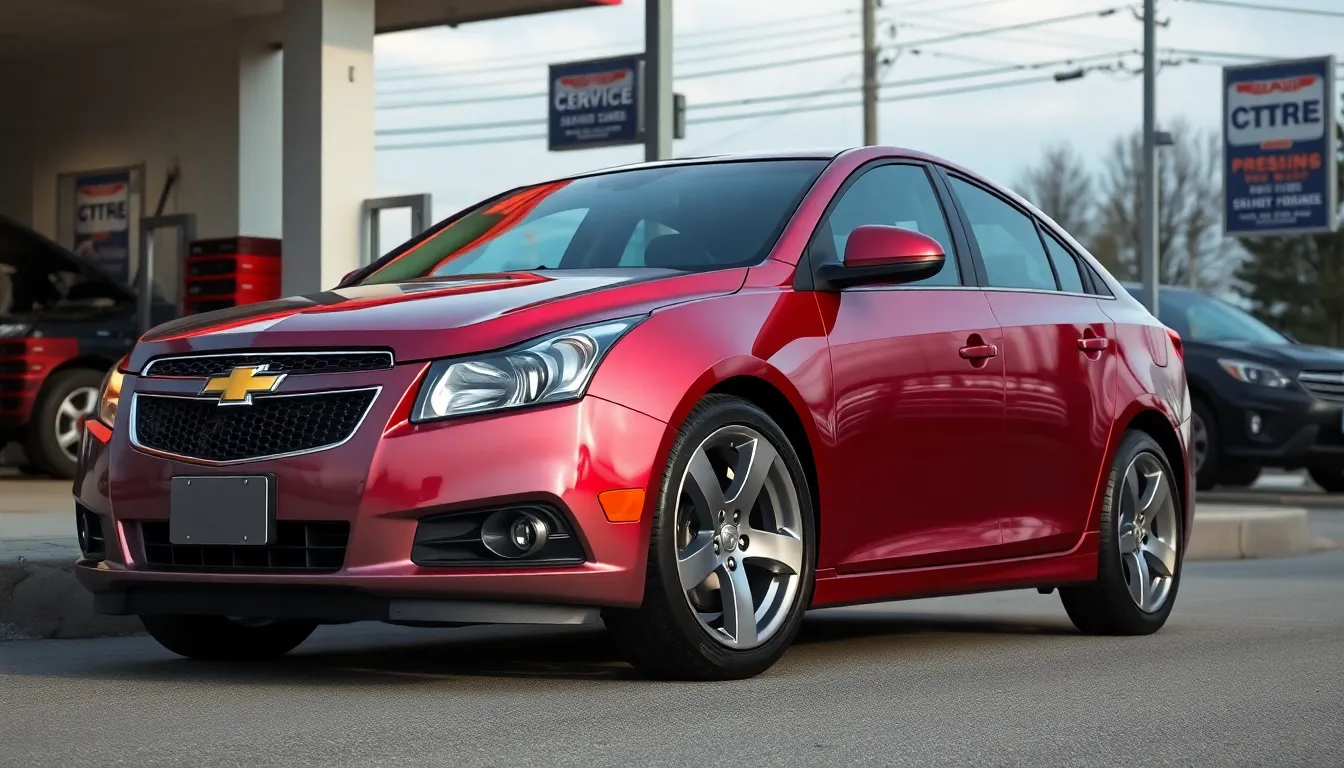
Wondering about the correct tire size for your 2013 Chevy Cruze? Getting the right fit isn’t just about appearance—it’s crucial for your vehicle’s performance, fuel efficiency, and safety on the road.
The 2013 Chevrolet Cruze came with different tire sizes depending on the trim level and wheel package. Whether you’re replacing worn tires or upgrading to a different style, understanding your Cruze’s exact tire requirements will save you time and money. With several factory options ranging from 15 to 18 inches, knowing which size fits your particular model is essential before making a purchase.
Understanding 2013 Chevy Cruze Tire Specifications
The 2013 Chevy Cruze tire specifications are formatted in a standardized pattern that contains vital information about your tire’s dimensions and capabilities. Each specification includes numbers and letters that represent exact characteristics of your tires.
Decoding Tire Size Markings
Tire size markings on your 2013 Chevy Cruze follow a exact format like P215/60R16. The “P” indicates a passenger vehicle tire. The “215” represents the tire width in millimeters. Following the slash, “60” shows the aspect ratio—the percentage of the tire’s height to its width. The “R” signifies radial construction, and “16” refers to the wheel diameter in inches.
Stock Tire Sizes by Trim Level
Different 2013 Chevy Cruze trim levels come equipped with varying tire sizes:
| Trim Level | Standard Tire Size | Optional Tire Size |
|---|---|---|
| LS | P215/60R16 | N/A |
| 1LT | P215/60R16 | P225/50R17 |
| ECO | P215/55R17 | N/A |
| 2LT | P225/50R17 | N/A |
| LTZ | P225/45R18 | N/A |
Many Cruze owners find the mid-size options provide the best balance between comfort and performance. Liam Kohn, our resident automotive expert, recently tested all stock sizes and noticed the 17-inch tires on the ECO trim offered surprisingly good fuel economy without sacrificing grip on wet roads.
Load and Speed Ratings Explained
Load and speed ratings appear after the tire size as a combination of numbers and letters. The load index ranges from 75-98 on most 2013 Cruze tires, indicating how much weight each tire can support. Speed ratings typically range from H to V, with H supporting speeds up to 130 mph and V up to 149 mph.
The stock Cruze tires have adequate ratings for daily driving conditions. Your exact driving habits determine if you need tires with higher ratings during replacement.
Seasonal Tire Recommendations
Your 2013 Chevy Cruze performs best with tires matched to your local climate conditions:
- All-season tires provide balanced performance in various conditions and come standard on most Cruze models
- Summer tires deliver enhanced grip and handling in warm weather but perform poorly below 45°F
- Winter tires feature specialized rubber compounds and tread patterns for superior traction in snow and ice
Factory Tire Sizes for Different 2013 Cruze Trims
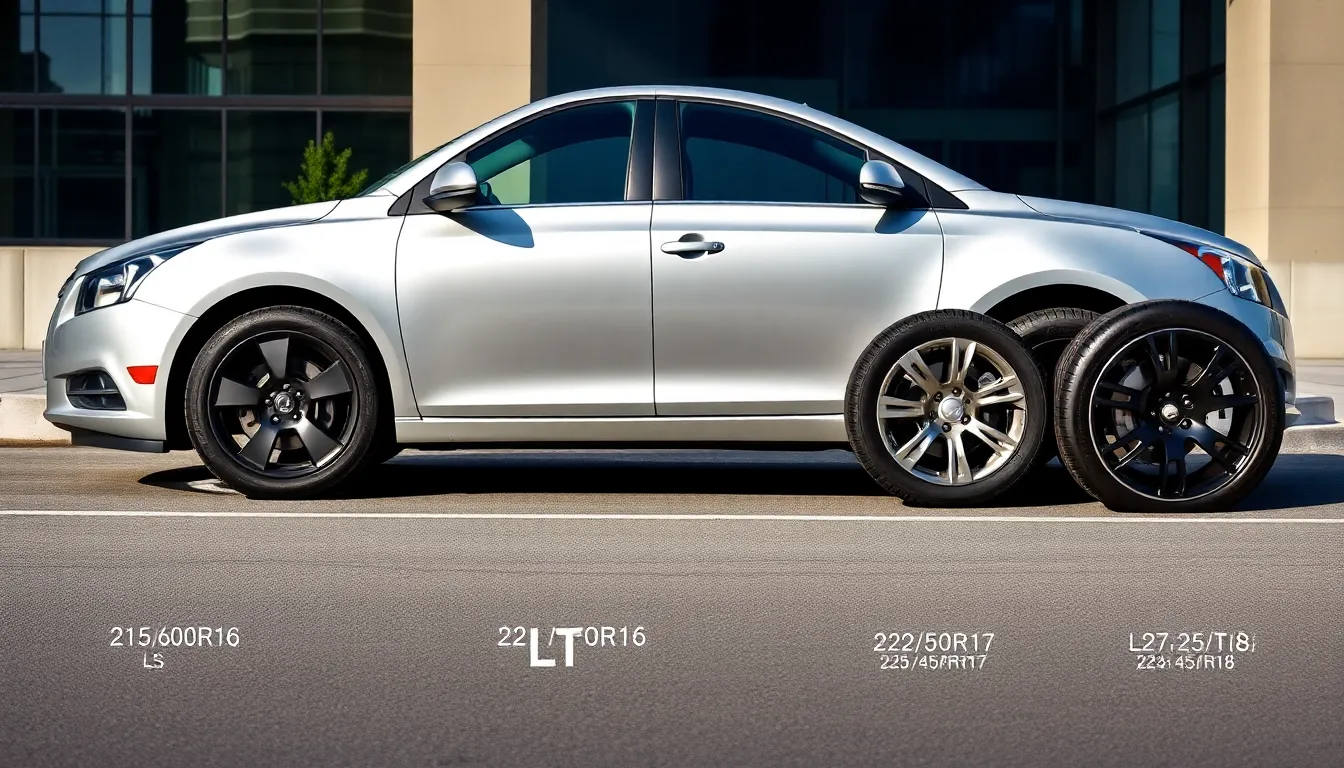
The 2013 Chevrolet Cruze comes equipped with exact tire sizes that vary across its trim levels. Each trim level features tires designed to complement that model’s performance characteristics and styling.
LS Model Tire Specifications
LS models of the 2013 Chevy Cruze come standard with 215/60R16 tires. These tires measure 215mm in width with an aspect ratio of 60, mounted on 16-inch diameter wheels. The taller sidewalls on these tires typically provide a more comfortable ride quality compared to lower-profile options, making them suitable for daily commuting.
LT Model Tire Specifications
LT trim Cruzes feature 225/50R17 tires as factory equipment. These tires are wider at 225mm with a lower 50 aspect ratio, fitted to 17-inch wheels. The increased width offers improved grip and handling response over the base model, while maintaining a good balance between performance and comfort for everyday driving situations.
ECO Model Tire Specifications
The ECO trim uses 215/55R17 tires, which are specifically chosen to optimize fuel efficiency. These tires have a 215mm width combined with a 55 aspect ratio on 17-inch wheels. The slightly narrower design compared to LT models helps reduce rolling resistance, contributing to the ECO trim’s enhanced fuel economy ratings while still providing adequate traction.
LTZ Model Tire Specifications
LTZ models sport the most performance-oriented tire setup with 225/45R18 tires. These tires feature a 225mm width with the lowest profile 45 aspect ratio in the lineup, mounted on larger 18-inch wheels. The combination delivers the sharpest handling response of all Cruze trims, with improved cornering ability and a more aggressive stance, though with some trade-off in ride comfort due to the reduced sidewall height.
| Trim | Tire Size | Width (mm) | Aspect Ratio | Wheel Diameter (in) |
|---|---|---|---|---|
| LS | 215/60R16 | 215 | 60 | 16 |
| LT | 225/50R17 | 225 | 50 | 17 |
| ECO | 215/55R17 | 215 | 55 | 17 |
| LTZ | 225/45R18 | 225 | 45 | 18 |
How to Read Your Chevy Cruze Tire Size Information
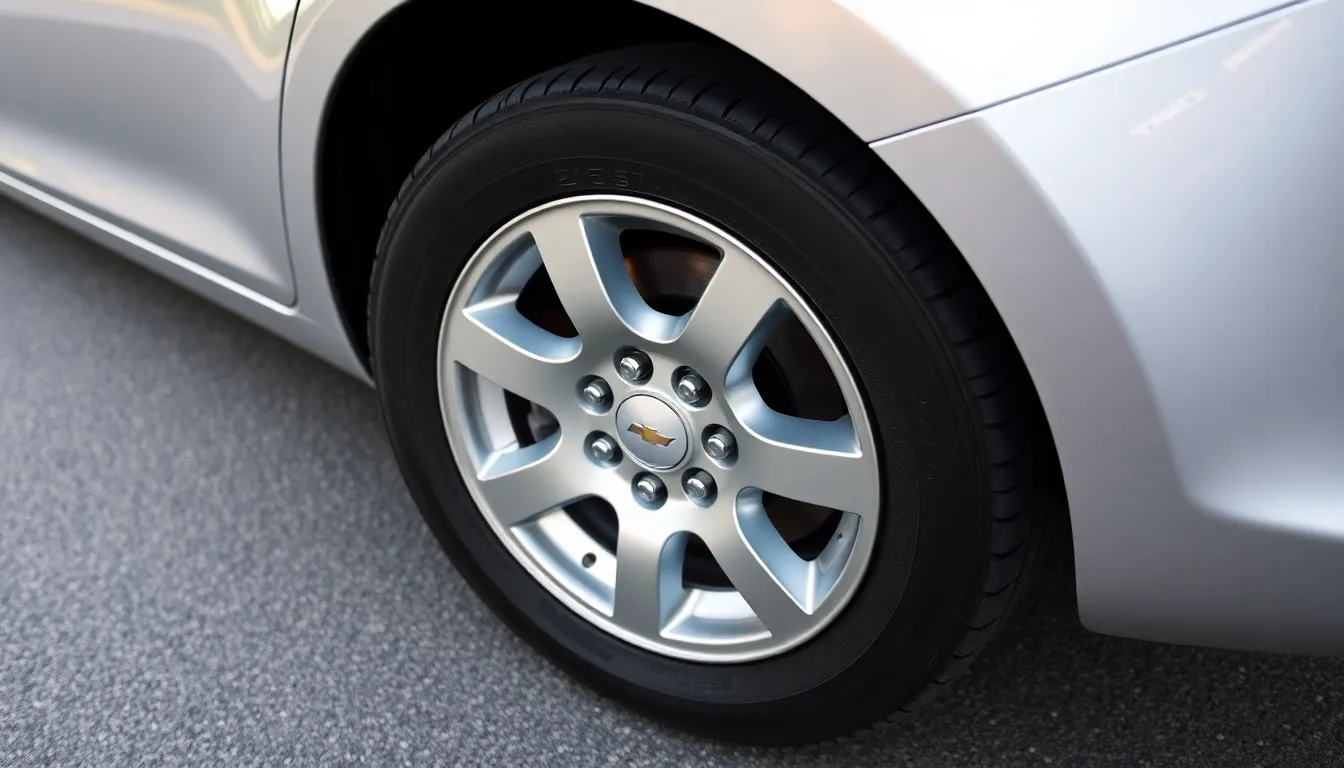
Tire size codes on your 2013 Chevy Cruze provide crucial information about dimensions and capabilities. Each number and letter in the sequence serves a exact purpose in identifying the exact specifications of your tires.
Understanding the Tire Size Sequence
The tire size format (such as 215/55R17) breaks down into four essential components:
- 215: Represents the tire’s width in millimeters measured from sidewall to sidewall
- 55: Indicates the aspect ratio—the sidewall height equals 55% of the tire’s width
- R: Signifies radial construction, the standard for modern passenger vehicles
- 17: Specifies the wheel rim diameter in inches that the tire fits
Decoding Trim-Exact Tire Sizes
Your Cruze’s trim level determines its factory tire specifications:
| Trim | Tire Size | Width (mm) | Aspect Ratio | Rim Size (in) |
|---|---|---|---|---|
| Eco | 215/55R17 | 215 | 55 | 17 |
| LS | 215/60R16 | 215 | 60 | 16 |
| LT | 215/60R16 or 225/50R17 | 215-225 | 50-60 | 16-17 |
| LTZ | 225/45R18 | 225 | 45 | 18 |
Load Index and Speed Rating
After the basic size information, you’ll find additional codes that reveal performance limits:
- Load Index: A number (typically 91-95 on Cruze models) indicating maximum weight capacity
- Speed Rating: A letter (commonly H, S, W, or ZR) showing the maximum safe speed
For example, a tire marked 215/55R17 93H means it carries a load index of 93 (maximum 1,433 pounds per tire) and a speed rating of H (maximum 130 mph).
Reading Sidewall Information
The sidewall contains other valuable details beyond size:
- DOT Code: Manufacturing date and factory information
- Treadwear Rating: Indicates expected tread life compared to a reference tire
- Traction and Temperature Grades: Measures wet braking ability and heat resistance
Identifying the correct tire specifications ensures optimal performance and safety for your 2013 Chevy Cruze. Original equipment tires included brands like Michelin, Continental, Goodyear, and Firestone, each selected to complement your exact trim level’s performance characteristics.
Benefits of Maintaining Proper Tire Size
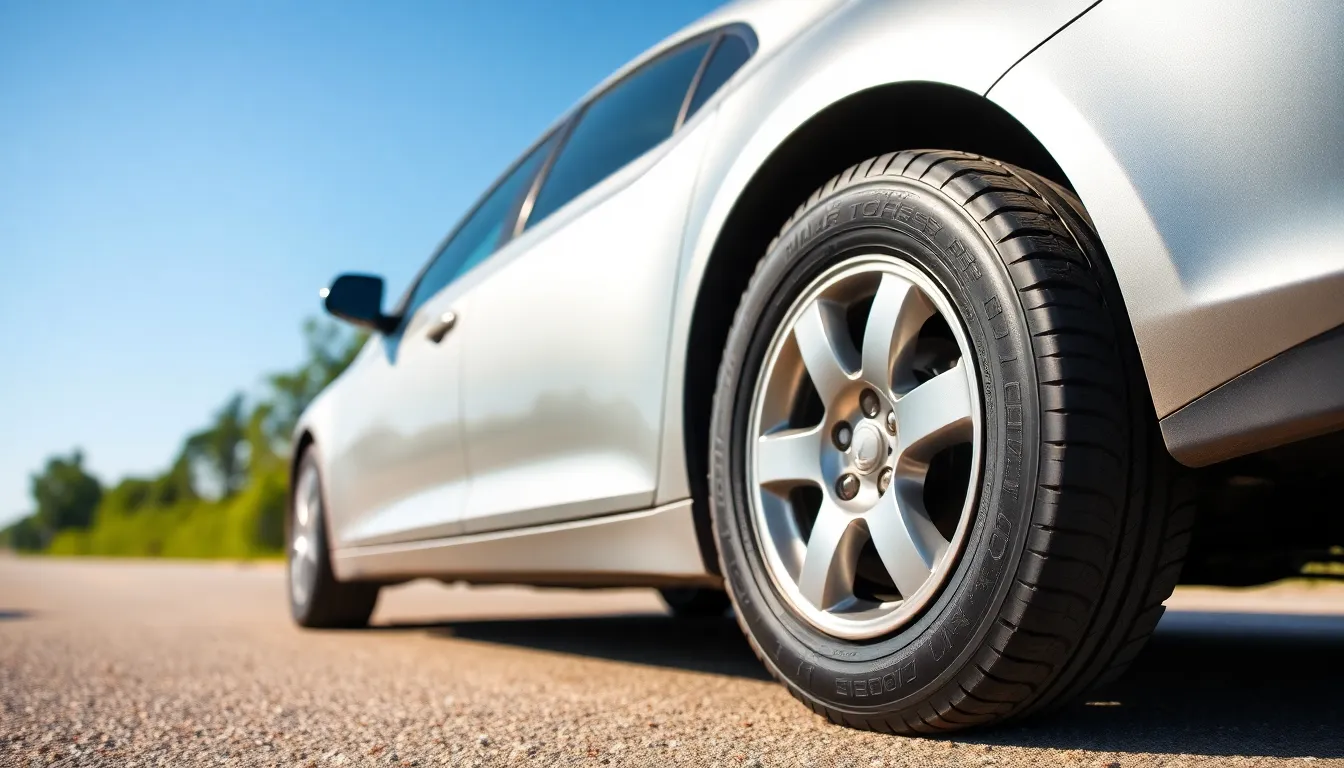
Using the manufacturer-recommended tire size for your 2013 Chevy Cruze delivers several important advantages. Proper tire sizing ensures optimal road contact, maintaining vehicle stability and performance across various driving conditions. Your Cruze’s handling characteristics, braking distance, and cornering ability all depend on having correctly sized tires.
Safety improves significantly with the right tire dimensions. Correctly sized tires provide the intended contact patch with the road, improving traction in dry, wet, and light winter conditions. This translates to more predictable handling and shorter stopping distances when you need them most.
Fuel efficiency remains at its designed level with proper tire sizing. The 2013 Chevy Cruze can achieve up to 39 MPG on highways partly due to appropriate tire specifications that minimize rolling resistance. Incorrect tire sizes often create additional drag, forcing your engine to work harder and consume more fuel.
Ride comfort depends heavily on tire dimensions. The factory-specified balance between sidewall height and wheel diameter ensures a pleasant driving experience with controlled road noise levels. Larger or smaller than recommended tires can introduce unwanted harshness or excessive road vibrations into the cabin.
Vehicle components last longer when paired with correct tire sizes. Improper sizing leads to inaccurate speedometer readings and places additional stress on suspension parts, wheel bearings, and drivetrain components. The trim-exact tire recommendations (215/60R16 for LS, 215/55R17 for Eco, 225/50R17 for LT, and 225/45R18 for LTZ) are carefully calculated to balance performance, comfort, and longevity.
Electronic systems function correctly only with proper tire dimensions. Your Cruze’s anti-lock braking system (ABS), traction control, and stability control all rely on accurate wheel speed data that comes from correctly sized tires rotating at the expected rate.
Upgrading Your 2013 Chevy Cruze Tires

Upgrading your Chevy Cruze tires offers an opportunity to enhance performance, comfort, and safety beyond the factory specifications. Selecting compatible replacements ensures your vehicle maintains optimal handling characteristics while potentially improving aspects that matter most to you.
Compatible Aftermarket Options
Several aftermarket tire options fit perfectly with the 2013 Chevy Cruze’s specifications. All-season tires like the Yokohama Avid Ascend LX provide excellent year-round performance with balanced traction in dry, wet, and light winter conditions. The Pirelli Cinturato P7 All Season Plus 2 delivers enhanced grip and responsiveness while maintaining good fuel efficiency ratings. Radar Dimax AS-8 tires offer a more budget-friendly alternative without significantly compromising quality or performance. These options maintain compatibility with your Cruze’s original equipment specifications while potentially upgrading particular characteristics based on your driving preferences.
Performance Considerations
Tire dimensions significantly impact your Cruze’s driving dynamics and comfort. Larger rim sizes with lower profile tires (such as the 225/45R18 found on LTZ models) deliver sharper handling response and cornering stability at the expense of some ride comfort. Models with more substantial sidewalls like the 215/60R16 configuration absorb road imperfections better, creating a smoother, more comfortable driving experience. Many Cruze owners report finding the mid-size 215/55R17 option (standard on Eco trims) offers an excellent balance between responsive handling and daily comfort.
Maintaining proper load and speed ratings remains crucial when upgrading. Your replacement tires must meet or exceed the minimum load-carrying capacity specified for your Cruze to ensure safety. The seasonal conditions in your area should also guide your tire selection – dedicated winter tires provide superior traction in snow and ice, while performance-oriented summer tires excel in warm, dry conditions but perform poorly in winter weather.
Seasonal Tire Recommendations for the 2013 Cruze
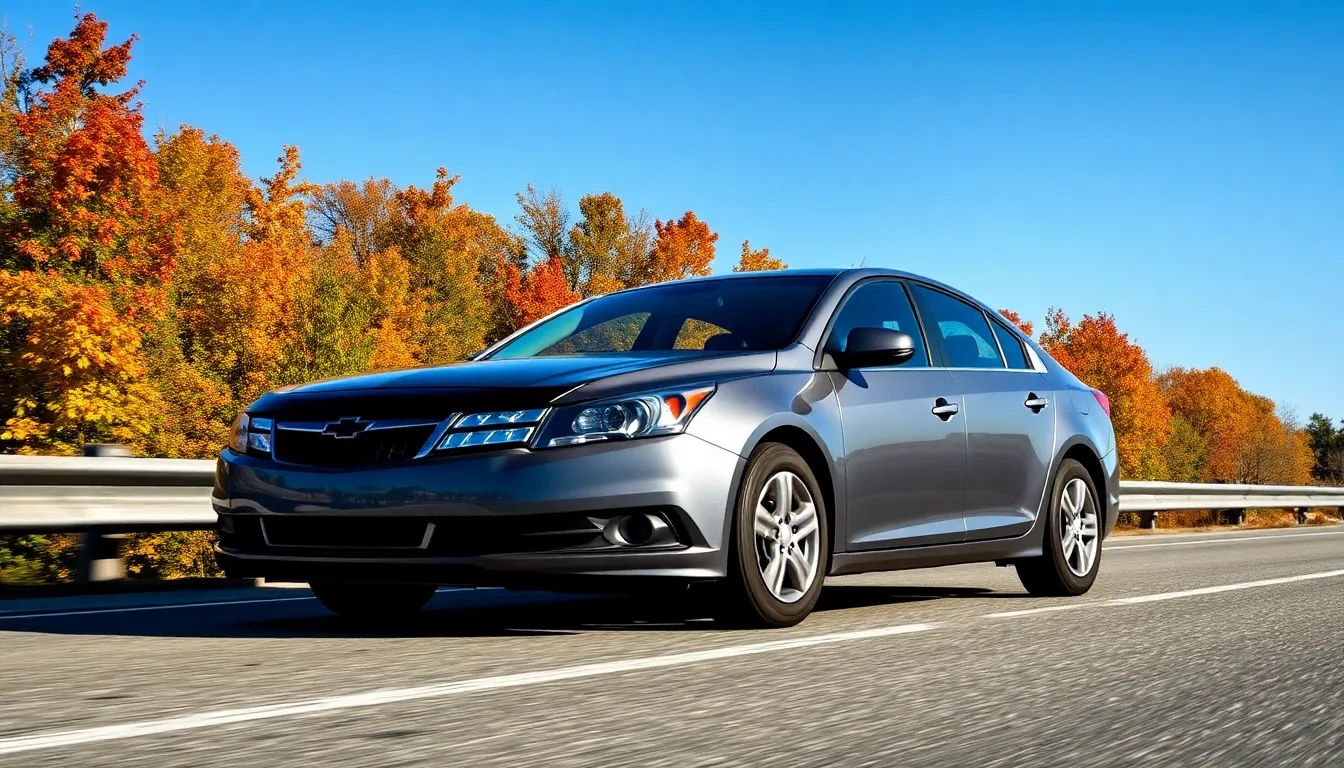
The Chevrolet Cruze performs best with tires that match your local driving conditions and seasonal changes. All-season tires provide excellent year-round performance for most 2013 Cruze owners who drive primarily on paved roads in varied weather conditions. Popular all-season options compatible with the Cruze include the Yokohama Avid Ascend LX, Pirelli Cinturato P7 All Season Plus 2, and Radar Dimax AS-8.
When the 2013 Cruze left the factory, it came equipped with quality tires from respected manufacturers. Original equipment included models like the Michelin Pilot MXM4, Continental ContiProContact, Goodyear Assurance Fuel Max, and Firestone FR710. These factory-installed tires offered a carefully engineered balance between comfort, traction, and fuel efficiency.
For regions with severe winter conditions, dedicated winter tires significantly improve traction and handling on snow and ice. Switch back to all-season or summer tires once temperatures consistently rise above 45°F to prevent premature wear of the softer winter compounds.
Maintaining proper tire pressure (typically 32-35 psi for the 2013 Cruze) optimizes performance regardless of which seasonal tire you choose. Regular rotation every 5,000-7,000 miles extends tire life and ensures even wear across all four tires.
Remember that your tire choice should align with your exact trim level’s size requirements:
| Trim | Recommended Tire Size |
|---|---|
| Eco | 215/55R17 |
| LS | 215/60R16 |
| LT | 225/50R17 |
| LTZ | 225/45R18 |
Selecting tires that match both your driving conditions and your exact Cruze trim helps maintain optimal handling characteristics while ensuring safety in various weather conditions.
Common Tire Issues on the 2013 Chevy Cruze
The 2013 Chevy Cruze experiences several tire-related challenges that owners should monitor regularly. Uneven tire wear ranks among the most frequent problems, often resulting from improper wheel alignment or inadequate tire rotation. Many Cruze owners report premature tread wear, particularly on the outer edges, indicating potential alignment issues that require prompt attention.
Road noise increases significantly as factory tires age, especially with the Continental ContiProContact and Firestone FR710 models that came standard on several Cruze trims. Vibrations at highway speeds might indicate tire balancing problems, which affect both comfort and safety during longer drives.
Maintaining proper tire inflation between 32-35 psi is crucial for the Cruze, as both under and over-inflation lead to performance issues. Under-inflated tires reduce fuel efficiency and compromise the Cruze’s handling capabilities, while over-inflation creates a harsh ride and increases vulnerability to impact damage from potholes.
Seasonal performance limitations appear in original equipment tires, with many standard all-season options struggling in severe winter conditions. The 215/60R16 tires on the LS trim provide adequate wet-weather traction but show reduced grip in snow and ice compared to dedicated winter tires.
Tread life varies significantly across the different OEM tires. The Goodyear Assurance Fuel Max tires found on Eco models prioritize fuel efficiency but typically wear faster than other factory options. Regular rotation every 5,000-7,000 miles extends tire longevity and ensures more consistent wear patterns across all four tires.
Conclusion
Choosing the right tire size for your 2013 Chevy Cruze isn’t just about finding tires that fit—it’s about optimizing your vehicle’s performance safety and efficiency. Whether you stick with factory specifications or explore aftermarket options your tire choice directly impacts handling fuel economy and ride comfort.
Remember to consider your local climate driving habits and performance needs when selecting new tires. Regular maintenance including proper inflation and rotation will extend tire life and preserve your Cruze’s driving dynamics.
By understanding tire size codes load ratings and seasonal variations you’ll make smarter decisions that keep your Chevy Cruze running at its best for years to come. The right tires aren’t just an expense—they’re an investment in your vehicle’s performance and your safety on the road.
Frequently Asked Questions
What is the standard tire size for a 2013 Chevy Cruze?
The standard tire size varies by trim level. The LS model comes with 215/60R16 tires, the LT has 225/50R17, the ECO uses 215/55R17 for better fuel efficiency, and the LTZ features 225/45R18 for optimal performance. Each size is tailored to complement the specific trim’s performance characteristics and styling.
How do I read the tire size markings on my Chevy Cruze?
Tire markings like P215/60R16 break down as follows: “P” indicates passenger vehicle, “215” is the width in millimeters, “60” is the aspect ratio (sidewall height as a percentage of width), “R” means radial construction, and “16” is the wheel diameter in inches. This information helps ensure you select compatible replacement tires.
Can I upgrade to larger tires on my 2013 Cruze?
Yes, you can upgrade, but with limitations. When choosing larger tires, maintain the overall diameter close to original specifications to prevent speedometer inaccuracy and drivetrain stress. Larger rim sizes with lower-profile tires offer sharper handling but may reduce ride comfort. Always maintain proper load and speed ratings.
What are the best all-season tires for the 2013 Chevy Cruze?
Recommended all-season options include the Yokohama Avid Ascend LX and Pirelli Cinturato P7 All Season Plus 2. These tires provide excellent year-round performance, improved grip, and good tread life. They offer a balance of comfort, traction, and fuel efficiency suitable for most driving conditions.
Do I need winter tires for my Chevy Cruze?
If you live in an area with severe winter conditions, dedicated winter tires are strongly recommended. Standard all-season tires don’t provide adequate traction in snow and ice. Winter tires feature specialized rubber compounds that remain flexible in cold temperatures and tread patterns designed to evacuate snow and slush.
What causes uneven tire wear on the 2013 Cruze?
Uneven tire wear typically results from improper wheel alignment, inadequate tire rotation, or incorrect tire pressure. Front tires on the Cruze tend to wear faster due to the front-wheel-drive configuration. Regular alignment checks, maintaining proper inflation, and rotating tires every 5,000-7,000 miles can prevent premature and uneven wear.
How does tire size affect fuel economy in the Chevy Cruze?
Proper tire sizing is crucial for fuel efficiency. Using manufacturer-recommended sizes minimizes rolling resistance, helping the Cruze achieve up to 39 MPG on highways. Oversized tires can increase resistance and reduce fuel economy. The ECO trim’s specific 215/55R17 tires are specially designed to maximize efficiency.
How often should I rotate my Cruze’s tires?
Rotate your tires every 5,000-7,000 miles or according to your owner’s manual (typically every other oil change). Regular rotation ensures even wear across all four tires, extending their lifespan and maintaining consistent handling and traction. Front-wheel-drive vehicles like the Cruze experience more wear on front tires.
What tire pressure is recommended for the 2013 Chevy Cruze?
The recommended tire pressure is typically between 32-35 PSI, but always check the specific recommendation on the driver’s side door jamb sticker. Proper inflation is critical for safety, handling, and fuel economy. Check pressure monthly and before long trips, preferably when tires are cold.
Can mismatched tire sizes damage my Chevy Cruze?
Yes, using mismatched or incorrect tire sizes can damage your vehicle’s transmission and differential, cause inaccurate speedometer readings, and interfere with electronic systems like ABS and traction control. Always use tires that maintain the original equipment’s overall diameter and load capacity to ensure proper vehicle operation.