Wondering about the correct tire size for your 2016 Ford Fusion? Finding the right fit isn’t just about vehicle performance—it’s about your safety and wallet too. With various trim levels and wheel options available for the 2016 Fusion, knowing your exact tire requirements is essential.
Your Ford Fusion deserves tires that complement its sleek design while delivering optimal handling and fuel efficiency. Whether you’re replacing worn-out tires or upgrading to something different, understanding the factory specifications and compatible alternatives will save you time and prevent costly mistakes. Let’s explore everything you need to know about tire sizing for your 2016 Ford Fusion.
Understanding Tire Sizes for the 2016 Ford Fusion
Tire sizes for the 2016 Ford Fusion follow a standardized coding system that provides crucial information about dimensions and specifications. These codes typically appear on the sidewall of your tires and contain three primary measurements: width, aspect ratio, and wheel diameter. For example, a common 2016 Fusion tire size like P215/60R17 indicates a passenger tire that’s 215mm wide with a 60% aspect ratio mounted on a 17-inch wheel.
Reading these codes correctly ensures you’re purchasing compatible replacements for your exact Fusion trim. The first number (215 in our example) represents the tire’s width in millimeters from sidewall to sidewall. Your aspect ratio, the second number, expresses the tire’s height as a percentage of its width—higher numbers indicate taller sidewalls that typically provide a smoother ride.
The final number after the “R” specifies the wheel diameter in inches that the tire fits. Additional markings include load ratings and speed ratings that indicate how much weight the tire can support and the maximum safe speed. Ford designed different Fusion trims with exact tire requirements to balance performance, comfort, and fuel efficiency for each configuration.
Factory-Installed Tire Sizes for 2016 Ford Fusion
The 2016 Ford Fusion comes equipped with exact tire sizes customized to each trim level, optimizing performance, handling, and comfort characteristics. These factory specifications ensure your vehicle operates as designed and maintains proper safety standards.
S and SE Trim Tire Specifications
Entry-level S trim Fusions roll off the factory floor with 215/60R16 tires mounted on 16-inch wheels. These tires offer a good balance of comfort and fuel efficiency, making them ideal for daily driving. SE trim models typically feature larger 235/45R18 tires on 18-inch wheels, providing enhanced handling and a more premium appearance. Some SE variants come equipped with 235/50R17 tires on 17-inch wheels as an intermediate option. Original equipment manufacturers for these trims often include Goodyear Eagle LS-2 and Continental ContiProContact, both designed to complement the Fusion’s driving dynamics.
Titanium and Platinum Trim Tire Specifications
Titanium trim Fusions generally sport 225/50R17 tires fitted on stylish 17-inch wheels. These tires strike an excellent balance between comfort and responsiveness, aligning with the Titanium’s more upscale positioning. Premium Platinum trims may offer optional 235/40R19 tires mounted on 19-inch wheels for drivers seeking more aggressive handling and enhanced visual appeal. All tires across these higher-end trims maintain the recommended pressure of 32 PSI, ensuring optimal performance and longevity regardless of size.
Sport Model Tire Requirements
Ford’s performance-oriented Fusion Sport demands more capable rubber, typically featuring 235/40R19 tires on 19-inch wheels. These wider, lower-profile tires deliver superior grip and cornering capabilities to match the Sport’s enhanced power output. The sportier tire dimensions contribute significantly to the model’s more aggressive stance and driving dynamics. Load index and speed ratings for Sport models often reflect their performance capabilities, with ratings like 94V indicating higher speed capabilities compared to standard trims. The Sport’s specialized tire configuration represents Ford’s commitment to delivering a true sport sedan experience within the Fusion lineup.
How to Read Your 2016 Ford Fusion Tire Size
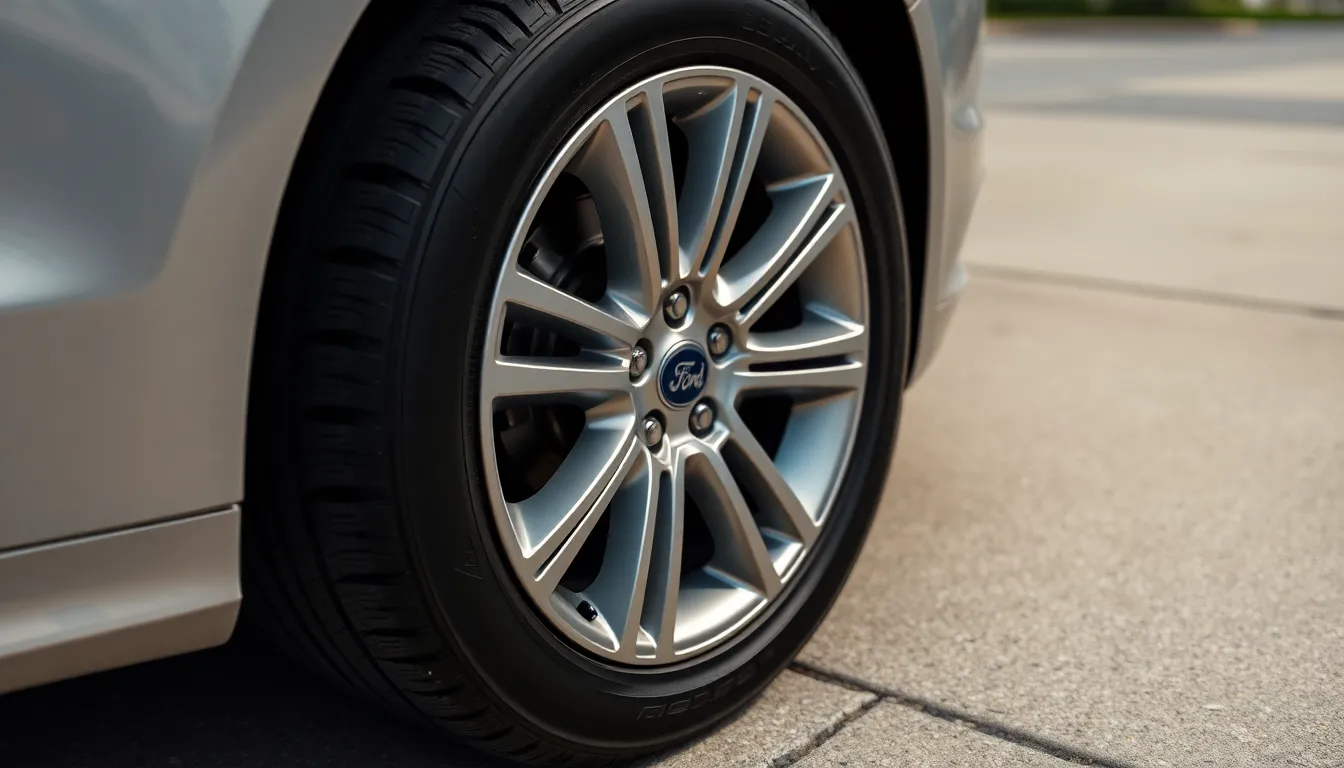
Tire sizes on your 2016 Ford Fusion follow a standardized format that contains crucial information about their dimensions and specifications. Understanding this code helps you select the right replacement tires and maintain optimal vehicle performance.
A typical tire size for the 2016 Fusion, such as 225/50R17, breaks down as follows:
- 225 represents the tire width in millimeters measured across the tread
- 50 indicates the aspect ratio (the sidewall height is 50% of the tire’s width)
- R specifies radial construction, the standard for modern passenger vehicles
- 17 shows the wheel diameter in inches that the tire fits
Decoding the Sidewall Information
The sidewall of your Fusion’s tires contains additional vital information beyond just the size. Load index and speed rating appear after the size designation (for example, 96H). The number “96” corresponds to a exact load capacity—in this case, 1,565 pounds per tire. The letter “H” represents the speed rating, indicating the tire can safely sustain speeds up to 130 mph under optimal conditions.
Manufacturers also include tire pressure recommendations directly on the sidewall. These markings provide general guidelines, though your Fusion has exact pressure requirements that optimize handling and fuel efficiency. DOT codes on the sidewall reveal manufacturing details including the production date, which helps determine tire age and replacement timing.
Where to Find Your Vehicle’s Recommended Tire Size
The driver’s side door jamb of your 2016 Ford Fusion features a sticker or placard that lists the manufacturer’s recommended tire specifications. This information includes the correct tire size, load ratings, and pressure recommendations for your exact trim level. Ford designs these specifications to deliver the ideal balance of performance, comfort, and safety.
Your Fusion’s owner’s manual provides comprehensive information about appropriate tire sizes for each trim variant. The manual includes exact guidance about seasonal tire options and performance considerations for different driving conditions. Many Fusion owners find the manual particularly helpful when considering tire upgrades or replacements.
Trusted tire retailers and the official Ford dealer website maintain databases with stock tire sizes organized by trim and model year. These resources prove invaluable when comparing replacement options or researching compatible tire upgrades for your exact Fusion model. Professional tire specialists can access these databases to ensure you receive the exact specifications required for your vehicle.
Upgrading Your 2016 Ford Fusion Tires
Upgrading your 2016 Ford Fusion tires offers opportunities to enhance performance, appearance, and driving experience. Several alternative sizes fit within factory wheel specifications, allowing customization without compromising safety or function.
Benefits of Different Tire Sizes
Different tire sizes deliver exact advantages for your 2016 Ford Fusion. Larger diameter and wider tires (like 235/45R18 or 235/40R19) improve handling, grip, and braking performance, giving you more confidence during cornering and emergency maneuvers. Narrower or higher-profile tires provide a smoother ride quality and better fuel efficiency by reducing rolling resistance. Upgraded sizes enhance your Fusion’s appearance by filling wheel wells more completely, creating a more aggressive stance.
Common upgrade options include 215/60R16 on 6.5Jx16 ET50 wheels, 235/50R17 on 7.5Jx17 ET55 wheels, 235/45R18 on 8Jx18 ET55 wheels, and 235/40R19 on 8Jx19 ET55 wheels. All these combinations maintain the correct 5x108mm bolt pattern required for your Fusion. The spare tire option includes a compact 125/80R18 on an 18×4.5″ EZ-Spare wheel that’s compatible with all OEM tire sizes.
Performance Considerations When Changing Tire Sizes
Speedometer accuracy gets affected when changing tire diameter, potentially causing incorrect speed readings and inaccurate odometer calculations. Ride quality changes significantly with tire profile modifications—lower-profile tires transfer more road imperfections to the cabin while providing improved responsiveness. Braking and traction typically improve with wider tires, though these benefits come with increased road noise and reduced fuel economy.
Compatibility remains crucial when selecting new tires. Your upgraded tire and wheel combination mustn’t interfere with suspension components or brake calipers. Staying within your Fusion’s weight and load capacity specifications prevents undue stress on drivetrain components. Hybrid and Energi models come standard with 225/50R17 tires that balance efficiency with performance, so deviating significantly from these specifications might impact your vehicle’s fuel economy ratings.
Seasonal Tire Options for Your 2016 Ford Fusion

Selecting the right seasonal tires for your 2016 Ford Fusion enhances safety and performance throughout the year. Different weather conditions demand exact tire characteristics to maintain optimal traction and handling.
Winter Tire Recommendations
Winter tires provide superior traction on snow and ice compared to all-season or summer options. For your 2016 Ford Fusion, choose dedicated winter tires that match your exact trim size—225/50R17 for SE Hybrid models, 235/45R18 for Titanium trims, or 215/60R16 for base S models. The specialized rubber compounds in winter tires stay flexible in freezing temperatures, allowing better grip on slippery surfaces. Deep tread patterns with additional siping effectively channel snow and slush away from the contact patch, dramatically improving braking distances on icy roads. Installing a complete set of four winter tires ensures balanced handling during cold-weather driving conditions.
All-Season vs. Summer Tires
All-season tires offer versatile performance across varying conditions, making them practical for regions with moderate climate fluctuations. These tires feature tread patterns and rubber compounds designed to handle dry roads, rain, and light snow, though they don’t excel in extreme conditions. Summer tires deliver enhanced grip and responsiveness in warm weather due to their specialized rubber compounds and tread designs. The stiffer sidewalls and shallower tread patterns improve cornering ability and dry-road traction for your Fusion. Summer options aren’t suitable for winter driving as their compounds harden in cold temperatures, significantly reducing traction on snow or ice. For most 2016 Ford Fusion owners, all-season tires provide the best balance of performance and convenience unless you experience either harsh winters or prioritize maximum warm-weather handling.
Best Replacement Tires for 2016 Ford Fusion
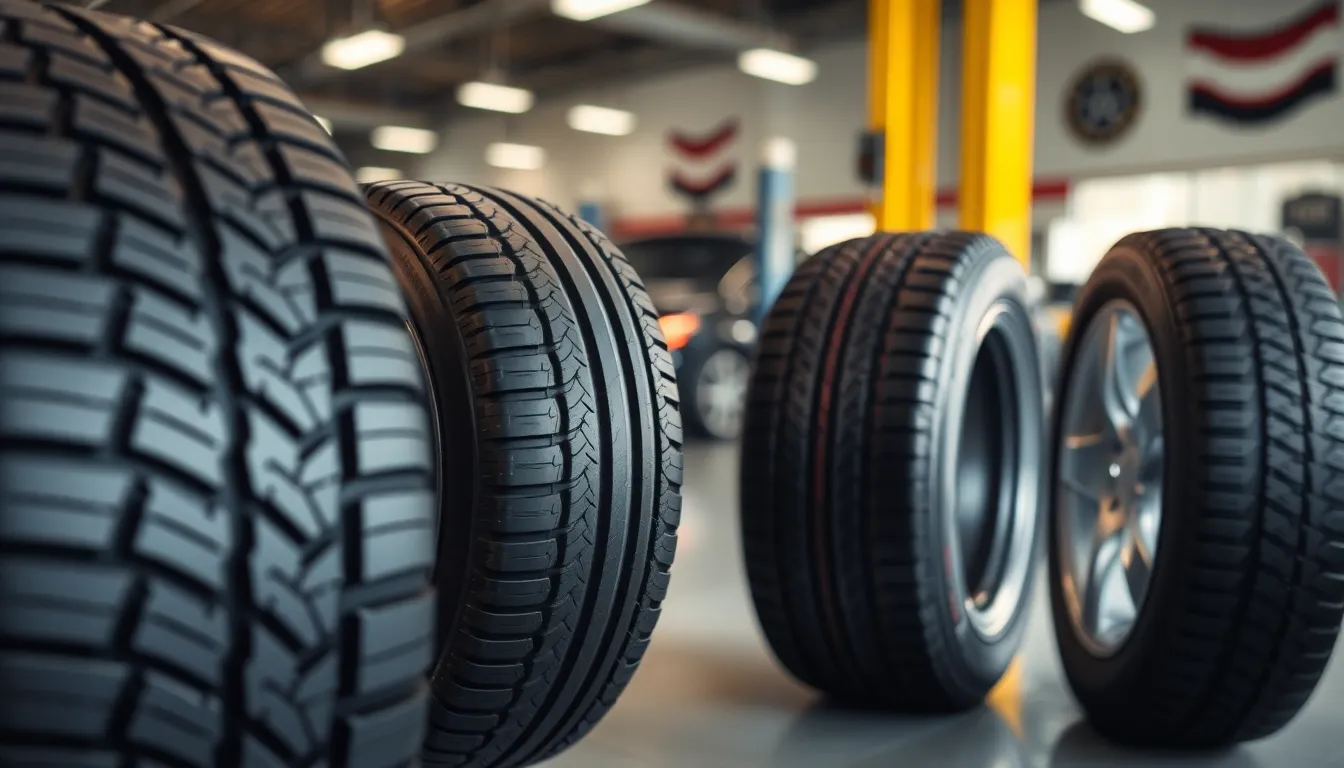
Selecting the right replacement tires for your 2016 Ford Fusion depends on your budget constraints and driving preferences. The right tires enhance your vehicle’s performance while ensuring safety on various road conditions.
Budget-Friendly Options
Budget-conscious Fusion owners have several quality options that don’t compromise on performance. Goodyear Assurance Fuel Max tires offer an excellent balance of fuel efficiency, tread life, and wet traction at a reasonable price point. These tires perform well in everyday driving conditions while helping you save at the pump.
Michelin Defender T+H tires represent another economical choice, known for their impressive longevity and reliable all-season grip. They’re often available at competitive prices during seasonal sales, making them a smart investment for your Fusion.
General Altimax RT43 tires stand out as cost-effective all-season touring options with solid performance characteristics for daily commuting. They’re compatible with common Fusion tire sizes and deliver consistent traction and comfort without very costly.
Premium Tire Choices
For drivers seeking enhanced performance and comfort, premium options deliver noticeable improvements. Michelin Premier A/S tires provide superior wet traction and exceptional comfort across all seasons. Their longer tread life warranty justifies the higher initial investment through extended service periods.
Bridgestone Turanza QuietTrack tires focus on delivering a whisper-quiet ride with premium handling characteristics. These tires excel for Fusion owners who prioritize comfort during their daily commute or longer road trips.
Continental PureContact LS tires offer sporty handling coupled with outstanding wet and dry performance capabilities. They’re particularly suited for Fusion trims equipped with 18-inch or 19-inch wheels, where responsive handling becomes more important.
Premium tire options typically command higher prices but reward Fusion owners with enhanced safety features, improved comfort, and more responsive handling across varied driving conditions.
Conclusion
Selecting the right tire size for your 2016 Ford Fusion isn’t just about following specifications—it’s about optimizing your driving experience. Whether you stick with factory sizes or explore upgrade options your choice impacts handling safety and fuel efficiency.
Remember to check your exact trim requirements before making a purchase. The proper tires—whether all-season winter or performance—will enhance your Fusion’s capabilities while ensuring your safety on the road.
With the information from this guide you can confidently select tires that match both your vehicle’s needs and your driving preferences. The right tire investment delivers peace of mind and extends the life of your Ford Fusion while maintaining its performance characteristics.
Frequently Asked Questions
What tire size does a 2016 Ford Fusion S trim use?
The 2016 Ford Fusion S trim comes standard with 215/60R16 tires. These tires are designed to provide a balance of comfort, fuel efficiency, and adequate performance for daily driving conditions. You can verify this information on the driver’s side door jamb sticker or in your owner’s manual.
How do I read the tire size code on my Ford Fusion?
Tire size codes like P215/60R17 break down as follows: “P” means passenger vehicle, “215” is the width in millimeters, “60” is the aspect ratio (height as percentage of width), “R” indicates radial construction, and “17” is the wheel diameter in inches. This standardized format helps you identify compatible replacement tires for your specific Fusion trim.
Can I upgrade to larger tires on my 2016 Fusion?
Yes, you can upgrade to larger tires on your 2016 Fusion, but with limitations. Common upgrades include going from 16″ to 17″ or 18″ wheels. When upgrading, maintain a similar overall tire diameter (within 3%) to avoid affecting speedometer accuracy, clearance issues, or performance. Always consult with a tire professional before making significant changes.
What tire size does the 2016 Fusion Titanium use?
The 2016 Ford Fusion Titanium trim comes standard with 225/50R17 tires. These tires offer a good balance between comfort and sporty handling appropriate for the premium trim level. Some Titanium models may have been equipped with optional 235/40R19 tires for enhanced performance and appearance.
Are winter tires necessary for the 2016 Ford Fusion?
Winter tires are recommended for 2016 Ford Fusion owners who regularly drive in snow, ice, or temperatures below 45°F (7°C). Common winter tire sizes include 225/50R17 for SE Hybrid models and 235/45R18 for Titanium trims. While all-season tires work for mild winters, dedicated winter tires provide significantly better traction and braking in harsh winter conditions.
What are the best budget-friendly tires for a 2016 Fusion?
Top budget-friendly tires for the 2016 Fusion include the Goodyear Assurance Fuel Max, Michelin Defender T+H, and General Altimax RT43. These options offer good all-season performance, reasonable tread life, and fuel efficiency without premium pricing. They provide reliable handling and comfort for everyday driving conditions while being easier on your wallet.
How often should I replace tires on my 2016 Ford Fusion?
Tires on a 2016 Ford Fusion typically need replacement every 40,000-60,000 miles, depending on driving habits, road conditions, and tire quality. Check tread depth regularly using the penny test (insert a penny with Lincoln’s head upside down; if you can see the top of his head, it’s time for new tires) and watch for uneven wear patterns.
Will changing my tire size affect fuel economy?
Yes, changing tire size can affect fuel economy on your 2016 Fusion. Larger, wider tires typically increase rolling resistance, potentially reducing MPG by 1-2%. Conversely, narrower tires with higher pressure ratings may slightly improve fuel efficiency. Maintaining proper inflation is more important for fuel economy than small size changes, as underinflated tires can reduce efficiency by up to 3%.