
Ever encountered a “steering assist is reduced” warning on your dashboard? This unsettling message often appears when your vehicle’s power steering system detects a malfunction, potentially affecting your ability to control your car safely.
When this warning lights up, you’ll likely notice your steering wheel becomes significantly harder to turn. This isn’t just an annoying dashboard notification—it’s your vehicle alerting you to a potentially serious issue that requires attention. Whether it’s caused by electrical problems, fluid leaks, or sensor malfunctions, understanding what triggers this warning can help you address the problem before it compromises your safety on the road.
Understanding the “Steering Assist Is Reduced” Warning
The “Steering Assist Is Reduced” warning illuminates on your dashboard when your vehicle’s power steering system isn’t functioning at full capacity. This alert indicates that the electronic power steering (EPS) system has detected an issue and automatically limited its assistance to protect the system from further damage. Modern vehicles use sophisticated sensors and control modules to monitor steering performance, triggering this warning when parameters fall outside normal operating ranges.
When this warning appears, you’ll immediately notice increased steering effort, especially at lower speeds where power assistance is most noticeable. Your steering wheel becomes significantly heavier to turn, requiring more physical force to navigate turns and maneuvers. This change in steering feel isn’t just inconvenient—it’s a safety concern that demands attention, particularly in emergency situations where quick steering inputs may be necessary.
The timing of this warning varies depending on the underlying cause. Some drivers report seeing this alert after starting their vehicle on cold mornings, while others notice it appearing suddenly during normal driving. Liam Kohn, our automotive specialist, recently encountered this issue with his 2018 SUV during a road trip. “The warning flashed on my dashboard while driving on the highway. The steering immediately felt noticeably stiffer, making lane changes more challenging,” he shares.
Different vehicle manufacturers display this warning in various ways. General Motors vehicles typically show “Service Power Steering” or “Power Steering Assist Reduced” on the driver information center. Ford models might display “Steering Assist Fault” or “Steering Assist Reduced” with an accompanying steering wheel icon. Toyota and Honda vehicles often use similar terminology but may include exact diagnostic codes that your mechanic can interpret to pinpoint the exact issue.
Common Causes of Reduced Steering Assist

When your vehicle displays the “steering assist is reduced” warning, it’s indicating that your power steering system isn’t functioning at full capacity. Several common issues can trigger this warning, ranging from electrical problems to fluid issues and sensor malfunctions.
Electrical System Issues
Modern vehicles primarily use electric power steering (EPS) or electro-hydraulic systems that depend on electrical components to function properly. A failing battery can’t provide sufficient power to the steering system, resulting in reduced assist. Alternator problems similarly compromise the electrical supply needed for optimal steering performance. Loose or damaged wiring connections interrupt the power flow to crucial steering components. Blown fuses act as a common culprit, cutting off electricity to the steering system entirely. The electronic control unit (ECU) might also develop faults that prevent it from properly regulating steering assistance levels.
Power Steering Fluid Problems
Hydraulic power steering systems rely on specialized fluid to transmit power and lubricate components. Low fluid levels from leaks or inadequate maintenance directly reduce steering assistance, making your wheel harder to turn. Old or contaminated fluid loses its hydraulic properties and creates increased resistance within the system. Distinctive warning signs include difficulty turning the wheels, unusually stiff steering, and noticeable squealing or groaning noises when turning. Foaming or bubbling visible in the fluid reservoir typically indicates either a leak or air infiltration, both of which compromise system performance. Damaged hoses, worn seals, or a failing pump cause fluid leaks that progressively diminish your power steering function.
Steering Sensor Malfunctions
Torque sensors in electric power steering systems continuously monitor steering wheel movement and resistance to calculate appropriate assistance levels. Failed sensors can’t provide accurate data to the control unit, leading to reduced or disabled steering assist. Wiring problems connecting these sensors to the main computer often result in intermittent steering assist issues. Calibration errors cause sensors to misinterpret driver input, providing incorrect assistance levels. Physical damage to sensors from impacts or wear progressively degrades steering performance. Addressing sensor issues promptly prevents complete steering assist failure and maintains proper vehicle control.
Safety Implications When Steering Assist Is Reduced

Reduced steering assist significantly increases accident risk due to compromised vehicle control. The steering becomes noticeably heavier, leading to increased driver fatigue and delayed reaction times in critical situations.
How Driving Dynamics Change
When steering assist is reduced, your vehicle’s performance undergoes substantial changes that affect driving safety. The steering system becomes sluggish and less responsive to your inputs, making the car feel heavier to maneuver. Sharp turns and quick maneuvers become particularly challenging, especially in sports cars or vehicles designed for agile handling. Your vehicle’s responsiveness diminishes considerably, potentially extending braking distances during emergency situations. These changes in driving dynamics are most noticeable in tight spaces or crowded areas where precise control is essential.
Precautionary Measures While Driving
Adopting several safety measures helps minimize risks when experiencing reduced steering assist. Drive cautiously by avoiding sudden turns or abrupt movements that might place additional strain on your compromised power steering system. Make frequent stops during your journey to allow the power steering system to cool down, preventing potential overheating and further degradation. Limit steering adjustments by minimizing the use of steering wheel tilt and telescoping features to reduce stress on the affected system. Perform regular maintenance checks on power steering fluid levels and electrical components to prevent system malfunctions from worsening. These preventative actions help maintain adequate vehicle control until proper repairs can be completed.
Diagnosing Steering Assist Problems
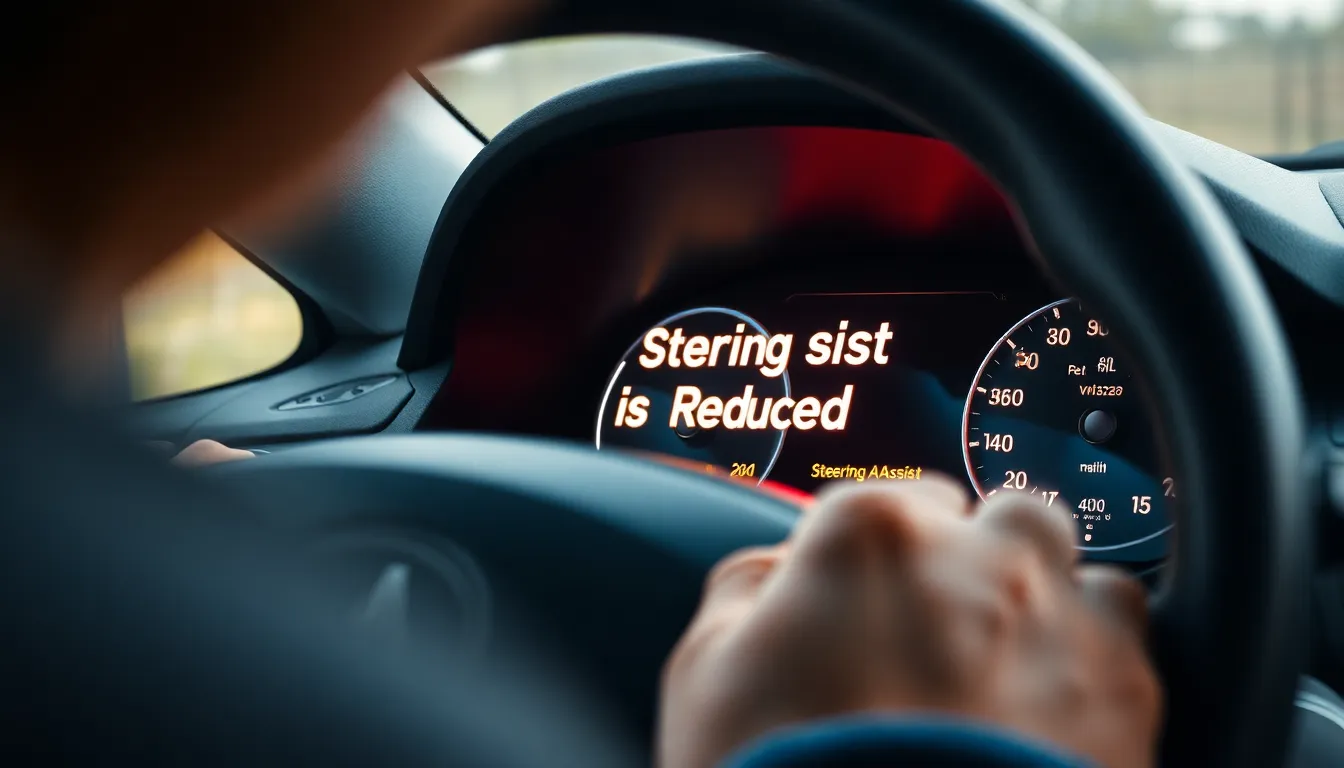
When your vehicle displays “Steering Assist is Reduced,” it’s indicating a malfunction in the power steering system that requires attention. This warning can stem from several issues including power steering fluid problems, electrical system faults, or sensor failures that affect your vehicle’s steering performance.
Warning Signs to Watch For
Dashboard warning lights are the most obvious indicator, typically displaying “Steering Assist is Reduced, Drive with Care” on your instrument panel. You’ll notice increased steering effort as the wheel becomes significantly harder to turn, especially at lower speeds. Unusual noises such as whining or squealing sounds coming from under the hood often accompany steering problems. Erratic or unpredictable steering assistance might occur where the power assist works intermittently or inconsistently. Visible fluid leaks beneath your vehicle point to hydraulic system issues in traditional power steering setups. Intermittent steering loss at various speeds is particularly dangerous and demands immediate attention for your safety.
DIY Troubleshooting Steps
Checking your battery and electrical system is the first step—use a multimeter to verify battery voltage and ensure terminals are clean and secure. Inspect the power steering fluid in hydraulic systems by checking both level and quality, topping up or replacing if it’s low or contaminated. Scan for error codes using an OBD2 scanner to retrieve and interpret any stored diagnostic trouble codes related to your steering system. Examine steering angle, speed, and temperature sensors for visible damage or disconnection that might trigger warning messages. Look for leaks by visually inspecting under your car and around the power steering components for any fluid puddles or wet spots. Check fuses and wiring connected to the power steering system for damage or corrosion that could interrupt electrical flow.
If these DIY steps don’t resolve your steering assist issue, professional diagnostics are necessary to prevent safety risks. Addressing steering warnings promptly helps maintain control of your vehicle and prevents more expensive repairs down the road.
Professional Repair Options and Costs

When your vehicle’s “steering assist is reduced” warning appears, professional repair becomes necessary to restore proper steering function. The repair approach and costs vary significantly based on the underlying issue and where you choose to have the work performed.
Dealer vs. Independent Shop Repairs
Dealerships offer specialized expertise with direct access to original equipment manufacturer (OEM) parts and proprietary diagnostic tools exact to your vehicle’s make and model. Factory-trained technicians at dealerships guarantee repairs with manufacturer warranties, but this premium service comes at a higher price point. For instance, a Tesla Model S owner faced a $3,600 bill for steering gear assembly replacement following a “steering assist reduced” alert, with the part alone costing approximately $2,800.
Independent repair shops provide a more budget-friendly alternative with lower labor rates and flexible parts options, including aftermarket or quality used components. These shops excel at handling common steering assist issues like battery replacements, alternator repairs, or accessory belt adjustments at competitive prices. The tradeoff involves potentially variable quality and limited warranty coverage compared to dealership repairs.
Typical Repair Expenses
Repair costs for steering assist issues depend on the exact component needing attention:
| Repair Type | Cost Range |
|---|---|
| Battery Replacement | $100–$350 |
| Alternator Replacement | $120–$700 |
| Accessory Belt Replacement | Around $120 |
| Thermostat Replacement | $15–$380 |
| Steering Gear Assembly | $2,800+ (luxury vehicles) |
| Software Updates/Recalibrations | $0–$150 |
Vehicles equipped with Advanced Driver Assistance Systems (ADAS) typically involve higher repair costs, with ADAS-related repairs averaging $360 or more. The complexity increases significantly when steering components integrate with these advanced systems, particularly in newer vehicle models.
Early diagnosis remains critical to prevent the issue from escalating into more expensive repairs. Minor electrical problems addressed promptly might cost a few hundred dollars, while delaying repairs can lead to complete steering system failures requiring thousands in repairs, especially if the steering gear or electric power steering module needs replacement.
Preventing Steering Assist Reduction

Preventing steering assist reduction requires proactive maintenance and regular inspection of critical steering system components. Taking preventive steps not only helps avoid the inconvenience of reduced steering assist but also extends the lifespan of your vehicle’s steering system while ensuring optimal safety on the road.
Regular Maintenance Tips
Checking and maintaining power steering fluid levels is essential for hydraulic systems—inspect the reservoir regularly and top off as needed. Replace dirty or burnt-smelling fluid according to your vehicle manufacturer’s recommended schedule to prevent system deterioration. Monitor your battery health by cleaning terminals, checking voltage, and replacing aging batteries, as low voltage directly impacts electric steering system performance.
Schedule routine inspections of steering components with a qualified mechanic to detect early signs of wear in pumps, belts, and hoses before they cause system failures. Keep sensors and cameras clean on vehicles equipped with advanced driver-assistance systems, as dirt or debris can interfere with steering assist functions and trigger warning messages.
Following your vehicle’s maintenance schedule precisely helps catch potential steering issues before they manifest as reduced assist warnings. Avoid extreme driving conditions when possible, as excessive heat from prolonged turning at low speeds can strain the power steering system and trigger temporary assist reduction.
Components That Require Attention
The power steering fluid reservoir and lines need regular inspection for leaks, cracks, and fluid degradation which can compromise steering performance. Your power steering pump generates the necessary hydraulic pressure in traditional systems or powers the electric assist mechanisms—any unusual noises from this component warrant immediate attention.
For vehicles with hydraulic steering, the serpentine belt drives the power steering pump, and its failure directly results in reduced or lost assist. Electronic sensors and wiring connections throughout the steering system must remain intact and properly connected to ensure accurate data transmission and proper control signals.
Battery health and electrical connections require consistent monitoring since they provide the steady voltage needed for electronic steering systems to function properly. The steering rack or gear assembly should be inspected for excessive play or resistance, as mechanical issues here often manifest as steering assist problems.
Pay special attention to steering angle sensors and torque sensors that provide crucial input data to the power steering control module. Control modules and actuators that interpret sensor data and adjust steering assist accordingly need protection from water damage and electrical surges that could cause system malfunctions.
ChatGPT: ## Preventing Steering Assist Reduction
Preventing steering assist reduction requires proactive maintenance and regular inspection of critical steering system components. Taking preventive steps not only helps avoid the inconvenience of reduced steering assist but also extends the lifespan of your vehicle’s steering system while ensuring optimal safety on the road.
Regular Maintenance Tips
Checking and maintaining power steering fluid levels is essential for hydraulic systems—inspect the reservoir regularly and top off as needed. Replace dirty or burnt-smelling fluid according to your vehicle manufacturer’s recommended schedule to prevent system deterioration. Monitor your battery health by cleaning terminals, checking voltage, and replacing aging batteries, as low voltage directly impacts electric steering system performance.
Schedule routine inspections of steering components with a qualified mechanic to detect early signs of wear in pumps, belts, and hoses before they cause system failures. Keep sensors and cameras clean on vehicles equipped with advanced driver-assistance systems, as dirt or debris can interfere with steering assist functions and trigger warning messages.
Following your vehicle’s maintenance schedule precisely helps catch potential steering issues before they manifest as reduced assist warnings. Avoid extreme driving conditions when possible, as excessive heat from prolonged turning at low speeds can strain the power steering system and trigger temporary assist reduction.
Components That Require Attention
The power steering fluid reservoir and lines need regular inspection for leaks, cracks, and fluid degradation which can compromise steering performance. Your power steering pump generates the necessary hydraulic pressure in traditional systems or powers the electric assist mechanisms—any unusual noises from this component warrant immediate attention.
For vehicles with hydraulic steering, the serpentine belt drives the power steering pump, and its failure directly results in reduced or lost assist. Electronic sensors and wiring connections throughout the steering system must remain intact and properly connected to ensure accurate data transmission and proper control signals.
Battery health and electrical connections require consistent monitoring since they provide the steady voltage needed for electronic steering systems to function properly. The steering rack or gear assembly should be inspected for excessive play or resistance, as mechanical issues here often manifest as steering assist problems.
Pay special attention to steering angle sensors and torque sensors that provide crucial input data to the power steering control module. Control modules and actuators that interpret sensor data and adjust steering assist accordingly need protection from water damage and electrical surges that could cause system malfunctions.
Conclusion
When you encounter a “steering assist is reduced” warning don’t ignore it. This alert signals a potentially serious issue with your vehicle’s power steering system that affects both safety and control.
Address the problem promptly through DIY troubleshooting or professional diagnosis. Regular maintenance including checking fluid levels battery health and steering components can help prevent this issue entirely.
Remember that driving with reduced steering assist increases accident risk and causes driver fatigue. The repair costs vary based on the underlying cause but early intervention prevents more expensive repairs down the road.
Your vehicle’s steering system is crucial for safe operation. Taking proactive steps ensures you maintain control while protecting your investment and everyone’s safety.
Frequently Asked Questions
What does “Steering Assist is Reduced” warning mean?
This warning indicates that your vehicle’s power steering system has detected a problem and has limited its assistance to prevent further damage. You’ll notice increased steering effort, especially at lower speeds, making the steering wheel feel heavier and more difficult to maneuver. This is a safety feature designed to alert you to a potential issue with your electronic power steering (EPS) system.
Is it safe to drive with reduced steering assist?
Driving with reduced steering assist significantly increases accident risk due to compromised vehicle control. The steering becomes heavier, causing driver fatigue and delayed reactions. If you must drive, proceed with extreme caution: avoid sudden movements, drive at moderate speeds, and make frequent stops to allow the system to cool. Seek repairs as soon as possible for your safety.
What causes the steering assist reduced warning?
Common causes include electrical system issues (failing battery, alternator problems, loose wiring, blown fuses), power steering fluid problems (low levels, contamination, leaks), and steering sensor malfunctions. Modern vehicles use either electric power steering (EPS) or electro-hydraulic systems, both of which can experience these issues. Temperature extremes and aging components can also trigger this warning.
How can I diagnose steering assist problems myself?
Start by checking your battery connections and voltage (should be 12.6V or higher). Inspect power steering fluid levels and condition if your vehicle uses hydraulic assistance. Look for visible leaks around the steering rack and hoses. Use an OBD-II scanner to check for error codes. Inspect steering sensors and wiring for damage. If these checks don’t resolve the issue, seek professional help.
How much does it cost to fix reduced steering assist?
Repair costs vary based on the underlying cause and vehicle model. Expect to pay $100-200 for battery replacements, $300-500 for alternator repairs, $200-400 for power steering fluid system repairs, $300-800 for sensor replacements, and $800-1,500 for steering gear assembly replacements. Advanced Driver Assistance Systems (ADAS) can increase costs. Early diagnosis typically results in more affordable repairs.
How can I prevent steering assist problems?
Regularly check power steering fluid levels and condition (if applicable). Maintain proper battery health with routine testing. Follow your vehicle’s maintenance schedule for steering system inspections. Avoid extreme driving conditions when possible. Ensure electronic sensors and wiring connections remain intact and protected from damage. Address unusual steering behavior promptly before small issues develop into major problems.
Do different car manufacturers use different warning messages?
Yes, manufacturers use different terminology for the same issue. General Motors vehicles typically display “Power Steering Assist Reduced,” Ford models show “Steering Assist Fault,” Toyota vehicles may indicate “EPS System Warning,” and Honda often uses “EPS Problem” or “Check Power Steering System.” Despite the different wording, all these warnings indicate a problem with the power steering assistance system.
When should I seek professional help for steering problems?
Seek professional help immediately if: the warning persists after your troubleshooting attempts, steering effort increases significantly, you hear unusual noises when turning the wheel, your vehicle pulls to one side, or the steering wheel vibrates excessively. Don’t delay repairs if you notice fluid leaks or if the problem occurs intermittently, as these can indicate developing issues.