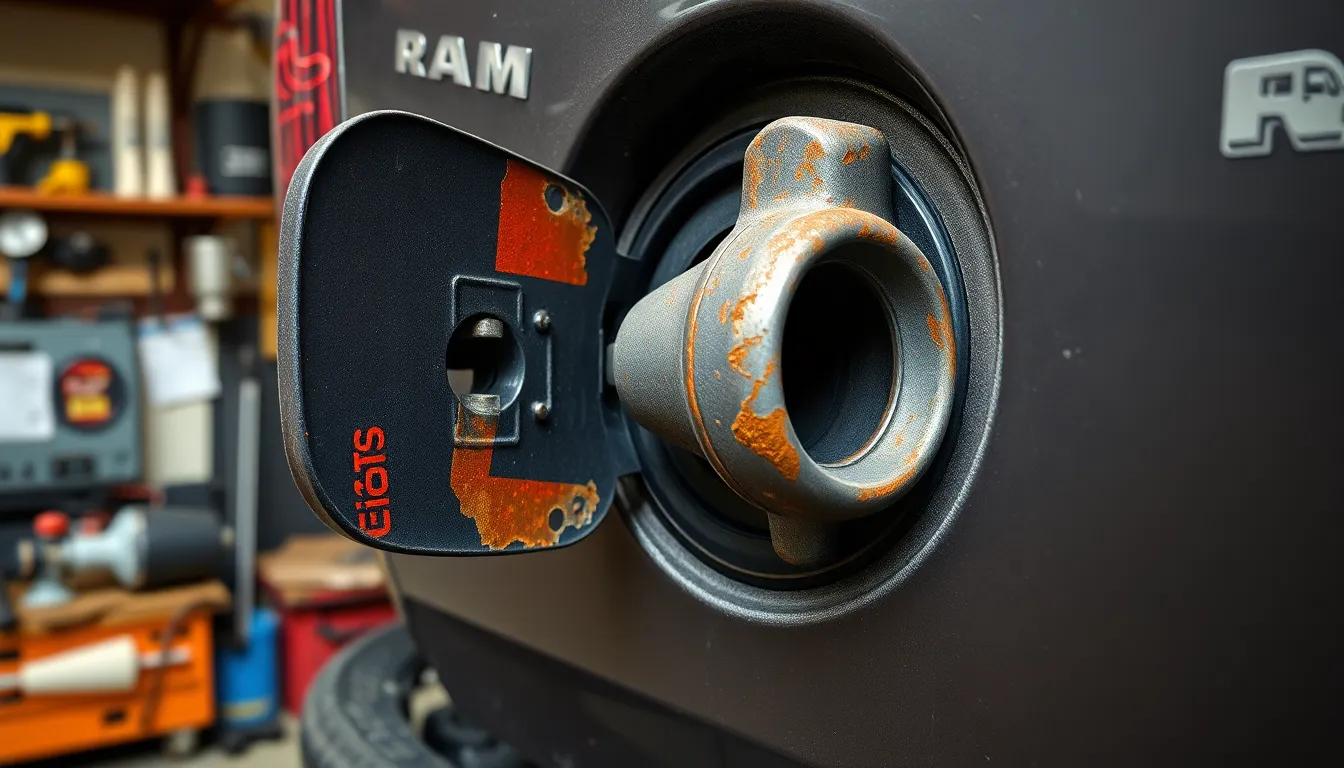
Dealing with Ram 1500 fuel filler neck problems? That frustrating smell of gasoline or the dreaded “check engine” light could indicate an issue that’s more common than you might think. These problems affect thousands of Ram 1500 owners and can lead to failed emissions tests, fuel leakage, and even safety hazards.
Whether you’re experiencing difficulty refueling, noticing fuel odors, or seeing rust around your truck’s fuel neck area, understanding these issues is crucial for proper maintenance. Many Ram 1500 owners report similar symptoms across multiple model years, suggesting this isn’t just an isolated occurrence. With repair costs potentially ranging from $200 to over $800, knowing when to address these problems can save you important hassle and expense.
Understanding the Ram 1500 Fuel Filler Neck System
The Ram 1500’s fuel filler neck system connects your gas tank to the external fuel cap where you insert the gas pump nozzle. This tubular component guides fuel from the filling point to the tank while preventing spillage and maintaining proper pressure. The system includes several key parts: the filler neck itself, a rubber grommet that seals the connection, and various clamps and fasteners that secure everything in place.
Each component plays a crucial role in your truck’s fuel delivery system. The main tube carries gasoline directly to your tank, while check valves prevent fuel from flowing backward during acceleration or braking. Special design features also help trap harmful fuel vapors, directing them to the evaporative emissions system rather than releasing them into the atmosphere.
Ram designed this system with multiple safety measures to prevent fuel leaks and reduce fire hazards. Vapor recovery systems capture gas fumes during refueling, while pressure relief mechanisms help maintain proper tank pressure regardless of temperature changes or altitude differences. These engineering details explain why problems with this system can affect both performance and safety.
Liam Kohn, who has inspected hundreds of Ram trucks, notes that “the filler neck’s placement near the wheel well exposes it to road debris and moisture, making it particularly vulnerable to damage compared to other fuel system components.” This location factor often contributes to the premature wear many Ram 1500 owners experience with their fuel filler necks.
Common Fuel Filler Neck Problems in Ram 1500 Trucks
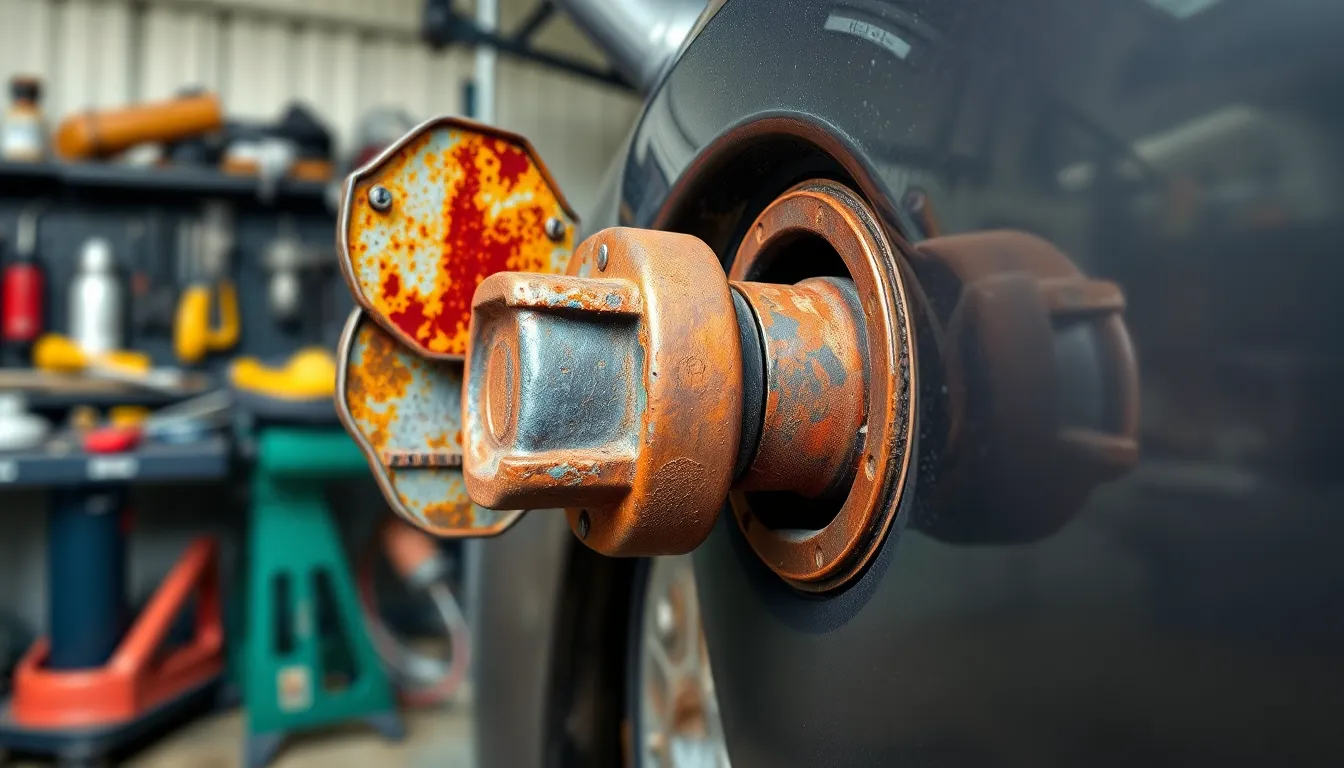
Ram 1500 trucks experience several recurring fuel filler neck issues that cause frustration for owners. These problems often appear gradually and can significantly impact your vehicle’s performance and safety over time.
Rust and Corrosion Issues
Rust and corrosion represent the most common deterioration affecting Ram 1500 fuel filler necks. The component’s location near the wheel well exposes it to moisture, road salt, and debris, accelerating the oxidation process. Over time, these elements eat away at the metal, creating weak points and eventually holes that compromise the seal between the filler neck and the fuel tank. Trucks operated in regions with harsh weather conditions or heavy road salt usage face accelerated deterioration rates. The structural weakness from rust often manifests as fuel odors inside the vehicle or visible fuel dripping underneath when parked.
Leaking Fuel During Refueling
Fuel spillage during refueling plagues many Ram 1500 owners and stems from multiple design flaws. The 2015 and newer models feature a steeply angled filler neck that frequently causes gas pump nozzles to become lodged or triggers premature shutoffs. This design issue has proven so problematic it sparked a class-action lawsuit citing safety concerns from fuel spills. Vent tube blockages compound the problem when the charcoal canister in the EVAP system becomes clogged, restricting proper airflow and causing fuel to back up and spill out during filling. Expert Liam Kohn notes, “The frequent customer complaints about gas splashing back during refueling almost always trace back to compromised venting in the filler neck assembly.”
Check Engine Light Activation
Check engine light illumination often signals fuel filler neck problems in Ram 1500 trucks. Malfunctions in the EVAP system trigger fault codes when the system detects pressure irregularities caused by blockages or damaged components. The rollover valve integrated into the fuel tank frequently restricts fuel flow when it malfunctions, creating pressure build-up that the computer interprets as a system failure. Some owners report successful resolution only after replacing both the fuel tank and fill neck components. Diagnostic testing typically reveals codes P0440, P0442, or P0455, indicating evaporative emission control system malfunctions directly related to the filler neck assembly. These warning lights shouldn’t be ignored, as they indicate potential safety issues beyond mere emissions concerns.
Signs Your Ram 1500 Has a Faulty Fuel Filler Neck
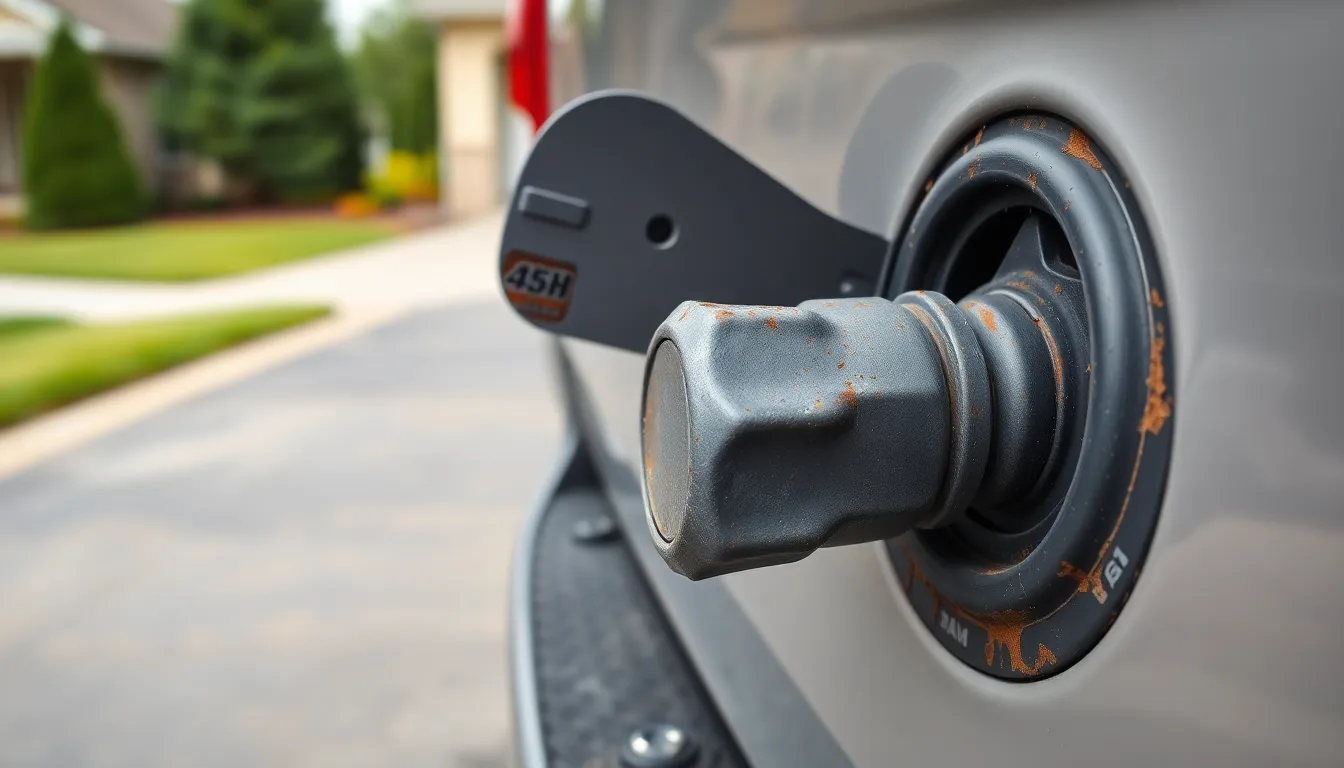
Recognizing the symptoms of a failing fuel filler neck in your Ram 1500 helps you address problems before they worsen. These telltale signs often manifest during regular use and refueling operations, alerting you to potential issues with this critical component.
Fuel Odor Around the Vehicle
A persistent gasoline smell surrounding your Ram 1500 strongly indicates a compromised fuel filler neck. This odor becomes particularly noticeable when your truck sits parked for extended periods or immediately after refueling. Many Ram owners report detecting the smell near the rear wheel well area, where the filler neck connects to the fuel tank. The gasoline scent occurs because damaged or corroded filler necks allow fuel vapors to escape through small cracks or loose connections rather than remaining contained within the fuel system. These escaped vapors pose both environmental concerns and potential fire hazards, making immediate attention essential when you detect this warning sign.
Visible Damage or Rust
External deterioration of your fuel filler neck provides clear visual evidence of developing problems. Rust patches, corrosion, or physical damage around the fuel door area or along the visible portions of the filler neck demand immediate attention. Expert Liam Kohn points out that “the filler neck’s position near the wheel well exposes it constantly to moisture, road salt, and debris, accelerating corrosion rates compared to other fuel system components.” Close inspection might reveal loose mounting brackets, damaged rubber grommets, or worn clamps that compromise the seal between components. Physical damage often appears as dents, cracks, or bent sections resulting from road debris impacts or minor collisions that affected the truck’s side panels near the fuel door.
Failed Emissions Tests
A faulty fuel filler neck commonly leads to emissions test failures for Ram 1500 owners. Diagnostic scans typically reveal evaporative system leak codes such as P0455 or P0456, directly linked to compromised filler neck components. These failures occur because the fuel filler neck forms a critical part of the evaporative emissions control (EVAP) system, responsible for containing fuel vapors. Damaged filler necks prevent proper pressure maintenance within the system, triggering the check engine light and registering as vapor leaks during testing procedures. One Ram 1500 owner shared their experience: “My truck failed emissions three times before a technician finally traced the problem to a hairline crack in the filler neck – something that wasn’t visibly obvious but caused persistent EVAP system failures.” Testing facilities specifically measure evaporative emissions during inspections, making these issues virtually impossible to hide or bypass during official testing.
Causes of Ram 1500 Fuel Filler Neck Failures
Ram 1500 fuel filler neck problems stem from several key factors that affect the vehicle’s refueling system. These issues have frustrated many owners and led to many complaints, warranty claims, and even legal action in recent years.
Design Flaws
The 2015 Ram 1500 redesign introduced a steeper-angled fuel filler neck that created important refueling difficulties. This poorly conceived design causes gas pump nozzles to become lodged inside the filler neck, making refueling frustratingly slow and often requiring emergency assistance to free stuck nozzles. Fuel pumps frequently shut off prematurely due to this steep angle, forcing drivers to fill their tanks in small increments rather than in one continuous flow. The situation became so problematic that owners initiated a class-action lawsuit, citing the design as both unsafe and inefficient for daily use.
Blockages in the system’s vent tubes compound these issues by restricting proper airflow during refueling. Malfunctioning rollover valves further complicate matters by disrupting the release of fuel vapors, creating pressure buildup that triggers early pump shutoffs. Newer Ram 1500 models featuring capless fuel systems face even greater sensitivity to these venting and alignment problems, as the simplified entry point offers less forgiveness for design imperfections.
Environmental Factors
Cold weather significantly worsens Ram 1500 fuel filling problems. Owners report more frequent pump shutoffs and filling difficulties during winter months when temperatures drop. The venting system becomes particularly problematic in colder conditions, often shutting off pumps until exact fuel volumes are added. Environmental elements like road salt, rain, and snow accelerate deterioration of the filler neck components over time.
Debris accumulation presents another environmental challenge for Ram 1500 fuel systems. Road dirt, salt, and other contaminants collect in charcoal canisters and venting components, creating blockages that prevent proper airflow during refueling. These environmental-based obstructions cause the pressure-sensitive fuel system to malfunction, resulting in the frustrating pump shutoffs that many Ram owners experience.
Manufacturing Defects
Manufacturing inconsistencies plague the Ram 1500 fuel filler neck assembly across multiple production years. Quality control issues have resulted in components that fail to meet proper specifications, with variations in wall thickness, material composition, and structural integrity. These manufacturing shortcomings lead to premature component failure even under normal operating conditions.
Owners report persistent problems even though replacement of filler necks and even entire fuel tanks, indicating deeper manufacturing-related issues within the system design. Some Ram owners have developed workarounds like filling with the engine running or deliberately slowing the fuel flow rate, though expert Liam Kohn cautions these are temporary answers that don’t address the underlying manufacturing defects. Component integration problems between the filler neck, rollover valves, and vapor recovery systems further highlight the manufacturing challenges in creating a properly functioning fuel system.
Repair and Replacement Solutions

Fixing Ram 1500 fuel filler neck problems requires exact answers customized to the underlying issues. Several repair options exist, ranging from component replacements to complete system overhauls.
Replace the Fuel Filler Neck
Replacing the fuel filler neck with a newer, redesigned version often resolves most refueling issues. Updated OEM parts from Dodge provide improved venting capabilities and allow for smoother fuel flow. The redesigned necks specifically address the steep angle problem found in 2015+ models. Installation typically takes 1-2 hours for a professional mechanic who has access to the proper lifting equipment.
Clear or Replace Vent Tubes
Clogged vent tubes significantly restrict airflow during refueling, causing premature pump shutoffs. These tubes can be cleaned using specialized tools or completely replaced to restore proper system venting. Many Ram owners report immediate improvement in fueling after this relatively simple fix. Expert Liam Kohn notes, “Vent tube restrictions account for approximately 40% of all filler neck complaints I see in my shop.”
Inspect and Replace the Rollover Valve
A stuck rollover valve blocks fuel flow and creates pressure problems throughout the system. Professional assessment and replacement of this valve often eliminates refueling difficulties. The rollover valve, located near the top of the fuel tank, requires partial tank removal in many cases for proper access and replacement.
Replace the Charcoal Canister
EVAP system issues frequently stem from a clogged charcoal canister. Replacing this component helps maintain correct pressure and venting throughout the fuel system. Located underneath the vehicle near the fuel tank, the charcoal canister traps fuel vapors before they escape into the atmosphere.
Gas Tank Replacement
Severe cases involving internal tank component failures require full tank replacement with an updated design. Dealers have replaced tanks under warranty for many customers experiencing persistent refueling problems. This comprehensive solution addresses multiple potential failure points simultaneously.
DIY Replacement Options
Mechanically inclined Ram owners can replace the fuel filler neck themselves by sourcing updated parts from dealers or aftermarket suppliers. The process requires removing the rear wheel, wheel well liner, and disconnecting several fuel and vapor lines. Cleaning or replacing vent hoses sometimes resolves issues without full neck replacement, serving as a more affordable DIY alternative. Online forums document many success stories from owners who tackled this repair themselves, saving hundreds in labor costs.
Professional inspection remains recommended before attempting DIY repairs due to the complexity of EVAP components and potential safety hazards of working with fuel systems. One Ram owner shared, “I tried replacing the filler neck myself after watching online tutorials and saved nearly $300 in labor, but make sure you have the right tools before starting.”
Professional Repair Costs
Professional repair costs vary depending on location and repair extent but generally include both parts and labor. Fuel filler neck replacement typically costs $200-350 including parts, while vent tube or valve replacement runs $100-200. Complete fuel tank replacement represents the most expensive option at $800-1,200 depending on vehicle year and tank specifications.
Labor-intensive jobs involving multiple EVAP system components increase costs substantially. Dealerships charge premium rates compared to independent shops, with typical labor rates ranging from $90-150 per hour. Many owners report success seeking second opinions when quoted high repair costs, as independent mechanics often offer more cost-effective answers than dealerships.
Preventative Maintenance Tips
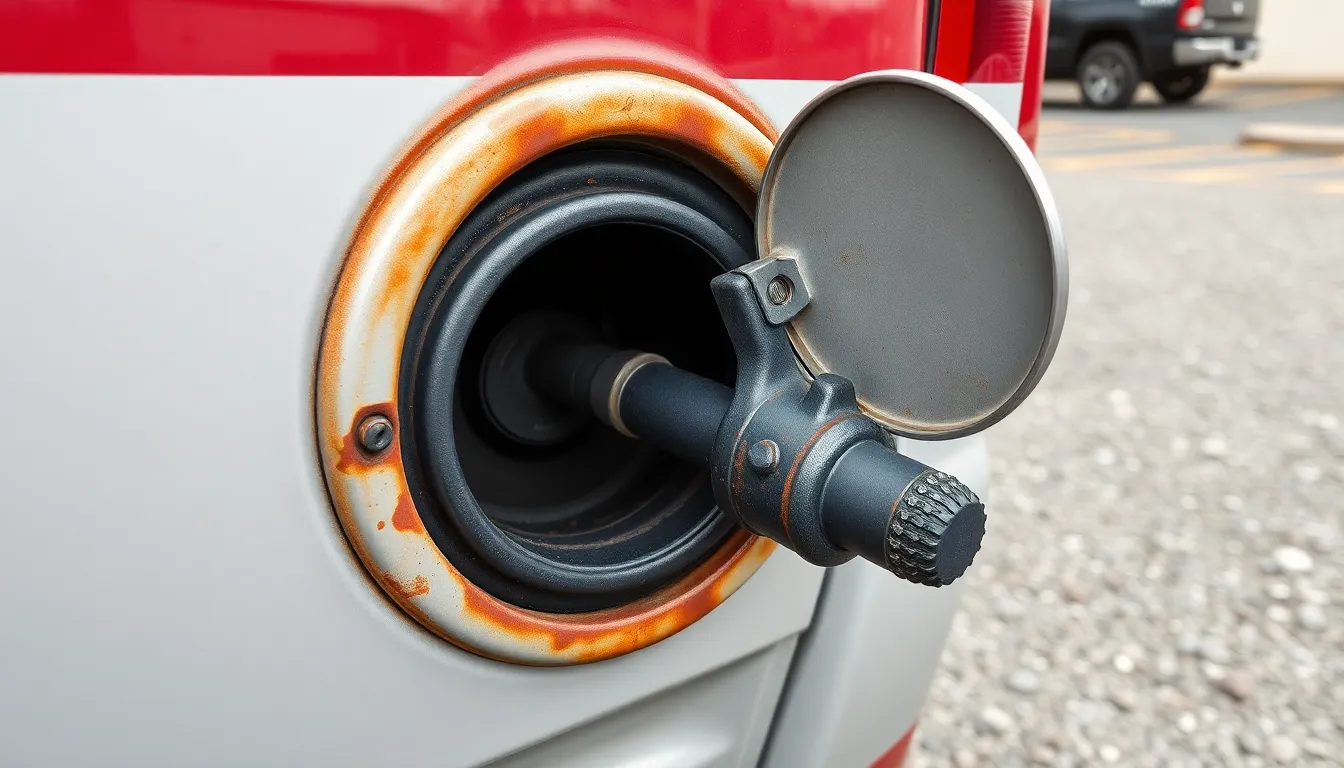
Regular inspection of your Ram 1500’s fuel filler neck prevents costly repairs and frustrating refueling experiences. Examining the filler neck for physical damage, blockages, or deformation quarterly keeps the system functioning properly and extends its lifespan. Look specifically for rust spots, cracks, or dents that might compromise the neck’s integrity.
Cleaning the vent tubes and charcoal canister eliminates debris buildup that restricts proper airflow. Dust, dirt, and other particles accumulate over time, particularly in trucks driven on unpaved roads or in harsh weather conditions. A professional can use compressed air to clear these passages during routine maintenance visits.
Address any fueling difficulties immediately rather than developing workarounds. Expert Liam Kohn notes, “Many owners delay repairs by adopting techniques like pumping slower or at certain angles, but this only masks underlying issues that worsen over time.” Replacing faulty components at the first sign of trouble prevents cascading failures throughout the entire fuel system.
Never force the pump nozzle when it sticks during refueling. Customers report damaging their filler necks by using excessive force when experiencing resistance. This aggressive handling can bend or crack internal components, turning a minor issue into a major repair.
Select quality fuel stations with well-maintained equipment to minimize problems. Some Ram 1500 owners find that certain gas stations consistently provide better refueling experiences due to their nozzle designs and flow rates. Creating a mental map of stations that work well with your truck saves time and frustration.
Apply rust protection products to the exposed portions of the filler neck, especially if you live in regions with road salt usage or high humidity. This protective layer creates a barrier against moisture and corrosive elements that commonly trigger premature deterioration.
Inspect the area around your fuel door for signs of leakage after refueling. Small puddles or persistent fuel odors indicate a compromised system requiring immediate attention. Catching these warning signs early often means simpler, less expensive repairs.
Conclusion
Staying vigilant about your Ram 1500’s fuel filler neck health is essential for both safety and your wallet. By understanding the common issues from rust and design flaws to environmental damage you can take proactive steps to prevent costly repairs.
Don’t ignore warning signs like gas odors refueling difficulties or visible corrosion. Regular inspections and proper maintenance can significantly extend the life of your fuel system components.
Whether you choose DIY answers or professional repairs addressing these problems promptly will help avoid more serious complications down the road. With proper care you’ll minimize frustrating pump shutoffs keep your emissions system functioning correctly and maintain your truck’s overall reliability for years to come.
Frequently Asked Questions
What are the common symptoms of Ram 1500 fuel filler neck problems?
Common symptoms include persistent gasoline odors (especially near the rear wheel well), difficulty refueling with premature pump shutoffs, visible rust or damage around the filler neck, fuel spillage during refueling, and check engine lights related to EVAP system issues. You might also notice failed emissions tests due to leaks in the system, which often trigger specific diagnostic codes pointing to filler neck problems.
How much does it cost to replace a fuel filler neck on a Ram 1500?
Replacement costs typically range from $200 to $350 for just the fuel filler neck. More extensive repairs involving related components like vent tubes or valves may cost $100-$200 additional. In severe cases requiring complete fuel tank replacement, costs can reach $800-$1,200. Independent mechanics often offer more affordable solutions compared to dealerships.
What causes fuel filler neck problems in Ram 1500 trucks?
The main causes include design flaws (particularly in 2015+ models with steeper-angled necks), environmental factors (exposure to moisture, road salt, and debris), manufacturing defects, and normal wear and tear. The filler neck’s location near the wheel well makes it susceptible to damage from road debris. Cold weather can exacerbate refueling issues by causing more frequent pump shutoffs.
Can I repair my Ram 1500 fuel filler neck myself?
Yes, some repairs can be DIY projects if you’re mechanically inclined. Simple tasks like clearing clogged vent tubes or inspecting for visible damage are manageable. However, professional inspection is recommended for complete diagnosis due to the complexity of the EVAP system. DIY repairs can save on labor costs but require careful attention to safety procedures when working with fuel systems.
How can I prevent fuel filler neck problems in my Ram 1500?
Perform regular inspections of the filler neck for damage or corrosion, clean vent tubes periodically to prevent debris buildup, address any fueling difficulties immediately rather than using workarounds, avoid forcing the pump nozzle during refueling, use quality fuel stations, apply rust protection products to vulnerable areas, and check for fuel leaks after refueling.
Are certain model years of the Ram 1500 more prone to fuel filler neck issues?
Yes, 2015 and newer models are particularly susceptible due to a redesign that introduced a steeper-angled fuel filler neck, causing refueling difficulties and premature pump shutoffs. This design flaw was significant enough to prompt a class-action lawsuit. However, various model years can experience problems with rust and corrosion due to the filler neck’s exposed position.
How do I know if my check engine light is related to a fuel filler neck problem?
If your check engine light appears alongside symptoms like gas odors or refueling difficulties, have the code scanned. EVAP system codes (P0455, P0456, etc.) often indicate fuel filler neck issues. These codes specifically point to leak detection problems in the evaporative emissions system, which includes the filler neck assembly. A diagnostic scan can confirm if the issue is related to the fuel system.
Will a damaged fuel filler neck affect my truck’s performance?
While it generally won’t impact engine performance directly, a damaged fuel filler neck can cause inconvenient refueling issues, fuel leakage, and potential safety hazards. It may also trigger the check engine light due to EVAP system pressure irregularities. Over time, these issues can lead to failed emissions tests and, if left unaddressed, could potentially introduce contaminants into your fuel system.