Is your Jeep Grand Cherokee flashing the dreaded P0440 code? This frustrating error signal indicates an issue with your vehicle’s evaporative emission control system—a problem you shouldn’t ignore.
When your Jeep’s P0440 code appears, it’s telling you there’s a leak or malfunction in the system designed to prevent fuel vapors from escaping into the atmosphere. While this issue won’t typically leave you stranded on the roadside, addressing it promptly can prevent further damage, maintain your vehicle’s performance, and help you avoid failing emissions tests.
Understanding the P0440 Code in Jeep Grand Cherokee
The P0440 code in your Jeep Grand Cherokee indicates an Evaporative Emission Control (EVAP) system leak. This diagnostic trouble code appears when your vehicle’s computer detects a malfunction in the system designed to prevent fuel vapors from escaping into the atmosphere. Modern vehicles like the Jeep Grand Cherokee use sophisticated EVAP systems that capture and recirculate these vapors back to the engine for combustion.
Your vehicle’s onboard diagnostics constantly monitor the EVAP system’s pressure. When the system can’t maintain proper pressure or vacuum during testing, the P0440 code triggers. Common causes include loose or damaged gas caps, cracked EVAP hoses, faulty purge valves, or deteriorated charcoal canisters.
Many Jeep owners report seeing this code after refueling their vehicles. Liam Kohn, who specializes in Jeep diagnostics, notes that “about 60% of P0440 codes I’ve diagnosed in Grand Cherokees were resolved by simply replacing the gas cap.” The code might not immediately affect drivability, but ignoring it can lead to decreased fuel efficiency and potential emissions test failures.
Jeep Grand Cherokee models from 2005-2010 seem particularly prone to this issue, with many owners reporting EVAP system problems after 80,000-100,000 miles. The severity of this code ranks as moderate—it’s not likely to strand you on the roadside, but it’s definitely not something to ignore indefinitely.
A P0440 differs from other similar codes like P0442 (small leak) or P0455 (large leak) in that it indicates a general system malfunction rather than specifying the leak size. This distinction matters when troubleshooting, as different approaches apply depending on the exact nature of the EVAP system failure.
What Does P0440 Mean for Your Jeep Grand Cherokee
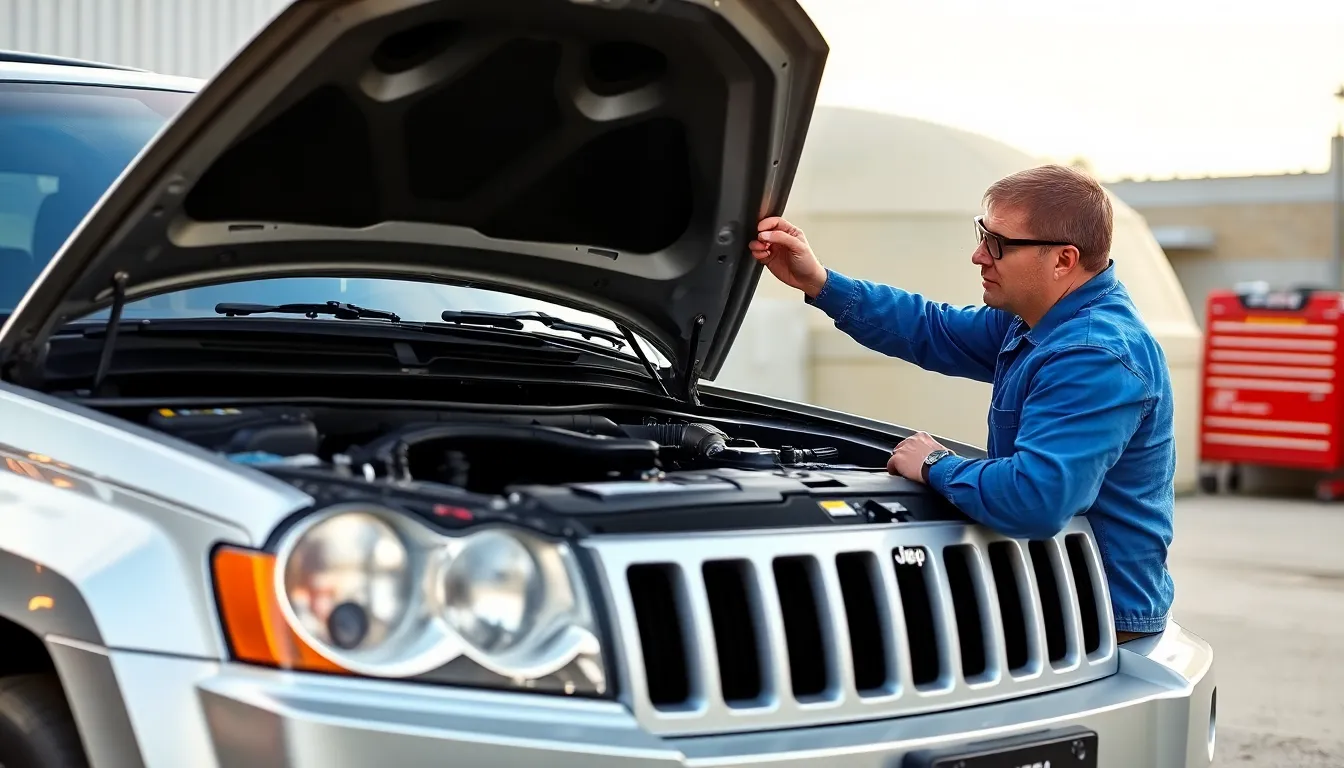
P0440 is an OBD-II trouble code that indicates a malfunction in your Jeep Grand Cherokee’s evaporative emission control (EVAP) system. This code appears when your vehicle’s engine control module (ECM) detects a leak or pressure loss in the fuel vapor system, or identifies an issue with a vapor pressure sensor. The EVAP system plays a crucial role in capturing fuel vapors and preventing them from escaping into the atmosphere, helping your Jeep comply with emissions standards.
Common Symptoms of a P0440 Code
The illuminated check engine light on your dashboard serves as the primary indicator of a P0440 code in your Jeep Grand Cherokee. You might also notice a distinct fuel vapor odor inside or outside your vehicle if the vapor leak is important enough. Many Jeep owners report smelling gasoline near their vehicle when the EVAP system develops substantial leaks. Another telltale sign includes failing emissions tests during state inspections, as the compromised EVAP system can’t properly contain fuel vapors.
Why This Code Matters for Your Vehicle
The P0440 code impacts your Jeep Grand Cherokee’s safety, environmental compliance, and overall performance. Fuel vapors contain harmful chemicals that pose health risks when inhaled and create fire hazards due to their flammable nature. Your vehicle’s registration renewal might be rejected if it fails mandatory emissions testing due to this EVAP system issue. Continuous problems with the system can trigger additional engine codes or complications over time, potentially leading to decreased fuel efficiency. Models from 2005-2010 show particular vulnerability to this issue, especially after reaching 80,000-100,000 miles on the odometer.
Main Causes of P0440 in Jeep Grand Cherokee
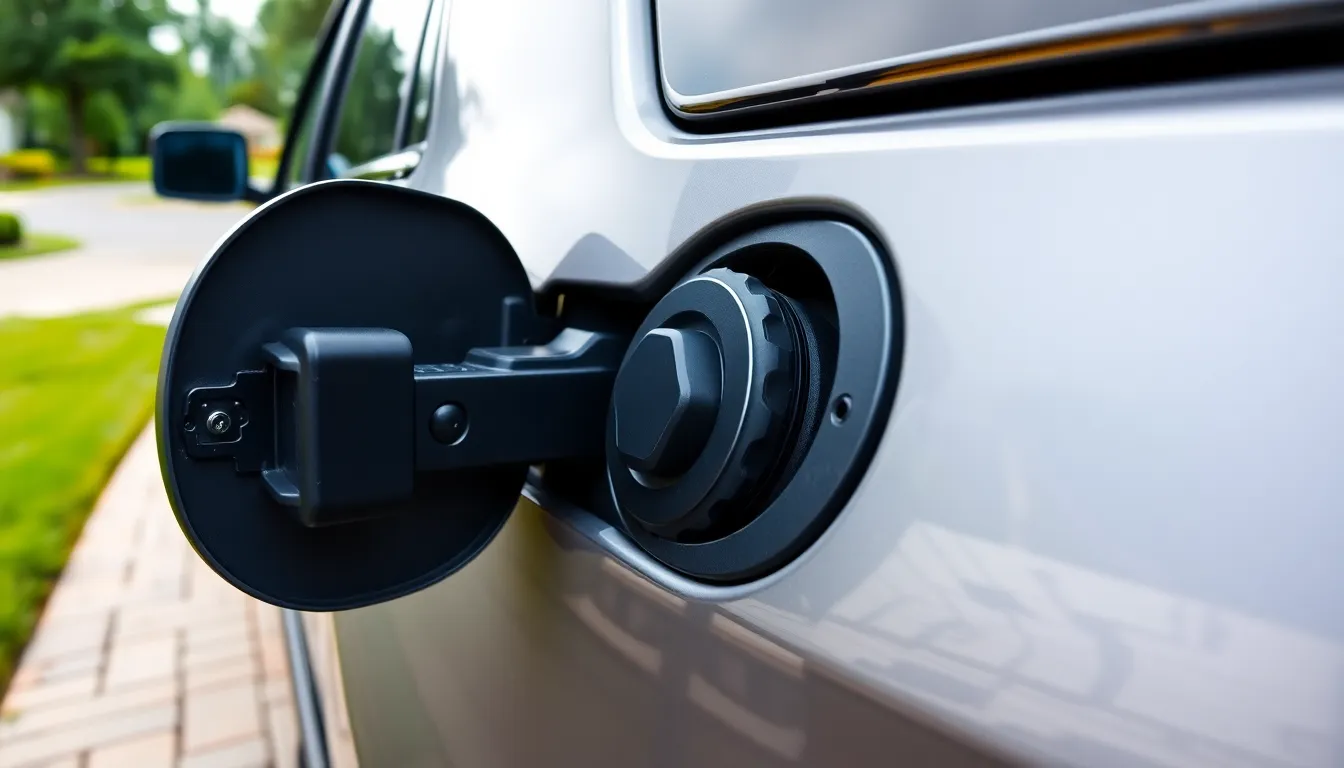
The P0440 code in Jeep Grand Cherokee models indicates a general malfunction in the evaporative emission control (EVAP) system. This system prevents fuel vapors from escaping into the atmosphere, and several exact issues commonly trigger this diagnostic trouble code.
Faulty Gas Cap Issues
Gas cap problems represent the most common cause of P0440 codes in Jeep Grand Cherokees. A missing, damaged, or improperly sealed gas cap creates a leak in the EVAP system, preventing it from maintaining proper pressure. Even capless fuel filler systems can trigger this code if their sealing mechanisms fail to close correctly. You’ll want to inspect your cap for cracks or damage and ensure it clicks at least three times when tightening. Many Jeep owners have resolved their P0440 codes simply by replacing their worn gas cap, which typically costs between $10-30 at auto parts stores.
EVAP System Component Failures
Beyond gas cap issues, several EVAP system components can trigger the P0440 code in your Jeep Grand Cherokee. Damaged or disconnected EVAP hoses frequently cause vapor leaks that the system detects as pressure irregularities. Faulty EVAP purge or vent solenoid valves prevent proper system function by failing to regulate vapor flow between components. The EVAP pump might fail to pressurize the system correctly, creating vacuum issues that sensors detect as system malfunctions. A damaged fuel tank filler neck also compromises the vapor containment system, allowing fuel vapors to escape. Diagnostic testing with a scan tool helps identify which exact component has failed by monitoring EVAP system vacuum levels and component operation during tests.
How to Diagnose P0440 in Your Jeep Grand Cherokee
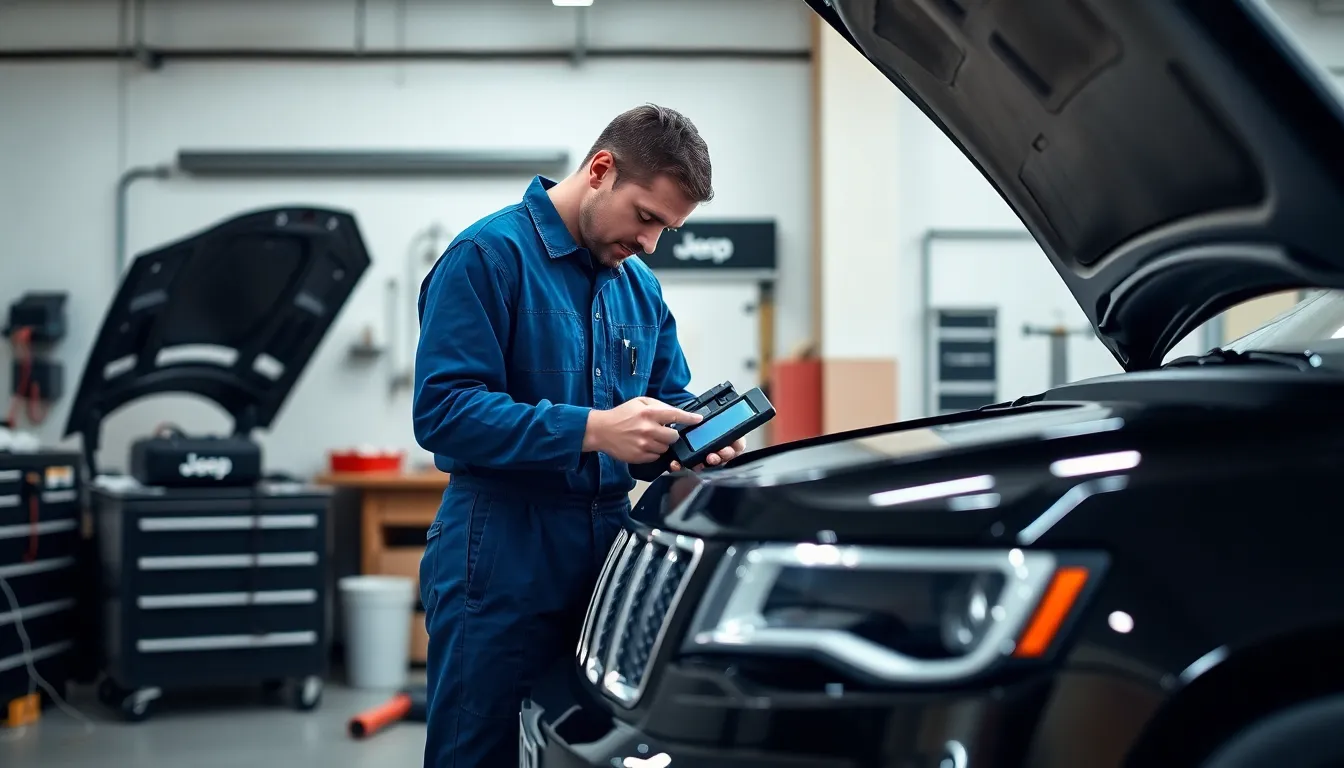
Diagnosing the P0440 code in your Jeep Grand Cherokee requires a systematic approach to identify the exact source of the EVAP system leak. With the right tools and techniques, you’ll be able to pinpoint whether it’s a simple gas cap issue or something more complex within the system.
Using OBD-II Scanners
OBD-II scanners offer a straightforward method for diagnosing P0440 errors in your Jeep Grand Cherokee. Connect the scanner to your vehicle’s diagnostic port, typically located under the dashboard near the steering column. Retrieve the stored codes to confirm the P0440 error and look for additional related codes like P0456, which indicates a small leak and provides more exact information about the problem’s nature. Check the live data readings from your EVAP system pressure sensor—normal readings should show fluctuations between negative pressures during vacuum conditions, while unusual readings might signal a pump or sensor failure. Many diagnostic tools can also activate EVAP system components for testing, helping you determine if valves and solenoids are functioning properly.
Visual Inspection Techniques
Visual inspections are crucial for identifying physical issues causing the P0440 code in your Jeep Grand Cherokee. Start by examining your gas cap or capless fuel filler system—ensure the cap seals tightly or that capless system doors and seals remain intact, as these components represent the most common leak sources. Inspect all EVAP system hoses and lines for cracks, disconnections, or deterioration, paying special attention to connections at the purge valve and charcoal canister. Check the purge valve and canister for proper operation and ensure they’re not clogged with debris or damaged from road conditions. Examine the area around your fuel tank for any signs of damage, particularly looking at the EVAP test port which might be missing or loose. For a comprehensive diagnosis, consider performing a smoke test by introducing smoke into the EVAP system, allowing you to visually track where leaks occur as smoke escapes through compromised components.
Keep in mind that proper EVAP system testing requires your fuel tank to be between 20-80% full—tests may not activate with tanks that are too empty or too full. The combination of electronic diagnosis and thorough visual inspection gives you the best chance of resolving the P0440 code in your Jeep Grand Cherokee without unnecessary parts replacement.
Fixing P0440 in Your Jeep Grand Cherokee
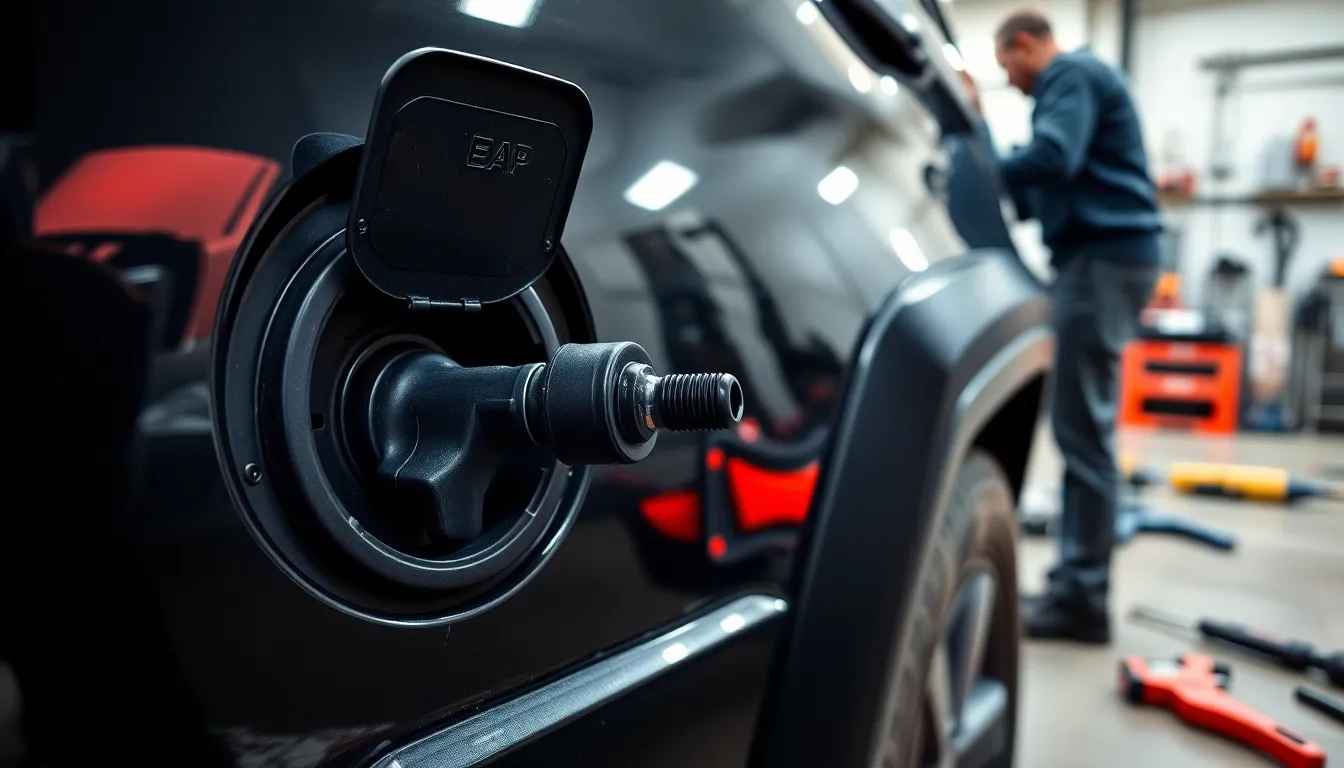
Fixing the P0440 code in your Jeep Grand Cherokee often involves addressing EVAP system leaks or component failures. Many repairs are straightforward enough for DIY mechanics, though some situations require professional intervention.
DIY Repair Options
Start your repair process by checking the gas cap, as this simple component causes many P0440 codes. Inspect it for cracks, damage, or poor sealing, and replace it if necessary. For Jeep Grand Cherokees with capless fuel filler systems (like 2014+ models), examine the filler neck seal for damage or contamination that prevents proper closure. Conduct a visual inspection of all accessible EVAP hoses, looking for cracks, disconnections, or damage, particularly near connection points and around the engine bay. Test the operation of EVAP purge and vent solenoids using an OBD-II scanner with bidirectional control capabilities to activate these components and verify their response. Replace any faulty hoses, connections, or valves identified during your inspection. Many auto parts stores rent advanced OBD-II scanners that can perform EVAP system tests, helping you pinpoint the exact location of leaks without purchasing expensive equipment.
When to Seek Professional Help
Consider professional assistance if visual inspections don’t reveal the leak source, as technicians have specialized equipment like smoke machines that can inject visible vapor into the EVAP system to make leaks obvious. Complicated component replacements involving the EVAP pump, charcoal canister, or fuel tank components typically require professional tools and expertise. Take your Jeep to a professional if you’ve replaced the gas cap and obvious components but the Check Engine Light returns with the same code. Specialized diagnostic testing might be necessary if your vehicle has a capless fuel filler system, as these contain complex sealing mechanisms that aren’t easily serviced by DIYers. Professional help becomes essential when multiple EVAP codes appear simultaneously, indicating potentially complex system failures beyond basic troubleshooting capabilities. Dealership technicians possess detailed knowledge of model-exact EVAP system quirks and access to technical service bulletins that might identify known issues for your particular Jeep Grand Cherokee year and model.
Cost Estimates for Repairing P0440 Issues
Repairing a P0440 code in your Jeep Grand Cherokee varies in cost depending on the exact component that needs replacement. Gas cap issues represent the most affordable fix, with a new cap typically costing $15-$30 at most auto parts stores. Many Jeep owners have resolved their P0440 codes simply by tightening or replacing this inexpensive part.
Component Replacement Costs
Vapor control valve problems require more important repairs when they’re the culprit behind your P0440 code. The purge valve replacement for a Jeep Grand Cherokee ranges from $122 to $157, including parts and labor. This moderate repair cost makes it a relatively accessible fix compared to more complex EVAP system issues.
More extensive repairs become necessary when the fuel evaporative canister fails. Replacement costs for this component in a Jeep Grand Cherokee fall between $437 and $510. These higher costs reflect the increased complexity of accessing and replacing the canister, which is often located near the fuel tank.
Diagnostic and Labor Expenses
Professional diagnosis costs typically range from $75 to $150 for a complete EVAP system inspection. This diagnostic fee often includes a smoke test to locate vapor leaks that might be triggering your P0440 code. Some repair shops waive this fee if you proceed with repairs at their facility.
Labor rates vary significantly based on your location and whether you choose a dealership or independent shop. Dealership labor rates average $125-$175 per hour, while independent mechanics might charge $80-$120 hourly. Cap-less fuel system inspections generally require more specialized knowledge and can increase labor costs by 20-30%.
| Repair Component | Parts Cost | Labor Cost | Total Cost Range |
|---|---|---|---|
| Gas Cap | $15-$30 | $0 (DIY) | $15-$30 |
| Purge Valve | $80-$100 | $42-$57 | $122-$157 |
| EVAP Hoses | $30-$60 | $75-$120 | $105-$180 |
| Fuel Evaporative Canister | $300-$350 | $137-$160 | $437-$510 |
| Vent Solenoid | $70-$110 | $50-$90 | $120-$200 |
Getting multiple quotes from different repair facilities helps ensure you’re paying a fair price for P0440 repairs. Many Jeep owners report saving 15-25% by comparing prices between dealerships and independent shops that specialize in Chrysler vehicles.
Preventing Future P0440 Codes in Your Jeep
Regular gas cap maintenance represents your first line of defense against recurring P0440 codes. Inspect your cap every few months for cracks, tears, or a damaged seal that might compromise the system’s integrity. Tightening your gas cap until it clicks at least three times ensures a proper seal on standard fuel systems.
EVAP system components require periodic inspection to catch potential issues before they trigger warning lights. Check all accessible hoses and connections near the engine bay and underneath your Jeep for signs of wear, cracks, or loose fittings. Brittle or hardened hoses should be replaced immediately as they’re prone to developing leaks.
Maintaining optimal fuel levels helps your EVAP system function properly. The system performs most self-tests when your tank sits between 20% and 80% full. Running consistently near empty can prevent proper EVAP system testing and potentially trigger false codes. Many Jeep owners report fewer P0440 issues when they keep their tanks at least quarter-full.
Professional EVAP system checks during regular maintenance intervals can identify potential problems before they trigger codes. Ask your mechanic to include a quick visual inspection of EVAP components during oil changes or tune-ups. These preventative checks typically add minimal time to standard service appointments but can save important diagnostic costs later.
Addressing check engine lights promptly prevents small EVAP issues from developing into more serious problems. Even temporary P0440 codes that seem to clear themselves warrant investigation, as they often indicate an intermittent issue that’s likely to worsen over time. Early intervention typically results in simpler, less expensive repairs compared to waiting until the problem becomes persistent.
Conclusion
Tackling the P0440 code in your Jeep Grand Cherokee doesn’t have to be overwhelming. With proper diagnosis and timely action you can resolve this EVAP system issue and prevent more serious problems down the road.
Whether it’s a simple gas cap replacement or more complex repairs to hoses valves or canisters addressing this code promptly will help maintain your vehicle’s efficiency and ensure you pass emissions tests.
Remember that preventative maintenance is your best defense. Regular inspection of your EVAP components especially after refueling can save you time and money in the long run. When in doubt don’t hesitate to consult with a professional mechanic familiar with Jeep’s common EVAP system issues.
Frequently Asked Questions
What does the P0440 code mean in a Jeep Grand Cherokee?
The P0440 code indicates a problem with your Jeep’s Evaporative Emission Control (EVAP) system. It means the system has detected a leak or malfunction that prevents proper containment of fuel vapors. While not typically causing immediate breakdown, this issue needs attention to maintain vehicle performance and pass emissions tests.
What are the most common causes of the P0440 code?
The most common cause is a faulty gas cap that’s damaged, loose, or missing. Other causes include cracked EVAP hoses, failed purge valves, damaged charcoal canisters, or issues with the fuel tank filler neck. Many Jeep owners notice this code appearing shortly after refueling their vehicles.
Will the P0440 code cause my Jeep to break down?
No, the P0440 code typically won’t cause immediate drivability issues or breakdowns. The severity is moderate, meaning your Jeep will likely continue running normally. However, ignoring the code long-term can lead to decreased fuel efficiency, additional engine codes, and emissions test failures.
How can I diagnose the P0440 code myself?
Start by using an OBD-II scanner to confirm the code and check for related codes. Inspect your gas cap for damage and ensure it clicks when tightened. Visually examine EVAP hoses and connections for cracks or disconnections. For more thorough diagnosis, perform a smoke test with the fuel tank 20-80% full to trace leaks.
How much does it cost to fix a P0440 code?
Repair costs vary based on the specific issue. Replacing a gas cap is most affordable at $15-$30. Purge valve replacement costs $122-$157, while a failed evaporative canister runs $437-$510. Professional diagnostic fees range from $75-$150. Getting multiple quotes can save 15-25% on repair costs.
Can I still drive my Jeep with the P0440 code?
Yes, you can continue driving with a P0440 code as it doesn’t typically affect immediate drivability. However, it’s recommended to address the issue promptly to prevent decreased fuel efficiency, potential emissions test failures, and to avoid environmental and safety concerns from escaping fuel vapors.
How is P0440 different from other EVAP codes like P0442 and P0455?
The P0440 code indicates a general EVAP system malfunction without specifying the leak size. In contrast, P0442 indicates a small leak, while P0455 signals a large leak. This distinction is important for proper troubleshooting, as different size leaks may require different repair approaches.
How can I prevent the P0440 code from appearing again?
Regularly inspect your gas cap for damage and ensure it clicks when tightening. Periodically check EVAP hoses for cracks or wear. Maintain fuel levels between 20-80% full to facilitate proper system operation. Include EVAP system checks during routine maintenance and address check engine lights promptly.