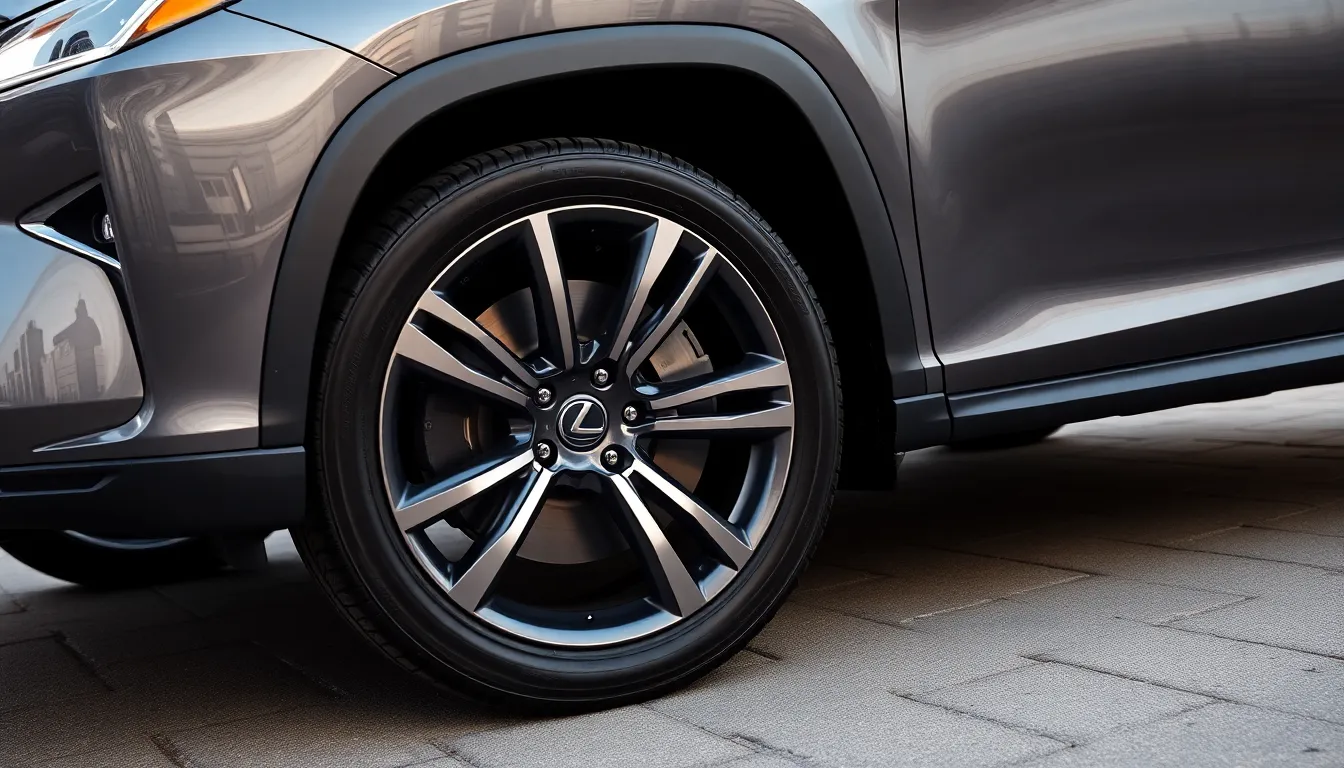
Wondering about the perfect Lexus RX 350 tire size for your luxury SUV? Getting the right tires isn’t just about performance—it’s about safety, fuel efficiency, and maintaining that smooth Lexus ride quality you’ve come to love.
When it comes to your Lexus RX 350, tire sizes can vary depending on your model year and trim level. The most common sizes range from 18-inch to 20-inch wheels, with exact measurements for width and aspect ratio that affect your vehicle’s handling and comfort. Understanding these specifications ensures you’ll make the right choice when it’s time for replacement, helping you maintain optimal performance and that signature Lexus driving experience.
Understanding Lexus RX 350 Tire Sizes
The Lexus RX 350 tire size notation follows a standard format that reveals crucial information about your tires. Each tire size includes three main components: width, aspect ratio, and wheel diameter. For example, in the notation P235/65R18, “P” indicates a passenger vehicle tire, “235” represents the width in millimeters, and “65” is the aspect ratio (sidewall height as a percentage of width).
Tire width directly impacts your vehicle’s handling and stability. Wider tires offer more road contact, improving grip during cornering and braking. The aspect ratio affects ride comfort and responsiveness – lower profile tires (smaller numbers) provide sharper handling while higher profiles deliver a smoother ride.
Wheel diameter, measured in inches, must match your RX 350’s rims exactly. Most Lexus RX 350 models come equipped with either 18-inch, 19-inch, or 20-inch wheels depending on the trim level and model year. The “R” in the tire notation indicates radial construction, the most common tire design in modern vehicles.
Load index and speed rating appear at the end of the tire size (like “104V”). The load index (104 in this example) corresponds to the maximum weight each tire can safely carry, while the speed rating (V) indicates the maximum safe speed. Your Lexus RX 350 requires exact ratings to maintain safety and performance standards.
Stock Tire Specifications for Different Lexus RX 350 Model Years
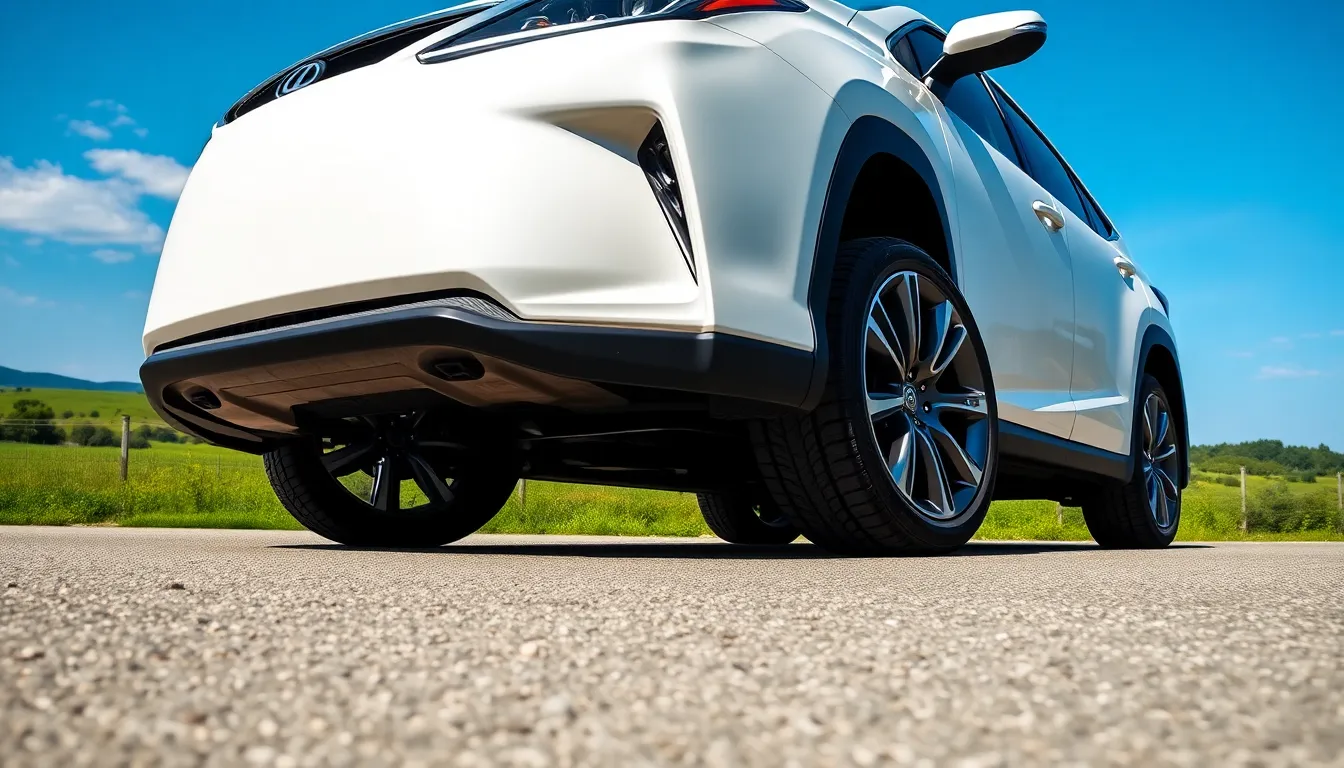
Lexus RX 350 tire specifications vary considerably across different model years and trim packages. These variations ensure optimal performance for each exact configuration of this luxury SUV.
Base Model Tire Dimensions
Base model Lexus RX 350s come equipped with several different tire size options depending on the production year. Models from 2019 to 2022 typically feature 235/65R18 tires as standard, with 235/55R20 available on higher trim levels. For the newer 2023 and 2024 models, Lexus has updated the standard tire dimensions to 235/60R19, with 235/50R21 offered on premium trims. Earlier RX 350 models sometimes came with 225/65R17 tires, particularly on entry-level configurations. Recommended tire pressure for most base models ranges from 30 to 33 Bar, though this varies between front and rear tires on some configurations.
F Sport Package Tire Options
The F Sport package equips the Lexus RX 350 with performance-oriented tires designed for enhanced handling and responsiveness. From 2019 to 2022, F Sport models primarily used 235/55R20 tires, offering a balance between comfort and sportiness. Beginning with the 2023 model year, F Sport variants transitioned to larger 235/50R21 tires for improved cornering stability and road grip. These performance tires feature higher speed and load ratings compared to standard base model options, accommodating the more ever-changing driving characteristics of F Sport models. Many RX 350 owners report that the F Sport tire configuration delivers noticeably sharper handling without significantly compromising the signature Lexus ride comfort.
| Model Year Range | Base Model Tire Sizes | F Sport Package Tire Sizes |
|---|---|---|
| 2019-2022 | 235/65R18, 235/55R20 | 235/55R20 |
| 2023-2024 | 235/60R19, 235/50R21 | 235/50R21 |
| Earlier models | 225/65R17 (some trims) |
How to Read Lexus RX 350 Tire Size Information

Understanding your Lexus RX 350 tire specifications helps you make informed decisions when it’s time for replacement. Tire size information contains critical details about dimensions, construction, and performance capabilities that affect your vehicle’s handling and safety.
Decoding the Tire Size Designation
Lexus RX 350 tire sizes follow a standardized format that reveals important specifications. In a typical designation like 235/60R19, each component conveys exact information about your tire. The “235” represents the width of the tire in millimeters, measured from sidewall to sidewall. Following the width, the “60” indicates the aspect ratio, which is the height of the tire’s sidewall expressed as a percentage of its width. The “R” stands for radial construction, the most common tire construction type in modern vehicles. Finally, the “19” specifies the diameter of the wheel rim in inches that the tire is designed to fit. These measurements work together to determine how your RX 350 performs on the road.
Speed and Load Ratings Explained
Speed and load ratings appear as additional codes like “103V” at the end of your tire size designation. The load index (103 in this example) corresponds to a exact weight capacity—a load index of 101 means your tire can support up to 1,819 pounds. Higher numbers indicate greater load-bearing capacity. The speed rating (V) identifies the maximum speed capability of your tire under optimal conditions. For Lexus RX 350 tires, a V-rating indicates the tire is tested for sustained speeds up to 149 mph. Your RX 350 requires tires with appropriate load and speed ratings to maintain the vehicle’s performance characteristics and safety standards. Tire professionals recommend never downgrading these ratings when replacing your original equipment tires, as this could compromise vehicle handling and safety.
Upgrading Your Lexus RX 350 Tires

Maintaining the recommended tire size is crucial when upgrading tires for your Lexus RX 350 to ensure safety, performance, and compatibility with your vehicle’s systems. Some owners opt for slight variations such as downsizing for winter tires or selecting different rim sizes if compatible with their vehicle.
Recommended Aftermarket Tire Options
Popular aftermarket tire brands for the Lexus RX 350 include Michelin, Bridgestone, Goodyear, and Continental. Michelin offers options like the Premier LTX specifically designed for SUVs and crossovers, providing an excellent balance of safety and performance characteristics. Aftermarket tire size options typically align closely with OEM specifications:
| Tire Size | Common Application |
|---|---|
| 235/60R18 | Base models |
| 235/55R19 | F Sport models |
| 235/65R18 | Winter use |
Price ranges for quality aftermarket tires vary significantly, typically falling between $150 to $350 per tire depending on the brand and model you select. Higher-end tires often provide better tread life, noise reduction, and performance characteristics that complement the RX 350’s luxury driving experience.
Performance vs. Comfort Considerations
Performance tires emphasize handling, traction, and responsiveness, often featuring a lower profile design such as the 235/55R19 size. These tires improve cornering ability and steering precision but may result in a firmer ride and increased road noise during daily driving.
Comfort tires typically have taller sidewalls, like the 235/60R18 size, which absorb road imperfections more effectively. These provide a smoother, quieter ride experience that many Lexus owners prefer, though they offer slightly less sharp handling characteristics in demanding driving situations.
Winter tires benefit from a slightly taller and narrower profile (235/65R18) to provide better traction in snow and ice conditions. This modification may alter speedometer readings and vehicle dynamics slightly but delivers significantly improved cold-weather performance and safety.
Your choice between performance and comfort-oriented tires should reflect your driving environment and personal preferences. The Lexus RX 350 is engineered as a luxury SUV that balances both characteristics, allowing you to prioritize either aspect without dramatically compromising the overall driving experience.
Seasonal Tire Options for the Lexus RX 350

Selecting the right seasonal tires for your Lexus RX 350 significantly impacts driving safety and performance throughout the year. Your vehicle’s handling characteristics change dramatically with different tire types designed for exact weather conditions.
Winter Tire Recommendations
Winter tires provide crucial traction when temperatures drop below 45°F, especially for Lexus RX 350 owners in snowy regions. Experts recommend downsizing to 235/65R18 wheels for winter driving, as this size accommodates winter-exact rubber compounds that maintain flexibility in freezing conditions. The deeper tread patterns on winter tires effectively channel snow and slush away from the contact patch, improving grip on icy surfaces. Many RX 350 owners report that installing dedicated winter tires transforms their driving experience during harsh winter months, providing confidence on snow-covered roads where all-season tires struggle.
All-Season vs. Summer Tires
All-season tires serve as versatile options that come standard on most Lexus RX 350 models, delivering acceptable performance across varied conditions. These tires feature moderate tread depths and rubber compounds engineered to handle dry roads, rain, and light snow, making them practical choices for drivers in regions with mild seasonal changes.
Summer tires offer enhanced warm-weather performance with specialized rubber compounds that grip asphalt exceptionally well in temperatures above 45°F. The stiffer sidewalls and shallower tread patterns on summer tires provide superior handling, cornering stability, and braking response on both dry and wet roads. Several RX 350 F Sport owners praise the improved steering feedback and sportier driving dynamics that summer tires deliver during warmer months.
Climate considerations should guide your tire selection – northern regions with severe winters benefit from switching between dedicated winter tires and either all-season or summer options depending on your performance preferences. Southern climate drivers might find high-quality all-season tires sufficient year-round, though performance enthusiasts often prefer summer tires for their superior grip and handling characteristics.
Impact of Tire Size on Performance and Fuel Economy

Tire size significantly influences your Lexus RX 350’s performance characteristics and fuel efficiency. Larger diameter tires, particularly the 20-inch (235/55R20) and 21-inch (235/50R21) options found on F Sport models, deliver enhanced handling and cornering stability. These performance benefits stem from the lower sidewall profile that reduces tire flex during aggressive driving maneuvers. Many RX 350 owners report that the larger wheel options provide a more connected feel to the road, with noticeably improved responsiveness during quick direction changes.
Smaller tire options like the 18-inch (235/65R18) configuration feature taller sidewalls that excel at absorbing road imperfections. This design choice creates a more cushioned ride quality that preserves the luxurious comfort Lexus vehicles are known for. The additional sidewall height acts as an extra suspension element, filtering out minor road texture and reducing cabin noise levels.
Fuel economy considerations favor the smaller tire sizes available for the RX 350. The 18-inch and 19-inch options typically weigh less and generate reduced rolling resistance compared to their larger counterparts. These factors combine to minimize the energy required to move your vehicle forward, potentially improving your gas mileage by 1-2 mpg in real-industry driving conditions. Larger 20-inch and 21-inch wheels might slightly reduce fuel efficiency due to increased weight and rolling resistance.
Accuracy of your vehicle’s speedometer and odometer readings depends on maintaining tire dimensions close to factory specifications. Installing tires with dimensions significantly different from OEM recommendations can disrupt the calibration of these instruments, potentially affecting navigation system accuracy and maintenance scheduling. Your RX 350’s computer systems use tire rotation calculations that assume exact tire circumferences.
Tire pressure maintenance remains crucial regardless of which size you select, with recommended pressures generally ranging from 30 to 33 psi for most RX 350 applications. Proper inflation ensures optimal contact patch shape and size, directly affecting handling precision, braking distances, and fuel consumption. Regular pressure checks help maximize tire lifespan while maintaining the performance characteristics Lexus engineers designed for your exact model and trim level.
Maintenance Tips for Lexus RX 350 Tires
Regular inspection forms the foundation of proper tire maintenance for your Lexus RX 350. Examine tires for tread wear, cracks, punctures, or uneven wear patterns at least once a month to ensure optimal safety and performance.
Tire pressure monitoring plays a crucial role in extending tire life and improving fuel efficiency. Maintaining the recommended pressure of 30-33 psi enhances driving comfort while reducing unnecessary wear on your premium Lexus tires. Check pressure when tires are cold for the most accurate readings.
Rotating tires every 5,000 to 7,000 miles promotes even wear across all four tires. This simple maintenance task can significantly extend the lifespan of your RX 350’s tires and preserve their performance characteristics.
Wheel alignment checks should be performed periodically, especially if you notice your vehicle pulling to one side or uneven tire wear patterns developing. Proper alignment ensures even tire wear and maintains the precise handling that Lexus engineered into your RX 350.
Balancing your tires reduces vibration and minimizes wear on suspension components. Unbalanced tires can lead to premature wear and diminished ride comfort, compromising the luxury experience your Lexus was designed to deliver.
Seasonal tire considerations become important in varying climate conditions. Winter tires provide superior traction when temperatures drop below 45°F, with Lexus specifically recommending a downsize to 235/65R18 for winter driving conditions to improve snow performance.
Replacement timing matters for safety and performance. Replace your Lexus RX 350 tires when tread depth reaches 2/32 inches or when recommended by a qualified tire technician. Worn tires compromise braking distances and wet-weather traction, affecting both safety and the driving experience.
Conclusion
Choosing the right tire size for your Lexus RX 350 is a balance of performance needs seasonal considerations and driving preferences. Whether you’re sticking with the manufacturer’s recommended sizes or exploring aftermarket options your tire choice directly impacts handling comfort and fuel economy.
Remember that proper maintenance including regular pressure checks rotation and alignment will extend the life of your tires regardless of size. The right tires—whether 18-inch for comfort 20-inch for performance or specialized winter options—help preserve the premium driving experience your Lexus was engineered to deliver.
By understanding tire specifications and how they affect your RX 350’s performance you’ll make informed decisions that enhance safety maximize efficiency and maintain the luxury ride quality you expect from your Lexus.
Frequently Asked Questions
What is the standard tire size for a Lexus RX 350?
The standard tire size for Lexus RX 350 varies by model year and trim. Base models from 2019-2022 typically use 235/65R18 tires, while higher trims use 235/55R20. Newer 2023-2024 models come with 235/60R19 standard and 235/50R21 for premium trims. Earlier models sometimes featured 225/65R17 tires. F Sport models generally use larger performance-oriented tires for enhanced handling.
How do I read Lexus RX 350 tire size markings?
Tire size markings like P235/65R18 have specific meanings: “P” indicates a passenger vehicle tire, “235” is the width in millimeters, “65” is the aspect ratio (sidewall height as a percentage of width), “R” stands for radial construction, and “18” represents the wheel diameter in inches. Additional letters and numbers indicate load index and speed rating, which are crucial for safety and performance.
What tire pressure is recommended for the Lexus RX 350?
The recommended tire pressure for most Lexus RX 350 base models ranges from 30 to 33 PSI, with slight variations between front and rear tires. Always check the tire pressure placard located on the driver’s side door jamb for your specific model’s requirements. Maintaining proper tire pressure is essential for optimal handling, fuel efficiency, and tire longevity.
Can I install larger tires on my Lexus RX 350?
While you can upgrade tire size, it’s crucial to maintain dimensions close to factory specifications. Significant changes can affect speedometer accuracy, fuel economy, and handling characteristics. If upgrading, consult with a tire professional to ensure the new size maintains the proper overall diameter and fits without rubbing against components during turning or suspension travel.
What are the best aftermarket tires for a Lexus RX 350?
Popular aftermarket tire brands for the Lexus RX 350 include Michelin, Bridgestone, Goodyear, and Continental. Quality aftermarket tires typically cost between $150-$350 per tire. For performance, consider Michelin Pilot Sport or Bridgestone Potenza lines. For comfort, Michelin Premier or Continental PureContact offer smooth rides. Always match or exceed the original equipment’s load and speed ratings.
Do I need winter tires for my Lexus RX 350?
If you live in an area with temperatures regularly below 45°F or experience snow and ice, winter tires are strongly recommended. For the RX 350, consider downsizing to 235/65R18 winter tires for better snow traction. Winter tires use specialized rubber compounds that remain flexible in cold temperatures and feature tread patterns designed to grip snow and evacuate slush.
How does tire size affect fuel economy in the Lexus RX 350?
Tire size significantly impacts fuel economy. Smaller tires (like 18-inch options) typically improve fuel efficiency by 1-2 mpg due to reduced weight and rolling resistance. Larger 20-inch or 21-inch tires enhance handling but may slightly reduce fuel economy. Maintaining proper tire pressure is equally important for optimizing fuel consumption regardless of tire size.
How often should I rotate tires on my Lexus RX 350?
Rotate your Lexus RX 350 tires every 5,000 to 7,000 miles to promote even wear patterns and extend tire life. Follow the rotation pattern specified in your owner’s manual, typically front-to-rear for vehicles with the same size tires all around. Combine rotation with regular pressure checks and wheel alignment inspections for optimal tire maintenance.
When should I replace my Lexus RX 350 tires?
Replace tires when the tread depth reaches 4/32 inch for all-season tires or 5/32 inch for winter tires. Most tires have built-in tread wear indicators that appear when replacement is needed. Also, inspect for uneven wear patterns, sidewall damage, or bulges. Regardless of tread depth, replace tires that are more than six years old due to rubber degradation.
What’s the difference between F Sport tires and standard RX 350 tires?
F Sport package tires (typically 235/55R20 or 235/50R21) feature lower profile sidewalls and performance-oriented tread patterns compared to standard RX 350 tires. They provide sharper handling, better cornering grip, and more responsive steering at the expense of a slightly firmer ride. F Sport tires also generally have higher speed ratings to accommodate the model’s enhanced performance capabilities.