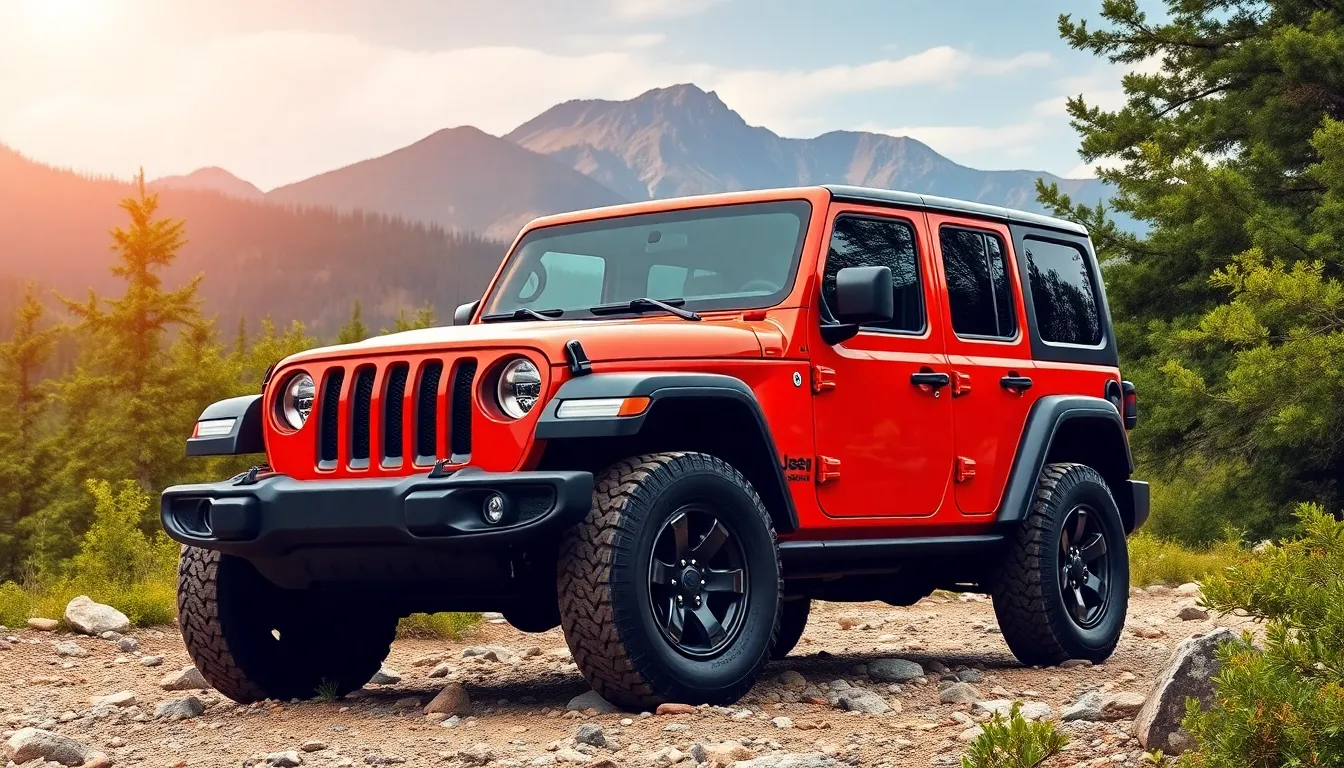
Thinking about buying a Jeep Wrangler but worried about choosing a problematic model year? While these iconic off-roaders are known for their rugged capability and timeless design, not all Wrangler model years deliver the same reliability and value.
You’ll want to navigate around certain Jeep Wrangler years that have become notorious for mechanical issues, electrical problems, and costly repairs. Understanding which years to avoid can save you thousands of dollars and countless headaches. Whether you’re shopping for a classic TJ, a versatile JK, or a modern JL Wrangler, knowing the red flags for each generation is essential before making your purchase decision.
Jeep Wrangler: A Brief History and Evolution
The Jeep Wrangler traces its roots back to the original Willys MB, a lightweight military vehicle produced during Industry War II. Civilian production began in 1945 with the CJ (Civilian Jeep) series, establishing the iconic design elements still recognizable today. These early models featured removable doors, folding windshields, and rugged off-road capability.
American Motors Corporation (AMC) acquired Jeep in 1970, bringing stability to the brand before introducing the first official Wrangler (YJ) in 1986. The YJ marked a important departure from the CJ with its rectangular headlights and improved on-road comfort while maintaining off-road prowess. Chrysler purchased AMC in 1987, continuing the Wrangler’s development through several generations.
The TJ generation (1997-2006) returned to the classic round headlights and introduced coil spring suspension, dramatically improving ride quality. Daimler-Chrysler oversaw this period, bringing German engineering influence to the American icon. Many enthusiasts consider the TJ a sweet spot in Wrangler evolution, balancing traditional styling with modern amenities.
JK Wranglers (2007-2018) represented the most important redesign in the vehicle’s history, offering both two-door and four-door (Unlimited) configurations for the first time. This generation saw many powertrain updates, including the transition from the 3.8L V6 to the more powerful and efficient 3.6L Pentastar V6 in 2012. The JK’s production span coincided with Chrysler’s ownership changes, from Daimler to Cerberus to Fiat.
The current JL generation (2018-present) under Stellantis ownership features improved aerodynamics, aluminum body components, and advanced technology while maintaining the Wrangler’s distinctive appearance and capability. Engine options expanded to include a 2.0L turbocharged four-cylinder, a 3.0L EcoDiesel, and a 6.4L V8 in the Rubicon 392. Most recently, Jeep introduced the 4xe plug-in hybrid, combining the traditional Wrangler experience with partial electric propulsion.
Throughout its evolution, the Wrangler has remained true to its purpose-built heritage while adapting to changing consumer expectations and regulatory requirements. Each generation offers distinct characteristics, reliability profiles, and potential issues that buyers should consider before making a purchase.
Common Issues with Problematic Jeep Wrangler Models
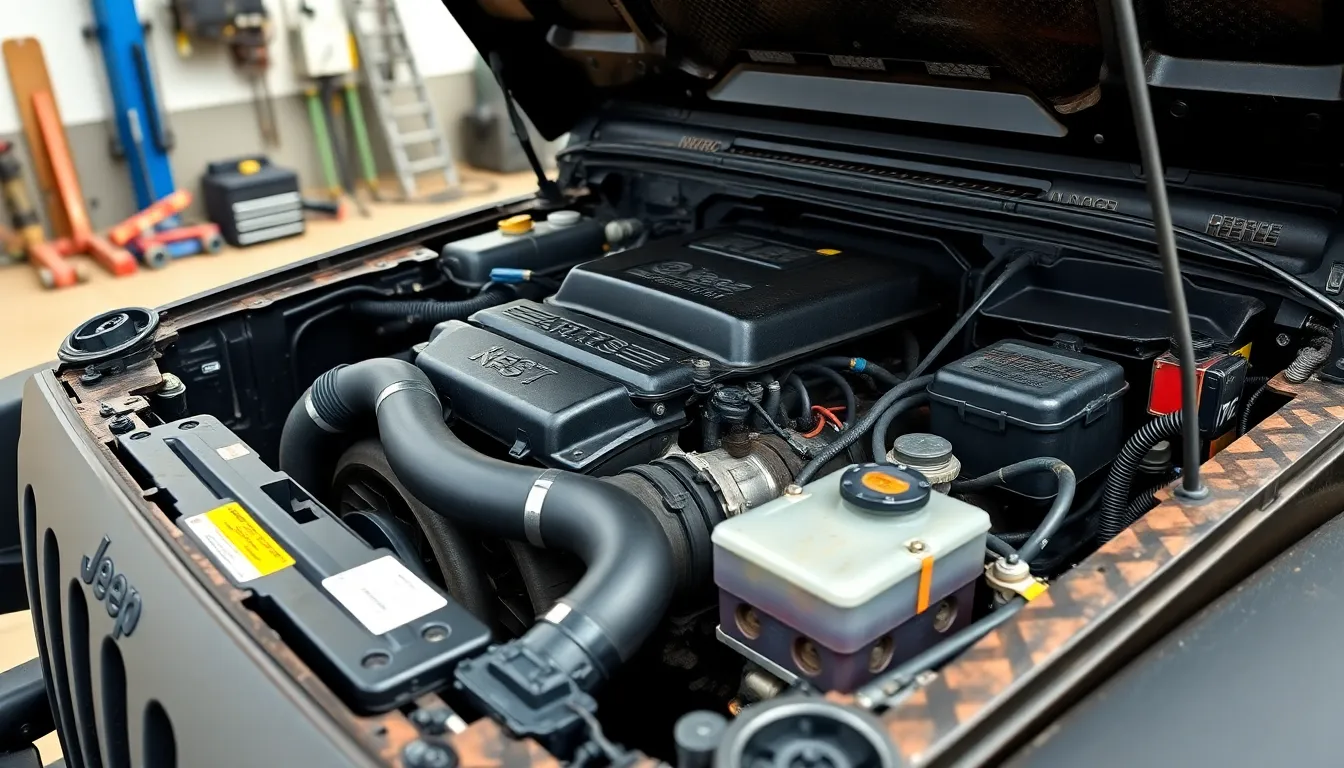
Jeep Wranglers known for reliability issues share several common problems that can create headaches for owners. Understanding these recurring issues helps you make informed decisions when shopping for a used Wrangler.
The Notorious “Death Wobble”
The Death Wobble affects many Wranglers, particularly 2007-2011 models. This dangerous steering vibration occurs unexpectedly, causing the steering wheel to shake violently at highway speeds. Many drivers report this terrifying experience happens after hitting small bumps or expansion joints on highways. The problem stems from worn steering components, loose track bar bolts, or improperly balanced tires. Fixing this issue often requires multiple shop visits as technicians struggle to diagnose the exact cause.
Electrical System Failures
Electrical problems plague many problematic Wrangler years, especially 2007-2008 JK models. The Totally Integrated Power Module (TIPM) frequently fails, causing random electrical glitches throughout the vehicle. Symptoms include power windows operating unexpectedly, dashboard lights flickering, and intermittent starting problems. These models also suffer from water leaks around the A-pillars that damage interior electronics. Complete TIPM replacement costs typically exceed $800, making this a important repair concern.
Engine and Powertrain Problems
Engine issues appear most prominently in the 2012 Wrangler equipped with the 3.6L Pentastar V6. Cylinder head failures occur with alarming frequency in these engines, leading to overheating, power loss, and expensive repairs. The problem stems from a manufacturing defect that causes cracks in the cylinder heads. Many owners report having to replace cylinder heads multiple times, even after warranty repairs. Additional powertrain concerns include transmission failures and differential problems that severely impact reliability.
Faulty Airbag Systems
Wranglers manufactured between 2007 and 2017 contain potentially dangerous Takata airbags. These defective safety devices can explode during deployment, sending metal fragments into the passenger compartment even during minor accidents. This serious safety issue prompted massive recalls across the automotive industry. Checking whether a used Wrangler has had this critical recall repair completed remains essential for any potential buyer.
Steering Component Defects
The 2018 Wrangler JL models arrived with serious steering problems from the factory. Faulty steering shaft welds can lead to complete steering failure while driving. Fiat-Chrysler issued recalls addressing these defects after reports of steering shafts splitting apart during normal operation. These models also suffer from steering wander issues that make highway driving unpredictable and dangerous. First-year JL models frequently experience infotainment system glitches as well, requiring software updates or component replacements.
The Worst Jeep Wrangler Years to Avoid
Even though the Jeep Wrangler’s legendary off-road capability, exact model years have earned notoriety for persistent mechanical and electrical problems. These problematic years can lead to important repair costs and safety concerns that diminish the ownership experience.
2007-2008 JK Models: First Generation Problems
The 2007-2008 Jeep Wrangler JK models represent the most troublesome early JK generation vehicles. Electrical failures involving the Totally Integrated Power Module (TIPM) frequently plague these models, causing unpredictable system malfunctions throughout the vehicle. Water leaks commonly occur around the A-pillars, leading to interior damage and potential electrical shorts. Perhaps most concerning is the “Death Wobble” phenomenon – a dangerous steering vibration that emerges at highway speeds, compromising vehicle control and passenger safety. These fundamental issues have created lasting safety concerns among owners even though the Wrangler’s rugged appeal.
2012 Wrangler: Serious Engine and Electrical Issues
The 2012 Wrangler stands out as particularly problematic due to its severe engine defects. This model year suffers from widespread failures of the 3.6L Pentastar V6 cylinder heads, often requiring complete replacement. Electrical system problems compound these engine issues, with multiple recalls issued to address various safety concerns. The 2012 model consistently ranks poorly in reliability ratings across automotive publications and owner surveys. Prospective buyers searching for a used Wrangler should approach this model year with extreme caution due to its documented history of mechanical failures and ongoing maintenance headaches.
2014 Wrangler: Transmission and TIPM Failures
The 2014 Wrangler continues the troubling pattern with important transmission problems and persistent TIPM failures. Transmission issues in this model year often manifest as rough shifting, unexpected slipping, and in severe cases, complete failure requiring expensive replacement. TIPM malfunctions create cascading electrical problems affecting critical systems including power windows, lights, fuel pumps, and starting systems. These electrical gremlins prove especially frustrating as they often appear randomly and resist simple diagnosis. The combination of drivetrain and electrical system problems makes the 2014 Wrangler a model year that compromises both reliability and safety.
Specific Problems by Generation
Each Jeep Wrangler generation comes with its unique set of mechanical challenges that buyers should be aware of before making a purchase. Understanding these generation-exact issues helps you make an well-informed choice and potentially avoid costly repairs down the road.
YJ Series (1987-1995) Problem Years
YJ Wranglers generally maintain reliability even though their age but suffer from several consistent issues worth noting. The hydraulic throwout bearing frequently fails, causing clutch problems and making gear shifts difficult for many owners. Transmission troubles emerge in higher mileage units, requiring expensive rebuilds or replacements. Rust aggressively attacks body panels and frames, particularly in vehicles from salt-belt regions. Exhaust manifold bolt failures occur regularly due to repeated heat cycles, with repair costs ranging from $950-$1,100. Starter problems stem from faulty wiring, problematic starter relays, or key switch issues that leave drivers stranded. Water infiltration through doors and A-pillars creates persistent leaks that damage interiors and electrical components. The 1995 model year specifically faced recalls related to ignition switches and throttle sensors, making it one of the more problematic years in this generation.
TJ Series (1997-2006) Problem Years
TJ Wranglers introduced improved coil spring suspension but carried several notable reliability issues, especially in early production years. Cooling system components frequently fail, with radiator and thermostat housing leaks leading to overheating episodes that damage engines. Models from 1997-1998 suffer from cracked fuel tanks that create dangerous fuel leakage situations. Suspension and steering components wear prematurely, resulting in the notorious “death wobble” that makes highway driving frightening. Electrical gremlins plague many TJs through deteriorating wiring harnesses and corroded connectors that cause intermittent problems. Transfer case and differential seals often leak in higher-mileage vehicles, requiring attention to prevent component damage. Early TJ years (1997-2002) demonstrate significantly more problems than later models, with maintenance costs climbing dramatically after 100,000 miles.
JK Series (2007-2018) Problem Years
JK Wranglers modernized the platform but introduced serious reliability concerns, particularly in earlier production years. The 3.8L V6 engine (2007-2011) suffers from oil consumption issues, premature failure, and overheating problems that lead to catastrophic breakdowns. Electrical system failures occur frequently, with the Totally Integrated Power Module (TIPM) malfunctions causing random electrical glitches throughout the vehicle. Frame rust problems persist even though improved manufacturing techniques, with severe cases requiring complete frame replacement. Automatic transmissions in 2007-2010 models fail prematurely, often before reaching 100,000 miles. Models produced after 2012 demonstrate markedly improved reliability following the introduction of the 3.6L Pentastar engine and addressing of early production flaws. The 2007-2008 model years remain particularly problematic, with multiple owners reporting spending thousands addressing systemic issues.
JL Series (2018-Present) Early Issues
JL Wranglers represent the most technologically advanced generation but experienced first-year production problems that potential buyers should consider. Electrical system glitches affect many components, including non-functioning USB ports, infotainment system freezes, and false sensor readings that trigger check engine lights. Transmission issues plague early production models, with owners reporting rough shifting, strange noises, and even complete failures requiring replacement. Water intrusion problems continue even though redesigned seals, with many owners discovering moisture in the cabin after rain or washing their vehicles. Many of these early production problems received fixes through recalls and technical service bulletins, making 2020 and newer JL models significantly more reliable choices. First-year JL owners report frustration with dealership visits for warranty repairs, though most issues get resolved under warranty coverage.
How to Identify a Problematic Jeep Wrangler Before Buying
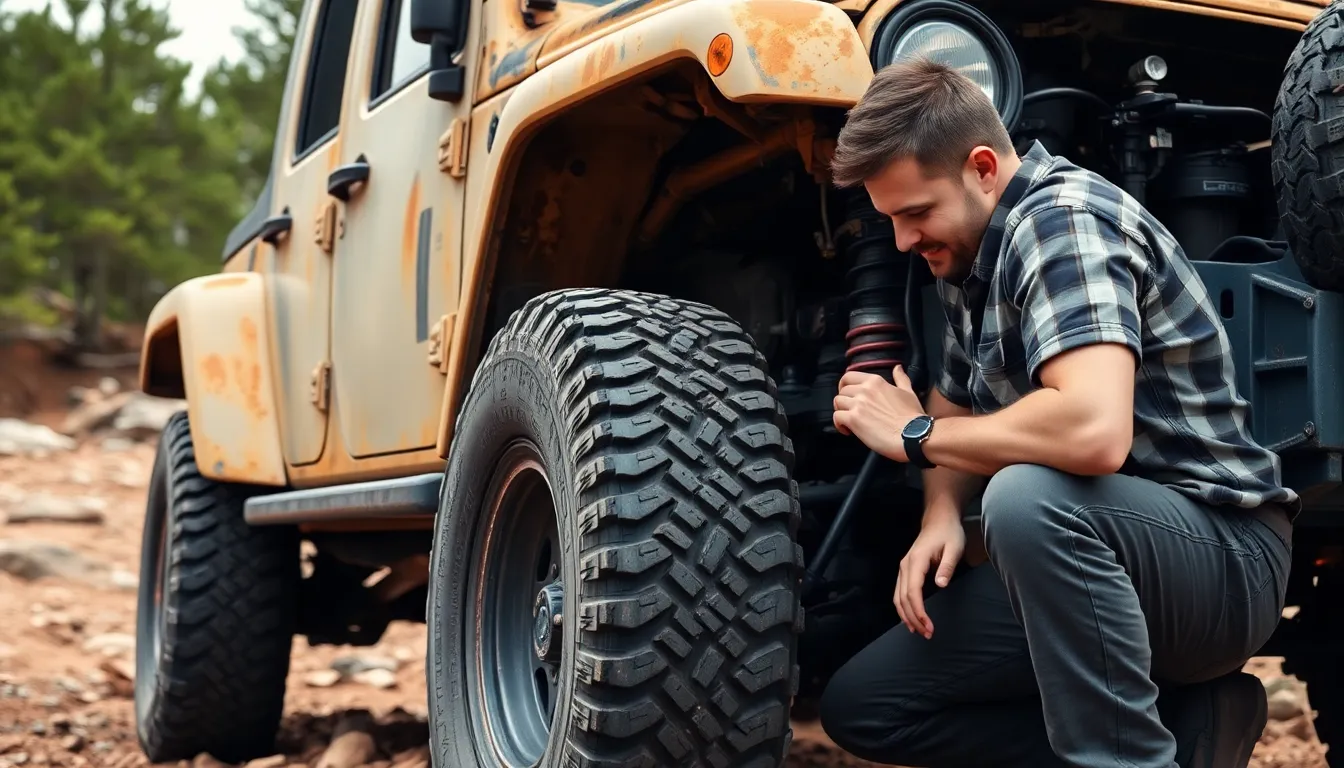
Inspecting a used Jeep Wrangler thoroughly saves you from expensive repairs down the road, especially when considering models from problematic years. Start by verifying if all recall-related repairs have been completed, particularly for the 2012, 2007, and 2008 models which faced many manufacturer callbacks.
During your test drive, pay close attention to any steering wheel vibrations after hitting bumps at speeds over 45 mph. This violent shaking, known as the “Death Wobble,” indicates serious front axle issues common in older JK models (2007-2011) and requires costly repairs to fix properly.
Test all electronic components including the instrument cluster, lighting systems, and infotainment center. Electrical failures plague many Wranglers, with the 2007-2008 models experiencing the most severe Totally Integrated Power Module (TIPM) problems that cause unpredictable system malfunctions.
Examine the hardtop or soft top for signs of water intrusion by checking for damp carpets, musty odors, or water stains on the interior. The 2014-2017 Unlimited models frequently develop leaky seals that allow moisture to penetrate the cabin during rainstorms or car washes.
Ask a qualified mechanic to inspect the suspension components for looseness or excessive wear. Models from 2014-2017 commonly develop suspension issues that affect handling, create unusual noises, and compromise safety on and off the trail.
Listen carefully to the engine during cold starts and acceleration, noting any knocking sounds or hesitation. The 2012 models with the 3.6L Pentastar V6 frequently suffer from cylinder head failures, while 2007-2008 models with the 3.8L engine often develop excessive oil consumption problems.
Test the throttle response at various speeds to ensure smooth operation without sticking or hesitation. Many 2014-2017 Unlimited owners report throttle switch failures that create dangerous driving conditions when the accelerator becomes unresponsive.
For manual transmission Wranglers, evaluate the clutch engagement by noting how far from the floor it engages and whether it slips under acceleration. The 2012 models are particularly prone to premature clutch wear, often requiring replacement before 60,000 miles.
Best Jeep Wrangler Years to Consider Instead
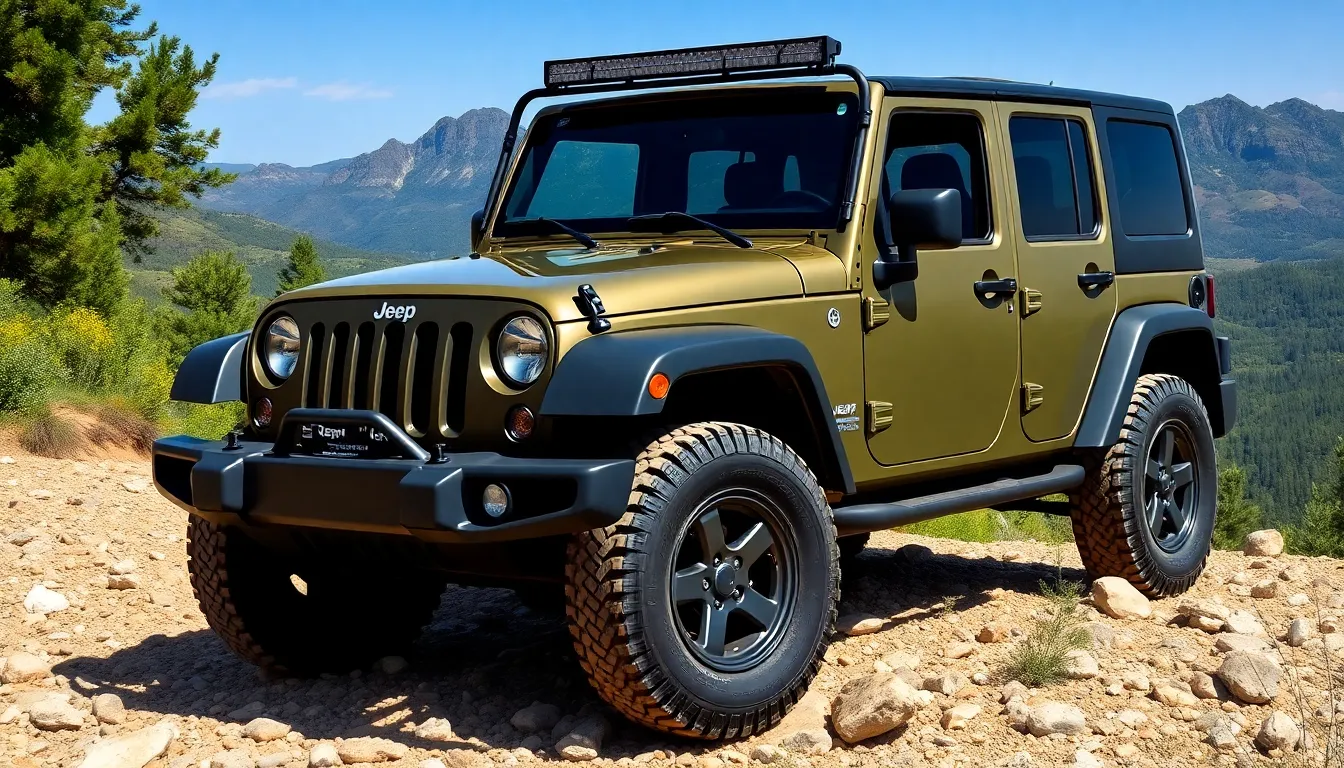
After learning about the problematic years, it’s equally important to know which Jeep Wrangler models offer better reliability and value. These recommended model years stand out for their durability, fewer recalls, and better overall ownership experience.
Classic YJ Models (1994-1995)
The mid-90s YJ Wranglers combine simplicity with reliability, making them excellent choices for Jeep enthusiasts. These models feature straightforward mechanics that are easy to work on and maintain. The legendary 4.0L inline-six engine found in these years provides exceptional durability and consistent performance even at high mileage. Though these older models lack modern amenities, their simplistic design means fewer components that can fail. Rust remains the primary concern with these classic Wranglers, so thorough inspection of the frame and body is essential before purchase.
Reliable TJ Generation (2004-2006)
TJ Wranglers from 2004-2006 represent some of the most dependable Jeep models ever produced. These years feature the robust 4.0L inline-six engine that earned a reputation for reaching well beyond 200,000 miles with proper maintenance. The coil spring suspension introduced in this generation dramatically improved ride quality compared to earlier leaf-spring setups. Common minor issues include occasional oil leaks and radiator cracks, but these problems are typically inexpensive to fix. The TJ’s combination of off-road capability, relatively comfortable on-road manners, and mechanical reliability makes these model years particularly sought after by Jeep purists.
Modern JL Models (2019-Present)
The latest Wrangler generation addresses many historical reliability concerns while offering modern technology and safety features. Models from 2019 onward have significantly fewer recalls than their 2018 counterparts, with continuous improvements to build quality each year. The current lineup includes efficient engine options like the 2.0L turbocharged four-cylinder and the 3.0L EcoDiesel V6, both offering better fuel economy than previous generations. Advanced safety features such as blind-spot monitoring, forward collision warning, and adaptive cruise control are available on newer models. These recent Wranglers maintain the iconic design and off-road capabilities while providing a more refined daily driving experience.
Summary of Recommended Jeep Wrangler Years
| Generation | Recommended Years | Key Strengths |
|---|---|---|
| YJ | 1994-1995 | Simple mechanics, durable 4.0L engine, easy to repair |
| TJ | 2004-2006 | Legendary reliability, improved ride quality, robust drivetrain |
| JL | 2019+ | Modern safety features, improved build quality, diverse powertrain options |
Selecting a Jeep Wrangler from these recommended years gives you the best chance of enjoying the iconic Jeep experience without the headaches associated with the problematic model years. Many Jeep enthusiasts specifically seek out these years, which has helped them maintain strong resale values compared to the more troublesome models.
Conclusion
Handling the used Jeep Wrangler market requires careful research to avoid costly mistakes. The worst offenders include the 2007-2008 JK models with electrical issues and the Death Wobble plus the 2012 model with its engine defects.
For better reliability stick with 1994-1995 YJ models 2004-2006 TJ models or 2019+ JL Wranglers. These years offer the iconic Jeep experience without the headaches.
Remember to thoroughly inspect any potential purchase check for completed recalls and test drive extensively. Having a mechanic examine the vehicle before buying can save you thousands in future repairs.
Armed with this knowledge you’ll be better positioned to find a dependable Wrangler that delivers the adventure you’re looking for without breaking down on the trail.
Frequently Asked Questions
Which Jeep Wrangler years should I avoid?
The most problematic Jeep Wrangler years to avoid are 2007-2008 JK models (electrical failures, water leaks, “Death Wobble”), 2012 models (severe engine defects with the 3.6L Pentastar V6), and 2014 models (transmission issues and TIPM failures). These model years have documented reliability issues that can lead to expensive repairs and safety concerns.
What is the “Death Wobble” in Jeep Wranglers?
The “Death Wobble” is a dangerous steering vibration affecting primarily 2007-2011 Wranglers. It occurs at highway speeds when the steering wheel violently shakes, making the vehicle difficult to control. It’s typically caused by worn steering components, unbalanced tires, or loose track bar bolts. This safety concern requires immediate attention if experienced.
What are the most reliable Jeep Wrangler years?
The most reliable Jeep Wrangler years include: 1994-1995 YJ models (simple and durable), 2004-2006 TJ models (robust 4.0L engine and improved ride quality), and 2019-present JL models (fewer reliability issues and advanced features). These model years offer the iconic Jeep experience with fewer mechanical problems.
What common problems affect JK Wranglers (2007-2018)?
JK Wranglers frequently experience oil consumption in the 3.8L V6 engine, electrical system failures (especially in 2007-2008 models), the “Death Wobble” steering issue, TIPM failures causing electrical glitches, and water leaks. Early JK models (2007-2011) are generally considered less reliable than later ones after design improvements were implemented.
Are newer Jeep Wranglers more reliable than older models?
Yes, newer Wranglers (particularly 2019 and newer JL models) are generally more reliable than problematic years like 2007-2008 and 2012. Jeep has addressed many historical issues in recent models, improving build quality, electrical systems, and powertrain reliability while adding modern safety features and technology. However, older TJ models (2004-2006) are also known for their reliability.
How can I check if a used Jeep Wrangler has had recall work completed?
Check a used Wrangler’s recall status by entering the Vehicle Identification Number (VIN) on the NHTSA website (nhtsa.gov) or Jeep’s recall lookup page. You can also contact a Jeep dealership with the VIN. Ask the seller for service records showing completed recall repairs, particularly for critical issues like Takata airbags in 2007-2017 models.
What should I look for when test driving a used Jeep Wrangler?
During a test drive, check for the “Death Wobble” at highway speeds, test all electronic components and windows, listen for unusual engine noises (especially during cold starts), check for signs of water intrusion, evaluate throttle response, and test the transmission (particularly shift quality). Have a mechanic inspect the suspension components and check for rust on the frame.
Do Jeep Wranglers hold their value well?
Yes, Jeep Wranglers typically hold their value exceptionally well compared to other vehicles. However, problematic model years (2007-2008, 2012, 2014) may depreciate faster due to their known issues. The most reliable model years, particularly late-model TJs (2004-2006) and newer JLs (2019+), tend to command higher resale prices and depreciate more slowly.