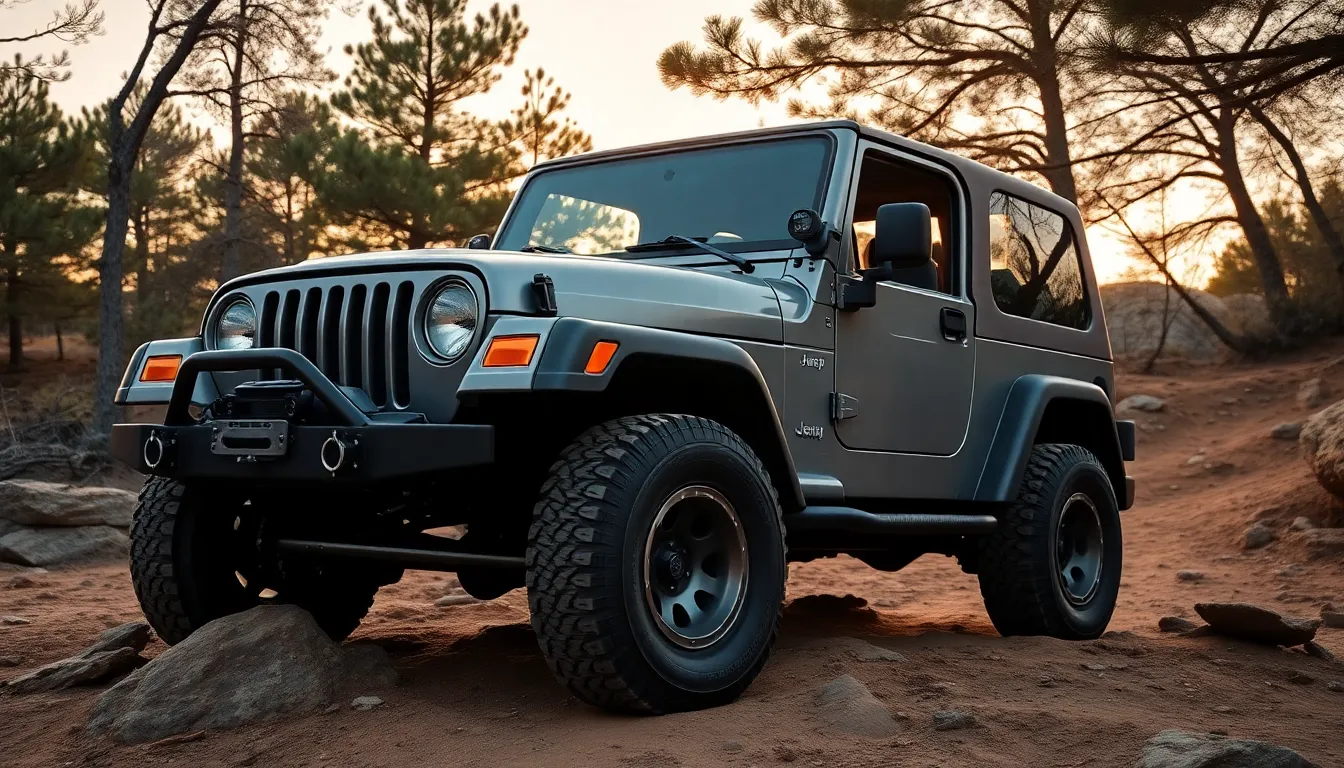
Are you considering buying a Jeep Wrangler TJ but worried about ending up with a problematic model year? The TJ series (1997-2006) remains a beloved off-road icon, but not all model years were created equal.
While Wrangler TJs are known for their durability and off-road capability, certain years have documented issues with frames, engines, and electrical systems that can turn your dream Jeep into a money pit. Understanding which Jeep Wrangler TJ years to avoid can save you thousands in unexpected repairs and countless headaches down the road.
What Makes the Jeep Wrangler TJ Special
The Jeep Wrangler TJ represents a pivotal evolution in the iconic Jeep lineage, marking a important improvement over its predecessor, the YJ. Introduced in 1997, the TJ reincorporated the beloved round headlights that had been absent since the CJ series, instantly reconnecting with Jeep’s heritage and winning over traditionalists.
Off-road performance defines the TJ’s soul with its impressive 8.4 inches of ground clearance and robust 4.0L inline-six engine delivering 190 horsepower and 235 lb-ft of torque. The Quadra-Coil suspension system replaced the previous leaf springs, dramatically improving both off-road articulation and on-road comfort. This suspension setup allows the wheels to maintain better contact with uneven terrain, giving the TJ exceptional capability on challenging trails.
Customization options abound with the TJ platform, making it a favorite among enthusiasts who enjoy personalizing their vehicles. The aftermarket support remains extraordinary two decades after production ended, with countless options for lift kits, bumpers, lighting upgrades, and performance modifications. Many owners report spending weekends tinkering with their TJs, gradually building them into personalized off-road machines.
The TJ’s simple, utilitarian design embodies the “function over form” philosophy that makes Jeeps special. Its relatively compact dimensions (compared to modern Wranglers) provide advantages on narrow trails, while the straightforward mechanical systems make it accessible for DIY maintenance. The removable doors, fold-down windshield, and various top options deliver the open-air experience that’s become synonymous with Jeep culture.
Recommended Products

Full tub body mount rust repair kit fit for 1997-2006 Jeep Wrangler TJ

The skid plate pieces are full length repair pieces that completely repair the areas in front of and behind the skid plates

Fitment: Driver and Passenger Rear Horn Frame Plate Rust Repair Fit for 1997-2006 Jeep Wrangler TJ
Worst Jeep Wrangler TJ Years to Avoid
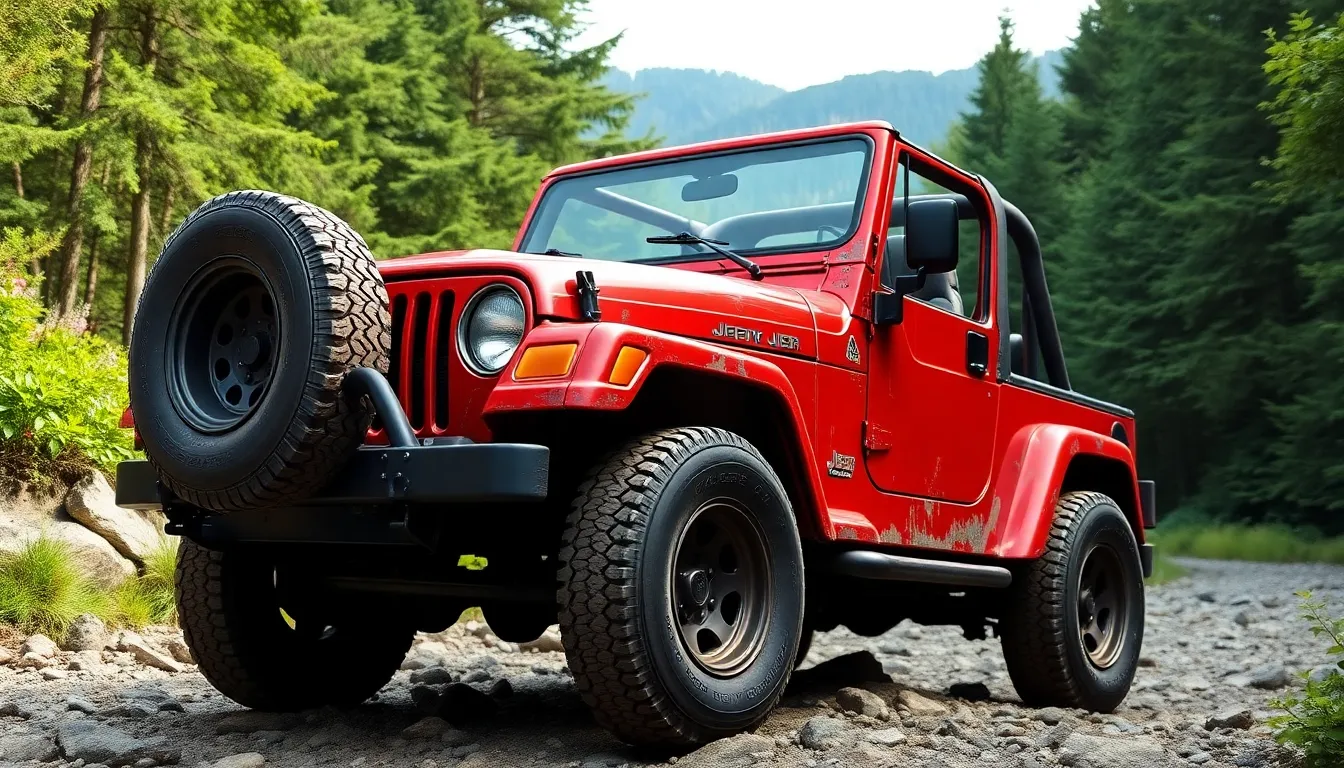
The Jeep Wrangler TJ (1997-2006) has several problematic years that can lead to headaches and expensive repairs. Understanding which model years have the most important issues helps you make an informed purchase decision and potentially save thousands in unexpected maintenance costs.
Recommended Products

【High Quality】A ABIGAIL fuel pump assembly improves the efficiency and stability of fuel delivery. Precisely built and tested to the same rigorous quality as OE fuel pumps.

Compatible With Jeep: TJ/Wrangler 2000-2002 L4 2.5L (VIN: P), TJ/Wrangler 1997-1999 L4 2.5L (with 19 Gallon Tank, VIN: P), TJ/Wrangler 2000-2002 L6 4.0L (VIN: S), TJ/Wrangler 1997-1999 L6 4.0L (with 19 Gallon Tank, VIN: S).

【High Quality】A ABIGAIL fuel pump assembly improves the efficiency and stability of fuel delivery. Precisely built and tested to the same rigorous quality as OE fuel pumps.
1997-1998: Early Production Issues
Early TJ models suffer from many reliability problems that make them risky purchases today. Leaking seals caused by poorly secured bolts are common in these years, creating ongoing maintenance challenges. Fuel pump failures frequently occur, causing dangerous pressure buildup that risks engine damage. The frames in 1997-1998 models are particularly susceptible to severe rot, especially in northern climates where salt and moisture accelerate deterioration. This rot typically begins near control arm mounts and body mounts, compromising structural integrity and safety. Many owners report cracked fuel tanks—an expensive repair that often catches buyers off guard when shopping for these early TJs.
2001-2002: Problematic Engines and Electronics
The 2001-2002 TJ Wranglers present a different set of concerns even though improvements over earlier models. Persistent fuel system problems plague these years, causing unpredictable performance issues. Axle leaks develop frequently, requiring time-consuming repairs that impact drivetrain reliability. Electrical gremlins emerge in these models, particularly wiring harness connection faults that lead to inaccurate gauge readings and intermittent sensor failures. Drivers commonly experience noticeable vibration and shuddering during normal operation—issues that prove difficult to diagnose and resolve completely. These combined problems make 2001-2002 models less dependable and more expensive to maintain than other TJ years.
2005: Transition Year Problems
The 2005 TJ represents a transitional year with unique reliability concerns. Front pinion seal leaks and transfer case housing issues appear regularly in these models, creating messy driveways and potentially damaging components if left unaddressed. Oil leaks from multiple points on the 4.0L engine—including the timing chain cover, rear main seal, oil pan, and valve covers—require ongoing attention and repair. Frame rust continues to plague the 2005 models, though not as severely as the earliest TJs. Many owners find these issues fixable but cumulatively expensive, turning what seemed like a good deal into a money pit. The combination of these problems makes the 2005 TJ a model year that requires careful pre-purchase inspection and realistic maintenance expectations.
Common Problems in Troubled TJ Models
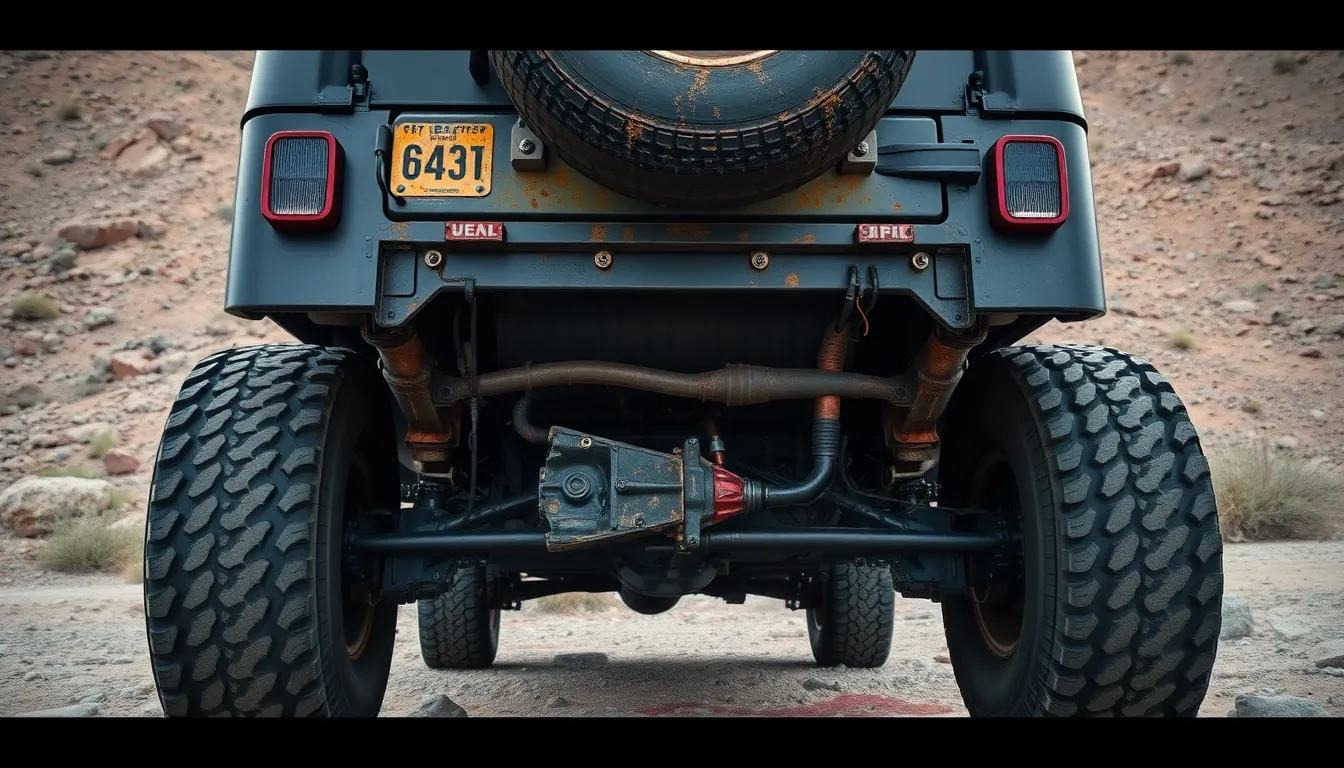
The Jeep Wrangler TJ series (1997-2006) exhibits several recurring issues across its problematic model years. These persistent problems fall into three main categories that potential buyers must scrutinize before making a purchase decision.
Recommended Products

[Vehicle Fitment]: Compatible with Jeep TJ 2003 2005-2006 L4 2.4L, TJ 1997-2002 L4 2.5L, TJ 1997-2006 L6 4.0L, Wrangler 2003-2006 L4 2.4L, Wrangler 1997-2002 L4 2.5L, Wrangler 1997-2006 L6 4.0L --- Automatic Transmission

[Vehicle Fitment]: Compatible with Jeep WJ Series Grand Cherokee 1999-2004 L6 4.0L, Wrangler 2000-2006 L6 4.0L (with Air Conditioning)
Engine and Transmission Failures
Transmission problems plague many TJ models, particularly those equipped with the 32RH automatic transmission from the late 1990s to early 2000s. Slipping gears, difficult shifting, and delayed gear engagement are telltale signs of these transmission woes. Many owners report pink or orange fluid leaks underneath their Jeeps—a clear indicator of transmission fluid loss. Poor engine performance, unexpected stalling, and vehicle shuddering often accompany these transmission issues, making off-road adventures less enjoyable and potentially dangerous. The 32RH automatic transmission specifically suffers from internal fractures and mechanical anomalies that lead to complete failure in severe cases, resulting in costly repairs that can exceed $2,000.
Frame Rust and Structural Issues
Frame rust represents one of the most serious concerns for TJ owners, especially those in regions where road salt is commonly used. The TJ’s frame tends to corrode extensively near the rear control arm mounts and along the frame rails. Severe rusting compromises the vehicle’s structural integrity, creating serious safety hazards during off-road excursions. Advanced frame rot often renders otherwise mechanically sound Jeeps completely unsafe to drive and economically unfeasible to repair. A thorough inspection of the frame should include checking for bubbling paint, flaking metal, and perforations—particularly in hidden areas where moisture collects unnoticed for years.
Electrical System Defects
Electrical problems frequently affect TJ Wranglers, creating frustrating ownership experiences. Faulty sensors, corroded wiring connections, and malfunctioning switches cause intermittent issues that are notoriously difficult to diagnose. Dashboard gauges might display inaccurate readings, headlights could dim unexpectedly, and intermittent starting problems often leave owners stranded. The TJ’s exposure to elements when driven with the top down or doors removed compounds these electrical issues, as moisture infiltration accelerates connector corrosion. Many owners report mysterious battery drains that occur even when the vehicle sits unused for short periods, pointing to parasitic draws from compromised electrical components. Troubleshooting these electrical gremlins typically requires specialized diagnostic equipment and considerable patience.
Best Jeep Wrangler TJ Years to Consider Instead
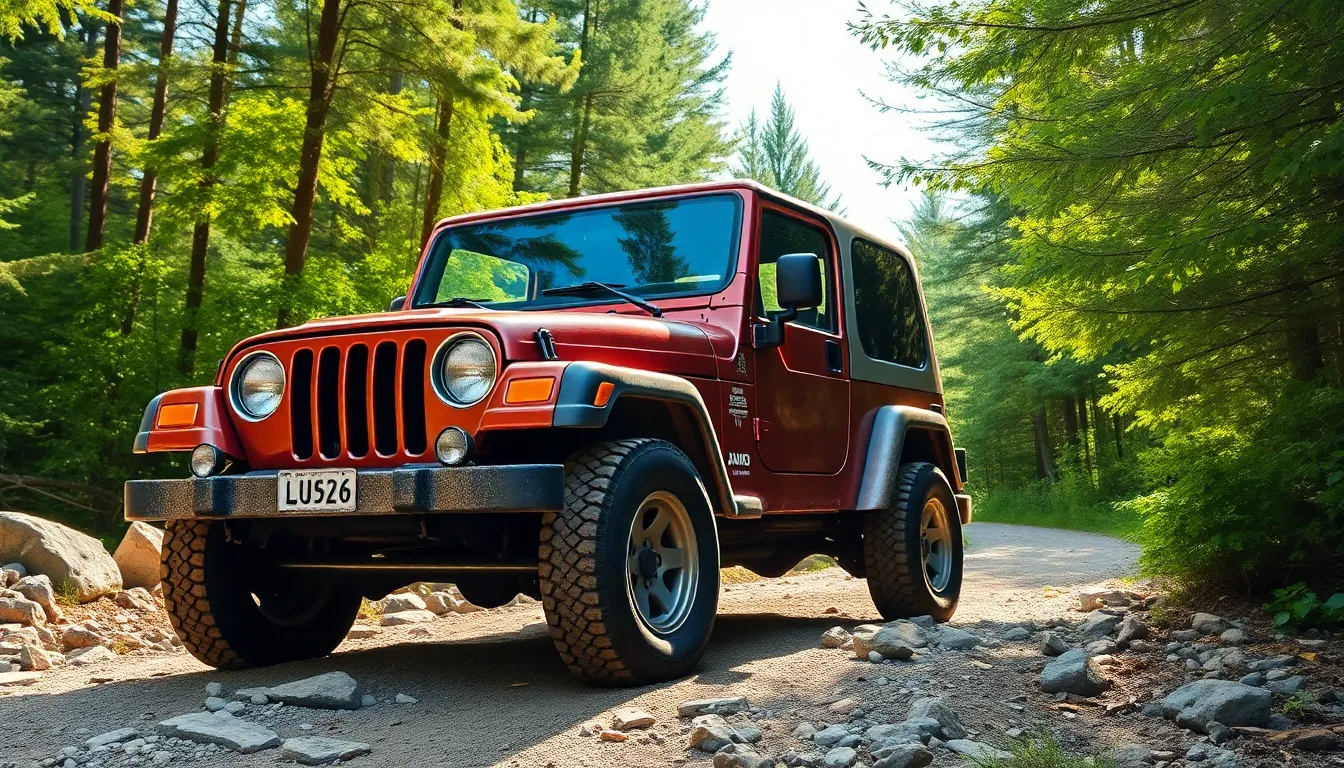
After exploring the problematic years of the Jeep Wrangler TJ, it’s equally important to highlight the model years that deliver exceptional reliability and performance. These standout years offer the classic TJ experience with fewer mechanical headaches and better long-term ownership satisfaction.
Recommended Products

[Replaces Part Number]: 1S6664 C1832 S4174 S4174P Ps-284 1802-98588 Ps284T # 56031003 56031003Ab 88924457 Ps271 .Please Check The Oem Number And Make Sure Your Matches This Before Buying!

[Replaces Part Number:] 5S2473 213-1371 Ec1690 Ps10024 Su3032 As146 # 2131371 220202 56028303 .Please Check The Oem Number And Make Sure Your Matches This Before Buying!

Fitment: For Jeep Wrangler TJ 4.0L 2003-2004 (GAS OHV Naturally Aspirated 242Cu.In.l6). For Jeep Wrangler TJ 2.4L 2003-2004 (GAS DOHC Naturally Aspirated 148Cu.In.l4)
1999-2000: Early Sweet Spot
The 1999-2000 Wrangler TJ models represent an early sweet spot in the production run, balancing simplicity with reliability. These models feature solid mechanical systems with fewer complicated electronics, making them easier to work on for DIY enthusiasts. Their straightforward design and robust 4.0L inline-six engine provide legendary durability when properly maintained. Though these years lack the onboard diagnostics port (OBDII) found in later models, many Jeep purists appreciate the more mechanical nature and fewer computer-controlled systems. The coil spring suspension introduced with the TJ generation significantly improves ride comfort compared to previous leaf-spring Wranglers, while maintaining excellent articulation for off-road adventures.
2003-2004: Refined and Reliable
The 2003-2004 Wrangler TJ models stand as the pinnacle of the generation, offering the most refined driving experience with excellent reliability. These years benefit from several production refinements that addressed earlier issues while avoiding the oil pump drive assembly (OPDA) problems that plagued the 2005-2006 models. The 4.0L inline-six engine in these years is particularly well-sorted, delivering the perfect balance of power, torque, and durability. Superior diagnostic capabilities make maintenance and troubleshooting considerably easier compared to earlier models. Many enthusiasts consider these years the “golden era” of the TJ platform, with improved build quality, better interior materials, and more reliable electrical systems. The 2003-2004 models also maintain excellent aftermarket support, allowing for straightforward upgrades and customization options that preserve the vehicle’s reliability while improving its capabilities.
How to Inspect a Used Wrangler TJ Before Buying
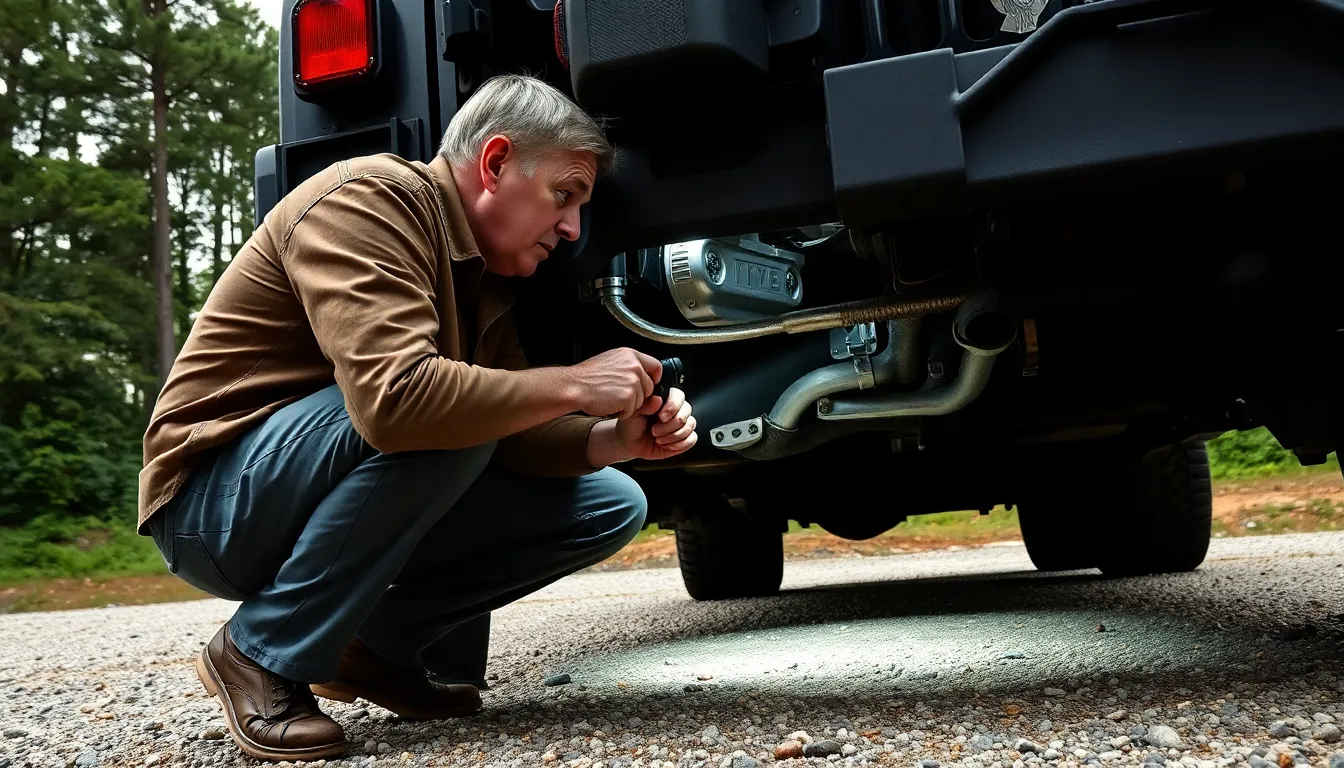
Inspecting a used Wrangler TJ thoroughly before purchase saves you from expensive repairs and potential disappointments. Focus on these critical inspection points to ensure you’re getting a reliable vehicle.
Recommended Products

[Vehicle Fitment-1]: Compatible with Jeep Wrangler Rubicon 2003-2004, Wrangler Rubicon 2005-2006 Automatic, Wrangler Sahara L6 4.0L 2000-2004, Wrangler Sport L6 4.0L 2000-2000 Manual, Wrangler Sport L6 4.0L 2001-2004, Wrangler Unlimited 2004-2004 Automatic, Wrangler Unlimited 2005-2006, Wrangler Unlimited Rubicon 2005-2006, Wrangler X 2002-2004, Wrangler X 2005-2006 Automatic --- with Air Conditioning

[Vehicle Fitment]: Compatible with Jeep Wrangler 2003-2004 L4 2.4L, Wrangler 2000-2002 L4 2.5L, Wrangler 1997-2000/2005-2006 L6 4.0L, TJ 2003 L4 2.4L, TJ 2000-2002 L4 2.5L, TJ 1997-2005 L6 4.0L

[Application] Front leveling kit fits for for Jeep Wrangler 4WD 1997-2006, Jeep Wrangler Rubicon 4WD 2003 - 2006, Jeep Wrangler Unlimited 4WD 2004-2006, Jeep Wrangler Unlimited Rubicon 4WD 2005-2006
Check for Rust Damage
Rust inspection ranks as your top priority when examining any TJ. Examine the frame carefully, particularly around the upper control arms and body mounts where rust commonly develops. Get underneath the vehicle with a flashlight to inspect these areas thoroughly. Important frame rust compromises structural integrity and creates safety hazards that are extremely expensive to repair. Eastern U.S. Wranglers typically suffer more severe rust issues due to road salt exposure.
Listen for Exhaust Manifold Leaks
Almost all 1997-2006 TJs with the 4.0L engine eventually develop exhaust manifold leaks. During your test drive, listen carefully for ticking noises coming from the engine bay, especially when the engine is cold. Inspect the manifold area for black soot marks or visible leaks. These manifold issues generally require expensive repairs and shouldn’t be overlooked during inspection.
Verify Transmission Function
Transmission problems plague certain TJ years, particularly the 2005-2006 models with automatic transmissions. Test all gears thoroughly during your test drive, noting any hesitation, slipping, or grinding. PCM (Powertrain Control Module) issues commonly affect these later model automatics. Having a specialist check the transmission and PCM functionality might save you from costly future repairs.
Examine the Suspension System
Test the sway bar and suspension components for unusual movement or play. Unwanted sway bar movement creates handling issues and potentially dangerous driving conditions. Bounce each corner of the Jeep to check for shock absorber function. Suspension components wear out over time, and signs of excessive play indicate upcoming maintenance expenses.
Review Maintenance Records
Ask for complete maintenance records documenting regular oil changes and addressing known TJ issues. Check specifically for OPDA (Oil Pump Drive Assembly) replacements in 2005-2006 models, as these components frequently fail. Look for records of radiator replacements, as cracked radiators occur commonly in TJs. Comprehensive maintenance history indicates a conscientious previous owner and reduces your risk of surprise failures.
Conclusion
Choosing the right Jeep Wrangler TJ can mean the difference between an off-road adventure machine and a money pit. By avoiding the problematic 1997-1998 early models 2001-2002 troubled years and the transitional 2005 model you’ll save yourself important headaches and repair costs.
Focus your search on the 1999-2000 sweet spot or the refined 2003-2004 golden era models for the best TJ ownership experience. Always perform a thorough inspection checking for frame rust exhaust leaks transmission issues and maintenance records before making your purchase.
With the right knowledge you can confidently find a reliable TJ that delivers that iconic Jeep experience without very costly. Your perfect off-road companion is out there waiting for its next adventure with you behind the wheel.
Recommended Products

Fitment: The frame repair kit compatible with 1997-2002 Jeep Wrangler TJ. To purchase any of these products separately, you can refer to the product description, which has links to each product.
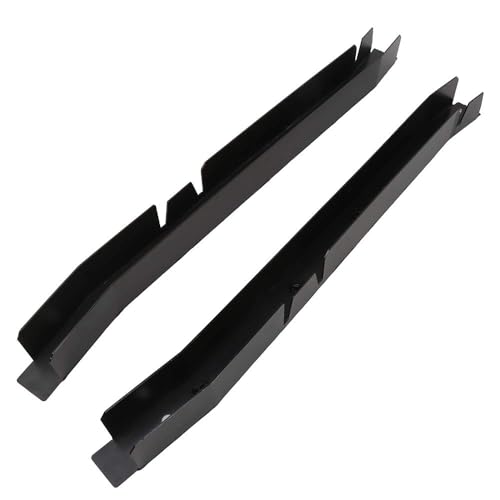
Fitment: Driver and passenger center skid plate frame repair fit for 2003-2006 Jeep Wrangler TJ. Please note: We also have fit for 1997-2002 Jeep TJ model

This item is designed fix to the area in front of the passenger rear axle and driver rear axle where rot typically occurs, directly compatible with 1997-2006 Jeep Wrangler Passenger & Driver Side
Frequently Asked Questions
Recommended Products

Fuel Pump Module Replacement for Jeep 1997 1998 1999 TJ (with 19 Gallons Tank; 2.5L,Engine VIN: P; 4.0L, Engine VIN: S) - [for Jeep 2000 2001 2002 TJ (2.5L,Engine VIN: P; 4.0L, Engine VIN: S)] - for Jeep 1997 1998 1999 Wrangler (with 19 Gallons Tank; 2.5L,Engine VIN: P; 4.0L, Engine VIN: S) - [for Jeep 2000 2001 2002 Wrangler (2.5L,Engine VIN: P; 4.0L, Engine VIN: S)]

[VEHICLE FITMENT] :ECCPP Electric Fuel Pump for 1997-2002 for Jeep TJ 2.5L,1997-2002 for Jeep TJ 4L,1997-2002 for Jeep Wrangler 2.5L,1997-2002 for Jeep Wrangler 4L, Please Check fitment for your vehicle Year/Make/Model on compatibility dropdown / chart. No modification necessary. Images depict actual item and necessary components.

[Vehicle Fitment] Compatible with Jeep TJ & Wrangler 1997-2002 2.5L L4; Compatible with Jeep TJ & Wrangler 1997-2002 4.0L L6
What years of Jeep Wrangler TJ should I avoid?
The most problematic years to avoid are 1997-1998, 2001-2002, and 2005. The 1997-1998 models suffer from leaking seals, fuel pump failures, and severe frame rot. The 2001-2002 models have persistent fuel system problems, axle leaks, and electrical issues. The 2005 model has front pinion seal leaks and oil leaks as a transitional year with unique reliability challenges.
What makes the Jeep Wrangler TJ special?
The TJ reintroduced iconic round headlights and features impressive off-road capability with 8.4 inches of ground clearance and a powerful 4.0L inline-six engine. Its upgraded Quadra-Coil suspension significantly improves both off-road performance and on-road comfort. The TJ is highly customizable with extensive aftermarket support, and its simple design makes it ideal for DIY maintenance.
What are the best years for the Jeep Wrangler TJ?
The 1999-2000 models represent an early sweet spot with solid mechanical systems and fewer complicated electronics, making them easier to maintain. The 2003-2004 models are considered the pinnacle of the generation, offering refined driving experience, excellent reliability, improved build quality, and better electrical systems—the “golden era” of the TJ platform.
What common problems affect troubled TJ models?
The three main problem areas are: 1) Engine and transmission failures, particularly with the 32RH automatic transmission causing slipping gears; 2) Frame rust and structural issues, especially in regions with road salt; and 3) Electrical system defects including faulty sensors and corroded wiring that cause battery drain and other frustrating issues.
How should I inspect a used Wrangler TJ before buying?
Check thoroughly for frame rust, especially around control arms. Listen for exhaust manifold leaks during test drives. Verify transmission function, particularly in 2005-2006 models. Examine the suspension system for wear signs. Review maintenance records, focusing on regular oil changes and repairs of known issues. A thorough inspection helps avoid expensive repairs later.