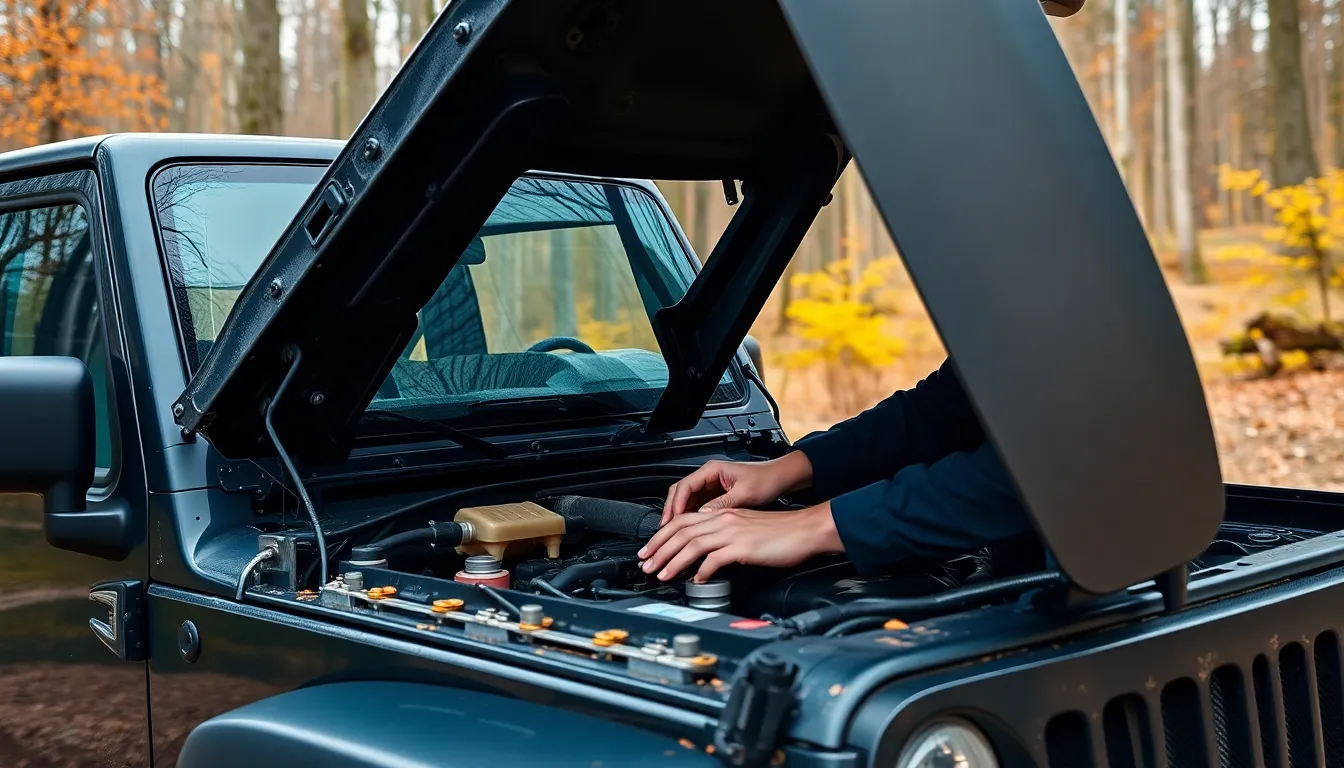
Has your Jeep Wrangler displayed the P0128 code, leaving you wondering what’s wrong with your vehicle? This trouble code indicates a potential issue with your engine’s cooling system not reaching proper operating temperature fast enough, which can affect performance and fuel economy.
When your Jeep shows this code, it’s typically related to a faulty thermostat, low coolant levels, or problems with the cooling system sensors. Addressing P0128 promptly is crucial as prolonged engine temperature issues can lead to increased fuel consumption and potential engine damage. Let’s explore what causes this common Jeep Wrangler error code and how you can fix it yourself in many cases.
Understanding the P0128 Code in Jeep Wranglers
The P0128 diagnostic trouble code specifically indicates that your Jeep Wrangler’s engine coolant temperature isn’t reaching the required operating temperature within a designated timeframe. This code appears when the engine control module (ECM) detects that the coolant temperature remains below the thermostat’s regulated temperature for too long after starting.
Your Jeep’s computer expects the engine to warm up to operating temperature (typically 195°F to 220°F) within a certain period. When this doesn’t happen, it triggers the P0128 code and illuminates your check engine light. The primary concern with this code is that running an engine below its optimal temperature reduces efficiency and can lead to increased wear over time.
Jeep Wranglers commonly display this code due to several potential issues. A failing thermostat that’s stuck open is the most frequent culprit, preventing the engine from maintaining proper operating temperature. Low coolant levels or air pockets in the cooling system might also prevent adequate heat distribution. Also, faulty coolant temperature sensors sometimes send incorrect readings to the ECM, falsely triggering the code even when the cooling system functions properly.
Many Wrangler owners first notice this issue during colder months when the heater produces less warmth than usual. Liam Kohn, a certified Jeep technician, notes that “at least 70% of the P0128 codes I’ve diagnosed in Wranglers were resolved by replacing a worn-out thermostat, which is typically a straightforward fix for most DIY mechanics.”
Understanding this code’s meaning is crucial for properly addressing the underlying problem and preventing potential long-term damage to your Jeep’s engine.
What Does P0128 Mean for Your Jeep Wrangler
The P0128 code in your Jeep Wrangler signals a exact problem with your engine’s cooling system. This diagnostic trouble code appears when your engine’s coolant temperature fails to reach its proper operating level within the expected timeframe after startup.
Engine Coolant Temperature Below Operating Level
Your Jeep Wrangler’s engine is designed to operate within a exact temperature range for optimal performance. When the P0128 code appears, it indicates that your engine coolant temperature remains below the thermostat’s regulating temperature. Normal operating temperatures for a Jeep Wrangler engine typically range from 195°F to 220°F. The cooling system’s inability to reach these temperatures quickly enough triggers the check engine light and stores this code. Cold-weather driving exacerbates this issue, with many Wrangler owners reporting more frequent occurrences during winter months when their heaters don’t produce adequate warmth.
OBD-II Diagnostic Explanation
The P0128 code is part of the OBD-II (On-Board Diagnostics) system that monitors your Jeep’s vital functions. Your Wrangler’s Engine Control Module (ECM) or Powertrain Control Module (PCM) constantly tracks coolant temperature and compares it against programmed parameters. The diagnostic system flags a problem when the coolant temperature fails to reach the minimum threshold within a predetermined time after a cold start. Temperature sensors throughout the cooling system send data to the ECM, which evaluates whether the engine is warming up at the expected rate. Modern Jeep Wranglers use this information to adjust fuel mixtures and timing for efficiency. The diagnostic system stores the P0128 code when it detects consistent failures to reach proper operating temperatures, prompting the check engine light to illuminate on your dashboard.
Common Causes of P0128 in Jeep Wranglers
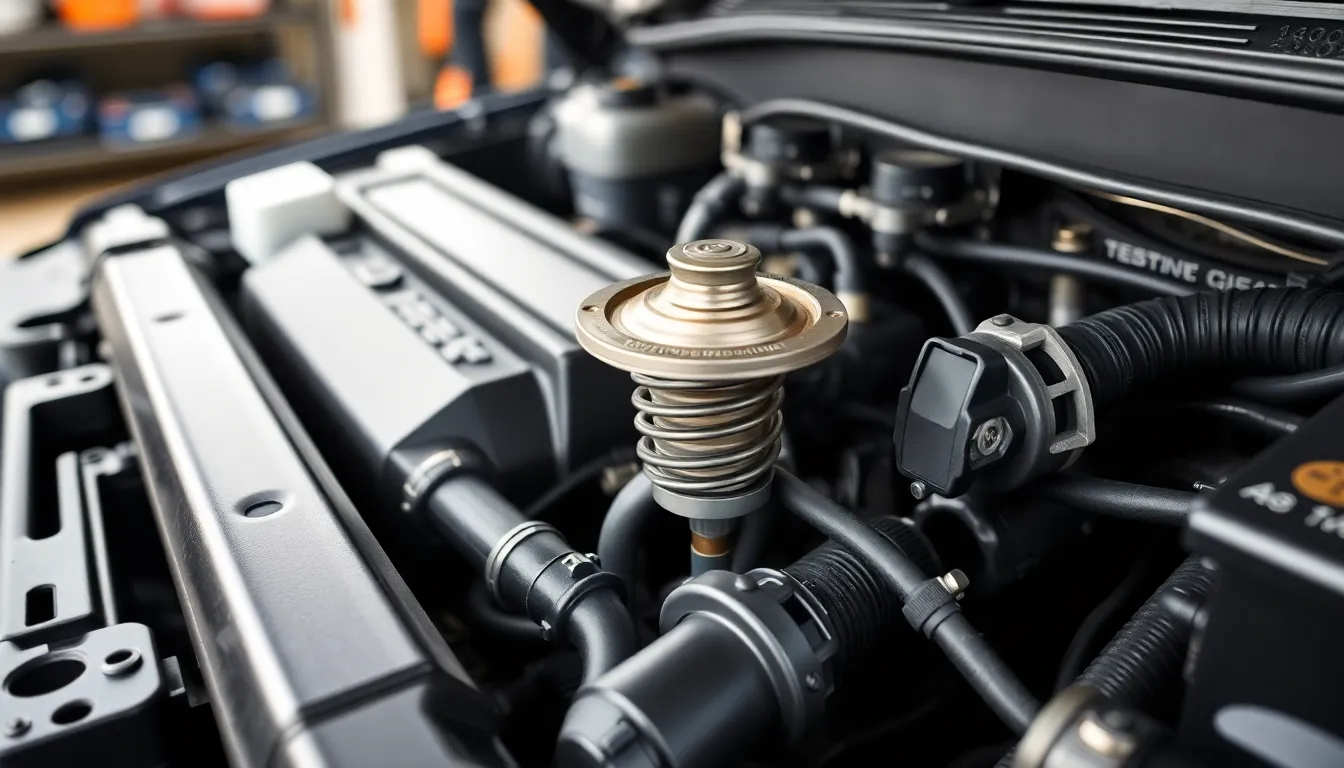
The P0128 code in Jeep Wranglers indicates that engine coolant temperature remains below the thermostat’s regulating temperature. Several exact components typically cause this issue, affecting your Wrangler’s performance and fuel efficiency.
Faulty Thermostat Issues
A stuck-open thermostat represents the most common cause of P0128 codes in Jeep Wranglers. Your vehicle’s thermostat regulates coolant flow through the engine to maintain optimal operating temperature. When this component fails in the open position, coolant continuously circulates through the radiator, preventing the engine from warming up properly. Statistics show that approximately 70% of P0128 codes in Wranglers resolve after replacing the thermostat. Many Jeep owners report experiencing this issue more frequently during colder months when the problem becomes more noticeable due to reduced cabin heat output.
Coolant Temperature Sensor Problems
Faulty engine coolant temperature (ECT) sensors trigger false P0128 codes by sending incorrect temperature readings to your engine control module. These sensors monitor coolant temperature and provide crucial data that your Jeep’s computer uses to adjust fuel mixtures and timing. A malfunctioning sensor might report temperatures lower than actual conditions, causing the ECM to believe your engine isn’t warming up properly. Testing the sensor’s resistance values at different temperatures helps determine if it’s providing accurate readings before replacement.
Low Coolant Level or Leaks
Insufficient coolant prevents your Jeep’s engine from reaching proper operating temperature. Coolant leaks from radiator hoses, water pump gaskets, or the radiator itself reduce the system’s overall capacity and efficiency. Air pockets formed from low coolant levels further compromise the cooling system’s ability to distribute heat evenly. Inspecting your coolant reservoir, checking for visible leaks underneath your Wrangler, and examining connection points throughout the cooling system identify potential coolant loss sources. Some Jeep owners report persistent P0128 codes even after thermostat replacement due to undetected small leaks in the cooling system.
Symptoms Associated with Code P0128
The P0128 code in your Jeep Wrangler manifests through several noticeable symptoms that affect both performance and comfort. These symptoms typically develop gradually as the cooling system fails to maintain proper engine operating temperatures.
Poor Fuel Economy
Fuel efficiency drops significantly when your Jeep Wrangler experiences a P0128 code issue. Your engine control unit compensates for the cooler-than-optimal temperatures by enriching the fuel mixture, resulting in increased fuel consumption. Many Wrangler owners report seeing their average MPG decrease by 2-4 miles per gallon after the code appears. The colder engine operation prevents optimal combustion efficiency, forcing your vehicle to use more fuel to maintain performance. During winter months, this problem becomes particularly pronounced as the already cool ambient temperatures compound the issue.
Heater Performance Issues
Cabin heating suffers noticeably when your Jeep’s engine runs cooler than designed. The HVAC system relies on hot engine coolant to warm the cabin air, but with a P0128 code, coolant temperatures remain insufficient. Passengers experience lukewarm air from vents even after extended driving periods. This symptom often becomes the first noticeable sign for many Jeep owners, especially during colder seasons. One Wrangler owner described the heating as “barely taking the chill off” even though the temperature dial being set to maximum. The issue typically affects morning commutes most severely when outside temperatures are lowest.
Check Engine Light Illumination
Your check engine light activates promptly when the P0128 code registers in your Jeep Wrangler’s system. The light typically illuminates within the first drive cycle after the problem develops, even during cold starts. Your engine control module triggers this warning after detecting multiple instances of the coolant temperature failing to reach the thermostat regulating temperature. The warning light serves as an early indicator before performance issues become severe. Unlike some intermittent codes, P0128 consistently triggers the light until the underlying problem receives proper attention. Many drivers initially notice this warning during routine startup, well before experiencing the associated performance issues.
How to Diagnose P0128 in Your Jeep Wrangler
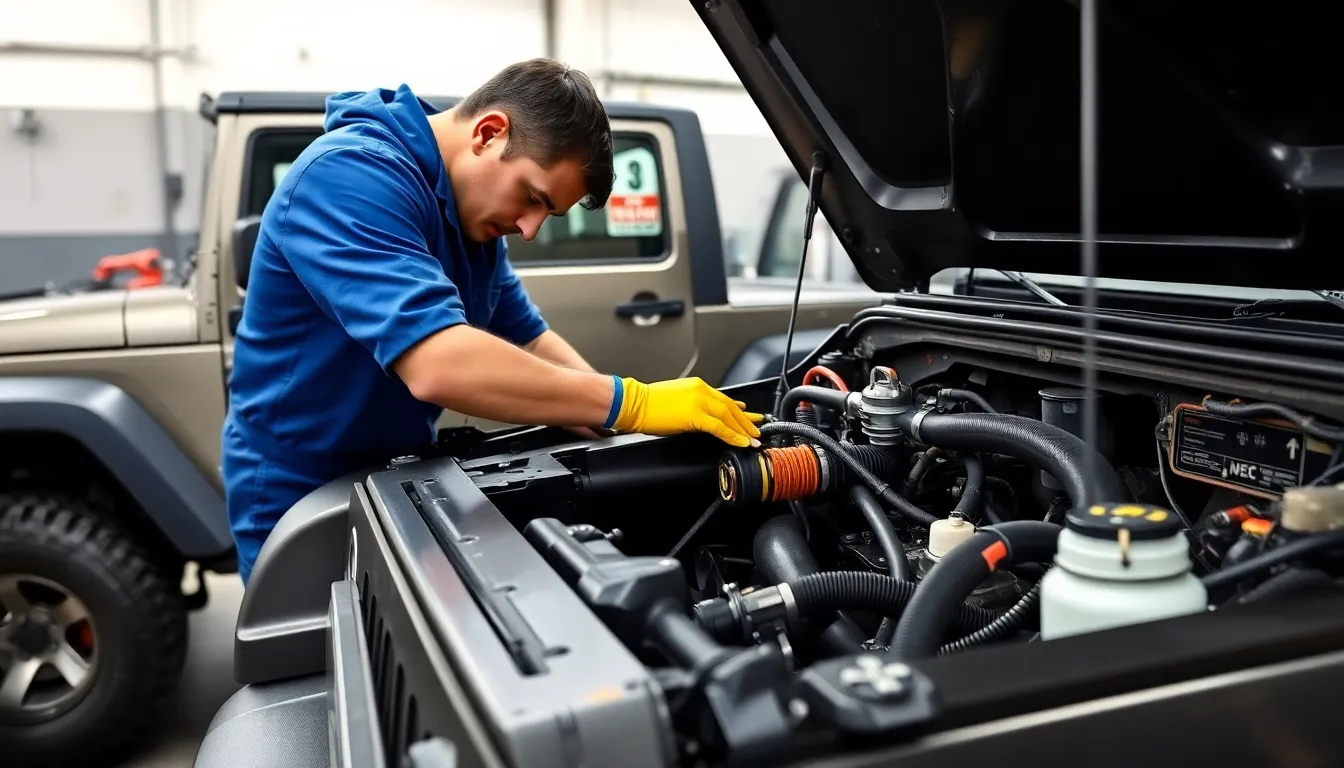
Diagnosing the P0128 code in your Jeep Wrangler requires a systematic approach to identify the exact cause of the cooling system issue. You’ll need to perform both electronic diagnostics and visual inspections to determine whether it’s a faulty thermostat, sensor problem, or coolant level issue.
Using an OBD-II Scanner
An OBD-II scanner serves as your primary diagnostic tool for confirming and investigating the P0128 code. Connect the scanner (such as JSCAN or Innova 3210RS) to your Jeep’s diagnostic port located beneath the dashboard. After retrieving the P0128 code, monitor the live coolant temperature readings through the scanner. Your Jeep’s engine should reach approximately 195°F within a reasonable time after starting. Temperature readings that remain consistently low or take unusually long to reach operating temperature strongly indicate a thermostat or cooling system problem. Clear the code once you’ve recorded the data and pay attention to how quickly it returns during your next drive – immediate reappearance suggests a persistent issue rather than an intermittent one.
Visual Inspection Techniques
Physical examination of your cooling system components often reveals the source of P0128 troubles. Check your coolant reservoir level first, as insufficient coolant prevents proper temperature regulation. Inspect the thermostat by removing it from its housing and testing its functionality – a properly working thermostat opens at approximately 195°F for most Jeep Wranglers. Examine the engine coolant temperature sensor for corrosion, damage, or loose connections that might cause faulty readings. Look carefully at all radiator hoses, the water pump, and connection points for signs of leaks or deterioration that could affect coolant circulation. Cooling system leaks often appear as dried coolant residue (typically green, orange, or pink stains) around connection points or as wet spots beneath your vehicle after parking. Air pockets trapped in the cooling system can also trigger the P0128 code, making proper bleeding of the system essential following any cooling system service.
Fixing P0128 in Your Jeep Wrangler
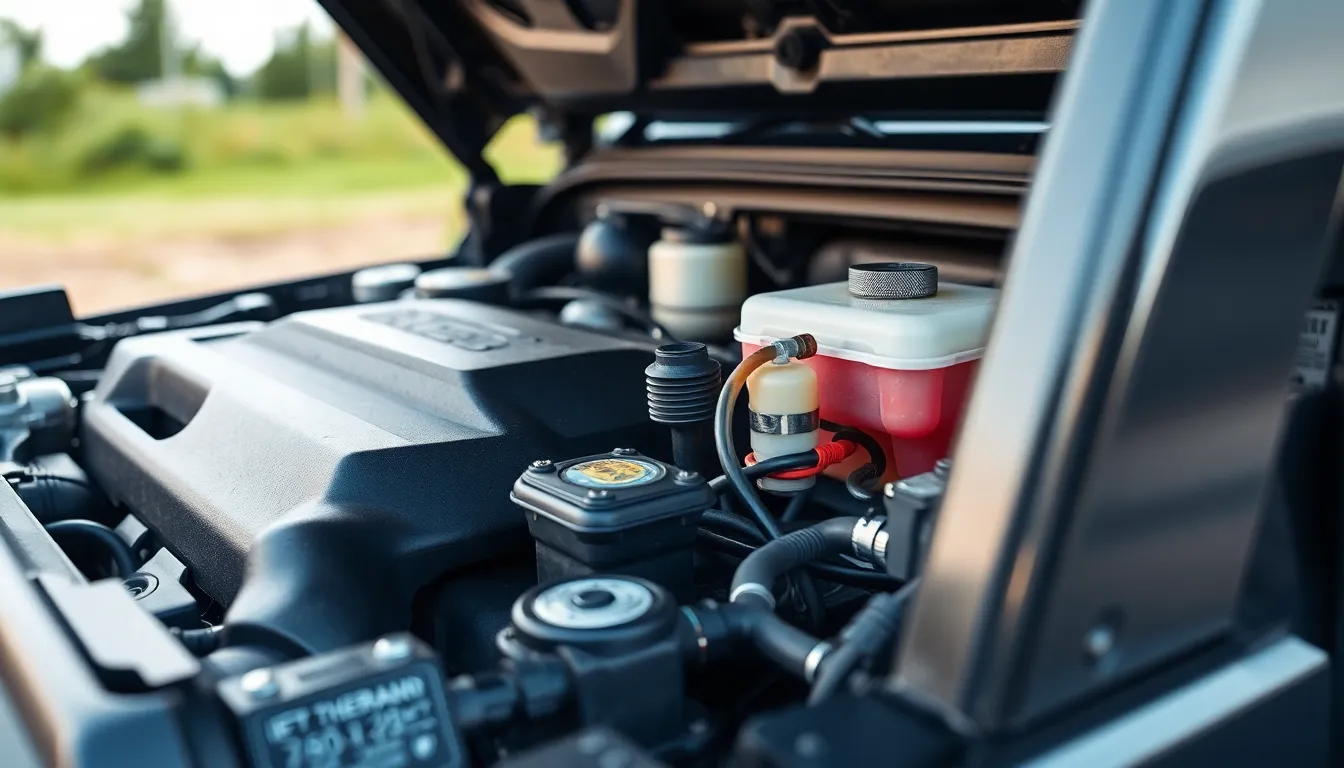
Resolving the P0128 code in your Jeep Wrangler involves addressing exact components of the cooling system that regulate engine temperature. Most fixes focus on three main areas: thermostat replacement, coolant system maintenance, and sensor troubleshooting.
Thermostat Replacement Guide
Replacing a faulty thermostat resolves approximately 70% of P0128 codes in Jeep Wranglers. The process begins with draining some coolant by carefully removing the drain plug and radiator cap when the engine is cool. Next, locate and remove the thermostat housing bolts, then extract the old thermostat unit. Install a new thermostat that matches your Wrangler’s specifications—many Jeep models use a Stant 195 thermostat for optimal performance. After installation, reassemble the housing, refill with the appropriate coolant, and bleed the cooling system to eliminate air pockets that could cause temperature regulation problems. This repair restores the thermostat’s ability to properly regulate engine temperature by restricting coolant flow until the engine reaches operating temperature.
Coolant System Service
Coolant system issues frequently trigger the P0128 code even with a functioning thermostat. Check your engine coolant level first, as low coolant prevents proper temperature regulation throughout the system. Perform a thorough inspection for leaks, cracked hoses, or damaged radiator components that might cause coolant loss. Flush the radiator and cooling system to remove debris and buildup that restrict coolant flow and prevent adequate heat transfer. Many Jeep owners discover that persistent P0128 codes stem from small, hard-to-detect leaks that gradually deplete coolant levels over time. Using the correct type of coolant for your exact Jeep model prevents issues like heater core clogging that can contribute to cooling system problems.
Sensor Replacement Procedures
Engine coolant temperature sensor issues account for a important portion of P0128 codes not resolved by thermostat replacement. Replace the sensor if you’ve determined it’s sending inaccurate temperature readings to the ECM. Locate the sensor, typically mounted on the engine block or cylinder head with an electrical connector attached. Disconnect the electrical connection after ensuring the engine has cooled completely. Remove the old sensor using the appropriate socket or wrench, and install the new sensor with proper torque specifications. Secure all electrical connections to ensure reliable temperature readings. Testing the sensor operation with an OBD-II scanner after replacement confirms proper communication with the ECM. After completing all repairs, clear the code and test drive your Jeep to verify the fix was successful—persistent codes may indicate more complex ECM issues requiring professional diagnostics.
Prevention and Maintenance Tips
Regular maintenance prevents the P0128 code from recurring in your Jeep Wrangler. Implementing these preventive measures helps maintain optimal engine temperature and cooling system performance.
Schedule Regular Coolant Flushes
Coolant degrades over time, losing its heat transfer properties and corrosion protection. Flushing your Jeep’s cooling system every 30,000 miles removes contaminants and old coolant that might affect temperature regulation. Always use the manufacturer-recommended coolant type for your exact Wrangler model to ensure proper performance.
Monitor Coolant Levels Monthly
Checking your coolant reservoir monthly helps catch potential issues before they trigger the P0128 code. Look for the level indicators on the reservoir and ensure the coolant falls between the minimum and maximum marks when the engine is cold. Consistently low levels indicate a leak somewhere in the system that requires immediate attention.
Inspect for Leaks Regularly
Cooling system leaks commonly cause P0128 codes in Jeep Wranglers. Examine hoses, connections, the water pump, and radiator for signs of coolant leakage during your routine maintenance. Tell-tale green or orange fluid spots under your parked vehicle often indicate coolant leaks that need addressing before they lead to temperature regulation problems.
Replace the Thermostat Preventively
Thermostats typically last 80,000-100,000 miles in Jeep Wranglers but can fail earlier. Replacing this inexpensive component preventively around 80,000 miles saves you from roadside troubles and potential engine damage. Many experienced Wrangler owners replace thermostats during major cooling system services as cheap insurance against future P0128 codes.
Test Cooling Fans Operation
Malfunctioning cooling fans contribute to improper engine temperature regulation. Verify your Wrangler’s cooling fans activate correctly by running the engine until it reaches operating temperature. The primary fan should engage when the engine warms up, while the secondary fan typically activates when the AC runs or at higher temperatures.
Keep the Radiator Clean
Debris and bugs accumulate on the radiator’s external fins, reducing cooling efficiency. Gently clean the radiator’s exterior with compressed air or low-pressure water to maintain optimal heat dissipation. Clean radiators transfer heat more effectively, helping your engine maintain proper operating temperature.
Conclusion
Addressing the P0128 code in your Jeep Wrangler doesn’t have to be overwhelming. With a clear understanding of the problem you’ll be able to tackle it efficiently and save on potential repair costs.
Remember that a failing thermostat is the culprit in about 70% of cases making it a logical first step in your troubleshooting process. Regular maintenance of your cooling system can prevent this issue from recurring.
Whether you choose to DIY or seek professional help the important thing is addressing the problem promptly. Fixing your P0128 code will improve fuel economy restore proper cabin heating and protect your engine from potential damage.
By following the diagnostic steps outlined and maintaining your cooling system properly you’ll keep your Wrangler running at optimal temperatures for years to come.
Frequently Asked Questions
What does the P0128 code mean in a Jeep Wrangler?
The P0128 code indicates that your Jeep Wrangler’s engine coolant temperature isn’t reaching proper operating temperature quickly enough. This happens when the coolant temperature stays below the thermostat’s regulated temperature (typically 195°F to 220°F) for too long after starting the engine. The code is triggered by the engine control module when it detects this condition.
What are the most common causes of the P0128 code?
The most common cause (about 70% of cases) is a failing thermostat stuck in the open position. Other common causes include low coolant levels, air pockets in the cooling system, faulty coolant temperature sensors, or coolant leaks. During colder months, these issues become more noticeable as they affect the vehicle’s heating system performance.
What symptoms might I notice with a P0128 code?
You’ll likely notice poor fuel economy as the engine runs a richer fuel mixture to compensate for cooler temperatures. The heater may blow lukewarm air instead of hot air, especially in cold weather. The check engine light will illuminate on your dashboard. These symptoms often develop gradually and may be more noticeable during winter months.
How can I diagnose the P0128 code myself?
Use an OBD-II scanner to confirm the code and monitor coolant temperature readings. Check your coolant reservoir level for proper fill. Inspect the thermostat for functionality and the coolant temperature sensor for damage or loose connections. Look for coolant leaks throughout the system, and ensure there are no air pockets in the cooling system.
How do I fix the P0128 code in my Jeep Wrangler?
In most cases (70%), replacing the thermostat resolves the issue. Ensure you’re using the correct thermostat with the proper temperature rating for your model. Check and refill coolant to proper levels, and repair any leaks in the cooling system. If necessary, replace the engine coolant temperature sensor. After repairs, clear the code and test drive to confirm the fix.
Can I drive my Jeep with the P0128 code?
While you can technically drive with this code, it’s not recommended for extended periods. The engine running cooler than optimal will reduce fuel efficiency, potentially increasing fuel consumption by 10-15%. It may also cause accelerated engine wear over time due to improper combustion and increased emissions. Address the issue promptly to avoid these long-term consequences.
How much does it cost to fix the P0128 code?
If you’re doing it yourself, a thermostat replacement typically costs $15-40 for parts, while a coolant temperature sensor runs $20-50. Professional repair costs range from $200-400 for thermostat replacement (including labor and coolant refill) to $150-250 for sensor replacement. Coolant system flushes cost approximately $100-150 at most service centers.
How can I prevent the P0128 code from recurring?
Schedule regular coolant flushes every 30,000 miles to maintain coolant quality. Monitor coolant levels monthly to catch leaks early. Consider replacing your thermostat preventively around 80,000 miles. Regularly inspect hoses and connections for leaks or wear. Keep your radiator clean and ensure cooling fans operate properly. These maintenance steps help maintain optimal engine temperature regulation.