Wondering how wide 305 tires actually are? When you’re upgrading your vehicle’s wheels, understanding tire dimensions is crucial for proper fitment and performance.
305 tires have become increasingly popular among truck and muscle car enthusiasts seeking that aggressive stance and improved traction. The “305” in these tires refers to their width in millimeters, but there’s more to their actual dimensions than just this number. Factors like aspect ratio, rim diameter, and sidewall height all affect how these tires will look and perform on your vehicle. Let’s jump into exactly what makes these wide tires special and what you need to know before making the investment.
Understanding 305 Tire Measurements
Decoding tire specifications is essential for proper vehicle fitment and performance. 305 tires offer impressive width that appeals to many truck and muscle car owners, but there’s more to these measurements than meets the eye.
What the Numbers in 305 Tire Size Mean
The 305 designation refers to the tire’s width in millimeters across its widest point. For example, in a tire size like 305/70R16, each number represents a exact dimension. The first number (305) indicates the width from sidewall to sidewall measured in millimeters. Following the slash, 70 represents the aspect ratio—the percentage relationship between the tire’s height and width. In this case, the sidewall height equals 70% of the tire’s width. The “R” identifies a radial construction, while 16 specifies the rim diameter in inches.
Tire manufacturers use this standardized system to ensure consistent sizing across different brands. Many drivers get confused by these numbers, but understanding them helps you select the right tires for your vehicle. During my visits to custom shops, I’ve noticed customers often focus solely on the width number without considering how aspect ratio affects the tire’s overall dimensions and performance characteristics.
The Actual Width of 305 Tires in Inches and Millimeters
A 305 tire measures exactly 305 millimeters (about 12 inches) in width. Converting between metric and imperial measurements shows:
| Measurement System | Width Value |
|---|---|
| Metric | 305 millimeters |
| Imperial | 12.01 inches |
The actual mounted width can vary slightly depending on the rim width. Mounting a 305 tire on a narrower rim than recommended compresses the tire, making it appear taller and narrower than its designated size. Conversely, mounting on a wider rim spreads the tire, resulting in a wider contact patch but potentially reducing sidewall height.
Several truck owners I’ve spoken with mention they chose 305 tires specifically for the improved stability and traction on off-road terrain. One Jeep enthusiast, Derek, reported that switching from 285s to 305s dramatically improved his vehicle’s handling on loose gravel and mud without significantly affecting his fuel economy. The extra inch of width provided noticeably better grip in challenging conditions while maintaining a reasonable turning radius.
Common Vehicles That Use 305 Tires
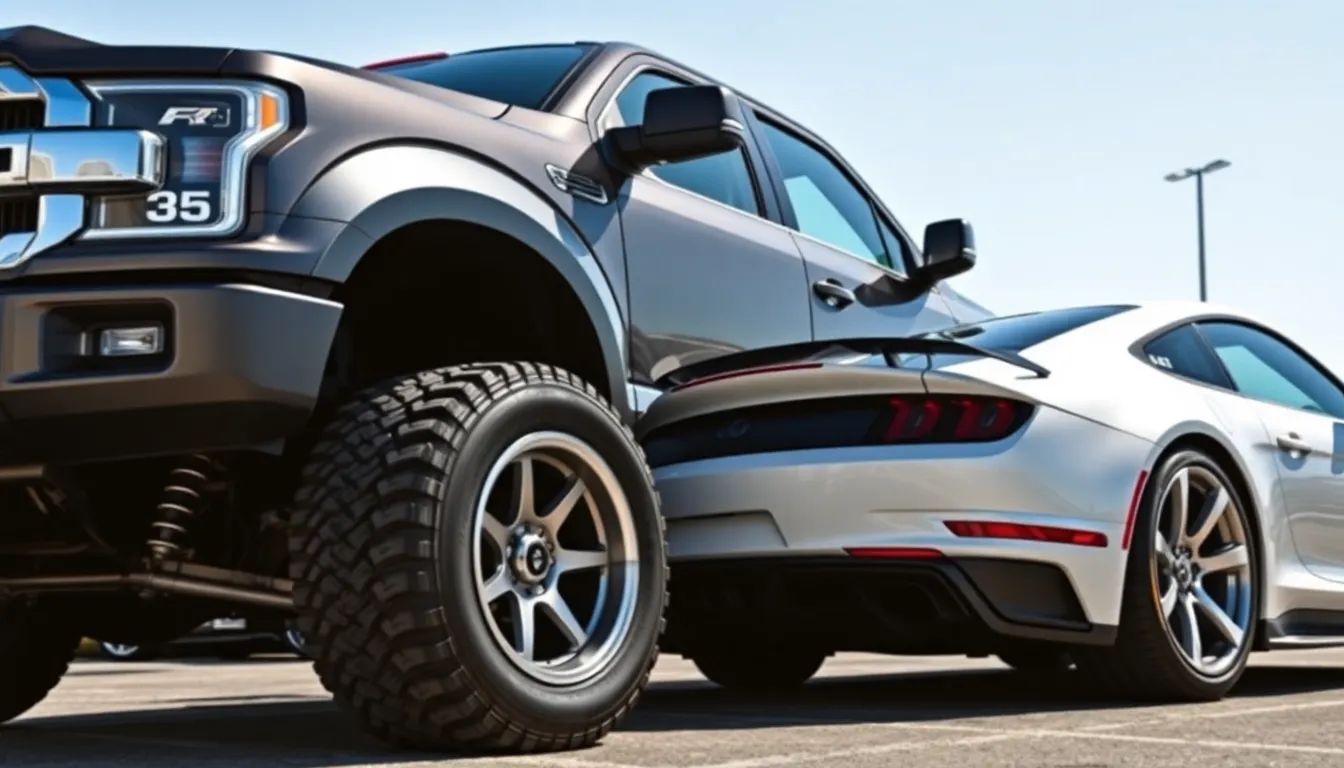
305 tires are commonly found on exact types of vehicles that benefit from their wide 12-inch tread. These tires provide exceptional stability and traction due to their substantial contact patch with the road. Let’s examine which vehicles typically use these wide tires and why they’re preferred for certain applications.
Trucks and SUVs with 305 Tires
Full-size trucks and heavy-duty SUVs frequently use 305 tires for enhanced off-road capability and load-carrying capacity. The 305/70R18 size is particularly popular among these vehicles, offering an ideal balance between width and sidewall height. Ford F-250, Chevrolet Silverado 2500, GMC Sierra, and Jeep Wrangler Rubicon owners often upgrade to 305 tires for improved traction on challenging terrain. These wider tires distribute vehicle weight more effectively across loose surfaces like sand, mud, or gravel. Many truck enthusiasts report important improvements in stability when towing heavy loads after switching to 305 tires, noting how the wider footprint helps maintain better control in crosswinds and during emergency maneuvers.
Performance Cars with 305 Tires
High-performance sports cars and muscle cars frequently come equipped with 305 tires for maximized cornering grip and acceleration. These vehicles typically use lower-profile variants such as 305/30R20 or 305/35R20, which maintain the wide tread while reducing sidewall height for improved handling precision. Dodge Challenger Hellcat, Chevrolet Camaro ZL1, Ford Mustang GT500, and various Porsche 911 models often feature 305 tires on their rear axles. The substantial contact patch delivers impressive traction for putting down massive horsepower figures during acceleration. Performance car drivers appreciate how 305 tires transform their vehicles’ handling characteristics, providing confidence-inspiring stability during high-speed cornering and more predictable behavior at the limits of adhesion.
Comparing 305 Tires to Other Popular Sizes
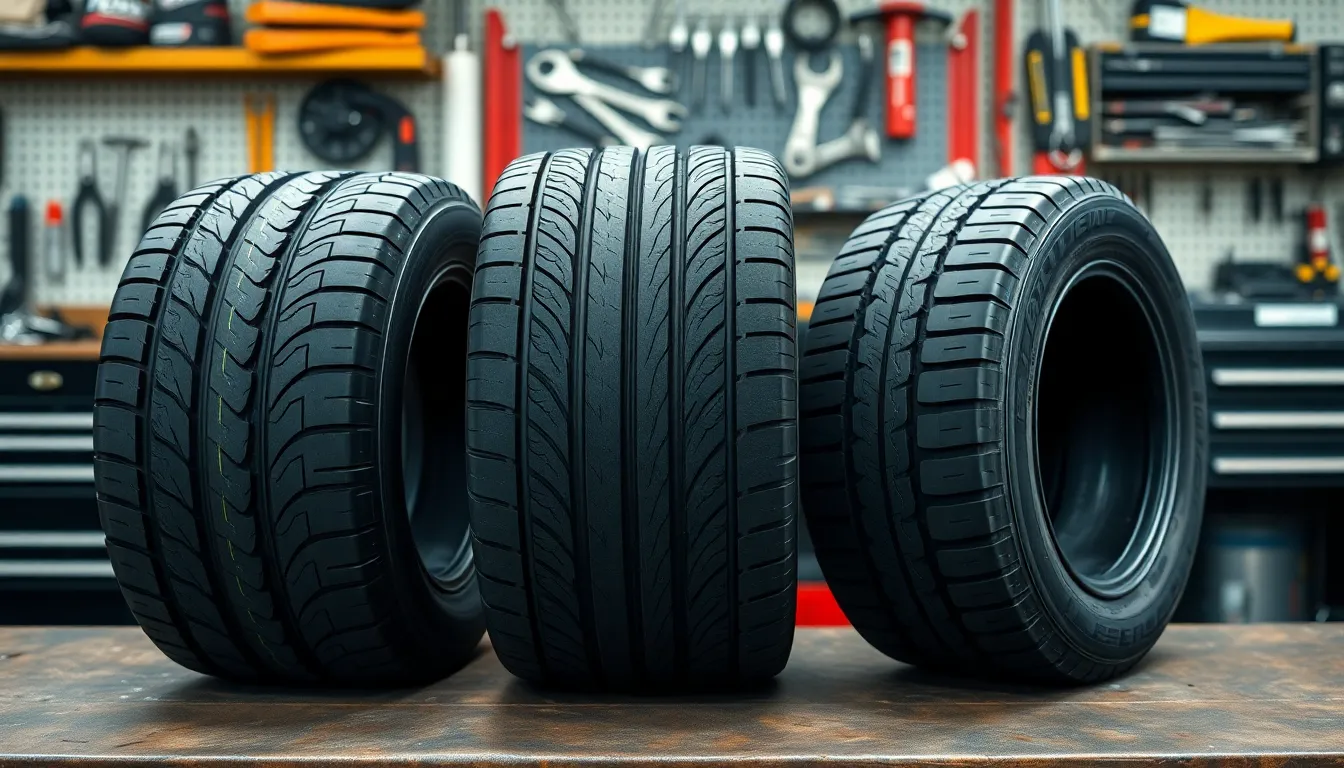
305 tires measure exactly 305 millimeters (12 inches) from sidewall to sidewall, making them notably wider than many common tire sizes. Understanding these width differences helps you make informed decisions when upgrading your vehicle’s tires for performance or aesthetic purposes.
How 305 Tires Compare to 275 and 285 Sizes
305 tires exceed 275 tires by 30 millimeters (1.18 inches) in width, creating a more substantial footprint on the road. While 275 tires measure approximately 10.8 inches across, 305 tires provide that extra inch of rubber contacting the pavement. Moving up from 285 tires gives you a 20-millimeter (0.79-inch) width increase, as 285s measure about 11.2 inches wide. These differences might seem small on paper, but they translate to noticeable changes in handling, stability, and appearance. Many truck owners report feeling an immediate improvement in stability when cornering after upgrading from 275s to 305s, especially during off-road excursions.
Width Differences Between Metric and Inch-Based Tire Sizes
Metric sizing systems (like in 305/70R18) express width in millimeters as the first number in the sequence. The second number represents the aspect ratio (height as a percentage of width), followed by “R” for radial construction and the wheel diameter in inches. Inch-based sizing follows a different convention, such as 33×12.50R17, where the first number indicates overall diameter in inches, the second shows tread width in inches, and the optional third number specifies wheel diameter. For comparison, a 305/70R18 tire features a 34.8-inch diameter with its 12-inch width. These different measurement systems often create confusion for first-time tire buyers, but knowing the translation between them helps you accurately compare options across manufacturers and styles.
| Tire Size | Width (inches) | Width (mm) |
|---|---|---|
| 275 | 10.8 | 275 |
| 285 | 11.2 | 285 |
| 305 | 12.0 | 305 |
Benefits and Drawbacks of Wide 305 Tires
The 305 tires’ substantial 12-inch width creates notable advantages and challenges for vehicle owners. Understanding these trade-offs helps you make informed decisions about whether these wide tires suit your driving needs and conditions.
Improved Traction and Performance
The 12-inch width of 305 tires provides a significantly larger contact patch with the road surface compared to narrower options. This expanded footprint enhances traction in multiple driving scenarios, particularly beneficial for trucks, SUVs, and high-performance vehicles. The improved grip translates directly into better handling characteristics, more responsive acceleration, and enhanced braking capabilities on dry surfaces and off-road terrain. Many truck owners report feeling more confident when handling challenging terrain after upgrading to 305 tires, citing the noticeable difference in stability when traversing loose surfaces.
Fuel Economy and Handling Considerations
The wider profile of 305 tires creates increased rolling resistance that affects your vehicle’s fuel consumption. These tires require more energy to keep moving, resulting in decreased fuel economy compared to narrower alternatives. The added weight from 305 tires can impact vehicle dynamics, sometimes reducing maneuverability during tight turns. In wet conditions, the wider surface area might increase hydroplaning risk due to greater surface friction with the road. Proper wheel width compatibility remains essential for optimal performance – 305/70R18 tires perform best when mounted on wheels between 8.5 and 11 inches wide to maintain the correct tire profile and handling characteristics. During winter driving, some drivers find the wider footprint less effective in snow where narrower tires often perform better by concentrating weight on a smaller area.
Installation Considerations for 305 Tires
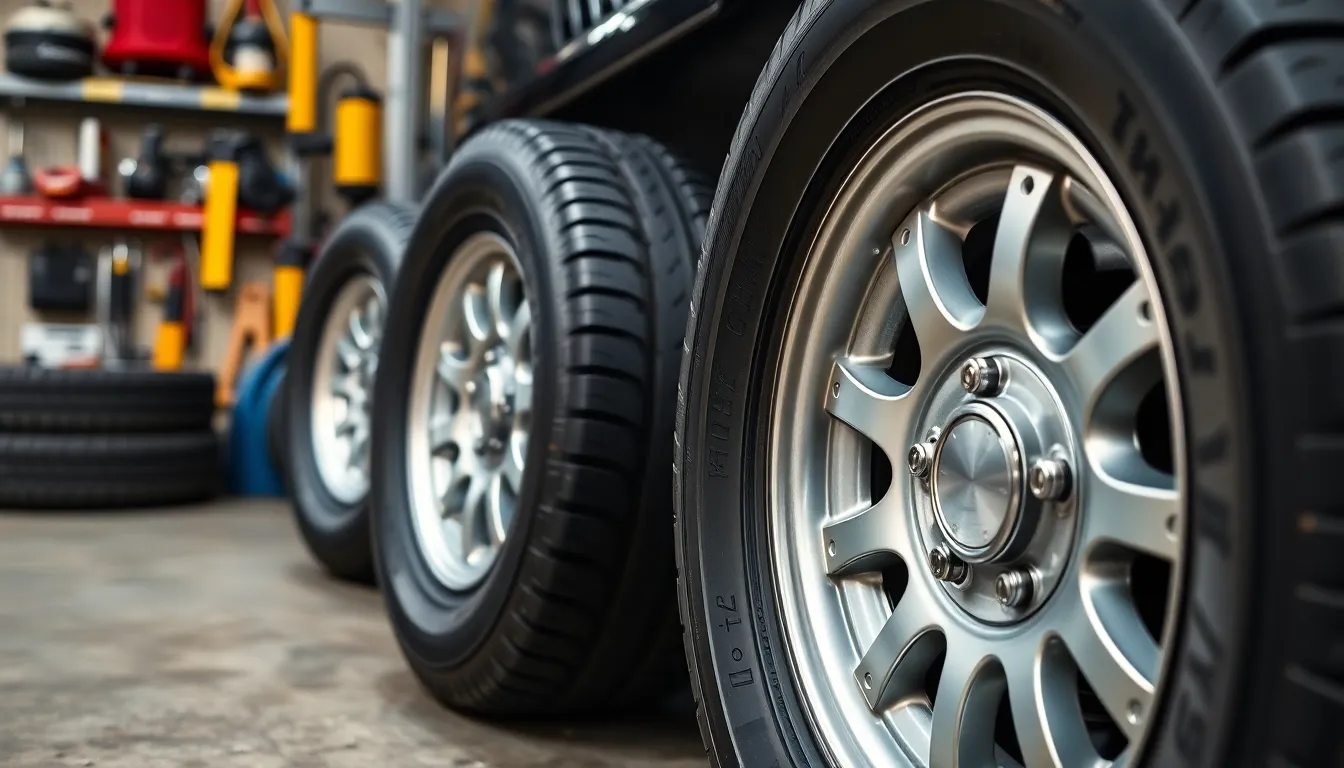
Installing 305 tires requires careful planning to ensure proper fitment and performance. These wide tires offer excellent traction and stability, but they come with exact requirements for successful installation on your vehicle.
Required Wheel Width for 305 Tires
Proper wheel width stands as the most critical factor when mounting 305 tires. These wide tires need wheels that fall within exact width ranges to maintain their optimal shape and performance characteristics. For 305/70R18 tires, compatible wheels typically range from 8.5 inches to 11 inches wide. Different 305 tire variants have their own wheel width requirements:
- 305/45R17 tires fit best on wheels between 8″ and 10.5″ wide
- 305/65R17 tires require wheels from 8.5″ to 11″ wide
- 305/35R26 tires need wheels measuring 10.5″ to 11.5″ wide
Mounting 305 tires on wheels outside these recommended ranges leads to compromised performance and premature wear. Wheels that are too narrow create a “pinched” tire profile with bulging sidewalls, while overly wide wheels stretch the tire excessively, affecting handling and potentially causing bead failure.
Potential Clearance Issues
Clearance problems commonly arise when installing 305 tires, especially on vehicles not originally designed for such wide rubber. The 12-inch width can cause tires to rub against fenders, suspension components, or brake calipers during normal driving conditions. These issues become particularly noticeable during sharp turns or when the suspension compresses over bumps and dips.
Many truck owners report having to make modifications to accommodate their 305 tires properly. These adjustments often include fender rolling or trimming, installing wheel spacers, or selecting wheels with exact offset values to push the tires further outward. Suspension modifications such as leveling kits or lifts provide additional clearance for these wider tires.
Vehicles with factory suspension setups typically experience more clearance challenges than those already equipped with aftermarket lift kits. Taking precise measurements before purchasing 305 tires helps avoid costly fitment issues and ensures you can enjoy the benefits of wider tires without damaging your vehicle.
Conclusion
305 tires deliver impressive performance benefits with their substantial 12-inch width creating superior traction and stability for your vehicle. Whether you’re driving a heavy-duty truck or a high-performance muscle car these wide tires can transform your driving experience.
Before making the switch remember to consider compatibility factors including proper wheel width fender clearance and your typical driving conditions. The fuel economy trade-off and potential handling challenges in wet conditions are worth weighing against the performance gains.
Armed with the knowledge of how 305 tires compare to narrower options and understanding both metric and inch-based sizing systems you’re now prepared to make an well-informed choice. The right tire choice balances your performance needs with practical considerations ensuring you’ll enjoy the benefits of these wide tires for years to come.
Frequently Asked Questions
What does the “305” in tire size actually mean?
The “305” in tire size indicates the width of the tire in millimeters (approximately 12 inches). This measurement refers to the tread width from sidewall to sidewall when mounted on the appropriate rim. It’s the first number in metric tire sizing and is crucial for determining proper fitment and performance characteristics.
How do 305 tires compare to 275 and 285 tires in width?
305 tires are significantly wider than both 275 and 285 tires. They exceed 275 tires by 30mm (1.18 inches) and are about 20mm (0.78 inches) wider than 285 tires. This additional width translates to more rubber contacting the road, which can improve traction, stability, and overall handling, especially during off-road driving.
What vehicles typically use 305 tires?
305 tires are commonly found on full-size trucks and heavy-duty SUVs like Ford F-250 and Chevrolet Silverado 2500 for enhanced off-road capability. They’re also popular on high-performance cars and muscle cars such as the Dodge Challenger Hellcat and Ford Mustang GT500 to maximize cornering grip and acceleration performance.
What are the benefits of using 305 tires?
305 tires provide improved traction due to their larger contact patch with the road. This enhances handling, acceleration, and braking capabilities. The wider footprint also offers better stability during cornering and when carrying heavy loads. For off-road enthusiasts, the increased width provides better grip on challenging terrain.
What are the drawbacks of 305 tires?
Despite their benefits, 305 tires increase rolling resistance, which negatively impacts fuel economy. They can make maneuvering in tight spaces more difficult and may increase hydroplaning risk in wet conditions. These tires are typically less effective in snow than narrower options and often require vehicle modifications for proper fitment, including potential fender rolling or suspension adjustments.
What wheel width is recommended for 305 tires?
For optimal performance, 305 tires should be mounted on wheels between 8.5 and 11 inches wide. The specific ideal width depends on the tire’s aspect ratio and design. Using too narrow or too wide a wheel can distort the tire profile, compromising handling characteristics and potentially causing uneven wear or safety issues.
How do I know if 305 tires will fit my vehicle?
To determine if 305 tires will fit your vehicle, measure wheel well clearance, fender space, and suspension components. Consider your vehicle’s wheel width compatibility and whether the tire diameter matches your vehicle’s specifications. Many vehicles require modifications like wheel spacers, fender rolling, or suspension adjustments to properly accommodate these wide tires.
How do metric tire sizes compare to inch-based sizing?
Metric sizing (like 305/70R18) lists width in millimeters, followed by aspect ratio and rim diameter. Inch-based sizing (like 33×12.50R17) directly states the overall diameter and tread width in inches. For comparison, a 305/70R18 has approximately 34.8 inches diameter and 12 inches width, similar to a 35×12.50R18 in inch-based sizing.