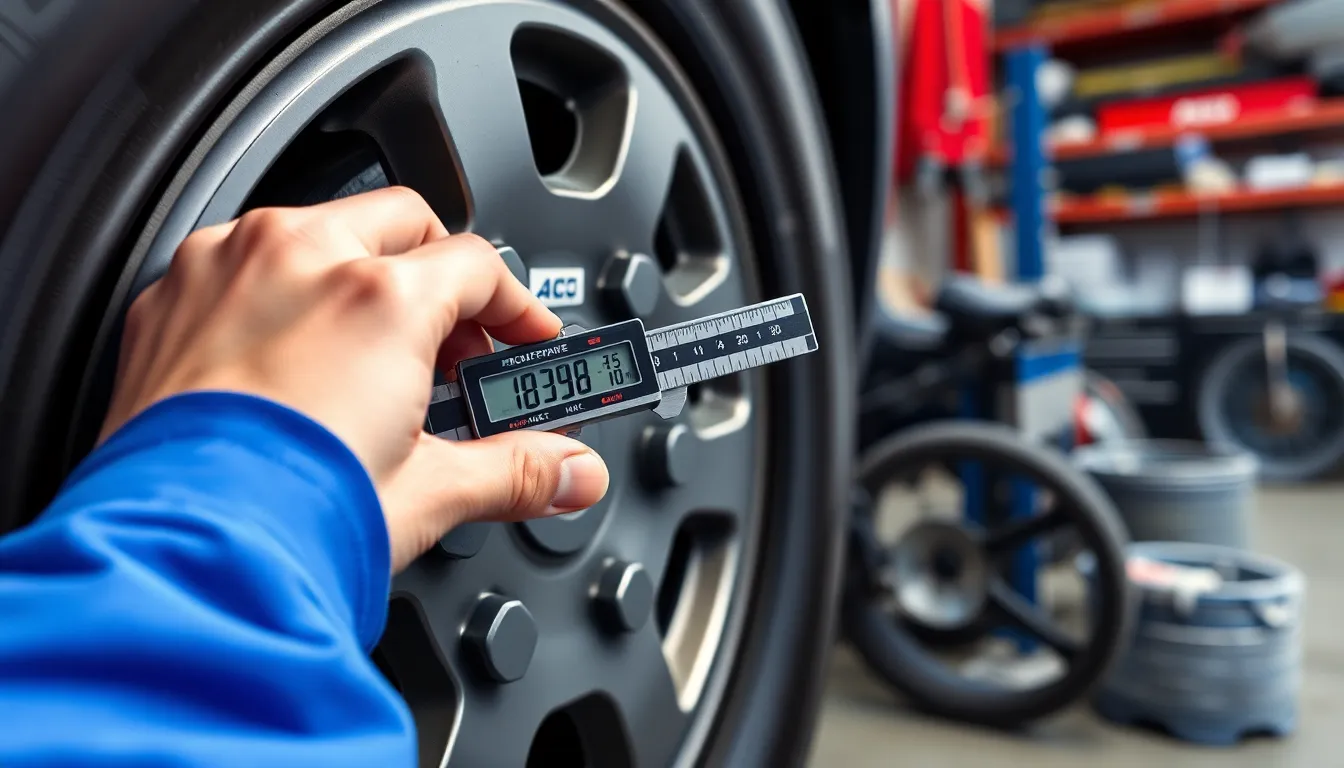
Ever wondered how to measure a bolt pattern correctly? Whether you’re upgrading wheels, replacing parts on your vehicle, or working on a DIY project, knowing the exact bolt pattern is crucial for ensuring a proper fit.
Measuring bolt patterns might seem intimidating at first, but it’s actually quite straightforward with the right technique. In this guide, you’ll learn the simple methods to accurately measure both 4, 5, 6, and 8-lug patterns, helping you avoid costly mistakes and wasted time. From counting lugs to measuring between bolt centers, we’ll cover everything you need to know to get precise measurements every time.
Understanding Bolt Patterns and Why They Matter
Bolt patterns define the arrangement of lug bolts or studs on your vehicle’s wheel hub. They’re specified by two key measurements: the number of lugs and the diameter of the circle they form. For example, a 5×114.3 pattern indicates 5 lugs arranged in a circle with a 114.3mm diameter.
Knowing your vehicle’s bolt pattern is crucial when purchasing new wheels. Incompatible patterns prevent proper installation, leading to unsafe driving conditions and potential damage. Many enthusiasts discover this the hard way when buying aftermarket wheels without verifying measurements first.
Different vehicle types typically feature exact bolt pattern configurations:
- Passenger cars: Often use 4×100, 5×100, or 5×114.3 patterns
- Trucks and SUVs: Commonly feature 6×139.7 or 8×170 patterns
- European vehicles: Frequently use 5×112 or 5×120 patterns
Bolt patterns aren’t standardized across manufacturers, making direct replacements challenging. A Honda with a 5×114.3 pattern won’t accept wheels designed for a Ford with a 5×10⁸ pattern even though both having five lugs. This variation exists because manufacturers design wheel assemblies based on vehicle-exact load requirements and handling characteristics.
Understanding these patterns helps you make informed decisions when upgrading or replacing wheels. It’s also valuable knowledge when shopping in the used market, where compatible wheels might be available at important discounts compared to buying new from dealerships.
Essential Tools for Measuring Bolt Patterns
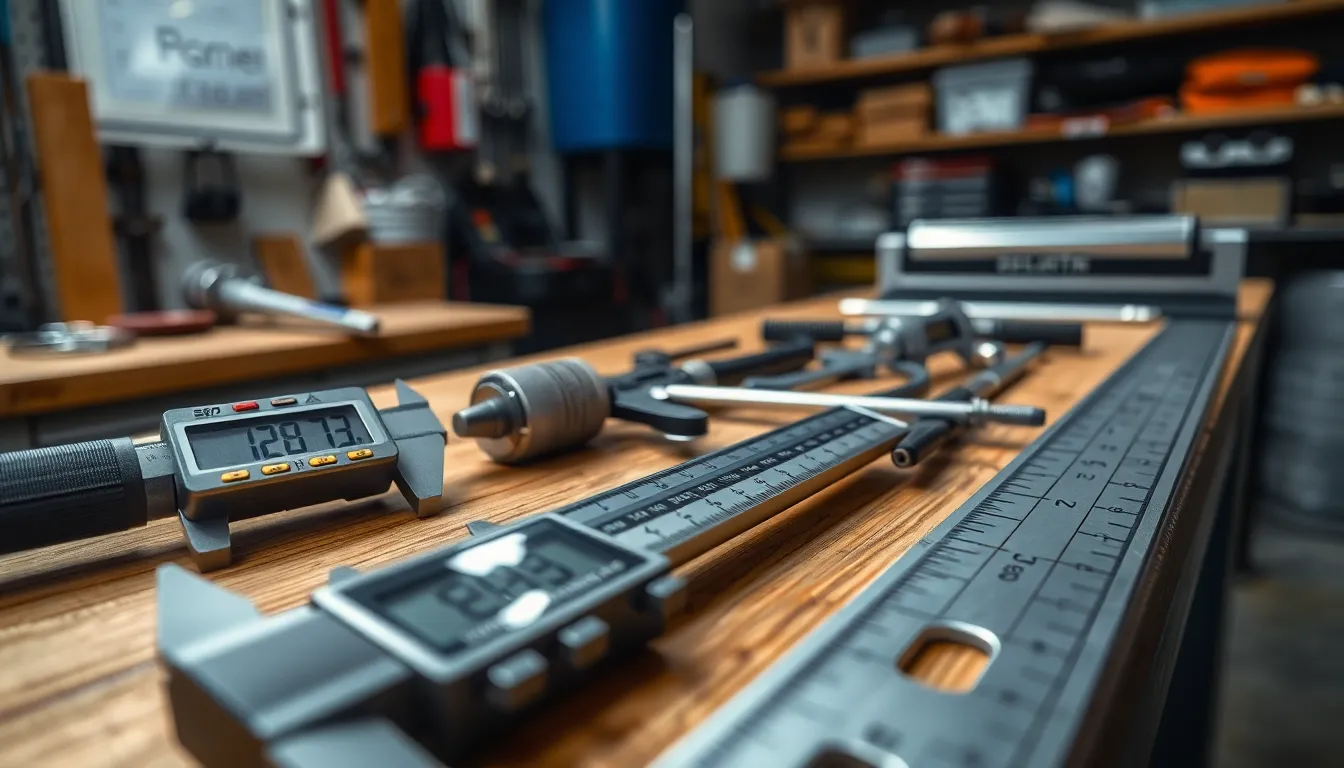
Accurate bolt pattern measurements require exact tools that provide precision and reliability. Basic measuring instruments like a tape measure or ruler work for most standard measurements when determining bolt patterns. These common household tools offer sufficient accuracy for typical wheel fitting projects without requiring specialized equipment.
Digital calipers deliver superior precision when measuring the exact distance between lug holes and their diameters. Their ability to measure to within 0.01mm makes them invaluable for odd-numbered patterns like 5-lug configurations where accuracy is particularly critical. Many professional mechanics prefer calipers for their consistent readings and ease of use.
Micrometers provide the highest level of measurement precision when absolute accuracy is needed for custom wheel applications. These specialized tools excel at capturing the subtle differences between similar bolt patterns such as 5×114.3mm and 5x115mm that can otherwise cause fitment issues.
For DIY enthusiasts, a dedicated bolt pattern gauge eliminates guesswork by providing direct readings of common patterns. These purpose-built tools feature pre-marked templates for popular bolt configurations, making identification quick and straightforward even for those with limited mechanical experience.
Smartphone apps with measurement capabilities offer a convenient alternative when traditional tools aren’t available. Many automotive apps now include features that help identify bolt patterns using your phone’s camera, though they shouldn’t replace physical measurements for final verification.
Step-by-Step Guide to Measuring Bolt Patterns

Accurate bolt pattern measurements ensure proper wheel fitment and vehicle safety. Follow these exact techniques for different lug configurations to get precise measurements every time.
Measuring 4-Lug Patterns
Four-lug patterns follow a simple measurement approach. Start by locating two lug holes directly opposite each other on your wheel or hub. Position your tape measure or caliper from the center of one lug hole straight across to the center of the opposite hole. This measurement represents the bolt circle diameter (BCD), which completes your bolt pattern identification. For example, if you measure 100 mm between centers, your bolt pattern is 4×100 mm – a common configuration for many compact cars and some sedans.
Measuring 5-Lug Patterns
Five-lug patterns require a different measuring technique due to their asymmetrical layout. Begin by selecting any lug hole as your starting point. Instead of measuring to the center of another hole, measure from the center of your selected lug to the outer edge of the hole directly across from it. This adjustment compensates for the uneven spacing inherent in 5-lug wheels. Your measurement, such as 114.3 mm, combined with the lug count gives you the complete bolt pattern (5×114.3 mm), frequently found on midsize sedans and crossovers.
Measuring 6-Lug and 8-Lug Patterns
Six-lug and eight-lug patterns return to the straightforward center-to-center measurement method. Find two lug holes positioned directly opposite each other on the wheel. Measure straight across from the center of one hole to the center of its opposite counterpart. The resulting measurement provides your bolt circle diameter. A 6-lug wheel measuring 139.7 mm between opposing holes translates to a 6×139.7 mm bolt pattern, commonly found on trucks and SUVs. Eight-lug wheels follow identical measuring principles, with patterns like 8×165 mm typically appearing on heavy-duty trucks and larger SUVs.
Common Bolt Pattern Measurements for Popular Vehicles
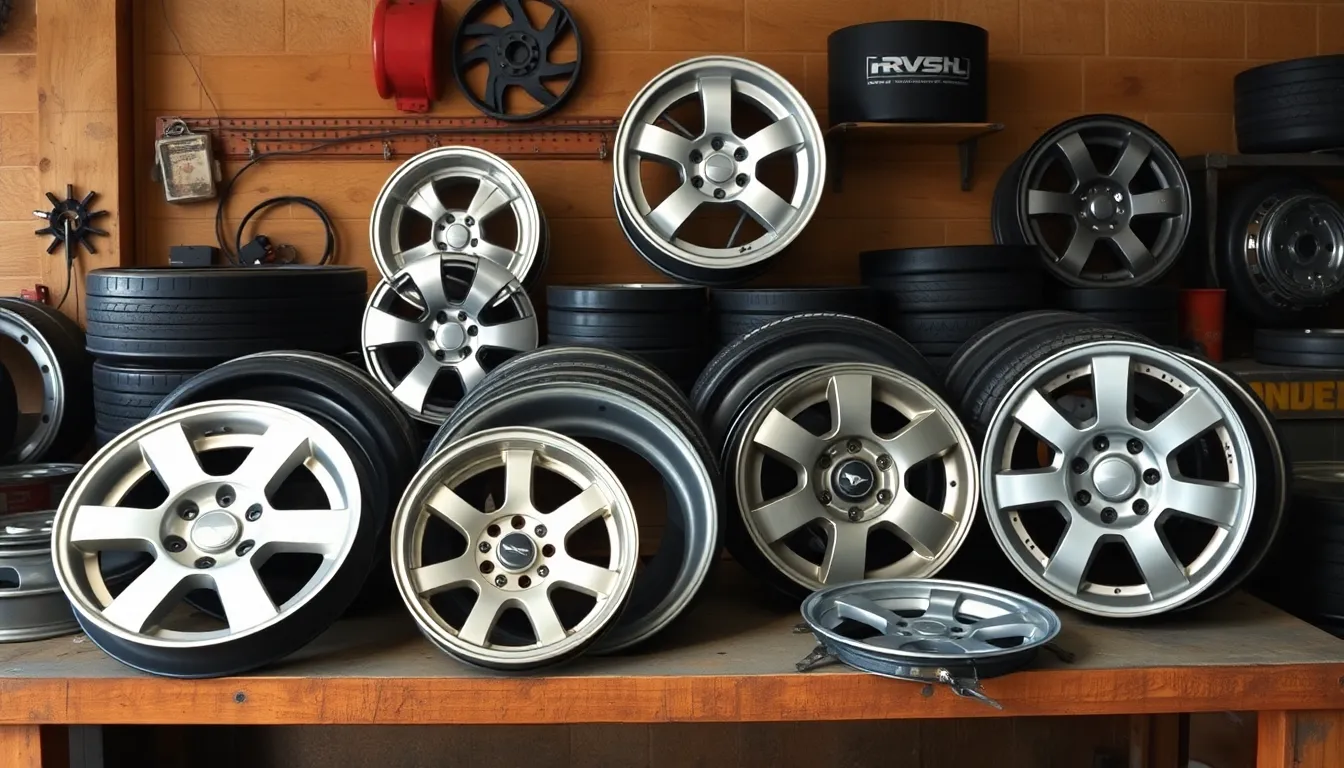
Popular vehicles typically feature standardized bolt patterns that vary by manufacturer and vehicle type. Four common bolt patterns dominate the market, each serving different vehicle categories. The 4×100 mm pattern appears frequently on compact cars, providing a lightweight configuration suitable for smaller vehicles. Many midsize sedans and SUVs use the versatile 5×114.3 mm pattern, which offers a balance of strength and weight distribution. Trucks and larger SUVs commonly employ the 6×139.7 mm pattern for enhanced load-bearing capability. European vehicles and newer car models often feature the 5×120 mm pattern, which has gained popularity for its performance characteristics.
Identifying your vehicle’s bolt pattern before purchasing replacement wheels ensures proper fitment and safety. Manufacturers maintain consistent bolt patterns across their vehicle lines, though exceptions exist. Ford trucks commonly use 6×135 mm patterns, while Chevrolet trucks feature 6×139.7 mm configurations. Toyota sedans typically use 5×114.3 mm patterns, and BMW vehicles consistently employ 5×120 mm bolt patterns across multiple models. These standardized measurements simplify the wheel selection process when staying within a manufacturer’s network.
Bolt pattern compatibility varies significantly between vehicle makes and models. Japanese manufacturers like Honda and Toyota frequently use 5×114.3 mm patterns, creating interchangeability opportunities. American manufacturers often use different standards, with Ford preferring 5×114.3 mm or 5×127 mm for passenger vehicles. Dodge vehicles commonly feature 5×115 mm patterns, creating a slight incompatibility with other 5-lug wheels. European brands use distinctive patterns, with Volkswagen often using 5×112 mm and Mercedes-Benz employing 5×112 mm or 5×130 mm depending on the model.
| Vehicle Type | Common Bolt Pattern | Example Vehicles |
|---|---|---|
| Compact Cars | 4×100 mm | Honda Civic, Toyota Yaris |
| Midsize Cars/SUVs | 5×114.3 mm | Honda Accord, Toyota Camry |
| Trucks/Large SUVs | 6×139.7 mm | Chevrolet Silverado, Toyota Tundra |
| European Vehicles | 5×120 mm | BMW 3-Series, Tesla Model 3 |
| American Sedans | 5×115 mm | Dodge Charger, Chrysler 300 |
| German SUVs | 5×112 mm | Mercedes GLE, Audi Q5 |
Aftermarket wheel availability correlates directly with bolt pattern popularity. The 5×114.3 mm pattern offers the widest selection of aftermarket wheels due to its widespread use across multiple manufacturers. Rare or unusual bolt patterns limit wheel options and potentially increase costs for custom applications. Performance enthusiasts often consider bolt pattern adapters to access a broader range of wheel options, though these adapters introduce additional considerations about safety and handling characteristics. Verifying your exact bolt pattern measurements prevents costly mistakes when ordering replacement or upgrade wheels.
Tips for Accurate Bolt Pattern Measurements

Accurate measurements guarantee proper wheel fitment and vehicle safety. Use these practical tips to ensure you get precise bolt pattern measurements every time:
Use the Right Tools
Digital calipers provide the most accurate measurements for bolt patterns. Their precision jaws can reach between lug holes easily, offering readings accurate to 0.01mm. Standard measuring tapes work in a pinch but aren’t ideal for capturing the exact center-to-center measurements needed for proper fitment.
Measure Clean Surfaces
Dirt, rust, or damage around lug holes affects measurement accuracy. Clean the area thoroughly before measuring to ensure nothing interferes with your readings. Removing built-up grime from lug holes gives you direct access to the true edge of each hole.
Take Multiple Measurements
Consistency confirms accuracy in bolt pattern measurements. Take at least three separate measurements of the same points and average the results. This approach helps eliminate minor reading errors that could lead to fitment problems later.
Remember the Measurement Method
Different lug patterns require exact measurement techniques:
- Even number patterns (4, 6, 8 lugs): Measure center-to-center between directly opposite lug holes
- 5-lug patterns: Measure from the center of one lug to the farthest edge of the opposite lug hole
Record Both Components
A complete bolt pattern always includes two numbers: lug count and bolt circle diameter. Write down both components (like 5×114.3mm) rather than just the diameter. This notation prevents confusion when ordering new wheels or comparing patterns.
Convert Units When Needed
Bolt patterns appear in both metric (mm) and imperial (inches) measurements depending on the manufacturer. Convert between units if necessary, noting that common conversions include 4×100mm (≈4×3.94″), 5×114.3mm (≈5×4.5″), and 6×139.7mm (≈6×5.5″).
How to Use Bolt Pattern Measurements When Shopping for Wheels

Bolt pattern measurements serve as your essential guide when handling the wheel marketplace. Matching your vehicle’s bolt pattern precisely ensures proper wheel fitment and maintains driving safety. Many wheel retailers organize their inventory by bolt pattern, making your accurate measurements the key to filtering available options.
When shopping online, enter your exact bolt pattern (like 5×114.3mm) in search filters to see only compatible wheels. Physical stores typically organize wheels by bolt pattern, allowing you to browse sections specifically matching your vehicle’s specifications. Remember that bolt patterns aren’t universal across vehicle makes and models, so relying on general vehicle information isn’t sufficient for proper wheel selection.
Retailers often list bolt patterns in different formats – some use the decimal system (5×114.3mm) while others might use fractional measurements (5×4.5″). These are equivalent measurements expressed differently, with 114.3mm equaling 4.5 inches. Converting between measurement systems ensures you don’t overlook compatible options.
Beyond the bolt pattern, consider additional wheel specifications including:
- Center bore diameter (the hole in the middle of the wheel)
- Offset (the distance from the mounting surface to the wheel’s centerline)
- Load rating (maximum weight capacity)
- Width and diameter dimensions
The bolt pattern remains your primary compatibility factor, as wheels with incorrect patterns simply won’t mount on your vehicle. Using bolt pattern measurements as your starting point eliminates incompatible options immediately, saving you time and preventing costly purchasing mistakes.
Conclusion
Measuring your vehicle’s bolt pattern correctly is a crucial skill that saves time money and frustration. With the right tools and techniques you can confidently identify your exact pattern and make informed wheel purchasing decisions.
Remember that accuracy is essential when taking these measurements. Even small errors can lead to improper fitment and unsafe driving conditions. Always double-check your measurements and consider consulting with a professional if you’re uncertain.
Armed with your bolt pattern knowledge you’ll navigate wheel shopping with ease whether you’re upgrading for style or replacing damaged components. This fundamental automotive measurement opens doors to compatible options while helping you avoid costly mistakes.
Frequently Asked Questions
What is a bolt pattern and why is it important?
A bolt pattern refers to the arrangement of lug bolts or studs on a vehicle’s wheel hub. It’s specified by two measurements: the number of lugs and the diameter of the circle they form (e.g., 5×114.3mm). Knowing your vehicle’s bolt pattern is crucial when purchasing new wheels because incompatible patterns can lead to unsafe driving conditions and potential vehicle damage.
What tools do I need to measure a bolt pattern?
Basic tools like tape measures or rulers work for standard measurements. Digital calipers offer better accuracy, especially for 5-lug patterns. Micrometers provide the highest precision for custom applications. Dedicated bolt pattern gauges with pre-marked templates are helpful for DIY enthusiasts. Smartphone measurement apps can be convenient but shouldn’t replace physical measurements for final verification.
How do I measure a 4-lug bolt pattern?
For a 4-lug pattern, measure from the center of one lug hole directly across to the center of the opposite lug hole. This straight-across measurement gives you the bolt circle diameter. Make sure your measurement is precise to avoid fitment issues when purchasing new wheels.
How do I measure a 5-lug bolt pattern?
For a 5-lug pattern, measure from the center of one lug to the outer edge of the lug hole that’s farthest away (not directly across). Multiply this measurement by 1.051 to calculate the bolt circle diameter. This method is necessary because 5-lug patterns don’t have directly opposite holes.
What are common bolt patterns for passenger cars?
Common bolt patterns for passenger cars include 4x100mm (compact cars), 5×114.3mm (midsize sedans), and 5x120mm (European vehicles). Manufacturers typically maintain consistent patterns across their vehicle lines, though exceptions exist. The 5×114.3mm pattern offers the widest selection of aftermarket wheels due to its popularity.
What bolt patterns are common for trucks and SUVs?
Trucks and SUVs typically use larger bolt patterns like 6×139.7mm (common in many pickup trucks and larger SUVs) and 8x170mm (found in heavy-duty trucks). These larger patterns provide increased strength to support the additional weight and torque associated with these vehicle types.
Are bolt patterns standardized across manufacturers?
No, bolt patterns are not standardized across all manufacturers. While some patterns like 5×114.3mm are widely used, many manufacturers have their own specific patterns. This is why it’s essential to verify your exact measurements before purchasing new wheels, especially in the used market.
What other wheel specifications should I consider besides bolt pattern?
While bolt pattern is the primary compatibility factor, you should also consider center bore diameter, wheel offset, load rating, and wheel dimensions (width and diameter). These specifications ensure proper fitment, performance, and safety. The bolt pattern simply gets you started by filtering out incompatible options.
How can I convert between metric and imperial bolt pattern measurements?
To convert from millimeters to inches, divide by 25.4. To convert from inches to millimeters, multiply by 25.4. Many bolt patterns are specified in either system, so understanding both is helpful. For example, 5×114.3mm is equivalent to 5×4.5 inches.
What happens if I install wheels with the wrong bolt pattern?
Installing wheels with the wrong bolt pattern is dangerous and should never be attempted. The wheels won’t mount properly, creating unsafe driving conditions that could lead to wheel detachment while driving. Adapters exist for some applications, but they may affect handling and should be used cautiously and according to manufacturer specifications.